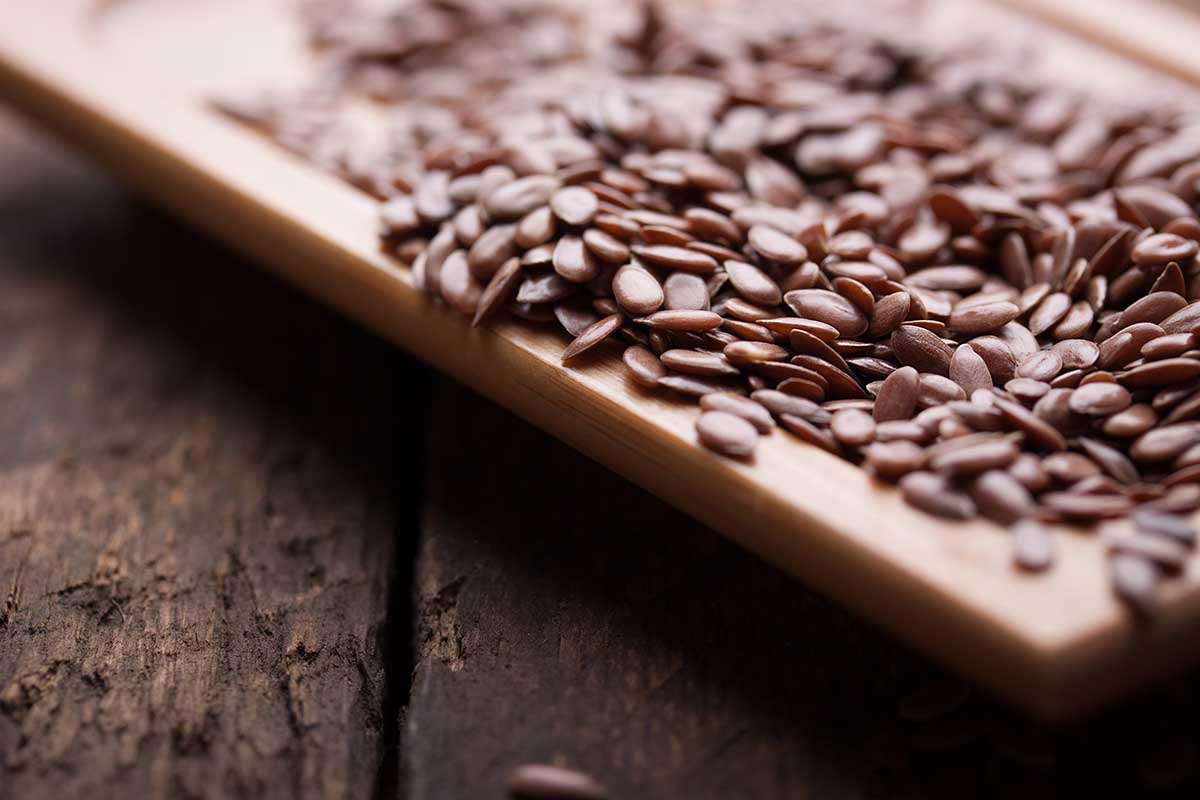
How to Pick the Best Flaxseed Grinder and Keep Your Flax Fresh
✨ Key Points
- Grinding helps your body access flax’s nutrients: whole seeds have a tough outer shell that limits access to some beneficial compounds.
- Choose a grinder for the amount you actually eat: small-batch performance and easy cleanup matter more than size or power.
- You don’t have to grind fresh every morning: prepare manageable batches and store them properly to keep the habit simple.
How many healthy foods have you bought with good intentionsб and left in the cupboard because you weren’t sure what to do with them?
Flax seeds are a perfect example. You buy a bag, sprinkle some on your yogurt, and think you’ve got it figured out.
Then you read that you should grind them first.
But your blender barely touches a tablespoon, and buying another appliance for breakfast feels excessive.
You’re not the only one trying to make this work.
In forum discussions, people describe grinders leaving seeds chunky, awkward cleanup, and uncertainty about whether grinding fresh every morning is worth it.
The questions are practical:
- “Why won’t my flax seeds grind?” You keep pressing the button, but whole seeds remain.
- You need only one or two tablespoons, and your blender struggles with that little.
- You’re comparing a coffee grinder vs spice grinder for flaxseed, hoping to avoid buying the wrong tool.
- You’re wondering how to grind flax seeds without a coffee grinder, using something you already own.
- You want to prepare a batch ahead, but worry it will lose its benefits before you finish it.
Here’s the first paradox: the shell that protects flax’s nutrients also makes some of them harder for your body to access.
In a small human study, whole flaxseed delivered only 28% of the availability of lignan-derived compounds measured with ground flaxseed.
That figure applies to those compoundsб not the seed’s total nutritional value.
The second surprise is that you don’t necessarily need to grind it every morning.
One study found ground flax remained stable for months under its tested storage conditions.
That isn’t a shelf-life guarantee for every batch, but it challenges the claim that ground flax loses its value almost immediately.
Finding the best grinder for flax seeds in a small batch starts with your actual routine: how much you eat, what equipment you own, and how much cleanup you’ll tolerate.
This guide helps you get a useful grind and store it properlyб so the bag becomes part of breakfast instead of another forgotten purchase.
The Oxidation Problem Nobody Mentions on the Bag
Flax is oily, and its oils are sensitive to storage conditions.
Grinding breaks the protective shell, exposing more of those oils to air and light.
But that doesn’t mean ground flax loses its nutritional value overnight: research has found it can remain stable for months under tested conditions.
A strict 24–48-hour deadline isn’t supported by that evidence.
If you’re wondering how to keep ground flaxseed fresh, a few simple habits help:
- Use an airtight container.
- Keep it away from heat and direct light.
- Refrigerate it after grinding.
- Freeze extra portions and follow storage instructions on packaged flax meal.
This shapes what to look for in a grinder.
A small, convenient model that stays within reach may suit your routine better than a large machine that lives in a cupboard.
The best grinder for flax seeds in small batches should make preparation easy, not force you into grinding fresh every morning.
It also explains the appeal of grinding at home: you control the batch size and storage.
Still, a sealed bag of commercial flax meal isn’t automatically a compromise.
Check its date, packaging, and storage directions rather than assuming home-ground flax is always fresher.
How Finely Should You Grind Flax Seeds?
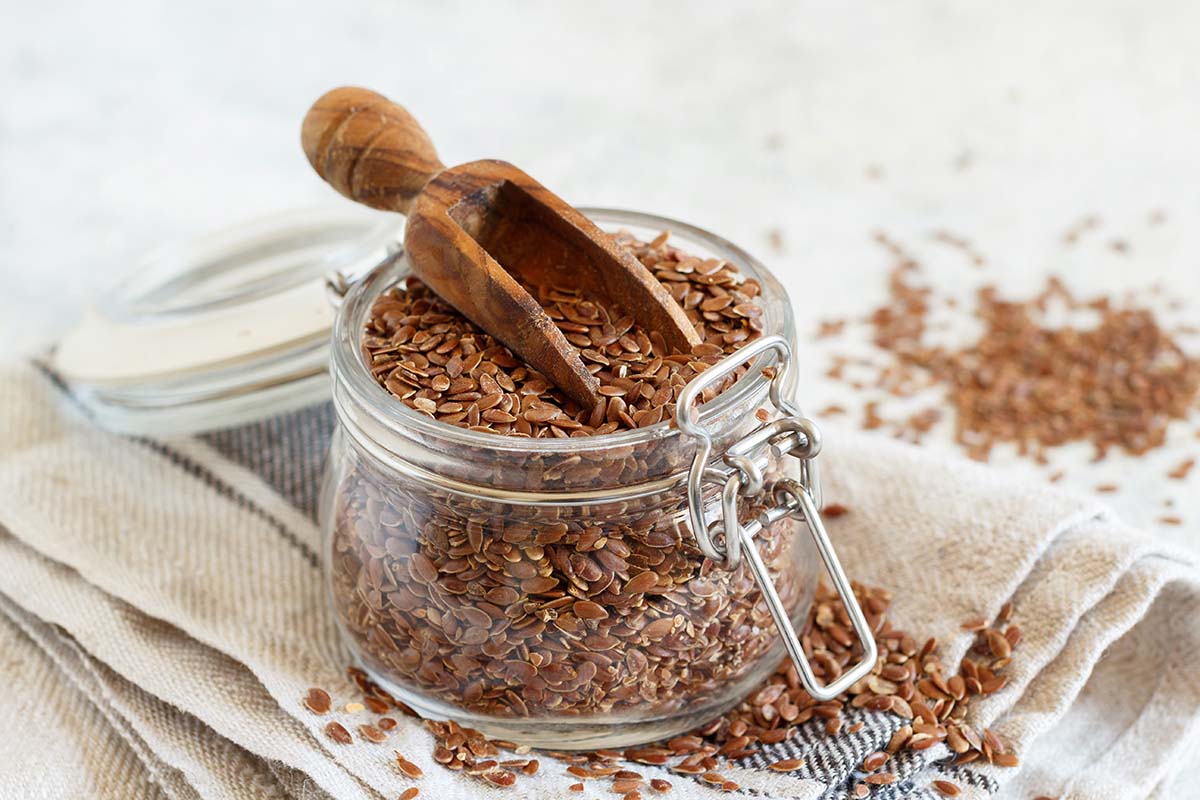
Aim for an even, fine meal, roughly like whole wheat flour.
Visible brown husk flecks are normal, the important thing is breaking open the seeds, not making every fragment disappear.
Human research supports grinding to improve access to flax’s lignan compounds, but it doesn’t establish a flour-fine requirement.
When learning how to grind flax seeds, use these checks:
- Pulse briefly, checking the texture between bursts rather than relying on a fixed grinding time.
- Look for intact seeds: if plenty remain, continue grinding.
- Stop and unplug before gently tapping the chamber to redistribute seeds away from the walls.
- Follow the grinder’s minimum batch size: too little flax may sit below or outside the blade’s reach.
If you’re asking “why won’t my flax seeds grind?”, check the batch size and blade coverage before assuming you need a more powerful machine.
How to Grind Flax Seeds With Tools You Already Own
You may not need another appliance. Start with what’s in your kitchen, keeping batch size and cleanup in mind:
- Blender or food processor: useful for larger batches, but a tablespoon may scatter around the bowl without reaching the blades consistently.
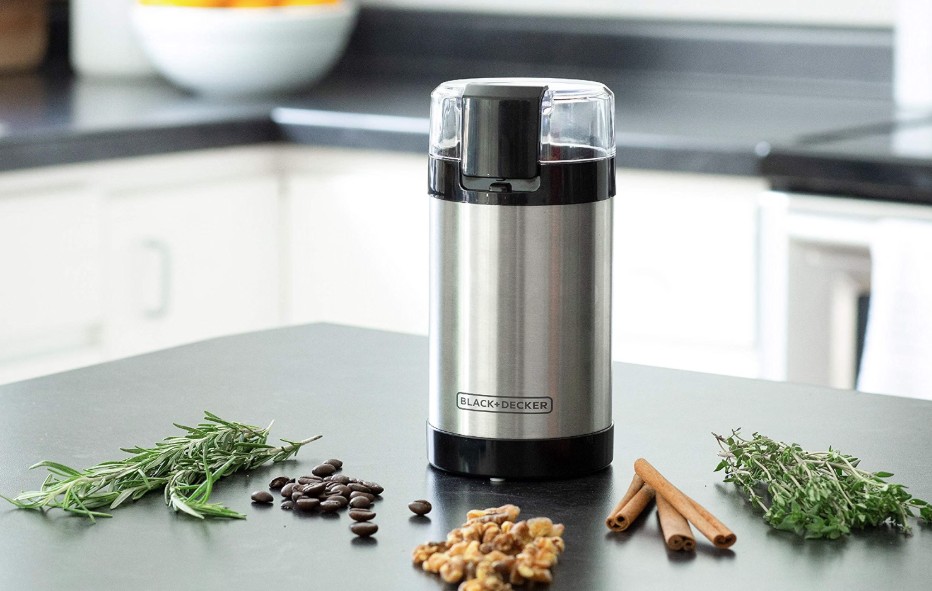
- Electric blade coffee grinder: a practical option for small amounts, provided the manufacturer permits grinding seeds.
- Spice grinder: similar blade models work much like coffee grinders; a removable bowl can make oily residue easier to clean.
- Mortar and pestle: an option if you’re wondering how to grind flax seeds without a coffee grinder. Work in small portions, crushing and grinding until few intact seeds remain.
When comparing a coffee grinder vs spice grinder for flaxseed, the label matters less than the design: check its minimum batch size, whether it accepts oily seeds, and how easily you can clean it.
Burr coffee grinders may not be suitable, so check the manual first.
Flax leaves oily residue that can hold odors and spoil over time.
Clean the chamber as directed and let it dry fully before reuse.
If you grind both coffee and flax regularly, separate units can prevent flavor carryover, but try your existing equipment before buying a dedicated grinder.
Electric Grinders versus Manual Mills
Electric grinders finish in seconds.
If flax is part of your daily breakfast and you want zero fuss before coffee, that’s the obvious direction.
The models built for this job tend to run somewhere between 150 and 200 watts, with stainless steel blades, and a press-and-hold button that lets you decide exactly when the texture is right.
Manual mills are a different experience.
A hand-cranked burr mechanism in a wooden or BPA-free body takes longer and demands a bit of arm work, but it uses no electricity and generates less heat.
Some nutritionists argue that matters for flax’s delicate fats.
Heat buildup in a brief electric cycle is a minor concern compared with a high-speed food processor, but the manual approach removes the variable entirely.
There’s also the noise question. Blade grinders spin fast, and fast means loud.
If you’re grinding at 5:30 a.m. in a small apartment with a sleeping household, a hand mill or a quieter electric model is less of a social problem.
Match Grinder Capacity to How Much Flax You Eat
This is where people overbuy. If you add one tablespoon to breakfast each day, you need about seven tablespoons of ground flax a week—not a large hopper.
When choosing the best grinder for flax seeds in small batches, check:
- Minimum batch size: can it grind one or two tablespoons evenly?
- Usable capacity: how much can you grind without exceeding the fill line?
- Cleanup: is preparing a small portion worth the effort?
- Storage: can you keep any extra meal in a sealed container in the fridge?
Check units carefully: two-thirds of a cup is roughly 10⅔ tablespoons by volume, while ounces may describe weight.
Neither tells you how well a grinder handles a small portion.
Choose for your actual routine. A manageable weekly batch can be more convenient than grinding daily.
Grinder Build Quality: Look Beyond Motor Power
Flax leaves oily residue, so easy cleaning matters as much as grinding performance.
A powerful grinder becomes frustrating if meal collects beneath the blade and is difficult to remove.
When choosing a flaxseed grinder, look for:
- Stainless steel blades and bowls: durable surfaces that are easy to wipe clean.
- A removable grinding bowl: easier access to oily residue and trapped meal.
- Dishwasher-safe parts: useful when explicitly approved by the manufacturer; never submerge the motor base.
- Safety features: a secure lid interlock and overheat protection, particularly useful in a busy household.
Check that the manufacturer permits grinding oily seeds. Skip claims that flax oil necessarily corrodes cheaper metals or that a budget grinder will last a fixed number of years—those depend on the materials, design, and use.
A clear warranty and accessible replacement parts are more useful buying signals than promises of decades of service.
Cleaning Without Wrecking the Motor Housing
Unplug first, then brush out the dry residue with a soft-bristled brush before anything touches water.
Flax powder plus moisture equals glue.
Removable bowls go in the dishwasher if the manufacturer says so; fixed chambers get wiped with a barely damp cloth, and the housing never gets submerged.
A handful of dry white rice pulsed in a blade grinder lifts stubborn oily film, then brush out the rice dust.
Most well-designed mills come apart in under two minutes, which is the real test of whether you’ll keep up with cleaning.
Once you know whether you want a hand crank or a motor, and roughly what capacity fits your week, the remaining differences come down to blade material, bowl removability, and noise between specific models, and that’s the comparison a dedicated best flaxseed grinder roundup is built to lay out.
Make Your Next Healthy Habit Easier to Keep
That bag of flax seeds won’t improve your breakfast while it sits unopened in the cupboard.
If you’ve been searching for how to detox your body in a natural way, start with realistic expectations: flax adds fiber to your diet; it isn’t a cleanse or a shortcut to removing toxins.
You don’t need an expensive appliance or a perfect morning routine to use it regularly.
Choose a grinder for the mornings you actually have.
If you usually have five minutes before leaving home, a machine that needs careful scraping and cleaning will probably stay in the cupboard too.
Look for something that makes adding flax to your usual breakfast easy enough to repeat.
Before buying, check whether it will:
- Grind your usual portion evenly, including one or two tablespoons if that’s what you need.
- Leave few intact seeds, without endless pressing and checking.
- Clean up easily, especially around the blade where oily meal collects.
- Support the routine you prefer, whether that means one serving or a small batch prepared ahead.
- Earn its price through regular use, rather than extra power or capacity you don’t need.
Try suitable equipment you already own first. If it handles flax well, you’ve saved yourself a purchase.
If it repeatedly leaves whole seeds or makes cleanup frustrating, you know exactly what a dedicated grinder needs to solve.
Then choose one place for the ground flax to go: your usual oatmeal, yogurt, or smoothie.
Keep it sealed and chilled, and let that familiar meal become the reason you use it again.
The best flaxseed grinder is the one that makes a healthier breakfast easy enough to repeat next week, next month, and beyond.
Buy for that everyday usefulness, and you’re far more likely to get value from both the grinder and the seeds.
Grinding and Storing Flax Seeds: Your Questions Answered
Q: Why won’t my flaxseeds grind in my blender or food processor?
A: Most standard blenders and food processors are built for larger volumes, so tossing in just a tablespoon or two of tiny, slick flaxseeds means they simply spin underneath the blades without making contact. To get a fine meal in a regular blender, you need to grind at least a half-cup to a full cup at once—or switch to a small electric spice grinder for single servings.
Q: Can you grind flaxseeds in a burr coffee grinder?
A: You shouldn’t, because flaxseeds are packed with natural oils that quickly gum up and clog the metal burrs, leaving whole seeds slipping through while ruining your coffee flavor. A simple, inexpensive blade spice grinder—ideally one with a removable stainless steel bowl for easy washing—works much better for oily seeds.
Q: Why does my flaxseed turn into paste instead of powder when grinding?
A: Over-blending creates friction and heat, which releases the oil inside the seeds and turns your flaxmeal into a thick, clumpy butter. Instead of holding the button down continuously, pulse your grinder in short 3-to-5-second bursts and give it a quick shake between pulses until it looks like coarse sand.
Q: How can I grind flaxseeds at home without a coffee or spice grinder?
A: If you only need a spoonful for oatmeal or yogurt, a heavy mortar and pestle or a dedicated ceramic pepper mill will crush the outer shells effectively. For larger baking batches without a grinder, put the seeds in a sealed zip-top bag and crush them firmly with a heavy rolling pin, or sift the output of a high-speed blender through a fine-mesh strainer.
Q: Does it really matter if a few flaxseeds stay whole?
A: Yes, because whole flaxseeds have a tough outer shell that human digestion can’t break down, meaning they pass straight through your body without releasing their omega-3 fatty acids or lignans.
If you see whole brown or golden specks left in your bowl, give the batch one more quick pulse, or sift out the whole seeds and re-grind them. For a visual walkthrough of how pulsing prevents the seeds from turning into paste, check out How to grind flaxseeds.