
Can Lifestyle Retreats Spark Personal Transformation? A Deep Look into Residential Healing
✨Key Points
Lifestyle retreats and residential healing work because they remove people from stressful routines, creating space for clarity, emotional rest, and deeper self-awareness.
Intentionally designed healing environments—professional support, calm surroundings, community, and mindful practices—provide the structure and safety needed for real transformation.
The most meaningful change happens after the retreat, when individuals return home with renewed clarity, healthier emotional habits, and a more grounded sense of self.
Sometimes, life becomes so noisy, fast, and overwhelming that clarity begins to fade.
When stress, emotional strain, or burnout take over, many people crave more than a weekend away or a digital break.
They want deep restoration, emotional renewal, and a chance to truly reset.
This is why lifestyle retreats and residential healing experiences have become so sought-after. They offer something different from ordinary rest.
They offer transformation.
What makes residential healing so powerful? Why do some environments feel like they heal from the inside out?
And how do lifestyle retreats evolve from simple escape to profound personal change?
Let’s take a closer look.
Stepping Away to Step Back In
When people step into a lifestyle or healing retreat, they are not just taking time off.
They are stepping out of the patterns that hold them back.
Everyday routines, digital distractions, and emotional pressure often keep the mind stuck in repetitive cycles.
Changing the environment changes the mindset. In a peaceful setting, the nervous system calms. Rest replaces rush. Clarity replaces chaos.
In these spaces, individuals are finally able to pause, reflect, and ask deeper questions, like: What am I feeling?
What am I holding onto? What do I truly need?
These questions open the door to transformation.
The Power of an Intentionally Healing Environment

Not all retreats are the same. True residential healing experiences are built to restore emotional balance, personal awareness, and inner strength.
They are intentionally designed to foster emotional safety, reflection, and renewal.
Features that support transformation often include:
- Professional emotional guidance;
• Calm, natural surroundings;
• Simple living routines that promote rest and reflection;
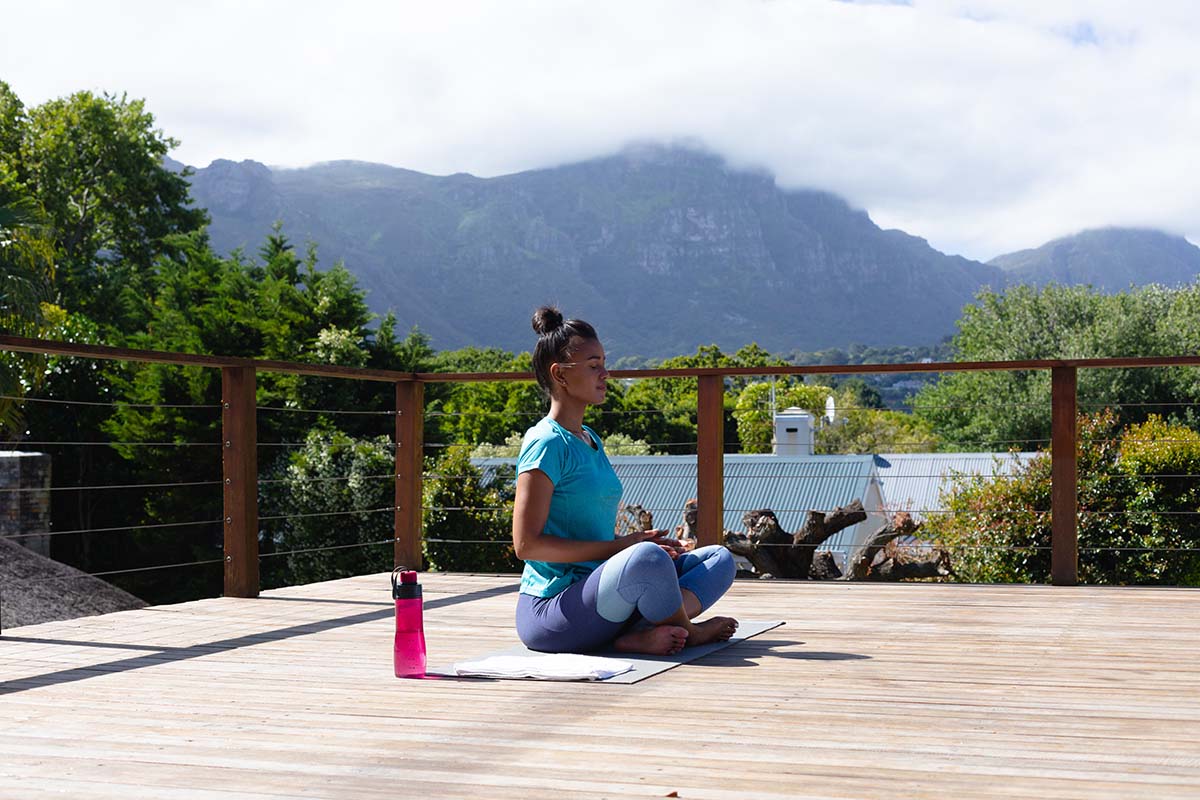
• Mind-body activities such as yoga, journaling, and mindfulness;
• Compassionate community and supportive conversation.
When support, understanding, and structure come together, they create an environment where people feel safe enough to heal, not just rest.
For individuals needing deeper care, especially when emotional pain or addiction is involved, a carefully guided setting such as a trusted residential rehab can offer the professional and emotional support needed to spark lasting change.
Unlike short retreats, these programs intentionally help individuals rebuild stability, emotional wellness, and direction for the future.
Why Transformation Happens Away from Routine
Healing requires distance from what keeps you stuck.
Routine comforts people, but it can also conceal what needs attention.
In new, emotionally supportive environments, old patterns stand out clearly.
Individuals begin to recognize habits, thoughts, or beliefs that do not serve them anymore.
In residential healing settings, transformation is not rushed.
It follows a more natural process:
- First comes rest, because worn-out minds cannot grow;
• Then comes awareness, as emotions surface more clearly;
• Next comes reflection, where meaning begins to form;
• Finally comes change, shaped by new clarity and guidance.
This process does not happen overnight. It takes patience, space, and the right kind of support.
Community: The Healing We Do Not Expect
Many people think healing is a solo journey.
In residential settings, one of the greatest sources of transformation is community.
Not social gatherings, but sincere human connection.
Conversations with others who understand help rebuild trust, self-esteem, and a sense of belonging.
It reminds individuals that they are not alone in their challenges.
In shared spaces of healing, people begin to see that vulnerability is not weakness.
It is a bridge to connection.
A More Conscious Way of Living
Lifestyle retreats and residential healing experiences encourage individuals to slow down and reconnect with purpose.
They introduce habits that continue long after the retreat ends.
These may include morning reflection, mindful silence, journaling, nature walks, breathwork, or simply learning how to choose thoughts that support peace rather than anxiety.
True transformation is not built from intensity.
It is built on consistency.
Returning Home With a Different Mind
The greatest success of a healing retreat is not what happens during it. It is what stays after it.
People often return home with renewed clarity, healthier emotional habits, greater self-awareness, and a more peaceful internal dialogue.
They do not return as someone else.
They return more as themselves.
Not every retreat changes a life.
The right kind of healing environment, especially one that offers professional guidance, emotional safety, and personal reflection, can help someone begin a new story.
Sometimes, the biggest change happens not when you push harder, but when you allow yourself to heal.