
What to Do After an 18-Wheeler Crash
✨Key Points
After an 18-wheeler or big rig crash, your safety and proper medical evaluation come first because injuries often show up later and need clear documentation.
Truck accidents are more complex than regular crashes, so gathering evidence early and understanding liability is crucial before talking to any insurance company.
Speaking with a truck accident lawyer helps you protect evidence, avoid low settlement offers, and understand your real options without committing to anything.
When you get hit by an 18-wheeler or a big rig, the first thing that hits you isn’t the paperwork or the legal questions — it’s the shock.
It’s that split second where your whole body freezes, your hands shake, and your mind can’t decide whether to focus on the pain, the damage, or the fear of what this will mean for your life.
And once the shock settles, the next wave comes fast:
“How bad is this? Am I hurt? How much is this going to cost me? What happens if I can’t work? What am I supposed to do now?”
It’s the kind of moment that makes your stomach drop because you realize an accident this big isn’t just an inconvenience — it’s something that can change your health, your finances, and your sense of stability all at once.
You’re not alone in that feeling. Almost everyone who’s been in a truck accident goes through the same mix of fear, confusion, and that awful uncertainty about what comes next.
And when your mind is racing like that, it’s hard to think clearly, let alone make decisions that actually protect you.
So let me walk you through what truly matters right after a truck accident — step by step, calmly, simply, and in a way that helps you feel understood, not overwhelmed.
Just like I would if we were sitting together, and you were telling me what just happened.
First, make sure you’re really okay — even if you think you are
Once the initial pain settles even a little, your mind finally has room to breathe, and that’s when the next wave hits — the part where you start thinking about what comes after this and wondering what to do after an 18-wheeler crash when everything in your life suddenly feels uncertain.
You notice the soreness in your body, but now you’re also thinking about missing work, the bills that might come, the repairs you can’t avoid, and how this accident could affect your life in ways you never expected.
That’s why the first real step is slowing down for a moment and being honest with yourself about what you’re facing, because this isn’t just about the crash — it’s about everything that comes with it and everything it could impact moving forward.
Even if you’re telling yourself it might not be that bad, you still need to understand what this means for your job, your health, and your responsibilities, because these problems don’t fix themselves, and ignoring them only makes things harder later.
So even if a part of you wants to brush it off and keep going, this is the moment to pay attention, ask questions, and look at your options, because taking this seriously now protects you from even bigger problems down the road and gives you a clear place to start.
Take photos of everything because trucking companies act fast
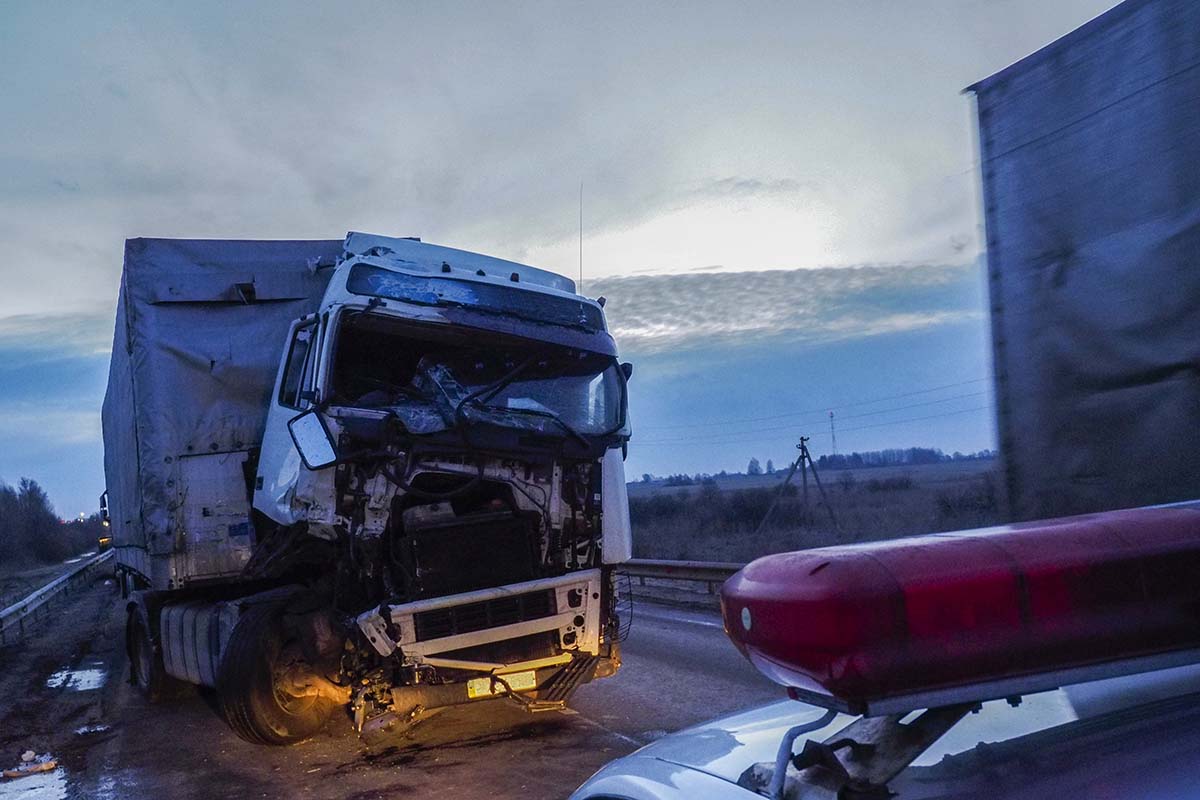
Something most people don’t realize is that trucking companies move quickly after a crash, and they often send their own teams out right away to gather evidence and protect themselves long before you’ve even had a chance to process what happened.
That’s why taking control on your end matters so much, because the photos and details you collect now can become the proof you need later if anyone tries to twist the story or question what really happened.
Take clear pictures of everything — the damage to both vehicles, the road conditions, the weather at the moment, any skid marks, the truck’s license plate, the DOT number, and anything else that shows what the scene looked like.
Also make sure you get the driver’s information, the trucking company’s name, and the contacts of any witnesses, because these small details become priceless later when you’re trying to piece together what truly happened and avoid getting lost in confusion when the insurance companies start asking questions you’re not ready for.
Think of it as building your own file of facts, because truck accident cases get complicated fast, and having your own evidence gives you something solid to stand on.
Call your insurance, but be careful with how much you say
You should absolutely let your insurance company know about the accident, but you don’t need to give long explanations, emotional stories, or guesses about what happened, and it’s always safer to stick to the simple, basic facts.
Just tell them where the accident happened, when it happened, and who was involved, and stop there, because anything extra you say — even something innocent — can be taken out of context and used in ways that don’t help you later.
And whatever you do, don’t talk to the trucking company’s insurance and don’t agree to any recorded statements, because their entire goal is to get you to slip, say something confusing, or make a comment they can twist to pay you less or blame you for something that wasn’t your fault.
This is exactly the moment where people often get into trouble without realizing it, so being careful with your words now protects you from bigger headaches down the road.
Understand that truck accidents are more complicated than regular car accidents

This is the part that catches most people off guard, because you expect a truck accident to work like a regular fender-bender, but once you start looking into it, you realize it’s nothing like a normal crash and there are usually multiple people or companies involved behind the scenes.
It could be the truck driver who made a mistake, the trucking company that pushed impossible deadlines, the crew that loaded the cargo wrong, the maintenance team that skipped something important, or even the manufacturer if a part failed without warning.
That’s why so many people start searching for things like 18-wheeler accident lawyer, big rig accident lawyer, or commercial truck accident lawyer, because they realize there are too many moving parts, too much paperwork, and too many big companies protecting themselves for one person to handle alone.
This is also the moment when you shouldn’t try to guess who’s at fault by yourself, because liability in commercial truck accidents is almost never simple, and talking to a Greenville Truck Accident Attorney early can help you understand what you’re dealing with before anything gets lost, twisted, or used against you.
Make sure evidence doesn’t “disappear” — this one is huge
Here’s something most people don’t know: if certain evidence isn’t protected early, it can be lost, overwritten, or cleaned up, and once it’s gone, you might not get it back.
Evidence like black box data, GPS logs, maintenance records, or dispatch messages can make a huge difference in showing what actually happened.
A truck accident lawyer or semi-truck accident attorney can send a formal letter to the trucking company that legally forces them to save all the evidence, so nothing gets thrown out, overwritten, or “accidentally” lost before you even know what you need.
And this is one of the main reasons people end up talking to a lawyer — not because they’re ready to file a lawsuit, but because they want the truth protected while they’re still trying to understand what to do after an 18-wheeler crash and figure out what their next step should be.
Don’t take the first settlement offer, even if it sounds nice
It’s very common for the trucking company’s insurance to call you early, sound incredibly friendly, and offer a quick settlement that seems tempting in the moment, but when you look at what to do after an 18-wheeler crash, the truth becomes clear — those fast offers almost never cover everything you’ll actually need.
Truck accident injuries can take months to fully understand, and you might need physical therapy, time off work, or long-term care that you can’t predict right now.
If you accept a fast payout, you’re basically giving up your right to ask for more later.
This is why people look up things like truck accident settlement process or average 18-wheeler settlement, because they start realizing that the first offer usually isn’t anywhere near what the situation is actually worth.
Why Talking to a Greenville Truck Accident Attorney Gives You Clarity, Protection, and Peace of Mind

Reaching out to a lawyer after a truck accident isn’t about rushing into a lawsuit — it’s about finally understanding what to do after an 18-wheeler crash, what you’re actually dealing with, what your rights look like, and what your real options are before anything has the chance to get more complicated.
Most attorneys don’t charge anything to talk to you, and they only get paid if you win, so there’s no risk in asking questions and getting the clarity and peace of mind you’ve been needing since the crash happened.
A Greenville Truck Accident Attorney can break everything down for you in simple terms, look at the evidence you have, tell you what the trucking company might do next, and explain what steps will actually protect you and your finances.
They can take over the investigation, collect the evidence you can’t access, work with experts who can prove what really happened, and deal with the trucking company’s insurance so you don’t get pushed into a low settlement or blamed for something that wasn’t your fault.
They also calculate the real long-term costs — medical care, lost income, car repairs, future treatment — so you don’t accidentally accept fast money that leaves you struggling later.
Having someone experienced handle all of this takes a huge weight off your shoulders, because you’re not trying to fight a massive trucking company alone while also trying to recover.
And while they handle the calls, the deadlines, the paperwork, and the negotiations, you get to focus on your healing — physically, mentally, and emotionally — without feeling like every next step is on you.
The right attorney brings structure to chaos, protects your finances, shields you from pressure, and gives you a sense of control again at a time when everything feels uncertain.
So your next step doesn’t have to be complicated — make sure you’re safe, gather what you can, avoid quick deals, and talk to someone who understands how these cases work, just to get the peace of mind you deserve.
That’s how you move from confusion to clarity, one calm, confident step at a time.