Spring Cleaning Tasks Seattle Homeowners Always Wish They’d Done Sooner
✨ Key Points
Seattle’s rain and trees make spring the best time to catch drainage, gutter, and moss issues before they turn into expensive repairs.
A quick seasonal walk-around helps homeowners spot early warning signs in walkways, fences, soil, and foundations.
Keeping an eye on trees near your home can prevent roof, pavement, and foundation problems—especially after winter storms.
Spring in Seattle brings familiar changes around the home.
Frequent rain, nearby trees, and saturated ground begin to influence gutters, drainage paths, walkways, fences, and foundations.
Moss growth, debris buildup, and slow drainage often show up early, making it easier to spot areas that need attention before they turn into larger concerns.
Thinking of exterior upkeep as part of the seasonal rhythm can make it feel far less overwhelming.
Paying attention to trees, gutters, soil, hardscapes, and boundary features helps improve drainage, maintain safe access, and extend the life of outdoor elements.
Simple inspections and timely maintenance allow homeowners to stay organized, plan repairs with confidence, and avoid common springtime surprises.
Exterior Tree Oversight
Trees located near Seattle buildings interact directly with rooflines, pavement, and underground utilities.
As canopies expand and roots spread, physical strain can develop gradually, especially when crown structure becomes uneven or clearance decreases.
Monitoring branch spacing, trunk form, and surrounding soil movement provides early insight into developing stress patterns that tend to worsen during periods of heavy rainfall or strong winds.
Detailed inspection records support accurate evaluation over time.
Notes on bark condition, cavity formation, and nearby hardscape displacement clarify how trees are affecting surrounding structures.
When complex root or canopy issues appear, involvement from a tree service company provides access to specialized diagnostic tools and precision pruning methods that improve stability and reduce risk to nearby buildings.
Gutter and Drain Clearance
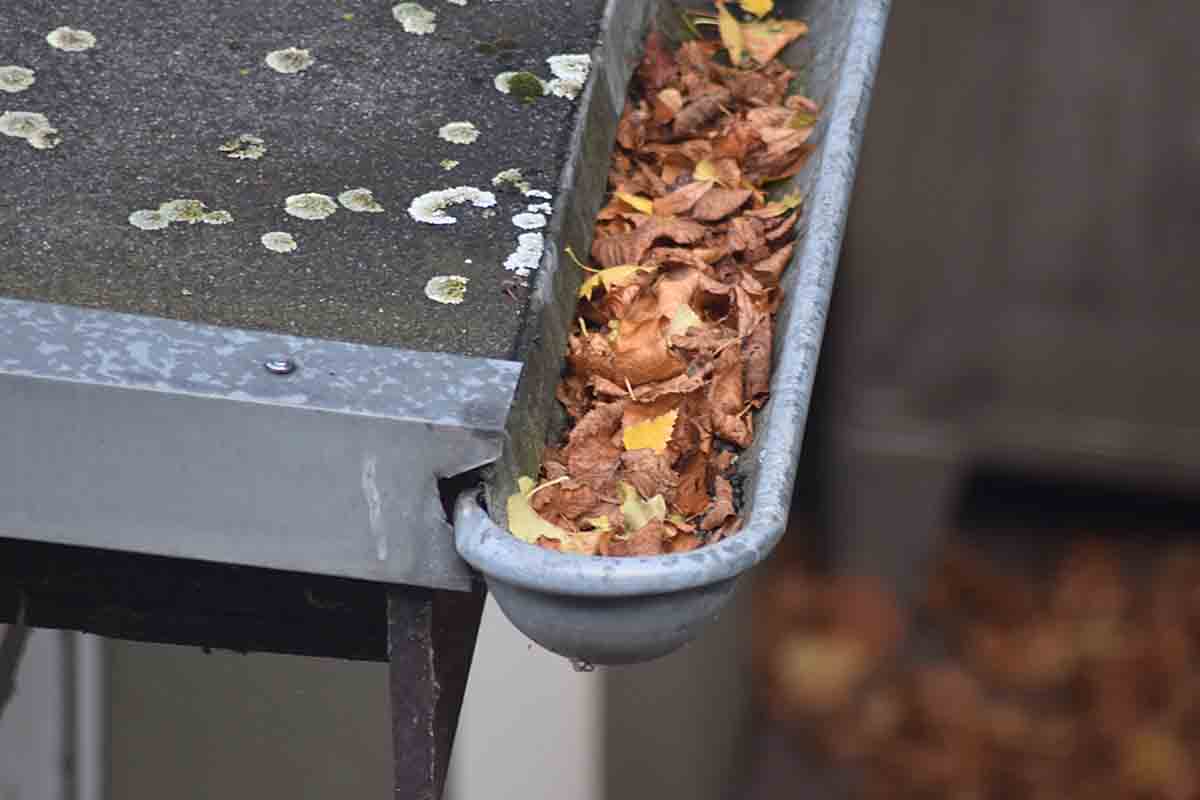
Gutters and downspouts manage how roof runoff moves away from siding and foundations.
When leaves, needles, and moss accumulate by early spring, drainage capacity drops and overflow becomes more likely.
Visual clues such as fascia staining, bent hangers, standing water near foundations, and debris visible during rainfall indicate that water is no longer being directed as intended.
Proper drainage returns once gutters are clear and downspouts move water as intended.
Discharge should extend several feet from the structure, with extenders or splash blocks used where pooling occurs.
Flow checks after cleaning help reveal hidden blockages.
Follow-up after heavy rain or leaf drop limits long-term moisture exposure and protects wood, concrete, and basement spaces.
Lawn and Soil Reset
Soil conditions in many Seattle yards change over time as foot traffic, equipment use, and prolonged moisture compress soil layers.
Reduced pore space limits water movement and oxygen availability, which shows up as patchy turf, slow drainage, and surface puddling after rain.
Core aeration and thatch removal address these conditions by loosening dense layers and improving nutrient and moisture access at the root zone.
Soil testing provides useful information about pH balance and nutrient availability.
Results guide lime or sulfur application, while compost topdressing improves structure and adds organic matter.
Follow-up checks of moisture infiltration and root depth confirm progress.
Balanced soil conditions reduce runoff, support stronger turf growth, improve summer drought tolerance, and limit recurring compaction during the growing season.
Hardscape Safety Checks

Moisture, freeze-thaw cycles, and root pressure gradually affect walkways, driveways, and patios throughout Seattle.
As base materials move, surfaces may become uneven, joints may open, and moss can establish in damp areas.
These changes increase slip and trip risk while allowing water to reach underlying layers.
Reviews should concentrate on edges, transitions, slopes, and low points where movement and pooling are most likely.
Stability improves when pavers are releveled, joints are refilled with polymeric sand, and cracks are sealed to limit moisture entry.
Moss removal increases traction and surface visibility during wet months.
Reviews after surfaces dry help confirm proper drainage and alignment.
Early attention reduces safety concerns and extends the usable life of hardscape surfaces.
Fence and Boundary Review
Moisture, temperature shifts, and soil movement steadily affect fences and gates throughout Seattle’s wet seasons.
As posts settle or hardware loosens, alignment changes and material wear become more noticeable.
Leaning posts, loose fasteners, rusted hardware, soil erosion at post bases, and rot near ground contact all signal declining stability, with metal components often showing corrosion first at connection points.
Post bases, hardware connections, and gate alignment benefit from regular review.
Probing for soft rot, tightening fasteners, and confirming latch clearance helps identify early instability.
Replacement of corroded components, footing adjustments, and post stabilization extend service life.
Early correction limits the need for larger structural repairs and supports clear, secure property boundaries.
Seasonal exterior upkeep gives Seattle homeowners a practical way to stay ahead of moisture, vegetation, and ongoing wear.
Attention to trees, gutters, soil, hardscapes, and fences helps manage water flow, improves surface safety, and protects exterior structures.
Brief inspections and timely adjustments often prevent minor concerns from developing into larger repairs.
When handled as a regular maintenance practice, exterior care becomes more manageable and predictable.
Consistent attention supports better planning, steadier maintenance costs, and homes that perform more reliably through Seattle’s long, wet months.
This approach also reduces surprises, supports durability, and encourages regular awareness of exterior conditions.