
The Reality of Being an Athlete
✨ Key Points
Athletic performance comes with physical and mental costs. Injuries, overuse, and psychological pressure are common realities—not exceptions. Understanding these risks early helps athletes train smarter, recover better, and avoid long-term damage.
Motivation will fade—resilience is what sustains progress. Knowing how to push through when you’re losing motivation during hard times is essential. Small goals, proper recovery, and mindset resets are often more effective than pushing harder.
Longevity requires strategy, not just intensity. Athletes who balance training, recovery, and mental health are more likely to sustain performance, extend their careers, and remain healthy long after competition ends.
Athletic life is often viewed through the lens of competition, strength, and success.
From the outside, it looks like peak fitness, discipline, and constant achievement.
What’s far less visible is the daily reality behind performance—the physical strain, mental pressure, and long-term consequences that come with pushing the body beyond normal limits.
Whether you’re a professional athlete, collegiate competitor, or dedicated amateur, the demands are real and cumulative.
Training stress, recovery needs, and nutritional requirements compound over time—making informed choices essential.
Understanding these realities is critical not only for peak performance, but also for injury prevention, career longevity, and long-term health.
For athletes following plant-based diets, this includes paying close attention to the nutrition supplements for a vegan athlete, ensuring key nutrients are adequately supported to sustain strength, endurance, and recovery.
The hidden demands of athletic performance
Research consistently shows that athletes face higher physical and psychological stress than the general population:
Up to 70% of athletes experience at least one injury per season, depending on sport and level
Overtraining syndrome affects an estimated 30% of endurance athletes, leading to fatigue, performance decline, and burnout
Mental health challenges impact roughly 35% of elite athletes, including anxiety, depression, and performance-related stress
Despite these risks, many athletes are conditioned to push through pain, ignore warning signs, and prioritize short-term results over long-term well-being.
Why understanding the reality matters
Recognizing the full scope of athletic life helps athletes:
Improve performance consistency;
Reduce injury risk and recovery time;
Support mental resilience and focus;
Extend career longevity;
Protect long-term physical health beyond competition.
Athletic success isn’t just about training harder—it’s about training smarter, recovering properly, and understanding how the body and mind respond to sustained pressure.
A people-first approach to athletic longevity

Modern sports science emphasizes balance: structured training, proper recovery, nutrition, mental health support, and realistic workload management.
Athletes who understand these principles are far more likely to sustain performance over time rather than peak briefly and burn out.
The reality of being an athlete isn’t weakness—it’s awareness.
And awareness is one of the most powerful tools an athlete can develop.
Injuries Are An Inevitable Part of Performance
Behind every highlight reel and podium finish is a quieter truth athletes know well: injury is not a question of if, but when.
Whether you’re a professional competitor, a dedicated amateur, or a lifelong fitness enthusiast, pushing the body to perform at a high level always comes with risk.
Strains, ligament damage, joint wear, and spinal issues are part of the athletic reality simply because athletic bodies are exposed to repetitive impact, explosive movement, and constant load.
Over time, even well-conditioned muscles and joints can break down.
Acute injuries like tears or fractures can happen in a single moment, while overuse injuries develop quietly, often ignored until performance drops or pain becomes unavoidable.
Pain Is Often Normalized
Athletes are conditioned to push through discomfort.
While this mindset builds resilience, it can also blur the line between productive training stress and harmful pain.
Ignoring early warning signs can delay treatment and complicate recovery.
One of the hardest realities of sport is learning when perseverance helps, and when it causes long-term damage.
Recovery Can Define a Career
Training may build performance, but recovery sustains it.
Sleep, nutrition, rehabilitation, and load management are not optional extras; they are central to success.
Athletes who fail to prioritize recovery often face recurring injuries, declining performance, or shortened careers.
This is why modern athletes increasingly explore advanced recovery strategies, including regenerative approaches, as part of a comprehensive plan rather than a last resort.
Stem cell treatments are one such regenerative approach being explored as an advanced option for athletes dealing with musculoskeletal injuries, joint damage, and spinal or disc-related conditions.
Panama sports recovery stem cell treatment typically involves mesenchymal stem cells (MSCs), which are known for their ability to support tissue repair, modulate inflammation, and assist the body’s regenerative response.
Rather than masking pain, the goal of stem cell-based sports recovery is to support healing at the tissue level, potentially improving recovery quality and durability.
For athletes, that distinction matters.
Better healing can mean stronger tissue, improved function, and reduced risk of re-injury.
Mental Pressure Is as Demanding as Physical Stress
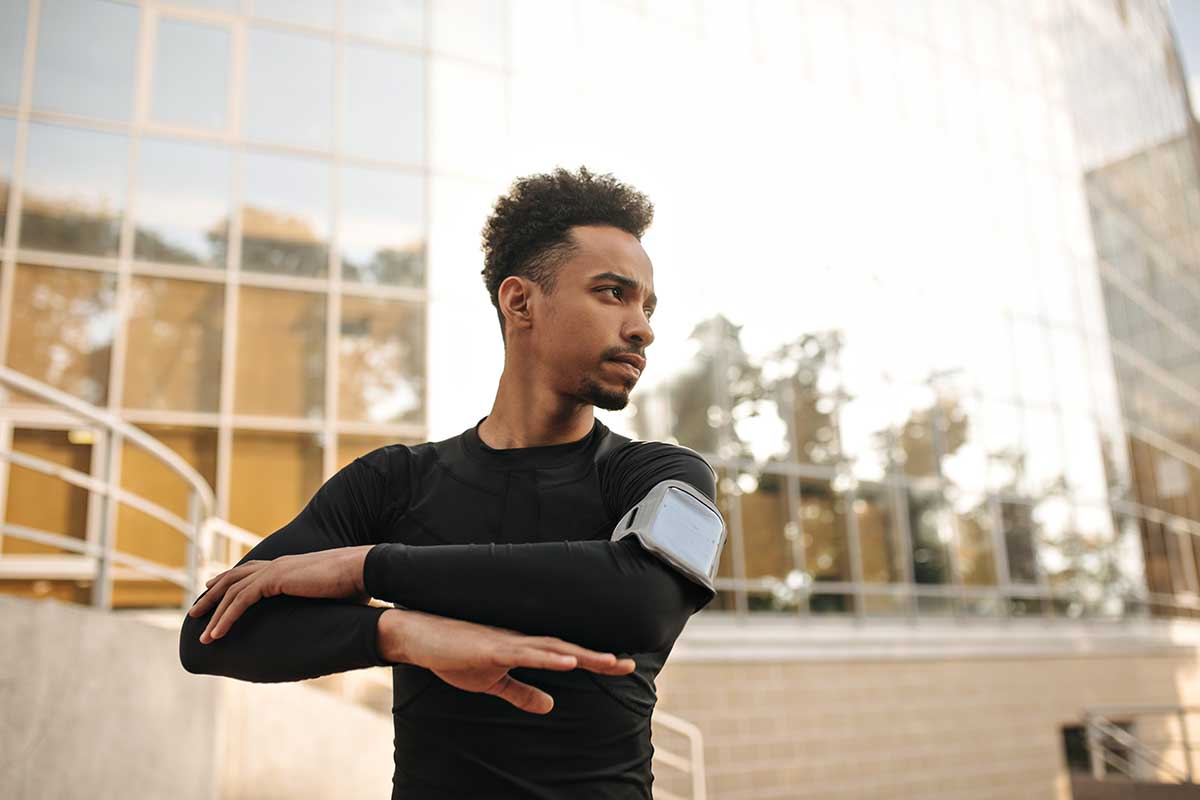
Performance expectations, competition anxiety, fear of re-injury, and the pressure to return quickly can weigh heavily on athletes.
Injury can also be especially challenging psychologically, disrupting identity and routine.
The mental resilience that athletes need, as well as support systems and realistic timelines, are critical, yet they are often overlooked in favor of physical metrics alone.
Knowledge Is Part of Performance
Today’s athletes are not just competitors; they are managers of their own health.
They have to have an understanding of the available recovery pathways, including advanced sports recovery and regenerative treatments, which allow them to take ownership of their future.
Being informed doesn’t mean abandoning traditional care, but integrating all available tools responsibly.
Final Perspective
The reality of being an athlete is complex.
It demands physical excellence, mental strength, and strategic recovery choices—especially during hard times when motivation fades and progress feels slow.
Injuries are a real possibility, wear and tear is inevitable, and longevity requires foresight.
Knowing how to push through when you’re losing motivation often means adjusting expectations, focusing on small, controllable wins, and respecting recovery as much as training.
Athletes who recognize these truths early are better equipped not only to perform, but to sustain performance, protect their bodies, and maintain mental resilience.
That ability—to adapt, reset, and keep moving forward with confidence—often matters more than raw talent long after competition ends.