The Operational Impact of Professional Mobile Marine Repair
✨ Key Points
- Mobile marine repair saves time by fixing your boat right where it is, no towing needed.
- On-water diagnostics catch issues more accurately than shop-based inspections.
- Real-time testing ensures repairs actually work under real conditions before technicians leave.
Minimizing downtime is crucial for any boat owner. When issues arise, the traditional approach often involves trailering your boat to a repair shop, which can be time-consuming and logistically challenging.
Professional mobile marine repair services offer a significant advantage by bringing the expertise directly to your vessel.
This approach not only saves valuable time but also allows for more accurate diagnostics and safer repairs.
A key benefit of mobile services is the ability to conduct diagnostic accuracy and system integration assessments in the boat’s natural environment.
Technicians can perform on-water evaluations, observing how systems behave under real-world load conditions that might not be replicable on a trailer or in a dry dock.
This immediate, on-site assessment can lead to quicker identification and resolution of problems, ensuring your vessel’s uptime.
Diagnostic Accuracy in Mobile Marine Repair
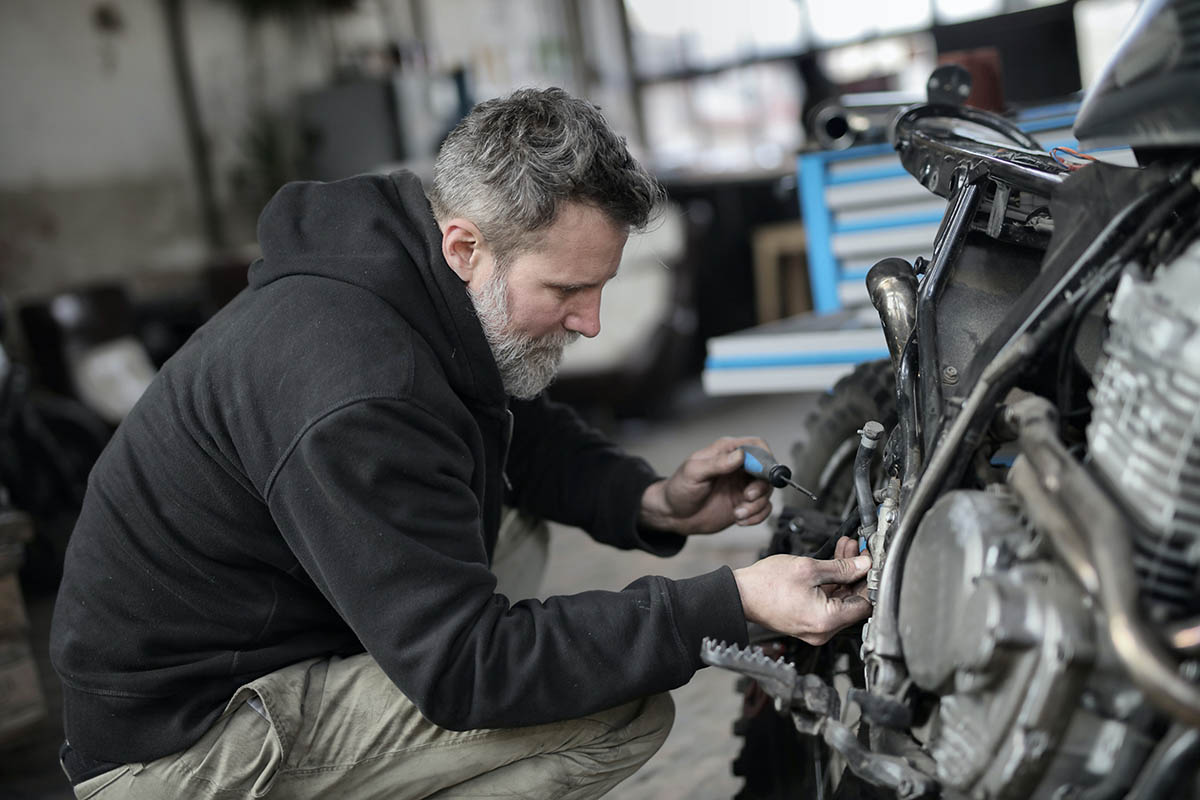
Mobile marine technicians arrive equipped with specialized tooling and advanced diagnostic equipment capable of performing fault-code analysis and real-time system monitoring.
This allows them to pinpoint issues with precision, whether it’s an engine malfunction, an electrical problem, or a navigation system glitch.
By conducting real-world load testing directly on the water, they can verify repairs and adjustments under actual operating conditions, ensuring that your boat is not just “fixed” but fully operational and reliable before they leave your dock.
This expert intervention eliminates the guesswork often associated with off-site diagnostics, resulting in more effective, lasting repairs.
Safety Standards for Mobile Marine Repair
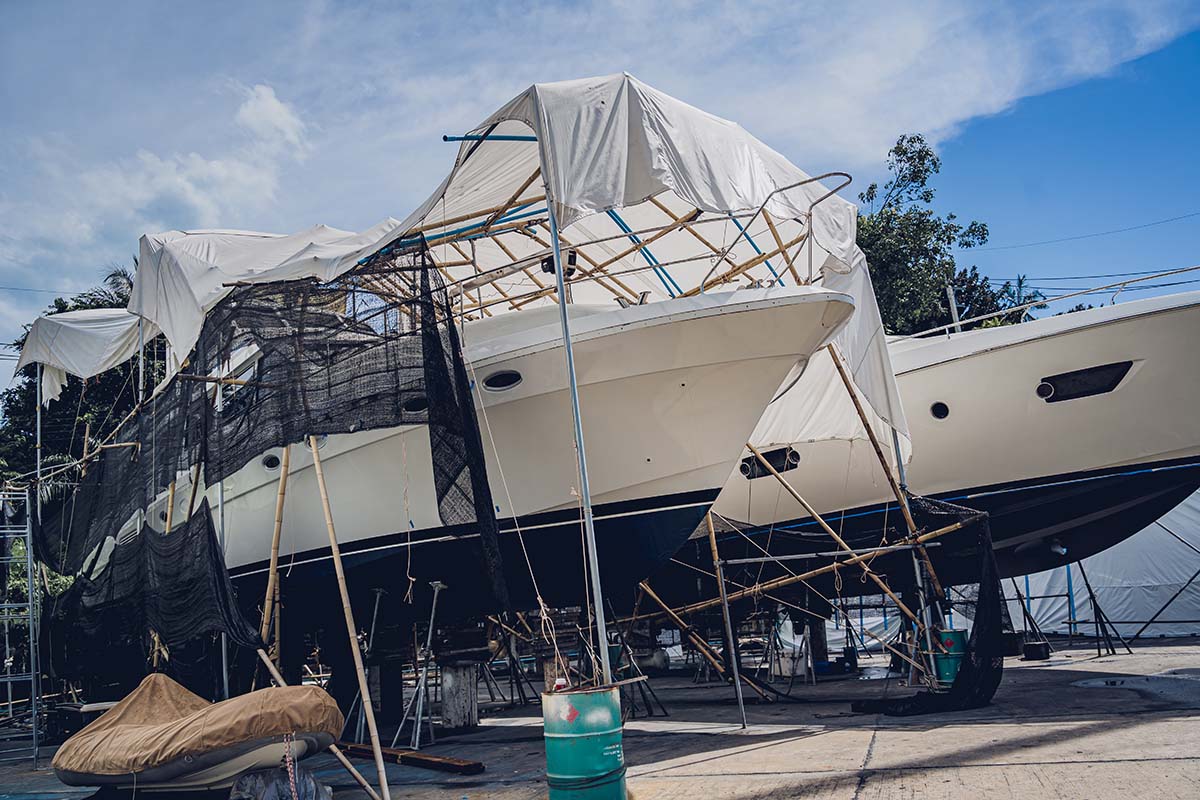
Safety is paramount in marine repair, and professional mobile services adhere to rigorous testing protocols and industry best practices.
Certified technicians are trained to handle a wide range of marine systems, ensuring that all repairs meet stringent safety and environmental compliance standards.
This includes proper disposal of hazardous materials, adherence to electrical codes, and ensuring the structural integrity of any modifications.
When you choose a reputable mobile marine service, you’re not just getting a repair; you’re getting peace of mind that the work has been performed safely and professionally, contributing to your vessel’s operational reliability.
For comprehensive support that keeps your boat running smoothly, consider expert providers offering on-site mobile marine repair.
Precision Accessory Integration: From Electronics to Seating
Adding or upgrading accessories on an aluminum boat, such as installing new electronics or a comfortable pedestal seat, requires careful planning and execution to maintain the vessel’s structural integrity.
Unlike fiberglass boats, aluminum boats often feature thinner hull materials and different construction methods, necessitating specific approaches to prevent damage and ensure long-term durability.
When integrating new components, especially those that will bear significant weight or experience dynamic loads, structural reinforcement is crucial.
This is particularly true for pedestal mounting, where the seat base must withstand the weight of occupants, movement, and the forces exerted by waves.
Proper system calibration for electronics and careful consideration of mounting points for all accessories are essential to avoid interference with existing systems and ensure optimal performance.
Structural Integrity in Aluminum Vessel Modifications
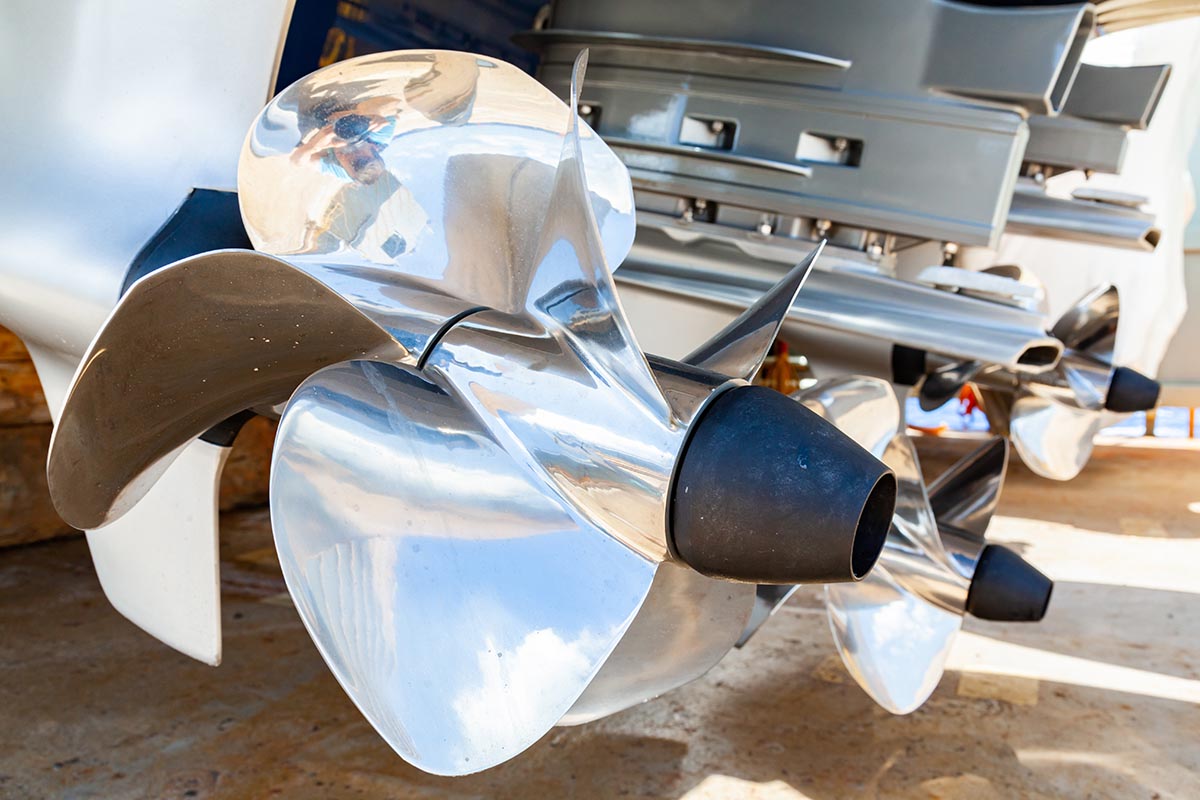
Aluminum boats, particularly jon boats or those with hollow floors, pose unique challenges due to their often-thin, flexible construction.
Directly screwing into thin aluminum without reinforcement can lead to issues like fasteners pulling out, cracking, or flexing of the deck over time.
To counteract this, professional installers often employ backing plates made of marine-grade plywood, high-density polyethylene (HDPE), or even additional aluminum.
These plates distribute the load over a wider area, significantly reducing stress on the mounting points.
When bottom access is limited or non-existent, which is common in many aluminum boats, creative solutions are required.
Some methods use threaded inserts like rivnuts, which provide a secure, threaded hole in the aluminum without requiring access to the underside.
However, for maximum strength and durability, especially in high-stress areas such as seat pedestals, through-bolting with large washers and backing plates is generally preferred.
This often necessitates creating access points, such as inspection hatches, or carefully routing around flotation foam.
The choice of fasteners is also critical.
Stainless steel bolts and nuts are highly recommended for their corrosion resistance and strength.
When using these with aluminum, insulate the dissimilar metals to prevent galvanic corrosion, which can rapidly degrade the aluminum.
Marine-grade sealants, like 3M 5200, play a dual role here: preventing water intrusion and acting as an insulator between metal surfaces.
For a robust installation, consider the following:
- Marine Plywood Backing:A common and effective method is to cut a piece of marine plywood larger than the seat base. This plywood is then sealed with epoxy or paint to prevent rot and screwed down to the aluminum, distributing the load. The seat pedestal then mounts to this reinforced plywood.
- Aluminum Reinforcement:For ultimate strength, particularly in commercial or heavy-duty applications, an additional sheet of aluminum can be added as a backing plate or even overlay the entire seat top, with the pedestal bolting through both layers.
- Access Holes:If through-bolting is chosen and bottom access is restricted by flotation foam, carefully cut an access hole (which can later be covered with an access plate) to allow proper nut and washer installation. This also provides an opportunity to inspect for any underlying wires or fuel lines before drilling.
Optimizing Ergonomics and Visibility
Beyond structural considerations, the placement and height of a pedestal seat significantly impact comfort, visibility, and accessibility of control.
Before any drilling, a professional installation involves a thorough mock-up of the seat and pedestal assembly.
This allows fine-tuning the location to ensure the occupant has clear 360-degree visibility, unobstructed views, and easy reach of controls such as the steering wheel, throttle, or trolling motor.
Factors to consider include:
- Seat Height:Adjustable pedestals offer flexibility, but the optimal height should allow comfortable seating with feet flat on the deck, good visibility over the bow, and ergonomic access to controls.
- Clearance:Ensure the seat can swivel freely without hitting gunwales, consoles, or other equipment.
- Weight Distribution:In smaller aluminum boats, especially jon boats, the placement of heavy items like seats can affect trim and stability. Distribute weight evenly to maintain balance.
- Professional Mounting Methods:An experienced installer will consider all these factors, often recommending specific pedestal types (e.g., fixed, adjustable, spring-loaded) and mounting hardware to match the boat’s design and the owner’s usage patterns. They can also advise on integrating existing features, such as mounting a seat to an existing bench or creating a new deck area, to maximize stability and comfort.
Mitigating Saltwater Degradation and Galvanic Corrosion
The marine environment is notoriously harsh, and saltwater degradation and galvanic corrosion are constant threats to the longevity of your boat, especially aluminum vessels.
Proper installation techniques and material choices are paramount to prevent these issues, ensuring that your seat pedestal mounts and other accessories stand the test of time.
Sacrificial anodes, while primarily used for hull protection, highlight the principle of material compatibility.
When installing any marine-grade fasteners or hardware, understanding how different metals react in a saltwater environment is critical.
Without careful consideration, the very components meant to secure your accessories can become points of corrosive attack.
Advanced Sealing and Waterproofing Techniques
Any hole drilled into your boat’s deck or hull is a potential entry point for water.
This moisture intrusion can lead to serious problems, including rot in wooden components, corrosion of fasteners, and damage to electrical systems.
Marine epoxy and specialized sealants are indispensable tools for preventing these issues.
The overwhelming choice for robust sealing in marine applications is 3M 5200 marine sealant.
This product offers exceptional bonding strength and creates a watertight, flexible seal that can withstand the constant movement and vibration of a boat.
When installing a seat pedestal, applying a generous bead of marine sealant around each drilled hole and under the base plate before fastening is a critical step.
This not only seals the hole but also helps to prevent water from seeping between the base plate and the aluminum deck.
For areas where a permanent bond is not desired, or where future disassembly might be necessary, other marine-grade sealants can be used.
However, for structural components like seat mounts, the durability and waterproofing capabilities of 3M 5200 are often unmatched, contributing significantly to the structural longevity of the installation.
Preventing Galvanic Corrosion in Dissimilar Metals
Galvanic corrosion occurs when two dissimilar metals are in electrical contact with an electrolyte (such as saltwater).
The more “active” metal corrodes preferentially, sacrificing itself to protect the more “noble” metal.
In aluminum boats, this is a significant concern when using stainless steel hardware (a more noble metal) directly on aluminum (a more active metal).
To prevent galvanic corrosion, several strategies are employed:
- Insulation:The most effective method is to isolate dissimilar metals electrically. This can be achieved by using non-conductive washers (e.g., nylon or neoprene) between the stainless steel fastener and the aluminum surface. Applying a non-conductive barrier, such as a thick coat of paint, epoxy, or a specialized anti-corrosion paste, to the aluminum surface before installing stainless hardware also creates a protective layer.
- Material Compatibility:Whenever possible, use fasteners and hardware made from galvanically compatible materials with aluminum, such as aluminum fasteners. However, aluminum fasteners may not always provide sufficient strength for high-stress applications such as seat pedestals.
- Sacrificial Protection:While less common for individual fasteners, the principle of sacrificial protection is seen in zinc anodes attached to aluminum hulls. For fasteners, the insulation method is generally preferred.
- Electrical Isolation:Ensuring that there are no stray electrical currents exacerbating corrosion is also important. Proper grounding and avoiding direct contact between different metal components in the boat’s electrical system are part of good marine practice.
By meticulously applying marine sealants and insulating dissimilar metals, professional marine service providers ensure that your pedestal seat mounts are not only secure but also protected against the corrosive forces of the marine environment, extending the life of your investment.
Seasonal Readiness and Long-Term System Preservation
Ensuring your boat is ready for the season or properly prepared for periods of inactivity is vital to its long-term health and performance.
This is particularly true of fuel and electrical systems, which can suffer significant degradation if not properly maintained.
Even in regions with mild climates, like Florida, seasonal readiness, including proper winterization protocols, is a critical step in preserving your vessel.
Fuel stabilization is a cornerstone of seasonal readiness, preventing common issues that arise from fuel sitting stagnant for extended periods.
Similarly, battery health is paramount for reliable starts and consistent power to all onboard systems.
Professional marine services offer comprehensive solutions to address these areas, safeguarding your boat against the elements and keeping it ready for your next adventure.
Comprehensive Fuel System Management
Modern marine engines, especially those designed for efficiency, are particularly susceptible to fuel-related problems.
Ethanol-blended fuels, common in many areas, can absorb moisture, leading to phase separation where water and ethanol separate from the gasoline.
This water can then cause corrosion in the fuel tank and lines, and if it reaches the engine, it can lead to severe damage.
Professional fuel system management includes:
- Ethanol Mitigation:Using high-quality fuel stabilizers specifically designed for marine use helps to prevent phase separation and keep the fuel fresh. These stabilizers often contain corrosion inhibitors and detergents that clean the fuel system.
- Stabilizer Integration:For long-term storage, the stabilizer must be thoroughly mixed with the fuel throughout the entire system. This means adding the stabilizer to the tank and then running the engine for a sufficient period to circulate the treated fuel through the fuel lines, filters, and carburetor or fuel injectors.
- Filtration Standards:Regularly inspecting and replacing fuel filters is crucial. Filters remove contaminants and water from the fuel before it reaches the engine. During winterization or extended storage, a fresh fuel filter ensures that any residual contaminants are caught.
- Tank Maintenance:Ensuring your fuel tank is as full as possible during storage minimizes the air space, reducing condensation and the potential for water accumulation.
By taking these steps, you can prevent costly repairs associated with gummed-up carburetors, clogged injectors, and corroded fuel systems, ensuring your engine starts reliably season after season.
Electrical System Evaluation and Battery Care
The electrical system is the nervous system of your boat, powering everything from the engine to navigation lights and accessories.
Neglecting battery health and electrical connections can lead to frustrating breakdowns and expensive component failures.
Key aspects of professional electrical system evaluation and battery care include:
- Terminal Protection:Battery terminals and other electrical connections are highly susceptible to corrosion, especially in saltwater environments. Cleaning terminals thoroughly and applying dielectric grease or a marine-specific anti-corrosion spray creates a protective barrier.
- Charging Cycles:For boats stored for extended periods, maintaining a proper charging cycle is essential. Batteries left discharged will sulfate, significantly reducing their lifespan and capacity. Using a smart marine battery charger or maintainer ensures batteries are kept at their optimal charge without overcharging.
- Voltage Regulation:A professional evaluation can check the boat’s charging system (alternator, voltage regulator) to ensure it’s functioning correctly. Improper voltage regulation can undercharge or overcharge batteries, both of which are detrimental.
- Corrosion Inhibition:Beyond terminals, all electrical connections throughout the boat should be inspected for signs of corrosion. Loose or corroded connections can lead to voltage drops, intermittent operation of accessories, and even fire hazards. Applying corrosion inhibitors to connectors and ensuring watertight seals on electrical enclosures are important preventative measures.
Investing in professional seasonal readiness and long-term system preservation ensures that your boat’s critical systems are protected, minimizing unexpected failures and maximizing your enjoyment on the water.
Frequently Asked Questions about Mobile Marine Services
Q:What are the primary benefits of on-site diagnostics over trailering?
A: On-site diagnostics allow a technician to evaluate the vessel in its natural environment, identifying issues that only manifest under specific water-load conditions while eliminating the logistical risks of transport.
This means problems can be diagnosed more accurately and efficiently, often leading to a quicker resolution and less inconvenience for the boat owner.
Q: How is structural integrity maintained when installing heavy accessories like pedestals?
A:Professional installers utilize custom backing plates and high-strength aluminum reinforcements to distribute weight across the vessel’s frame, preventing the flexing or cracking common in DIY installations.
They also use marine-grade fasteners, proper sealing techniques, and insulation between dissimilar metals to prevent galvanic corrosion, ensuring a secure, durable mount that maintains the boat’s structural integrity.
Q: Why is professional winterization necessary in warmer climates like Florida?
A: Even in mild climates, humidity and occasional freeze events can degrade fuel and damage engine blocks; professional service ensures systems are stabilized and protected against regional environmental stressors.
Humidity can lead to fuel phase separation and corrosion, while even a few hours below freezing can cause water in engine blocks or lines to expand and crack components, leading to thousands of dollars in repairs.
Professional winterization mitigates these risks, safeguarding your investment.
Conclusion
The journey of boat ownership is filled with joy, but it also comes with the responsibility of maintenance and occasional repairs.
As we’ve explored, minimizing downtime and ensuring the longevity of your vessel hinges on a proactive approach to care and the expertise of professional marine services.
From precise accessory integration, such as securely mounting a boat seat pedestal in an aluminum boat, to mitigating the harsh effects of saltwater degradation and ensuring seasonal readiness, every aspect contributes to your boat’s overall health and your peace of mind.
By prioritizing professional evaluation, you invest in the long-term reliability and system integrity of your boat.
Expert consultation not only addresses immediate concerns but also provides valuable insights for preventative maintenance, helping you avoid future issues.
Choosing professional mobile marine repair services means more time enjoying the open water and less time worrying about your vessel.