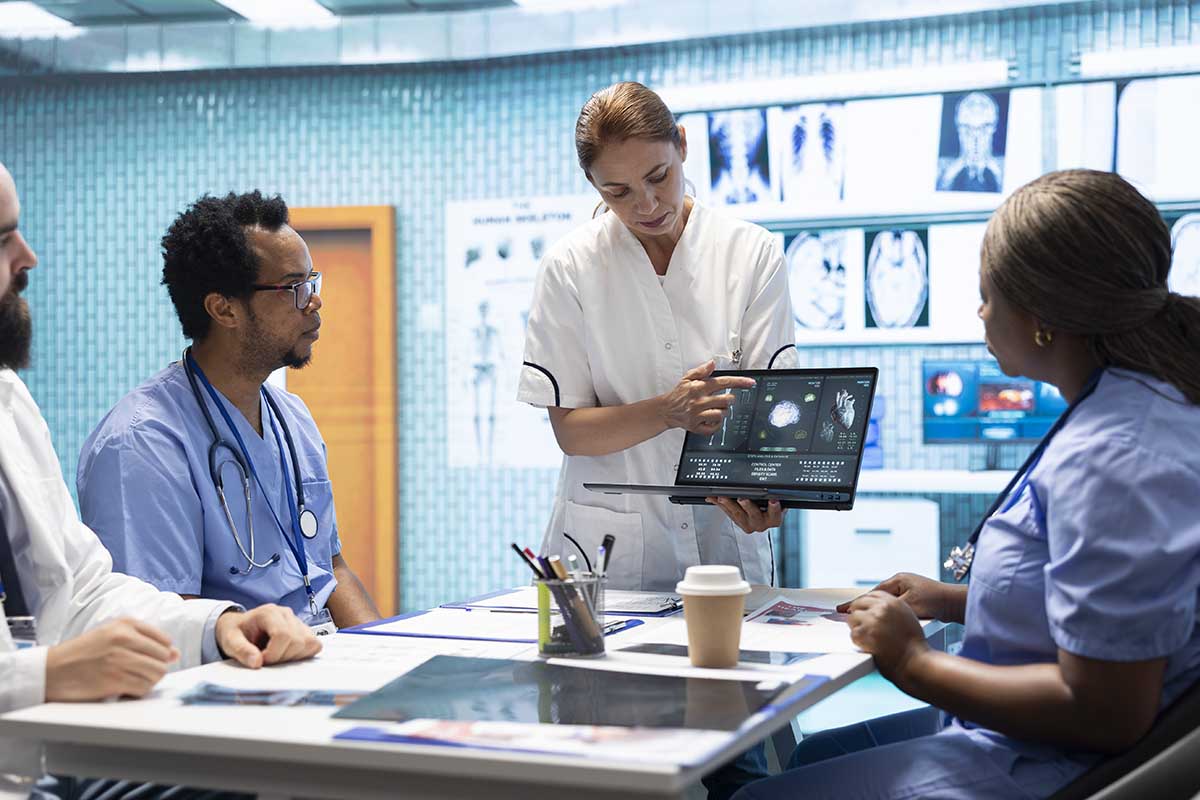
Why CME Matters in Healthcare Today
✨Key Points
- Continuing Medical Education helps healthcare professionals stay current with rapidly changing medical knowledge.
- Ongoing training can improve patient safety, treatment quality, and clinical confidence.
- CME supports both professional growth and better real-world healthcare outcomes.
Healthcare is changing faster than ever.
New treatments, updated clinical guidelines, medical technologies, and patient care standards continue to reshape how doctors, nurses, and healthcare professionals work every day.
According to the Association of American Medical Colleges and World Health Organization, ongoing education and workforce development are essential for improving patient safety, reducing medical errors, and helping healthcare systems adapt to rapidly evolving medical science.
This is why Continuing Medical Education (CME) has become far more than just a licensing requirement.
It now plays a critical role in helping healthcare professionals stay confident, informed, and prepared to provide better patient care in real-world clinical situations.
Continuing medical education can help healthcare professionals:
- Stay updated on the latest treatments, technologies, and medical research;
- Improve patient outcomes through evidence-based care;
- Reduce the risk of outdated practices and medical errors;
- Strengthen communication and clinical decision-making skills;
- Build confidence when handling complex or evolving health conditions.
For many professionals, CME also provides practical real-life benefits beyond compliance.
It can support career growth, improve workplace performance, and help healthcare providers feel more prepared in high-pressure environments where medical decisions directly affect people’s lives.
As medicine continues to evolve, continuing education helps healthcare professionals keep learning, adapting, and delivering safer, higher-quality care to patients every day.
Why Continuing Medical Education Matters in Modern Healthcare
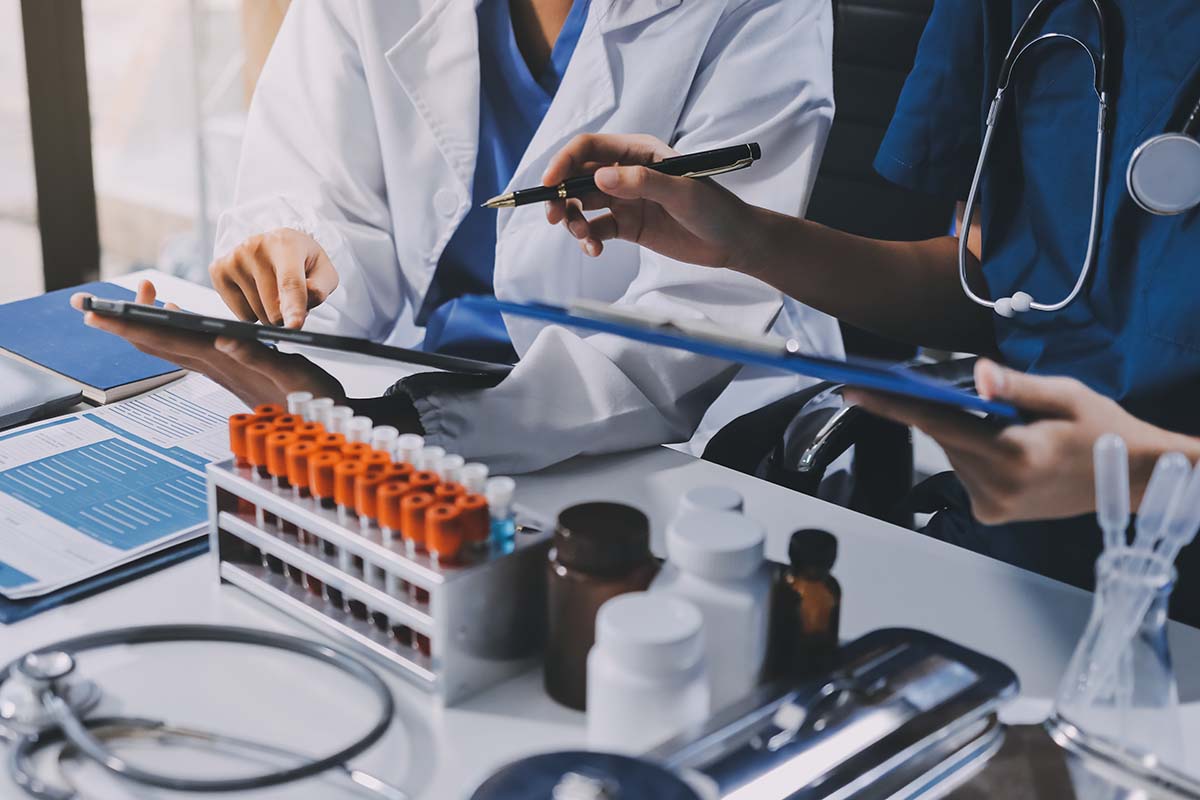
CME plays an important role in helping healthcare professionals stay up to date, improve clinical practice, and deliver safer, more effective patient care.
Bridging the Gap Between Research and Practice
One of the primary roles of continuing medical education is to serve as a link that converts complex research into practical clinical protocols.
There is often a significant “bench to bedside” lag, which is the time it takes for a laboratory breakthrough to become a standard treatment.
CME courses are designed to accelerate this process by ensuring that physicians stay up to date on the latest diagnostics, pharmaceutical advances, and evidence-based guidelines.
Without structured continuing medical education, practitioners risk relying on outdated methodologies that may no longer be the best practice.
For instance, in rapidly evolving fields like oncology or genomic medicine, a treatment plan that was revolutionary three years ago might be considered obsolete today.
CME ensures that clinicians can interpret and apply new research while protecting clinical data, helping standardize patient care and reduce harmful variations in medical practice.
Enhancing Patient Safety and Clinical Outcomes
At its core, the ultimate beneficiary of continuing medical education is the patient. CME-based programs lead to significant improvements in physician behavior and, consequently, better patient outcomes.
- Diagnostic Precision.Regular educational updates refresh a clinician’s knowledge of symptoms and the interpretation of complex clinical data, which is crucial for reducing misdiagnosis.
- Error Reduction. By highlighting new safety recommendations and teaching clinicians how to use new technologies effectively, CME helps mitigate medical errors and adverse events.
- Evidence-based Care. Structured continuing medical education has been shown to improve clinical performance, with participants demonstrating higher levels of knowledge.
This also leads to stronger adoption of best-practice behaviors compared to those without such training.
Integrating patient voices into educational content helps clinicians understand real experiences, stay aligned with the latest scientific evidence, and improve care delivery.
Navigating Technological and Digital Shifts
The digital transformation of healthcare, including the rise of Artificial Intelligence (AI), telemedicine, and Electronic Health Records (EHRs), requires a new set of technical competencies.
Current continuing medical education programs now incorporate training on AI-powered tools that analyze vast amounts of genetic information and medical imaging to support decision-making.
Furthermore, the delivery of education itself has shifted.
This digital shift allows busy healthcare professionals to access high-quality, accredited content from anywhere, overcoming the traditional barriers of time and geography.
Professional Accountability and Credibility
In most jurisdictions, continuing medical education is required for license renewal and board certification.
However, its value extends far beyond legal compliance.
Engaging in regular CME builds professional credibility and fosters trust between physicians and patients.
Additionally, CME provides opportunities for professional networking and interdisciplinary collaboration.
By connecting with peers and global opinion leaders through educational platforms, clinicians can share practical solutions to real-life challenges and further strengthen the healthcare ecosystem.
Addressing Challenges: The Future of CME
Despite its undeniable importance, implementing continuing medical education faces several hurdles.
Many general practitioners report work overload and excessive bureaucracy as significant barriers, leaving little time for deep study.
To combat this, the future of the field lies in personalized and adaptive learning.
This ensures that the time spent in education is highly efficient and directly relevant to the clinician’s daily practice.
This approach is likely to influence the future development of CME in a meaningful way.
Keep Advancing with Continuing Medical Education
The importance of continuing medical education in modern healthcare cannot be overstated.
In a field where treatments, technologies, and clinical guidelines constantly evolve, healthcare professionals must continue learning to provide safe, effective patient care.
Both continuing medical education and online nursing education help medical professionals stay current, strengthen clinical skills, and adapt to the growing demands of today’s healthcare systems.
By committing to lifelong learning, clinicians can:
- Improve patient safety and treatment quality;
- Stay updated on new medical technologies and research;
- Build confidence in fast-changing healthcare environments;
- Advance their careers more flexibly through online learning opportunities.
Platforms like Oakstone further support this journey by providing accessible educational resources for busy healthcare professionals.
In an era where healthcare continues changing rapidly, continuing medical education and online nursing education help guide clinicians toward professional growth, stronger patient care, and long-term clinical excellence.