Best Grout Colours for Kitchen Wall Tiles: Simple Ideas That Make a Big Difference
✨ Key Points
- Grout colour can completely change the look and feel of your kitchen wall tiles.
- Contrasting grout creates bold patterns, while matching grout delivers a clean, seamless finish.
- The right grout colour improves style, visual balance, and even the perception of space.
Grout is often treated as an afterthought in kitchen renovations, viewed purely as a functional necessity to hold tiles together.
However, contemporary interior design has elevated it into a primary aesthetic feature.
The right shade can transform a plain splashback into a bespoke architectural focal point, while the wrong choice can make a beautiful tile installation look chaotic or dated.
In fact, whether you are planning a complete renovation or just dealing with grimy joints, updating or changing your grout colour is one of those small home fixes with surprisingly big visual impact that completely revitalises a room.
Selecting the ideal tone requires careful consideration of contrast, maintenance, and the overall design language of your home.
Understanding Visual Contrast and Colour Theory
Before selecting a specific shade from a colour chart, it helps to understand the fundamental rules of visual structure in a space.
The core decision always comes down to harmony versus contrast.
Homeowners must ask themselves if they want the grout to disappear seamlessly into the background or if they want it to stand out as a decorative feature in its own right.
If you choose a contrasting tone, such as a deep charcoal against classic white subway tiles, you boldly outline each individual block.
This technique creates a highly structured, dynamic grid that instantly draws the eye and gives the room a sense of rhythm.
According to the Rocky Mountain College of Art and Design in their breakdown of colour theory in interior design, complementary colour styling delivers a punchy and bold high-impact look, whereas analogous colours create seamless and calming spaces.
By matching the grout closely to the tile hue, the grid lines fade away.
This creates a smooth, expansive finish that tricks the eye, making a small kitchen feel significantly larger and less cluttered.
Popular Grout Pairings for Modern Splashbacks
Recent Australian kitchen design trends have seen a significant shift away from stark, all-white palettes.
Today, there is a strong movement toward warm earthy tones and bold feature elements.
Navigating these shifting preferences means selecting a grout that enhances your overall material choices rather than competing with them.
It pays to be highly strategic, especially since investing in quality Wall Tiles For Kitchens requires a complementary finish that brings out their absolute best features.
Depending on your chosen aesthetic, there are several proven combinations that interior designers rely on to achieve a professional finish:
- White on White: This remains the ultimate choice for a crisp, minimalist aesthetic. Pairing white tiles with a matching bright white joint creates a monolithic surface that feels exceptionally hygienic and spacious. Thin grout lines are currently a prominent trend here, helping to create an almost uninterrupted surface.
- Charcoal or Black Contrast: Using dark lines with light tiles is perfect for an industrial or contemporary cafe-style kitchen. It highlights the geometric layout and, as a practical bonus, hides cooking splatters effortlessly.
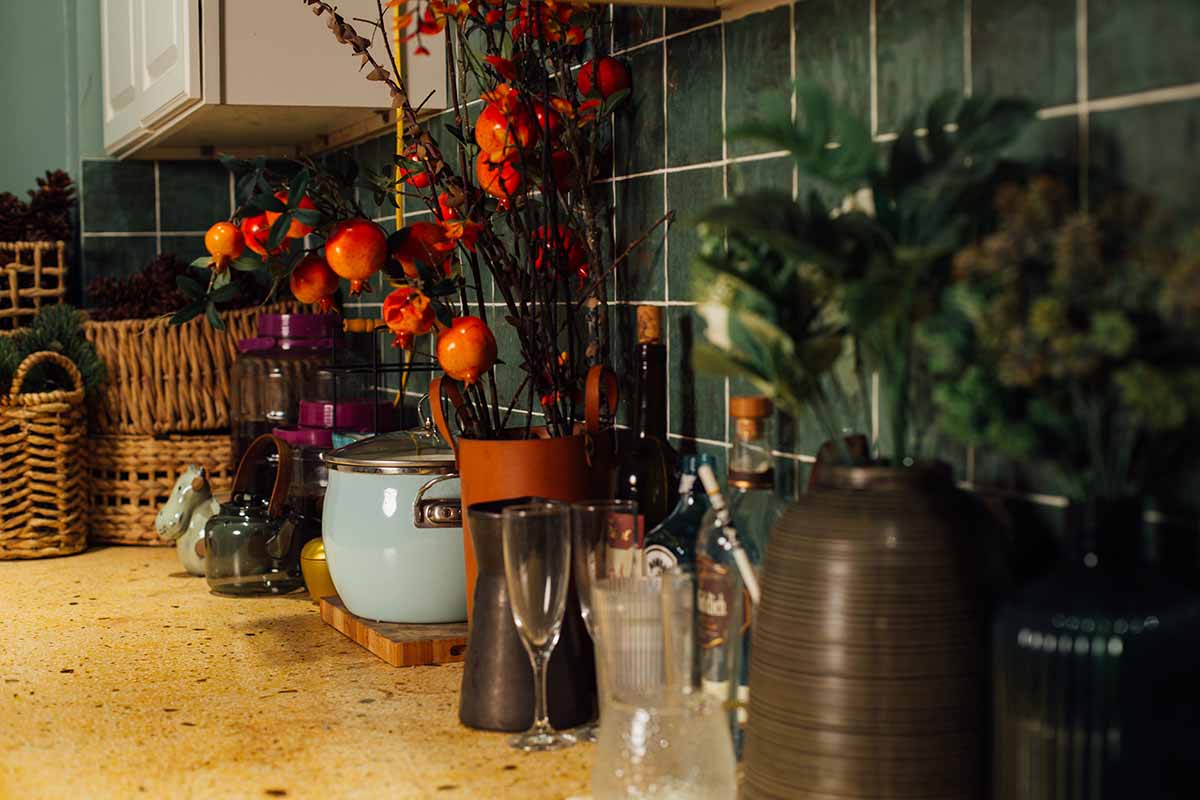
- Warm Earthy Neutrals: With the rising popularity of terracotta, sandy beige, and soft taupe finishes, matching earthy tiles with a similar tonal grout softens the entire room. This approach neutralises harsh overhead lighting and adds a welcoming, organic warmth to the home.
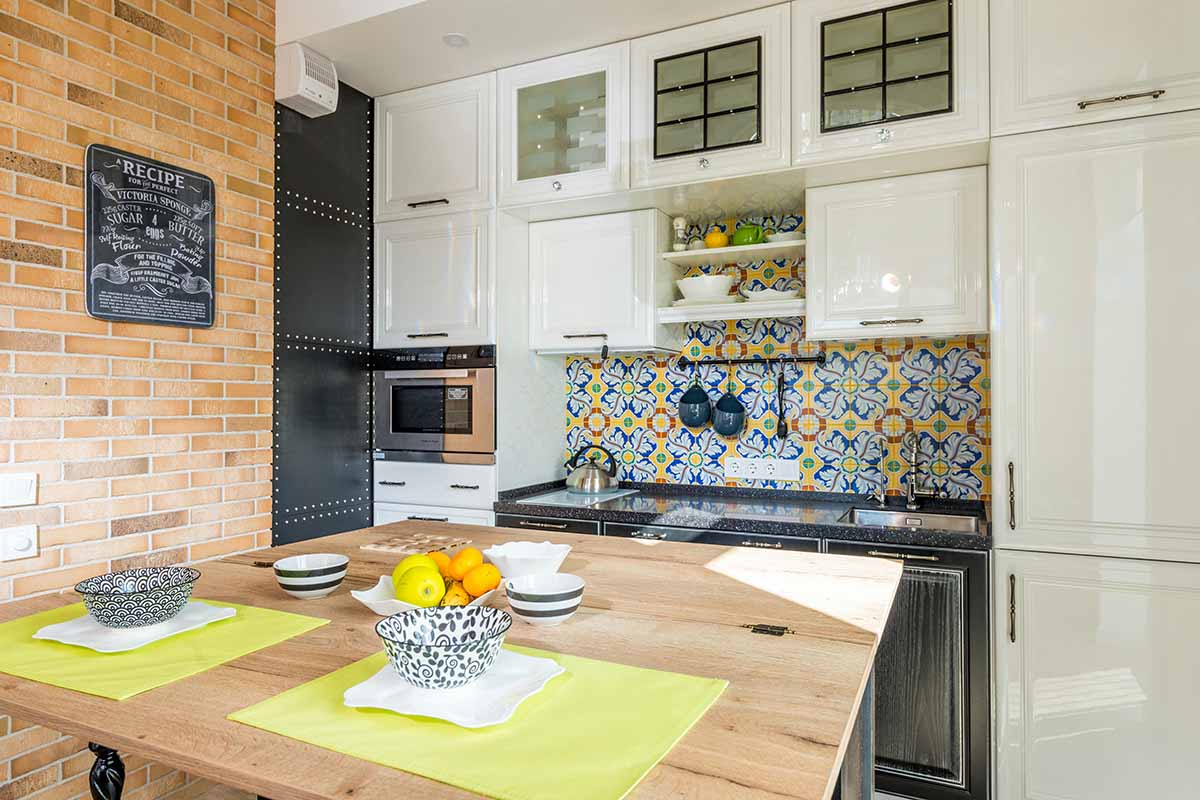
- Bold Accent Integration: Kitchen splashbacks are increasingly utilising rich accent colours, such as deep greens, navy blue, and burgundy. To let these highly pigmented tiles shine, experts suggest closely matching the grout colour to the tile face, preventing the wall from looking too busy.
- Floor to Wall Matching: A clever designer trick involves matching the splashback grout to the primary colour of your kitchen floor tiles. This establishes a strong visual connection from top to bottom, making the interior feel highly cohesive.
- Tonal Accents for Textured Tiles: For intricate shapes like modern kit-kat or finger tiles, a slightly lighter or darker shade is recommended to softly accentuate their unique architectural ridges without overwhelming the eye.
Material Considerations for High-Traffic Cooking Zones
Colour is only half the equation when planning a kitchen upgrade.
The chemical composition of the material is equally critical, particularly in wet areas and high-traffic zones behind stoves and sinks.
Traditional cementitious options have been the industry standard for decades, offering affordability and ease of application.
However, they are naturally porous.
Without regular and rigorous sealing, light-coloured cement mixtures will quickly absorb grease, oil, and acidic food splatters.
Over time, this can turn a pristine white splashback into a mottled, discoloured surface that is incredibly difficult to clean.
Because of this ongoing maintenance burden, there is a massive shift happening in the global building materials sector.
Homeowners and builders are increasingly favouring advanced epoxy formulations for kitchen splashbacks.
In fact, the global epoxy grout market is experiencing robust growth, heavily driven by consumer demand for low-maintenance, stain-resistant interiors.
The Asia-Pacific region is currently seeing rapid adoption of these premium materials due to an increase in urban home renovations that prioritise longevity.
Epoxy is naturally water-resistant, emits low volatile organic compounds, and is virtually stain-proof.
While it is slightly more complex for a tradesperson to install, it ensures that whatever colour you select will remain true, vibrant, and incredibly easy to wipe down for decades.
If you are absolutely committed to a bright white or light grey finish directly behind a busy cooktop, specifying an epoxy product (or committing to a high-quality topical sealer) will protect your investment from permanent discolouration.
Selecting the best grout colour ultimately depends on the specific atmosphere you want to cultivate in your home.
By taking the time to balance colour theory, staying aware of modern material trends, and prioritising durable solutions for cooking zones, you can create a highly functional kitchen finish that is both breathtakingly stylish and built to withstand the rigours of daily life.