OBD vs Hardwired GPS Trackers: Which Is Better?
Choosing a GPS tracking platform is only half the decision.
Power supply and installation determine whether the tracker remains connected, secure, and useful when it matters.
The need is real: 659,880 vehicles were reported stolen in the United States in 2025, one every 48 seconds, according to the National Insurance Crime Bureau.
Tracking can also help fleets confirm vehicle use, review journeys, respond to emergencies, and manage daily operations.
The two main options are:
- OBD tracker: Plugs into the diagnostic port, installs within minutes, and moves easily between compatible vehicles.
- Hardwired tracker: Connects to the electrical system and remains concealed, making accidental removal or deliberate tampering more difficult.
Both may provide live location, trip history, geofences, and alerts through the same platform.
However, features vary by device, network coverage, and subscription.
✨ Key Points
- Choose OBD for fast installation and flexibility.
- Choose hardwired for permanent, discreet fleet or security tracking.
- Confirm vehicle compatibility, data costs, privacy requirements, and professional-installation needs before buying.
The best tracker is not simply the one with the longest feature list.
It is the one that stays powered, fits the vehicle, protects location data, and solves a clearly defined problem.
What is an OBD tracker?
OBD stands for On-Board Diagnostics.
Vehicles use an OBD-II port to give technicians access to diagnostic information.
In many cars built since the mid-2000s, the port is located below the dashboard near the steering column.
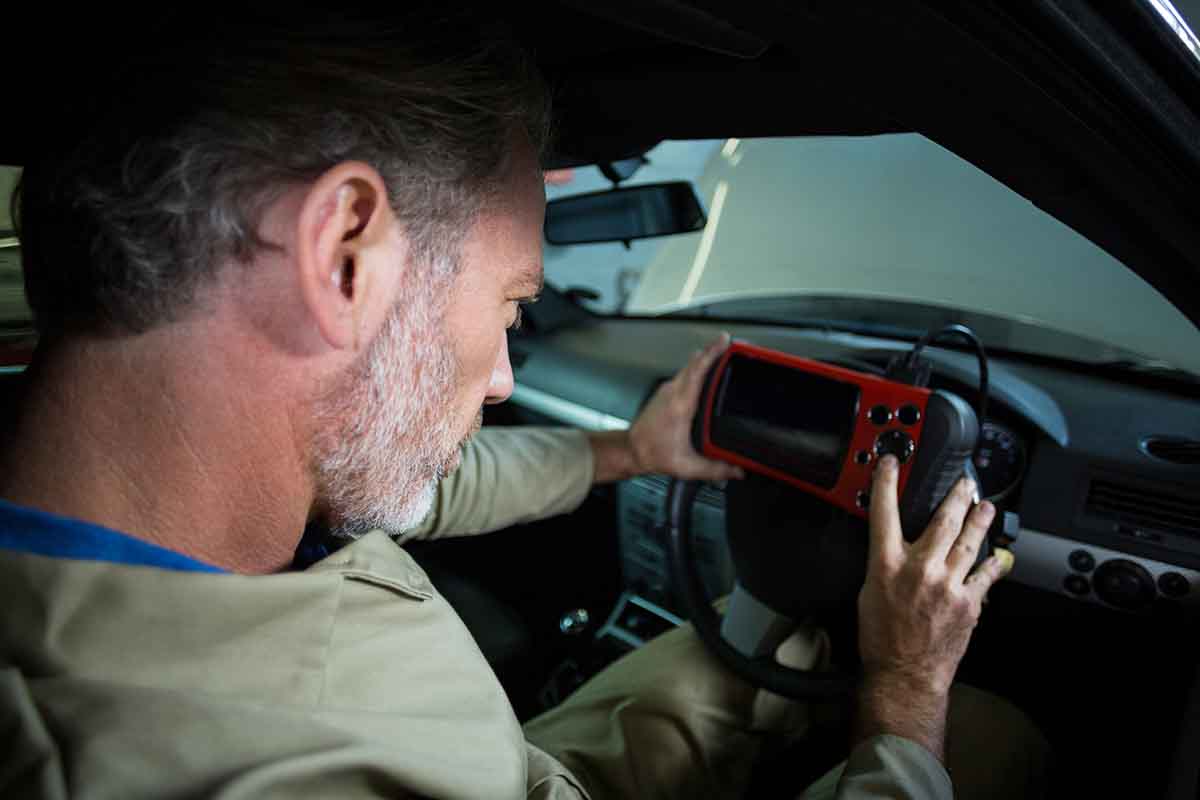
A plug-in OBD GPS tracker connects directly to this port.
Installation usually takes less than a minute and does not require a separate power cable.
Once activated, the device can calculate location and transmit records to the tracking platform.
The attraction is simplicity.
A private driver can install the device without booking an auto electrician, and a small business can deploy several units with minimal vehicle downtime.
The tracker can also be transferred to another compatible vehicle when assignments change.
Advantages of the plug-in approach
Fast installation is the clearest benefit.
There is no need to remove trim or identify wiring, which reduces labour cost and makes the device practical for a trial.
A company can test whether location data improves dispatch or security before committing to a permanent installation.
Portability also suits rental vehicles, pool cars and households that change cars regularly.
If the subscription and device can be reassigned, the owner may be able to keep the service when a vehicle is sold.
The accessible location makes troubleshooting easier.
A user can check that the device is seated correctly and move it to a known working vehicle if support asks for a basic test.
Limitations of an OBD tracker
The same accessibility can be a disadvantage.
Someone who knows where to look may be able to unplug the device.
A power-loss alert and internal backup battery can provide warning, but backup operation is normally limited and should not be treated as permanent power.
The OBD port may also be needed during servicing.
Drivers should tell the workshop that a tracker is installed and confirm that it is reconnected afterward.
In some vehicles, the position of the port can make a plug-in device visible or vulnerable to accidental contact.
Compatibility should be checked rather than assumed. Port shape, available space and vehicle electronics vary.
The provider should confirm that the model is appropriate for the vehicle and explain whether any diagnostic information is used.
What is a hardwired tracker?
A hardwired device is connected to the vehicle’s electrical system and installed behind the dashboard or in another discreet location. It remains assigned to that vehicle and starts operating whenever it receives power according to its configuration.
A hardwired GPS tracker is generally selected for fleets, trucks, work vans, machinery and higher-security applications. The hidden installation makes casual removal more difficult, while a constant electrical connection supports dependable long-term use.
Some hardwired models can support features such as ignition detection, power-disconnection alerts and an optional immobilisation output. Any connection affecting vehicle operation must be designed and installed carefully by a competent professional.
Advantages of permanent installation
Discretion is a major benefit. A thief or unauthorised user is less likely to notice a device that has been placed behind trim.
Because the tracker stays with one vehicle, historical records and maintenance reports are also less likely to be confused by unrecorded device swaps.
Hardwired units suit businesses that expect to keep assets for several years.
Once installation is documented, the vehicle can be managed consistently through its working life.
Wide-voltage hardware may also suit vans, trucks and certain powered equipment, subject to the manufacturer’s specifications.
The installation can be planned around operational risk.
A fleet may place the tracker and antenna where reception is dependable while keeping the unit out of routine view.
Limitations of the hardwired approach
Professional installation adds cost and requires scheduling.
The installer needs accurate documentation, safe access to power and a location that does not interfere with airbags, controls or other systems.
A careless installation can create electrical faults or unreliable tracking.
The device is not easily moved to another vehicle.
That is an advantage for record consistency but a disadvantage if the fleet changes vehicles frequently.
Removal and reinstallation should be treated as technical work, not an everyday transfer.
Owners should also understand standby power consumption.
A properly designed tracker uses a small amount of current, but vehicles stored for long periods may need a battery-management plan.
Installation instructions and vehicle-manufacturer guidance should be followed.
Which option suits a private car?
For many private drivers, an OBD unit is the most convenient starting point.
It can provide live location and journey information without installation labour.
It is especially suitable when the driver wants to move the tracker between cars or test the service before making a longer commitment.
A hardwired unit may be preferable for a high-value vehicle, a car parked in higher-risk locations or an owner who wants the tracker concealed.
The decision should balance convenience, security and budget rather than assuming that one installation is always superior.
Which option suits a business fleet?
Small fleets may use a mix. Pool vehicles and short-term leases can use plug-in units, while work vans and long-term assets use hardwired devices.
Keeping both device types within one software platform reduces training and reporting complexity.
Before deploying trackers, assign each device to a named vehicle and record its serial number, installation date and network.
Establish a process for replacements and transfers.
Clean asset records are essential if trip history will be used for operational analysis.
Managers should also define why tracking is being used.
Legitimate purposes can include dispatch, security, customer communication, maintenance planning and route review.
Staff need clear information about what is collected and who can access it, with appropriate advice on privacy and workplace requirements.
Compare networks and plans as well as hardware
A tracker may use satellites to calculate position, but it normally relies on a mobile network to transmit that position.
Network coverage should be checked against the routes the vehicle actually travels.
Metropolitan and regional users may have different priorities.
Buyers should compare the total package: device, SIM, data, app access, support, installation, warranty and renewal cost.
A low hardware price can be misleading if essential services are charged separately.
Conversely, a longer prepaid plan may offer value only when the buyer is confident that the device and network suit the vehicle.
A Practical Decision Checklist
Choose an OBD tracker when quick self-installation, portability and low deployment friction are the main priorities.
Choose a hardwired tracker when discreet placement, tamper resistance and a long-term vehicle assignment matter more.
Then check the details: vehicle compatibility, mobile coverage, alert behaviour, account security, backup power, app usability and support.
The best tracker is not simply the device with the longest feature list. It is the installation and service that fit naturally into the way the vehicle is owned and operated.