How Interest Rates Affect Your Spending
✨Key Points
- Spending decisions reflect both available money and expectations about future income.
- Interest rates can change whether a purchase or business investment feels manageable.
- My own borrowing decision pushed me to reconsider where I put my money and attention.
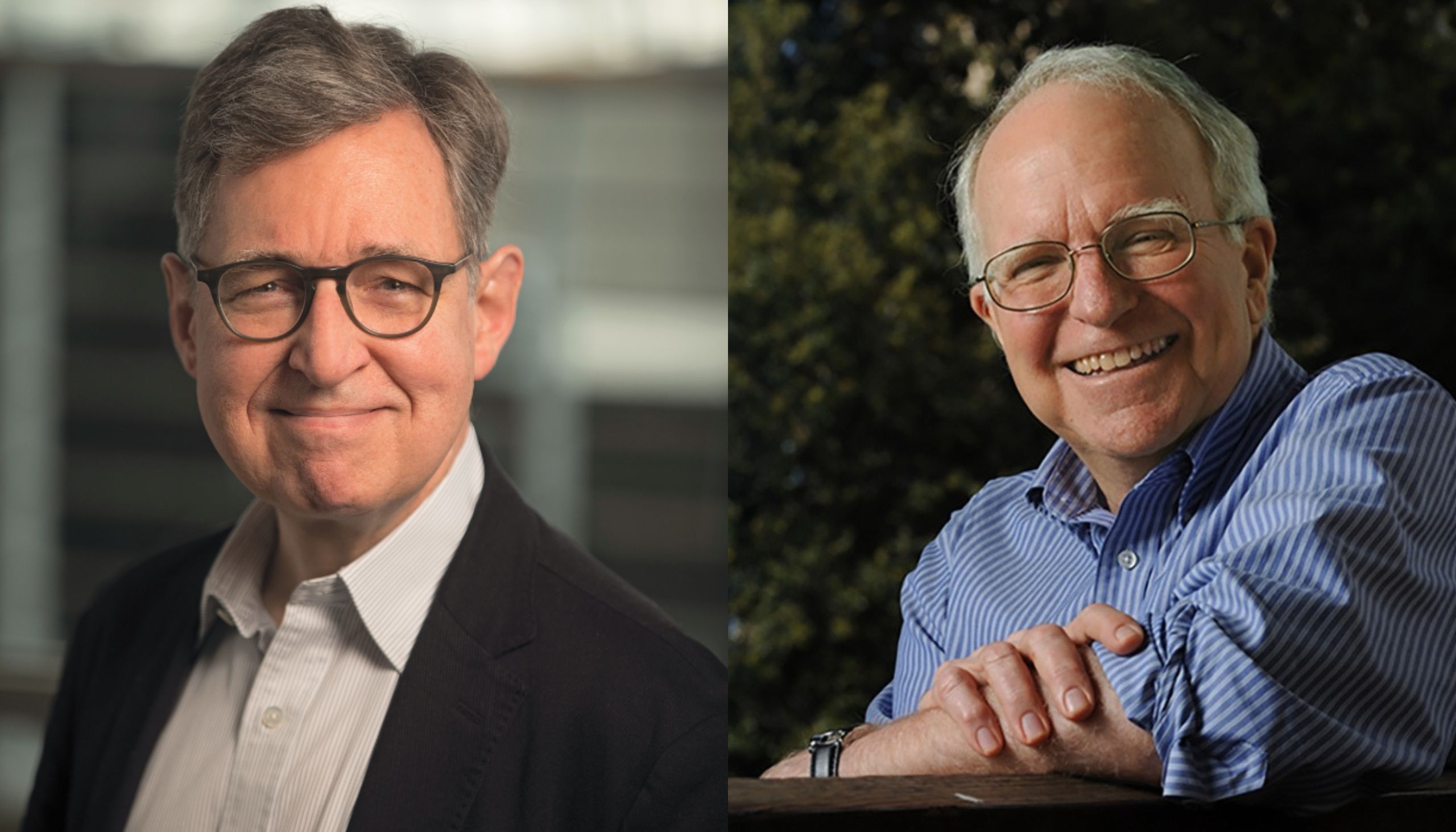
Robert Hall and Michael Woodford won the 2026 Nobel Prize in Economics for research that helps explain how the decisions of households and businesses shape the economy and how policy can help stabilize it.
Their ideas connect to two everyday questions: how we decide to spend money and how interest rates influence those decisions.
Here is what each economist helped explain:
- Hall: How expectations about future income affect what we spend today.
- Woodford: How expectations and interest-rate policy influence the wider economy.
Let’s start with Hall. His research showed that our spending depends partly on how much we expect to earn in the future.
Think about two situations:
- You get a one-time bonus. You might spend some of it, but you probably won’t commit to a more expensive lifestyle. You know that money won’t arrive every month.
- You get a permanent raise. A bigger paycheck every month might make you comfortable spending more, booking a vacation, or making a purchase you’ve been putting off.
The idea is simple, what we expect tomorrow can change how we spend today.
How I Decide Whether to Buy Something Right Now
I’m currently looking at a bag that’s trending this season and thinking about whether I want to buy it.
I like it, and as a content creator, I can already imagine how I could feature it in my content.
But before ordering, I’m considering what else I want that money to cover.
I sometimes use PayPal’s Pay in 4 option to spread out a purchase.
Having smaller payments is something I consider, but I still want to look at the full price and the expenses I’ll have while making those payments.
At the moment, a few things are influencing my decision:
- My income matters beyond what I have in my account today, because I also need to consider how much work I expect over the next few months.
- I want to develop my business, so I’m thinking about whether the money would be more useful for something that supports that work.
- Although I could feature the bag in my content, I want to be honest with myself about whether creating that content justifies the purchase.
I recently had a similar moment when I considered taking out a loan to pay off my credit card debt.
When I saw the interest rate, I decided to look more closely at my business and focus on how I could build it and bring in more work.
That experience is influencing how I’m looking at this bag.
I still like it, but I’m giving myself time to decide whether I want to spend the money now.
At this stage, I feel more motivated to work on developing my business, and I want my spending to reflect that priority.
Why Interest Rates Make Us Reconsider
Woodford studied how expectations about future interest rates influence the decisions people and businesses make today.
I can relate this to my own experience of considering a loan.
Seeing the interest rate made me think more carefully about the payments I would be committing to and what I expected to earn.
Borrowing costs can influence whether we move forward:
- A lower interest rate can make the payments on a loan or business investment easier to fit into a budget.
- A higher interest rate can lead us to delay a purchase or reconsider how much we want to borrow.
A bakery owner considering another oven might expect it to help increase sales, but still hesitate over the monthly loan payment.
A freelancer buying equipment or a family financing a car could face a similar decision.
The Federal Reserve’s interest-rate policy influences borrowing conditions across the economy.
The rate someone is actually offered also depends on the lender and their financial circumstances, so the Fed’s decisions are one part of what determines the cost.
Why I’m Focusing More on Business Development
This experience made me think more seriously about how I want to develop my business.
I want to increase the value of my brand by improving what I offer and finding ways for my work to contribute to society.
That means giving more attention to a few priorities:
- I want to create content that helps people understand something or make a decision.
- I want to develop services and products that address problems my audience actually faces.
- I want to build my skills so I can offer more value through my work.
Right now, I feel more interested in developing these ideas than spending my time relaxing or buying more things.
I want to see what I can build when I give the business more consistent attention and make better use of the experience I already have.
Why the Fed’s Words Matter Too
When people consider a mortgage or a business loan, they may also think about where interest rates are heading.
Expectations about future rates help shape longer-term borrowing costs, so the Fed’s announcements can influence financial conditions before it changes rates.
When the Fed communicates how it expects its policy to develop, economists call this forward guidance.
Another concept is the neutral rate, which helps policymakers assess whether their policy is supporting or slowing economic activity:
- A rate below neutral generally supports spending and borrowing.
- A rate above neutral generally restrains spending and borrowing.
The neutral rate changes with economic conditions and cannot be observed directly, so policymakers have to estimate it.
When Everyone Watches Everyone Else
Fed Chair Kevin Warsh has warned that the Fed and financial markets can become too dependent on each other’s signals.
He describes this as a “hall of mirrors” problem:
- Investors respond to what the Fed says about future policy.
- The Fed studies market prices to understand economic conditions.
- Those prices may already reflect investors’ reactions to the Fed’s statements, which makes them less useful as independent information.
Warsh acknowledges that forward guidance helped during the financial crisis.
However, he argues that its use should be limited in normal times because earlier commitments can make it harder to respond when conditions change.
I see a similar risk in marketing when brands follow competitors who are all reading the same trend reports.
We can end up repeating similar messages without checking whether they reflect what our customers need.
For my own brand, I want to spend more time listening to my audience and understanding their experiences before deciding what to create or offer.
What This Makes Me Think About as a Marketer
From what I see, people are responding differently to changes in work, technology, and their finances.
Some are still figuring out how those changes affect them, while others seem to be waiting for more certainty before making decisions.
I also see brands finding opportunities to grow while some business owners remain unsure about how to approach AI.
As a marketer, I want to understand how those experiences influence someone’s willingness to buy
. The same offer can raise different concerns:
- Someone expecting less income may hesitate to take on another expense.
- Someone whose priorities have changed may no longer find the offer useful.
- Someone considering a new direction may need more information before deciding whether it fits their plans.
A discount may help with the price, but it won’t necessarily address uncertainty about the purchase itself.
For my brand, this means looking more closely at what people are trying to do and where they need support.
I want to use that understanding to improve my offers and explain their value clearly, so customers have enough information to decide whether my work is useful to them.
How I Want to Move Forward
The economy goes through cycles, although each recovery or slowdown brings different circumstances.
I can’t predict exactly what comes next, but I can think more carefully about how I prepare for it.
For me, that means continuing to develop my business and create work that people find useful.
I want to put more attention into things that can strengthen it over time:
- I want to build skills that help me respond as my audience’s needs change.
- I want to create products, services, and content that make a useful contribution to people’s lives.
- I want to make spending decisions that leave room for that development.
I don’t expect every idea to succeed, and I know that effort alone cannot control the economy.
But I want to give myself more opportunities by creating, learning, and improving what I offer.
That is how I want to prepare for the future while building something I value today.