Why Weight Loss Feels Harder After 40 — and What Actually Helps
✨Key Takeaways
- Your metabolism doesn’t suddenly break after 40. Changes in muscle mass, daily activity, sleep, and hormones can make weight management feel more challenging, even when your eating habits haven’t changed much.
- Eating less isn’t always the best solution. Adequate protein, strength training, balanced meals, and better sleep can help support muscle maintenance, manage hunger, and improve overall health.
- Healthy aging is about more than the scale. Building sustainable habits can help you stay strong, active, and energized for the experiences that matter most.
What is wrong with me? Why am I trying so hard to lose weight, but nothing seems to work anymore?
You ask yourself this question again as you stand in front of the mirror, trying to button the jeans that fit perfectly a few months ago.
You’re not eating the way you did in your twenties.
You’re making an effort to take better care of yourself, and you’ve already changed so many little things.
- You’re eating smaller portions because you think cutting calories should help you lose weight.
- You’re choosing healthier breakfasts, but somehow you’re hungry again just an hour later.
- You’re trying to walk more, even when your workday leaves you exhausted.
- You’re skipping your favorite snacks, only to find yourself thinking about food all evening.
- You’re stepping on the scale every morning, hoping that today will finally be different.
And yet, your weight barely changes.
How is that even possible when you’re trying so hard?
Then you open Instagram, and another fitness influencer explains how simple weight loss after 40 can be.
She tells you to eat clean, exercise for 20 minutes, drink enough water, and get eight hours of sleep.
It sounds perfectly reasonable until you compare it with your actual life.
You have work deadlines, family responsibilities, groceries to buy, dinner to prepare, and a never-ending list of things that need your attention.
Some nights, getting seven hours of sleep feels like an achievement.
And when you’re hungry again an hour after breakfast, the last thing you need is another reminder to have more discipline.
You don’t need another perfect morning routine.
You need to understand why your body isn’t responding the way you expected.
Here’s something that might surprise you.
A major 2021 study published in Science found that metabolism, after accounting for body size and composition, remains relatively stable between approximately ages 20 and 60.
That means turning 40 doesn’t automatically cause your metabolism to slow dramatically.
So why can losing weight feel so much harder?
Your Metabolism Doesn’t Suddenly Slow Down at 40

You’ve probably heard that your metabolism falls off a cliff after 40.
But research tells a more interesting story.
A major 2021 study published in Science, examining energy expenditure across the human lifespan, found that metabolism adjusted for body size and composition remained relatively stable between ages 20 and 60.
The paradox? Your metabolism may not have dramatically changed, but your daily energy needs and habits still can.
Consider what your average day looks like now:
- More sitting: Work, commuting, and family responsibilities may leave less time for movement.
- Less muscle: Without regular resistance training, muscle mass can gradually decline.
- Less recovery: Busy schedules may make sleep and exercise less consistent.
- Different eating habits: Small changes in portions, snacks, or drinks can add up.
You might be eating similarly to how you ate at 30 while moving considerably less.
What actually helps: Look at your entire daily routine before assuming your metabolism is broken.
Research: Daily Energy Expenditure Through the Human Life Course.
You’re Trying to Lose Weight When You Should Also Be Protecting Muscle
Here’s something most weight-loss advertisements don’t emphasize:
Losing weight and improving your body composition aren’t always the same thing.
When you lose weight, some of that loss can come from muscle as well as fat. Over time, reduced muscle mass can affect strength and physical function.
That’s why the familiar strategy of eating very little and doing endless cardio may not be the most useful long-term approach.
Imagine finally reaching your target weight but feeling weaker, constantly hungry, and exhausted.
Was that really the result you wanted?
Instead, focus on protecting muscle while managing your weight:
- Eat adequate protein: Include protein-rich foods throughout the day.
- Lift something: Resistance bands, dumbbells, machines, or bodyweight exercises can help maintain strength.
- Avoid extreme restriction: Rapid weight-loss plans can make adequate nutrition harder.
- Track strength, too: Being able to carry groceries or climb stairs comfortably matters.
If your meals are low in protein, start with practical options from our guide to five foods high in protein.
Hormonal Changes May Affect Where You Store Fat
For many women, their 40s bring another frustrating experience.
The scale hasn’t changed much, but suddenly their waistline has.
Clothes fit differently. Weight seems to settle around the middle.The usual routine doesn’t seem to help.
Research suggests that menopause-related hormonal changes can influence fat distribution, particularly abdominal fat, even when overall weight changes are modest.
However, menopause isn’t the sole explanation for midlife weight gain.
Aging, physical activity, sleep, and other factors also matter.
According to the International Menopause Society’s recommendations, midlife weight gain is largely associated with aging, while declining estrogen contributes to changes in abdominal fat distribution.
The uncomfortable truth? The scale can stay similar while your body composition changes.
What can help?
- Include regular strength training.
- Maintain a nutritious, sustainable eating pattern.
- Pay attention to sleep quality.
- Discuss disruptive menopause symptoms with a healthcare professional.
- Consider waist measurements and overall health markers alongside weight.
Research: International Menopause Society recommendations.
Eating Less Can Leave You Hungrier, Not Healthier
It’s a familiar cycle.
You decide to get serious about losing weight.
You skip breakfast, eat a tiny salad for lunch, and promise yourself you’ll avoid snacks.
By 8 p.m., you’re standing in the kitchen looking for something, anything, that will make you feel satisfied.
The problem isn’t necessarily a lack of willpower. Your meals may simply not be meeting your needs.
An overly restrictive diet can be difficult to maintain, particularly when it leaves you hungry or makes everyday life more complicated.
Instead of automatically cutting more calories, consider what your meals contain.
A satisfying meal might include:
- Protein: Eggs, fish, chicken, tofu, beans, or Greek yogurt.
- Fiber: Vegetables, fruit, legumes, or whole grains.
- Healthy fats: Olive oil, nuts, seeds, or avocado.
- Appropriate portions: Enough food to support your needs without routinely exceeding them.
Your nutritional priorities may also change as you age. Our article on how to eat according to your age offers another perspective on planning meals for different life stages.
Your Sleep Schedule May Be Working Against Your Goals
You get home late, finish a few chores, scroll through your phone, and finally fall asleep around midnight.
The alarm rings at 6 a.m.
By lunchtime, you’re exhausted. By afternoon, coffee and snacks seem more appealing than a walk.
Sound familiar?
Sleep isn’t a magic weight-loss solution, but inadequate sleep can affect appetite, food choices, and the energy available for physical activity.
And for some women, night sweats or other menopause symptoms can make restful sleep more difficult.
The paradox is that you may be trying to fix your weight through food while ignoring the exhaustion shaping your food choices.
Try starting with:
- A consistent bedtime.
- Less screen time before sleep.
- A comfortable, cool bedroom.
- Regular daytime activity.
- Medical guidance for persistent sleep problems.
You don’t need a perfect routine. You need one that works often enough to make a difference.
Your Diet Might Be Too Complicated for Your Real Life
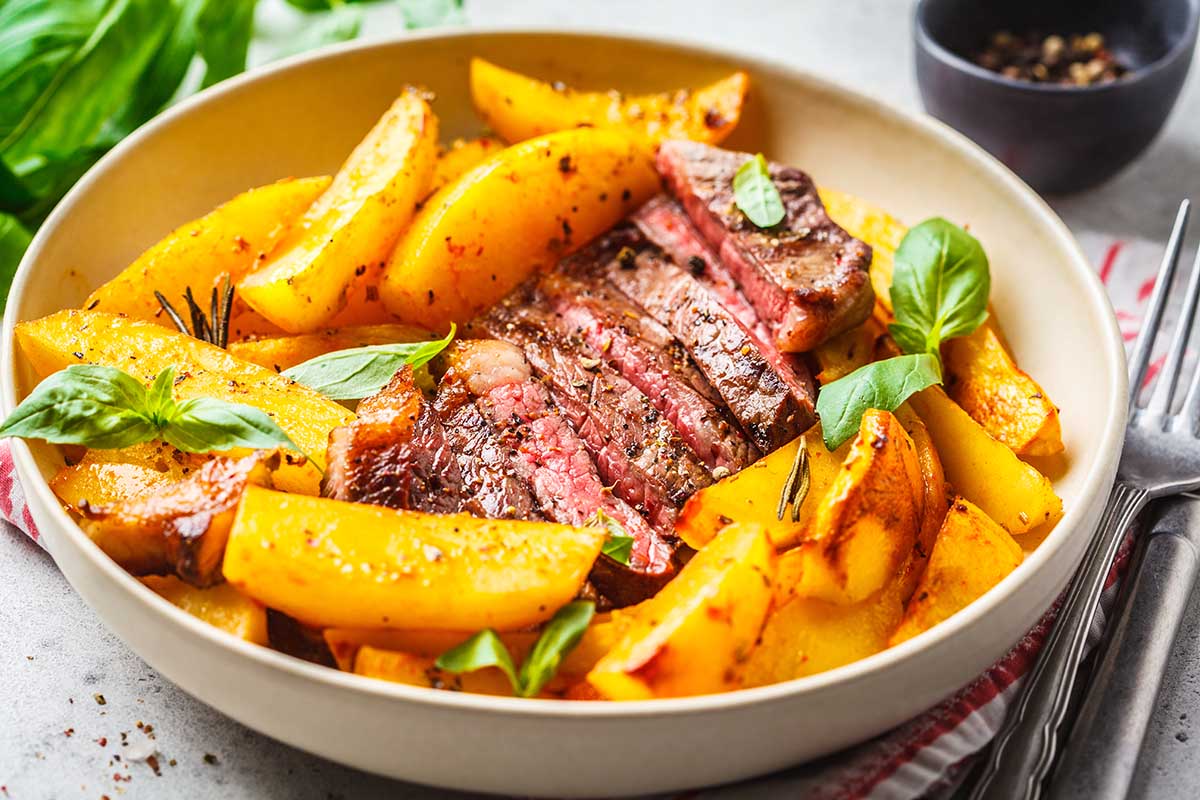
Have you ever noticed how easy it is to follow a new diet during the first few days, when you’re motivated, your refrigerator is full of healthy food, and you have enough time to prepare every meal?
Maybe you’ve already tried the keto diet, intermittent fasting, counting calories, or cutting out sugar because you hoped one of these approaches would finally help you lose weight.
At first, everything seems manageable, and you start believing that this time you’ll finally get the results you’ve been waiting for.
But then real life gets in the way, and suddenly following your diet becomes much more complicated than you expected.
You might have a birthday dinner where everyone is sharing pizza, a business trip where you can’t control the menu, or a stressful evening when you’re too exhausted to cook another perfectly balanced meal.
And when you eat something that doesn’t fit your plan, you might feel as though you’ve ruined all your progress and need to start over on Monday.
But should eating one unexpected meal really make you feel like you’ve failed at taking care of your health?
The truth is that even a well-designed eating plan can become difficult to maintain when it doesn’t leave enough room for your everyday responsibilities, social life, and personal preferences.
Research comparing different dietary approaches suggests that low-carbohydrate diets can support weight loss, but they aren’t consistently superior to other eating patterns over the long term.
What often matters is whether you can maintain an appropriate energy intake and follow the plan consistently.
If you’ve already tried keto and feel frustrated by your progress, our guide to why you may not be losing weight on keto can help you explore possible reasons before deciding that you need to restrict your food choices even further.
Instead of searching for another diet with more rules, consider whether your current eating plan actually works for the life you’re living.
- Can you enjoy dinner with your family without preparing an entirely separate meal for yourself?
- Can you travel or attend social events without worrying that one restaurant meal will undo your progress?
- Do your meals keep you satisfied, or do you find yourself thinking about your next snack shortly after eating?
- Can you maintain your eating habits during a stressful week, when you have less time and energy to plan everything?
- Can you imagine eating this way a year from now, or are you already counting the days until the diet is over?
If your eating plan only works when you have unlimited time, perfect motivation, and complete control over your schedule, it may be worth reconsidering whether it’s the right approach for you.
Because a healthier lifestyle shouldn’t require you to put your actual life on hold.
You’re Measuring Progress Only by the Scale
Have you ever spent an entire week making healthier choices, only to step on the scale and discover that your weight hasn’t changed at all?
You’ve been walking more, preparing balanced meals, drinking more water, and trying to get enough sleep because you genuinely want to feel better in your body.
But when you see the same number on the scale, you immediately start questioning everything you’ve been doing.
Why am I putting in so much effort if I’m not losing any weight?
What makes this especially frustrating is seeing someone on Instagram celebrate losing five pounds in a week while you’re struggling to lose even one.
However, there’s something important that those dramatic before-and-after posts don’t always explain.
Your weight can change from day to day even when your body fat hasn’t changed significantly.
Water retention, sodium intake, digestion, and hormonal fluctuations can all affect the number you see on the scale.
If you’ve recently started exercising, temporary changes in fluid balance can also influence your weight.
This means that one disappointing weigh-in doesn’t necessarily tell you whether your efforts are working.
Instead of judging your progress by a single number, consider what else might be changing in your everyday life.
- You may be getting stronger. Perhaps carrying groceries, climbing stairs, or lifting weights feels easier than it did a few weeks ago.
- You may have more endurance. You might notice that you can walk farther, enjoy longer hikes, or finish your usual workout without feeling as exhausted.
- Your clothes may fit differently. Changes in waist measurements or body composition can sometimes become noticeable even when your weight changes slowly.
- Your sleep may be improving. You might be waking up feeling more refreshed because you’ve started paying attention to your bedtime routine.
- Your eating habits may feel easier to maintain. Instead of constantly fighting cravings or starting another diet every Monday, you may be developing a routine that feels more natural.
Of course, these improvements don’t mean that weight management no longer matters, and they don’t replace appropriate medical assessments.
But they can help you see progress that a bathroom scale simply cannot measure.
Because after 40, wouldn’t it be better to feel stronger, have more energy, and enjoy your everyday life than to spend every morning letting a number on the scale decide how you feel about yourself?
What Actually Helps? Start With These Five Habits
You don’t need to change everything tomorrow.
Start with a few habits you can realistically repeat:
- Include protein in your meals to support muscle maintenance and satisfaction.
- Strength train regularly, starting at a level appropriate for your abilities.
- Move throughout the day, even if it’s just short walks between responsibilities.
- Prioritize sleep rather than treating exhaustion as normal.
- Choose sustainable portions and meals instead of another extreme diet.
If your weight changes unexpectedly, or you’re experiencing persistent fatigue or other concerning symptoms, speak with a healthcare professional. Medications and medical conditions can also affect weight.
The Bottom Line: After 40, It’s About More Than Losing Pounds
You probably don’t want to spend another year counting calories, feeling hungry, and wondering why your body isn’t responding the way it used to.
What you really want is to feel comfortable in your clothes, have enough energy for your family, and stay active as you get older.
Instead of chasing another quick fix, focus on what makes everyday life better:
- Eat satisfying meals that help you manage hunger without constant restriction.
- Stay active and maintain muscle so you can keep doing the things you enjoy.
- Build realistic habits that fit your schedule, not an influencer’s perfect routine.
Because after 40, real progress isn’t just about losing weight. It’s about feeling good enough in your body to enjoy your life.