5 High-Protein Foods for Muscle, Energy, and Better Meals
✨Key Points
- Best high-protein foods: Eggs, Greek yogurt, fish, lean meat, tofu, beans, and lentils provide protein with additional essential nutrients.
- High-protein foods for muscle building: Protein supports muscle repair, but resistance training, sufficient calories, carbohydrates, sleep, and recovery are also required.
- How much protein do you need daily? Protein needs depend on body weight, age, activity, training goals, pregnancy, and medical conditions.
One of the biggest challenges of eating keto is finding meals that keep you full.
Cutting carbs is one thing, but feeling hungry an hour after eating makes any diet harder to stick with.
Research suggests that protein can help.
A 2015 review published in The American Journal of Clinical Nutrition found that higher-protein meals can increase feelings of fullness and influence hormones involved in appetite regulation.
However, feeling fuller doesn’t always mean eating fewer calories later.
That’s why choosing the right high-protein keto foods matters.
Eggs, fish, chicken, Greek yogurt, and other low-carb protein sources can help you build satisfying meals without relying on endless snacks.
Here are some of the best options to add to your grocery list, plus easy ways to enjoy them.
Why Protein Matters on Keto
A ketogenic diet typically limits carbohydrates enough to encourage the body to use fat and ketones for more of its energy needs.
Protein still plays an essential role.
It helps your body maintain and repair muscle, produce enzymes and hormones, and recover after physical activity.
It can also increase feelings of fullness, which may make it easier to manage hunger between meals.
Researchers such as Dr. Stuart Phillips of McMaster University and Dr. Luc van Loon of Maastricht University have extensively studied how dietary protein supports muscle health, especially alongside exercise.
Their research highlights an important distinction: protein is necessary for muscle maintenance and growth, but eating extra protein alone doesn’t build muscle.
And when it comes to weight loss, overall calorie intake still matters, even on keto.
Eggs

Eggs are one of the easiest high-protein foods to work into a keto diet.
A large egg provides approximately 6 grams of protein and less than 1 gram of carbohydrates.
Eggs also contain choline and other essential nutrients.
They’re inexpensive, versatile, and easy to prepare.
Try scrambled eggs with spinach, a mushroom omelet, hard-boiled eggs for a quick snack, or poached eggs over sautéed greens.
For a more satisfying breakfast, pair eggs with avocado or another source of fiber and healthy fats.
Salmon and Other Fatty Fish
Salmon is a particularly useful keto food because it provides both protein and omega-3 fatty acids.
A 3-ounce serving of cooked salmon contains roughly 22 grams of protein, with virtually no carbohydrates.
Salmon also supplies vitamin B12 and other important nutrients.
Try baked salmon with roasted asparagus, salmon salad in lettuce cups, or grilled salmon with zucchini.
Sardines, trout, and mackerel are other good options.
Fish can make a satisfying meal without relying on heavy sauces or large amounts of added fat.
Chicken and Turkey
Chicken and turkey are excellent choices when you want plenty of protein without many carbohydrates.
A 3-ounce serving of cooked chicken breast provides approximately 26 grams of protein.
These foods are especially useful because you can adjust the amount and type of fat you add based on your preferences and nutritional goals.
Try chicken salad with avocado, turkey lettuce wraps, grilled chicken with broccoli, or roasted chicken thighs with cauliflower.
Watch out for breaded meats and sweet marinades, which may add more carbohydrates than expected.
Almonds and Other Low-Carb Nuts

Nuts are convenient when you need something quick between meals.
They provide a combination of fat, fiber, and some protein, although they’re generally not as protein-dense as eggs, fish, or lean meat.
Almonds are a particularly practical option.
A 1-ounce serving contains approximately 6 grams of protein, along with fiber and healthy fats.
Walnuts, pecans, and macadamia nuts can also fit into keto, although their protein amounts vary.
Portion size matters because nuts are calorie-dense, and it’s easy to eat several servings without noticing.
Choose unsweetened varieties and avoid nuts coated in honey or sugar.
Tofu
You don’t have to rely entirely on animal products to get protein on keto.
Firm tofu is a versatile plant-based option that can be relatively low in carbohydrates, depending on the product.
It works well in stir-fries, salads, and skillet meals.
Try crispy tofu with mushrooms, tofu scrambled with spinach, or baked tofu served with cauliflower rice.
Tofu also provides an alternative for people who want more variety in their protein sources.
Cottage Cheese
Cottage cheese is another protein-rich dairy option that can work on keto in moderate portions.
Depending on the brand, half a cup may provide around 12–14 grams of protein.
It also contains some carbohydrates from lactose, so check the label and account for your serving size.
For a savory snack, try cottage cheese with cucumber, black pepper, and fresh herbs.
You can also pair it with a small portion of berries or chopped nuts.
Plain Greek Yogurt

Greek yogurt is a convenient way to add protein to breakfast or a snack without cooking.
A typical serving of plain Greek yogurt can provide around 15–20 grams of protein, depending on the brand and portion size.
However, Greek yogurt contains natural milk sugars, so its carbohydrate content matters on keto.
Choose plain, unsweetened varieties and check the nutrition label rather than assuming every Greek yogurt is low-carb.
Add a few raspberries, chia seeds, or chopped walnuts for extra texture and fiber.
Avoid flavored yogurts with added sugar, which can contain considerably more carbohydrates.
Broccoli and Other Low-Carb Vegetables

Broccoli isn’t a major protein source compared with meat, fish, eggs, or tofu.
Still, it deserves a place on a high-protein keto plate.
A cup of raw chopped broccoli contains approximately 2–3 grams of protein, along with fiber, vitamin C, and vitamin K.
Fiber adds volume to meals and can help support fullness and digestive health.
Pair broccoli with chicken, salmon, eggs, or tofu rather than relying on vegetables alone to meet your protein needs.
Cauliflower, spinach, zucchini, and asparagus are other useful low-carb choices.
Ezekiel Break

The next time you’re in the grocery store, check out the frozen section and hunt down the Ezekiel bread.
It’s a type of bread that won’t put you into a carb coma.
It’s made of sprouted whole grains and legumes, including barley, lentils, and soybeans.
You’re also going to benefit from a healthy dose of fiber and each slice only contains 80 calories.
How to Build a Keto Meal That Keeps You Full
You don’t need a complicated recipe to put together a satisfying keto meal.
Start with a substantial protein source, add low-carb vegetables, and include a reasonable amount of healthy fat.
For example:
- Breakfast: Scrambled eggs with spinach and avocado.
- Lunch: Chicken salad with cucumber, leafy greens, and olive oil dressing.
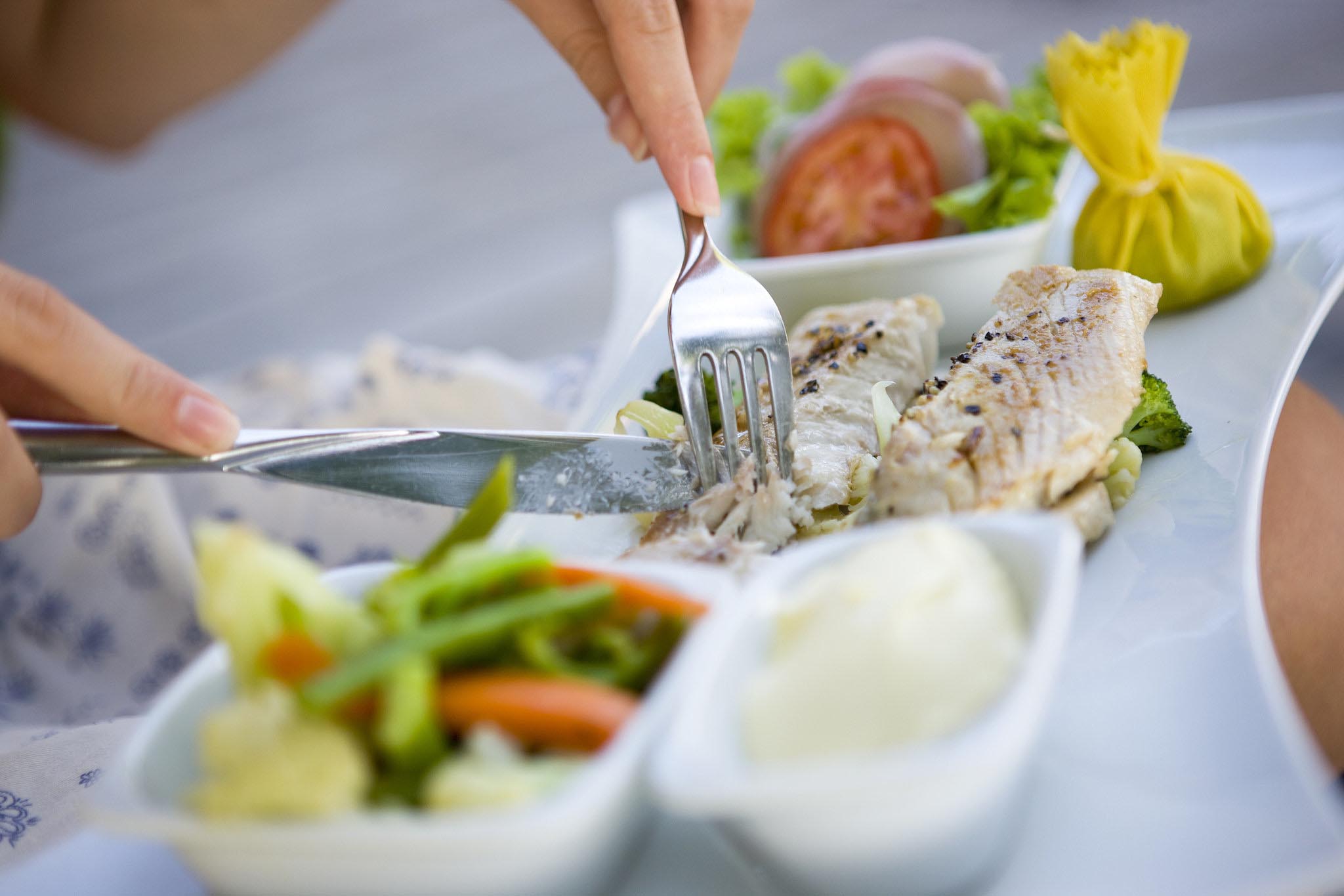
- Dinner: Baked salmon with broccoli and roasted cauliflower.
- Snack: Plain Greek yogurt with chia seeds or a small portion of almonds.
The combination of protein, fiber, and fat can help make meals more satisfying.
Remember that keto doesn’t require adding unlimited butter, cheese, or oil to everything.
Fat is calorie-dense, and portions still matter if weight loss is your goal.
How Much Protein Do You Need on Keto?

Protein needs depend on factors such as body weight, age, activity level, and health goals.
Many physically active adults aim for approximately 1.2–1.6 grams of protein per kilogram of body weight per day, while some athletes may need more.
However, there is no single protein target that works for everyone on keto.
People who exercise regularly or want to preserve muscle while losing weight may benefit from higher protein intake than the basic recommended dietary allowance.
It’s also worth remembering that very large amounts of protein aren’t necessarily better.
A balanced eating plan should leave room for vegetables, healthy fats, and other nutrient-rich foods that fit your carbohydrate goals.
If you have kidney disease, liver disease, or another condition affecting your nutritional needs, consult a qualified healthcare professional before significantly changing your protein intake.
Do High-Protein Keto Foods Help With Weight Loss?
They can, but not simply because they’re high in protein.
Protein-rich meals may help you feel satisfied for longer, making it easier to avoid unnecessary snacking or manage portions.
Protein also helps preserve muscle during weight loss, particularly when combined with resistance training.
But losing body fat still depends on your overall energy balance.
A keto diet doesn’t automatically produce weight loss, and eating high-protein foods won’t compensate for consistently consuming more calories than your body needs.
Sleep, physical activity, and sustainable eating habits all play a role.
Start With Foods You’ll Actually Enjoy Eating
The best high-protein keto foods aren’t necessarily the most expensive products or the ones with the biggest protein numbers on the label.
They’re the foods you enjoy, can prepare regularly, and find genuinely satisfying.
Eggs, fish, chicken, Greek yogurt, tofu, nuts, and low-carb vegetables give you plenty of ways to build meals without getting bored.
Start with a few favorites, experiment with simple combinations, and pay attention to how satisfied you feel after eating.
A keto eating plan is much easier to maintain when you’re not spending the entire day thinking about your next meal.