How to Buy a Used Car: Buying Tips For Beginners
✨ Key Points
- Never rely on the seller’s word alone when it comes to mileage. Mileage can be misleading, and dishonest sellers may hide or alter information. Always verify it with official documents.
- Check the Certificate of Authenticity to confirm the car’s true age. This document shows the vehicle’s original manufacturing date, helping you spot red flags like mismatched mileage or possible odometer rollback.
- Always request the paperwork directly from the dealer — hesitation is a warning sign. A trustworthy seller will have all documents ready. Missing or “lost” paperwork often means the car has a history they don’t want you to see.
Buying a used car is one of those things that sounds simple, but you and I both know it can go wrong fast if you don’t know what you’re doing.
I’ve seen too many people rush in, fall for a “great deal,” and then suddenly realize they overpaid, or even worse — the car had hidden problems the seller conveniently forgot to mention.
That’s exactly why I always tell people: Carantee is the smartest way to get informed before you hand over any money.
It helps you avoid the three big nightmares every used-car buyer secretly worries about — getting scammed, buying a car with mechanical issues that show up a week later, or ending up with a vehicle that has a messy history (accidents, flood damage, repossession… you name it).
Austin has tons of used cars, but not all of them are worth your time or your money.
And honestly, without the right info, it’s way too easy to pay thousands more than you should.
So if you’re wondering what to look for when shopping for used cars in Austin, here are the tips you actually need — the ones that protect your wallet, your nerves, and your sanity.
Verify the vehicle history
Check the vehicle’s history online or through a trusted dealer before you get too excited about any used car — especially if you’re exploring options like buying stolen and recovered cars at auction, where the past matters even more.
A quick history check will show you if the car had previous damage, insurance claims, or major issues you need to know about.
It’ll also tell you whether the vehicle had any recalls, which can save you from unexpected repairs later.
Check the car Mileage and Certificate of Authenticity
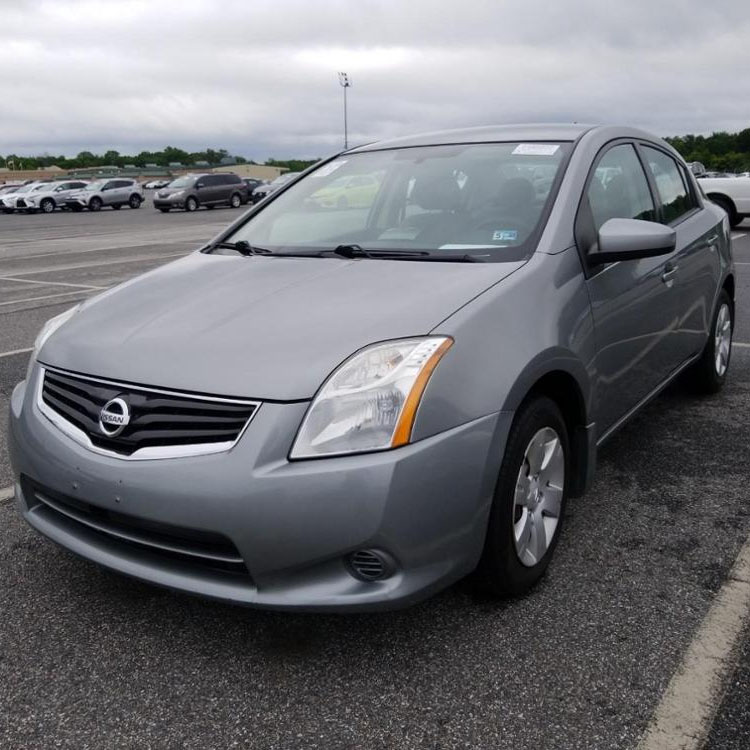
Mileage can tell you a lot about a car’s past, but don’t rely only on what the seller says — this is where many buyers get burned.
A car can look clean on the outside and still have lived a very long, very hard life.
To protect yourself, always check the Certificate of Authenticity or the equivalent document that shows the vehicle’s original manufacturing date.
This helps you spot situations where the mileage doesn’t quite match the car’s age — a classic red flag for tampering or odometer rollback.
The dealer should have this paperwork ready, and if they hesitate or say they “can’t find it,” that’s a sign to slow down, ask more questions, or walk away.
✨Your goal is simple: avoid surprises and make sure you’re not paying good money for a car with a hidden past.
If you want, I can help you rewrite the whole article in this style.
Check the vehicle’s title
A title is a document that identifies the owner and the vehicle. It also states any damages or debts that are on the car.
The title should be clean and paid. If it isn’t, the owner might end up having to pay an extra fee for the car to be released.
Pay close attention to the car’s service history if there is one
If the car has gone through regular servicing, it should have records stating when it was serviced and who serviced it.
Check if the records are consistent with the condition of the vehicle. A car kept in tip-top shape will last longer and have fewer problems in the future.
It can’t be stressed enough how vital regular maintenance is for a car. Buying a well-maintained vehicle is the surest way to have a reliable vehicle.
You don’t want to buy something that hasn’t been adequately maintained because it will cause you plenty of headaches down the road.
All cars need routine maintenance, and anyone who doesn’t do this regularly will have car problems.
In addition, it tells a lot about the previous owner of the vehicle if they didn’t take it in for routine checkups.
Take the car for an extended test drive to see how it runs
You should take the vehicle for a thorough test drive to check if it performs well.
Check to see if the car accelerates smoothly, if the brakes work correctly, and more.
Check if the adjustments on the dashboard all work, such as headlights, wipers, and horns.
Also, try out the accessories of the car, such as air conditioning and radio.
Don’t buy if you can’t afford
If you plan to purchase a used car, you should check first if you have enough money to buy one.
You should be able to buy the car and maintain it for at least six months. You can’t buy a car if you already have several bills overdue.
You don’t want to ruin your credit because you purchased a car that you can’t pay for. So, if you’re struggling financially, pay off some other bills and then go to the car lot and get yourself some new transportation.