Indoor vs. Outdoor: Which Plants Grow Where?
✨ Key Points
- Indoor plants grow best when their light, humidity, temperature, and available space match their natural requirements. A plant labeled “indoor” will not thrive automatically in every room.
- Outdoor plant success depends heavily on climate, sunlight, soil drainage, and hardiness zone. Plants that flourish outdoors in a warm region may not survive winter in a colder location.
- Some plants can grow indoors and outdoors, but their care requirements change with the environment. Monstera, begonias, canna lilies, strawberries, and roses need different light, water, space, and seasonal protection depending on where they are grown.
Taking care of plants and other greenery can be rewarding.
Plants can add color and character to a home, encourage a relaxing daily routine, and make indoor and outdoor spaces feel more inviting.
However, new gardeners may struggle to determine which plants can grow indoors, which belong outside, and which can adapt to both environments.
The answer depends on more than the plant’s name.
Before purchasing seeds or live plants, consider:
- Available sunlight;
- Average temperature and humidity;
- Local climate and seasonal frost;
- Soil type and drainage;
- Container size;
- Watering requirements;
- Available growing space;
- Safety around children and pets.
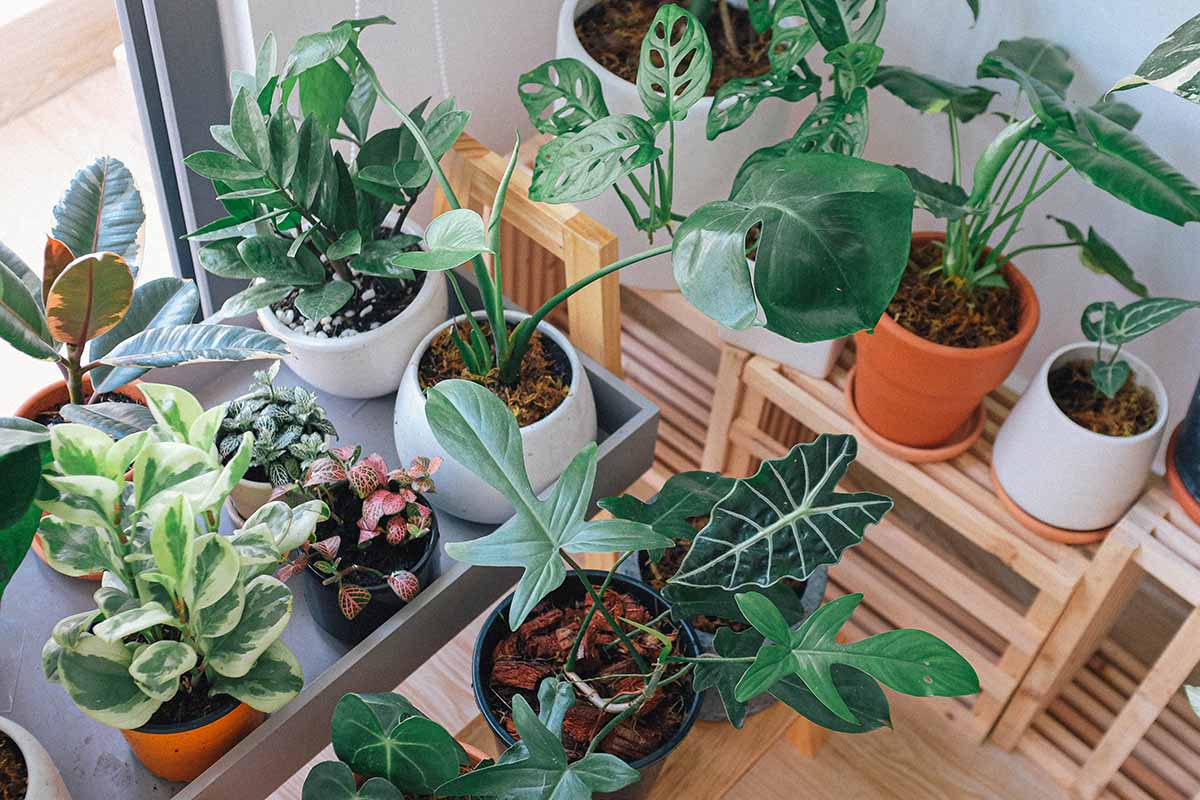
Plants such as the Monstera plant, canna lily, strawberry, rose, and begonia may grow indoors or outdoors under the right conditions.
However, that does not mean they will thrive equally well in every location.
For example, Monstera is commonly grown as a houseplant but may live outdoors year-round only in warm, frost-free climates.
Canna lilies generally perform best outside with warmth and abundant sunlight, while begonias vary considerably by type.
Strawberries and roses can grow in containers indoors, but they usually require substantial direct light, sufficient space, airflow, and careful maintenance to produce healthy flowers or fruit.
Other plants are better suited exclusively, or primarily, to one environment.
Outdoor plants may need seasonal temperature changes, pollinators, intense sunlight, or more root space than a typical home provides.
Indoor plants are often selected because they tolerate stable temperatures and lower light, although they still require appropriate care.
Research each plant’s mature size, light requirements, watering schedule, temperature range, and possible toxicity before bringing it home.
Outdoor gardeners should also check the plant’s recommended USDA hardiness zone, while indoor gardeners should evaluate the direction and duration of light entering each room.
If you want to add greenery to your home, this guide explains which plants grow best indoors, which thrive outdoors, and which can adapt to both.
It also covers important care requirements and where to buy rare plants online responsibly.
What Are the Best Indoor Plants?
Although plants and flowers are often associated with outdoor gardens, many varieties can thrive inside the home.
The best indoor plant depends on your available light, space, temperature, humidity, experience, and whether you have children or pets.
Popular options include:
- Spider plants: Their arching lime-green foliage and relatively simple care requirements make them a practical choice for beginners.
- Snake plants: These hardy plants tolerate inconsistent watering and a range of indoor light conditions. They are often promoted as air-purifying plants, but the EPA says an ordinary number of houseplants will not remove significant amounts of indoor pollution. Plants should complement—not replace—ventilation and proper air-quality control.
- Pygmy date palms: These larger floor plants add height and tropical character but require sufficient light, humidity, and growing space.
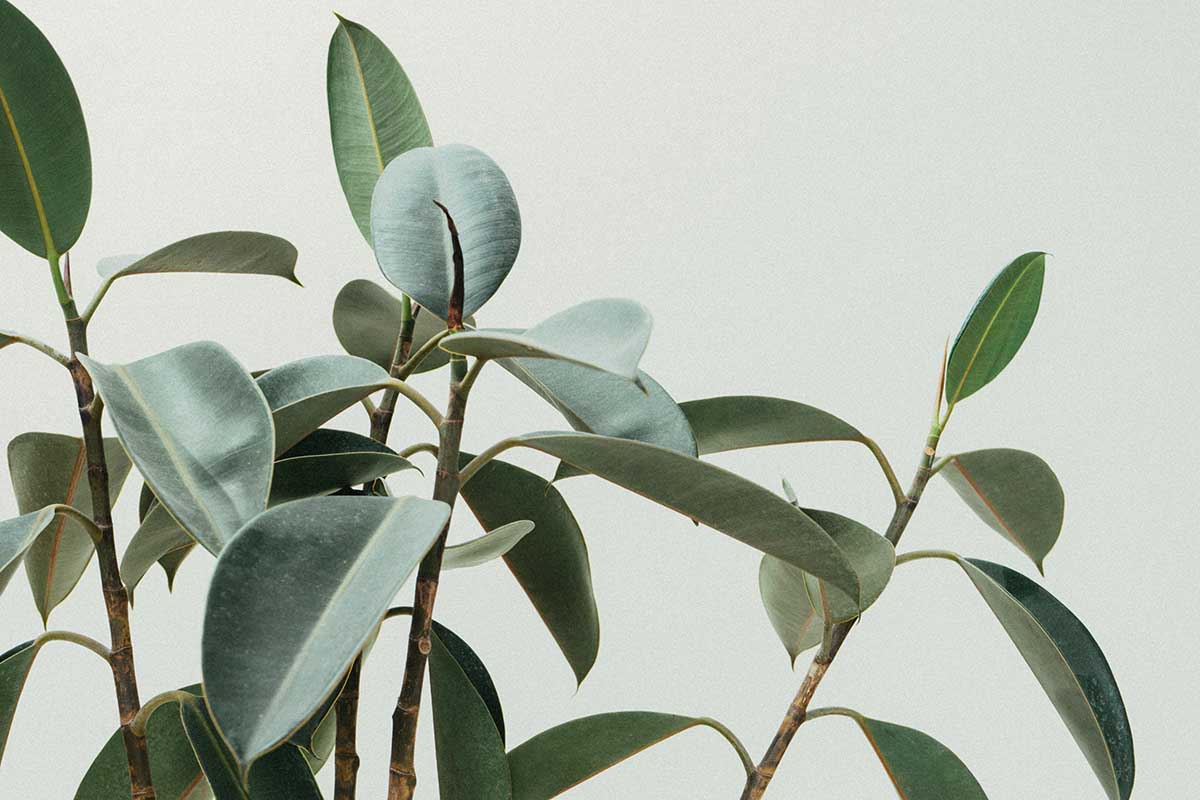
- Fiddle-leaf figs: Their large leaves create a dramatic focal point, although they can be sensitive to changing light, drafts, overwatering, and relocation.
Check plant toxicity before choosing a location, particularly if you have pets or young children. Snake plants, fiddle-leaf figs, and some palms may require additional precautions.
In areas where home cultivation is permitted, cannabis can also be grown indoors.
Compared with outdoor cultivation, an indoor setup provides greater control over light cycles, temperature, humidity, airflow, and privacy.
However, purchasing, possessing, germinating, and cultivating cannabis seeds are legally distinct activities.
Federal, state, and local rules can differ and may change, so growers should verify current laws before buying or germinating seeds rather than assuming that seed ownership automatically permits cultivation.
When growing cannabis legally, take time to research the best seed banks.
Seed quality and strain selection can significantly affect plant size, growing requirements, flowering time, and the final harvest.
Before ordering, compare:
- Seed-bank reputation and independent reviews;
- Available strains and verified genetics;
- Shipping restrictions and privacy policies;
- Germination or replacement guarantees;
- Debit-card, credit-card, and cryptocurrency payment options;
- Free-seed and free-shipping promotions.
Whether you choose a spider plant, snake plant, pygmy date palm, fiddle-leaf fig, or a legally permitted cannabis plant, select a variety that realistically matches your home and the level of care you can provide.
What Plants Will Thrive in Your Outdoor Space?
Outdoor planting offers numerous possibilities, so first decide what kind of garden or green space you want to create.
Begin by checking:
- Daily sunlight
- Soil quality and drainage
- Local climate and hardiness zone
- Available growing space
- Water and maintenance requirements
Daffodils and impatiens are relatively easy to grow and can add bright color, although they prefer different conditions.
Daffodils generally grow well in sun or partial shade, while impatiens typically prefer partial shade and regular moisture.
If you want a tree, the sunburst honeylocust is both attractive and beginner-friendly.
However, make sure you have enough room for its mature height and root system.
Foliage plants such as lamb’s ear are also ideal for outdoor spaces.
Ornamental grasses such as blue fescue add texture and are traditionally low-maintenance, but blue fescue requires full sun and well-draining soil.
Always research a plant’s care requirements before purchasing it. You do not want to spend money on something that cannot grow successfully in your climate or garden conditions.
Benefits of Creating an Outdoor Garden
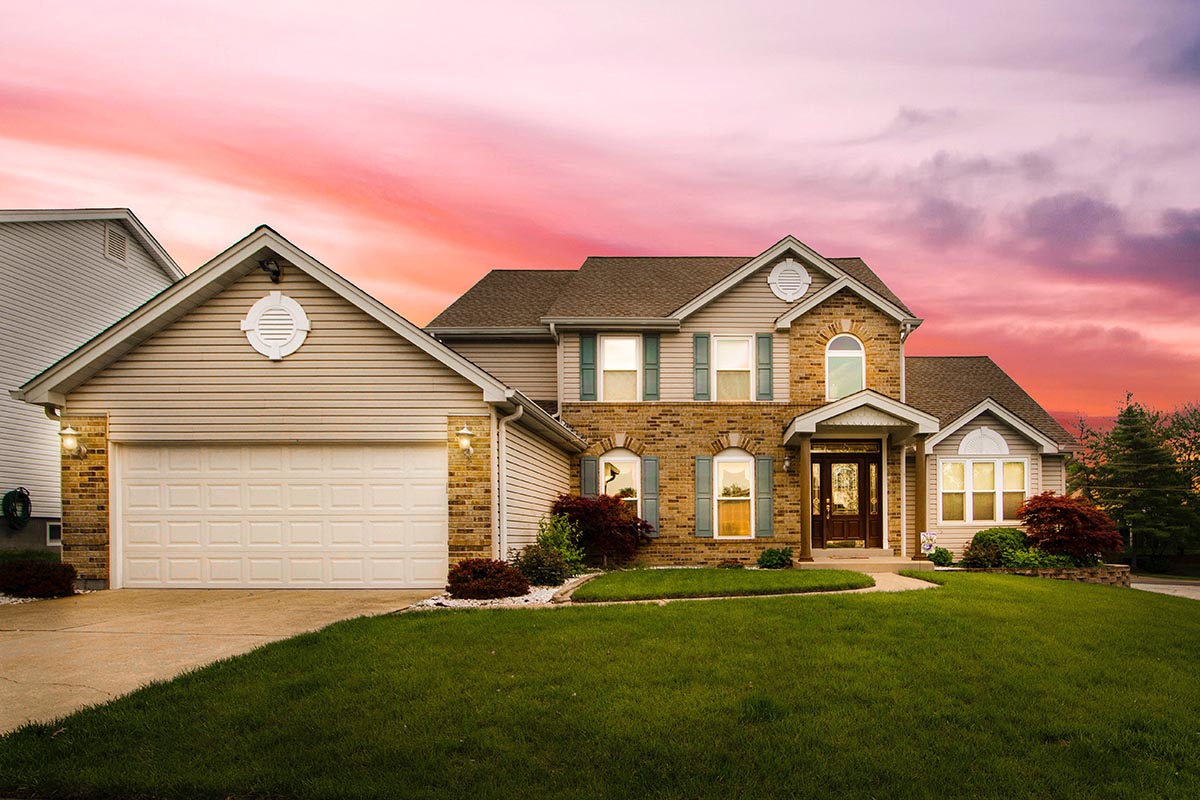
One benefit of improving the exterior of your home is stronger curb appeal.
Even if you are not currently considering selling, thoughtful landscaping can make the property more attractive and may support its value.
Outdoor gardening can also provide practical personal benefits:
- Encourages more time outside;
- Creates a relaxing daily routine;
- Makes the home feel more welcoming;
- Produces visible, rewarding results;
- Provides habitat for pollinators when suitable plants are chosen;
Gardening is a favorite hobby for many people because it can be relaxing while delivering tangible benefits.
There is still plenty to learn, especially if you do not have a green thumb.
Fortunately, reliable information and inspiration are easy to find online.
Create an indoor and outdoor planting plan suited to your home, climate, and experience.
Gardening becomes far more enjoyable when you know where each plant belongs and understand how to care for it.