Dry vs. Wet Dog Food: Which is Best?
You pick up a bag of dry dog food and see 25% protein.
Then you check a can of wet food and it says 8%. Easy decision, right? Not quite.
The big difference is water. According to the FDA, canned pet food is typically 75–78% moisture, while dry food contains around 10–12%.
So those protein numbers on the labels can’t be compared directly.
Once moisture is taken out of the equation, the nutritional picture can look very different.
That’s also why there isn’t one winner in the dry vs. wet dog food debate.
What works best depends on your dog and your everyday routine.
Here are the differences that actually matter:
- Wet food provides more moisture, which can be useful for dogs that don’t drink much.
- Dry food is easier to store and portion, especially if you’re feeding a larger dog.
- Wet food can be more appealing to picky eaters or dogs with reduced appetite.
- Calories can differ considerably, so compare feeding amounts rather than matching bowl size.
- Your dog’s age and health matter, particularly when weight, chewing difficulties, or food allergy in your dog are involved.
And before getting lost in ingredient lists and claims on the front of the package, start with how to select the food for your dog: look for food that is complete and balanced for your dog’s life stage, then consider which format actually fits their needs.
Dry, wet, or a combination of both can work.
he important part is understanding what you’re actually putting in the bowl rather than assuming a can or bag is automatically better.
What Is Dry Dog Food?
Dry dog food, also known as kibble, is a type of dog food that is made up of dry pellets or flakes.
It is typically made from meat, grains, and vegetables and then shaped into small bites. Dry dog food can be stored at room temperature and does not require refrigeration.
What Is Wet Dog Food?
Wet dog food, also known as canned dog food, is a type of dog food made up of wet ingredients such as meats, poultry, or fish.
Wet dog foods are usually high in moisture content and contain more animal-based proteins than dry foods.
Wet dog foods are often softer in texture and may be easier for your dog to eat if they have trouble chewing dry kibble.
This dog food typically needs to be refrigerated and has a shorter shelf life than dry food.
What Are the Benefits of Dry Dog Food Compared to Wet Dog Food?
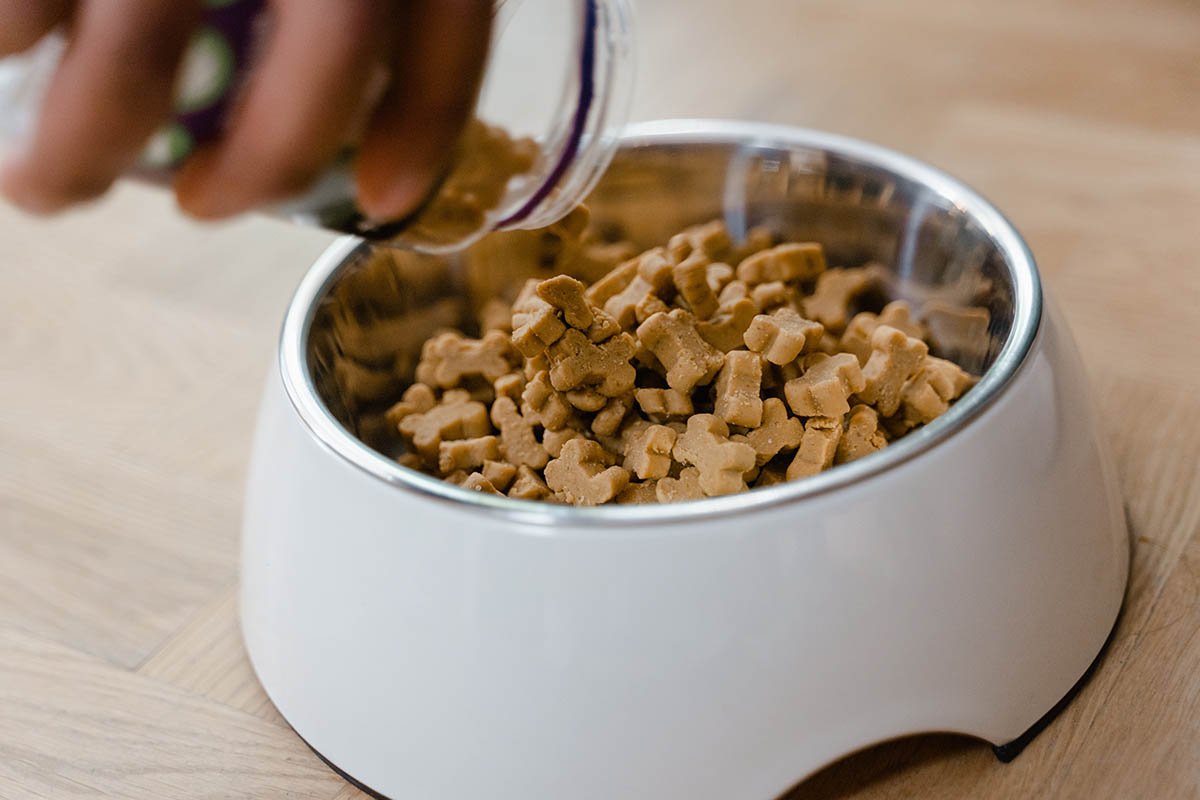
A few key benefits of dry dog food make it a popular choice among pet parents.
- Dry dog food is typically more affordable than wet dog food.
- Dry dog food does not require refrigeration, making it more convenient to store.
- Dry dog food has a longer shelf life than wet dog food.
Reversed now, there are also benefits that dog owners will comment that wet dog foods have over dry varieties. These include:
- Wet dog foods often contain more animal-based proteins than dry foods. This can be beneficial for dogs who need to gain weight or build muscle mass.
- Wet dog foods are typically softer in texture, which may be easier for your dog to eat if they have trouble chewing dry kibble.
- Wet dog food typically has a shorter shelf life than dry food. This means that it is often fresher and more nutrient-dense than dry food.
So, Which Is the Best Type of Dog Food?
The best type of dog food for your pup will ultimately depend on their individual needs and preferences.
If you are looking for an affordable option with a long shelf life, dry dog food may be the best choice.
However, if you are concerned about your dog getting enough animal-based proteins or if they have trouble chewing dry kibble, wet dog food may be a better option.
Talk to your veterinarian about
How Much Should You Feed Your Dog Each Day?
The amount of food you should feed your dog each day will depend on their age, activity level, and weight.
Puppies and adult dogs who are very active will need more food than those who are less active.
The best way to determine how much dry or wet food to feed your dog each day is to consult with your veterinarian.
They can help you create a feeding schedule that meets your pup’s individual needs.
How Often Should You Feed Your Dog?
Most experts recommend feeding puppies three to four times per day and adult dogs two to three times per day.
However, the best way to determine how often you should feed your dog is to talk to your veterinarian. They can help you create a feeding schedule that meets your pup’s individual needs.
Getting the Right Nutrients
The best way to ensure your dog is getting the proper nutrients is to consult with your veterinarian.
They can help you create a feeding schedule and choose the best dry or wet food for your pup.
When it comes to dry vs. wet dog food, there are pros and cons to both types of food.
Your pup’s best kind of food will ultimately depend on their individual needs and preferences.
Talk to your veterinarian about which type of food is best for your furry friend!
Any Risks Associated With Feeding Your Dog Dry Food vs Wet Food?
There are a few risks associated with feeding your dog dry food vs wet food.
Dry food can be a choking hazard for small dogs, and it can also cause constipation. Wet food is often more expensive than dry food, and it can spoil if not refrigerated properly.
Talk to your veterinarian about which dog food is best for your pup.
Dry vs. Wet Dog Food: In Closing
The most useful question isn’t whether dry or wet dog food is better overall.
It’s whether the food in your dog’s bowl is working well for your dog.
Once you’ve chosen a complete and balanced food, watch what happens over the next few weeks:
- Is your dog maintaining a healthy weight?
- Are their stools consistent and normal?
- Do they eat comfortably and actually enjoy the food?
- Are their skin and coat looking healthy?
- Is the feeding routine realistic for your budget and schedule?
You don’t necessarily have to choose one side, either.
Some owners use dry food for convenience, wet food for additional moisture or palatability, or a combination of both while keeping total calories appropriate.
Your dog’s needs can also change with age, activity level, dental health, or medical conditions.
What works perfectly today may need adjusting several years from now.
So instead of looking for a permanent winner in dry vs. wet dog food, pay attention to the dog standing in front of the bowl.
Their health, body condition, appetite, and individual needs are much better guides than whether dinner came from a bag or a can.