People Don’t Buy Products. They Buy a Lifestyle.
✨Key Points
People buy outcomes, not offerings. Customers don’t choose products because of features alone. They choose what a product allows them to feel, become, or avoid. The product is just the mechanism; the real value is the lifestyle or result it represents.
Clarity builds trust faster than creativity. Strong brands don’t try to impress or explain everything. They make the benefit obvious, the message consistent, and the experience easy. When people quickly understand how life improves after choosing you, loyalty follows.
Branding works best as a system, not a surface. Logos, messaging, responsiveness, planning, and data are connected. When they align, the brand feels reliable and thoughtful. When they don’t, even good marketing struggles. Long-term growth comes from consistency, not campaigns.
Most people like to believe they make rational buying decisions. They compare options, weigh features, and tell themselves they chose the best deal.
But if you’ve ever built a solid product and watched customers choose something objectively weaker, you’ve already felt the disconnect.
People don’t buy the way they explain buying.
According to research shared by Harvard Business School professor Gerald Zaltman, up to 95% of purchasing decisions happen in the subconscious mind. The decision is made emotionally first. Logic comes later to justify it.
That single statistic explains a lot of frustration for founders and marketers.
It explains why:
Feature comparisons don’t convert like they should;
“Better” products lose to clearer ones;
Price becomes the focus when meaning is missing;
People don’t buy products because of what they are. They buy them because of what they represent and how they make them feel about themselves, their work, or their future.
They’re buying things like:
Confidence that they’re making the right choice;
Ease instead of friction and second-guessing;
Belonging to a group that “gets it”;
A sense of progress, status, or momentum.
The product itself is just the delivery system for those feelings.
A real-world example makes this obvious.
Apple has never been the cheapest option, and it’s rarely the most customizable. Yet it consistently commands premium pricing and extreme loyalty.
Why?
Apple doesn’t sell phones or laptops as specs. It sells:
Simplicity in a complicated world;
Creative identity;
A feeling of being modern, capable, and confident;
Customers don’t say, “I bought this because of the processor.” They say, “It just works,” or “I can’t imagine switching.”
That’s lifestyle branding in action.
When brands fail to communicate this deeper meaning, buyers default to the only thing they can easily compare: price.
And once price becomes the conversation, trust and loyalty disappear quickly.
This is the moment where branding either helps you or hurts you.
Once you understand how people actually buy, branding stops being about looking polished or sounding clever.
It becomes about meaning. It becomes about clearly showing people who they become after they choose you—and why that choice feels safe, aligned, and worth committing to.
That’s when branding stops being decoration and starts becoming leverage.
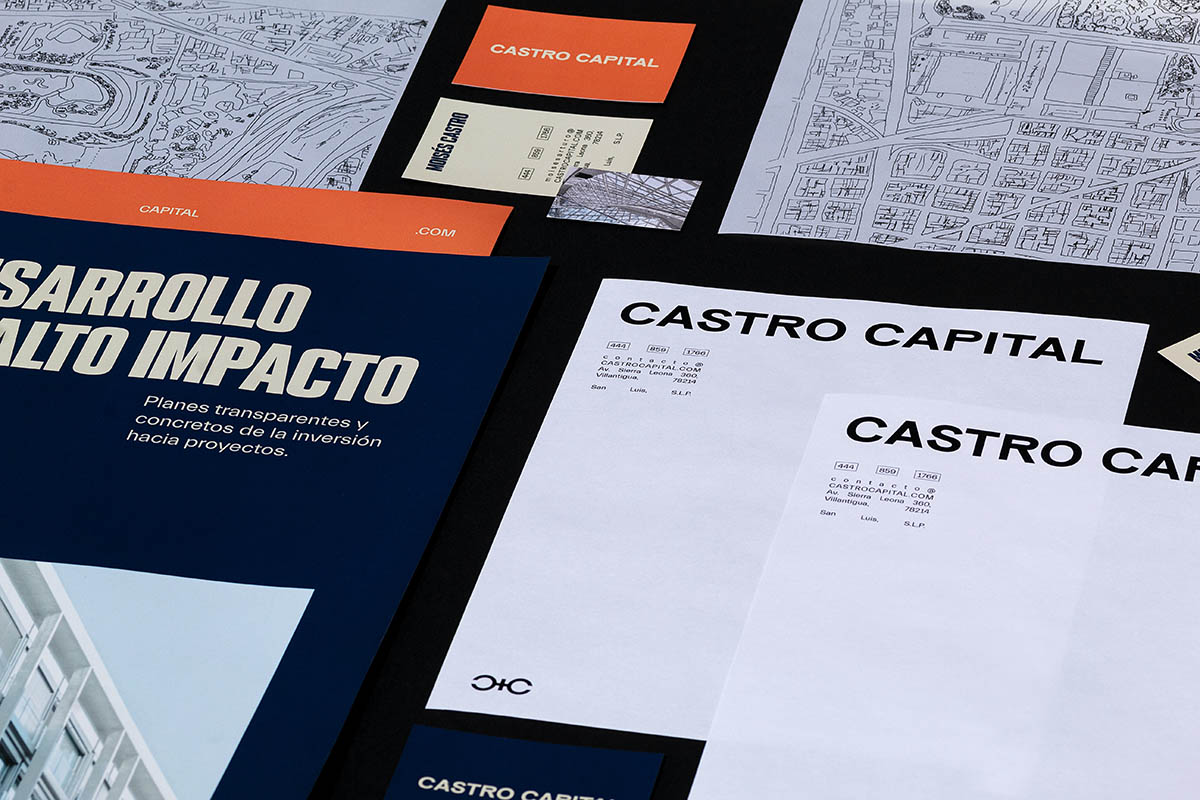
It cannot be stated enough how important it is to have a clean logo.
Why this idea matters more now than it used to

Markets are crowded. Options are endless. Features are copied quickly.
Because of that, people don’t have the time or energy to deeply analyze every choice. Instead, they look for signals. They ask themselves questions like:
“Does this feel right for someone like me?”
“Do I trust this?”
“Can I see myself using this long-term?”
Brands that perform well over time are the ones that answer those questions clearly and consistently.
They don’t just explain what they sell. They show what life looks like after choosing them.
That’s where loyalty comes from.
A brand only works when the benefit is obvious
A brand fails when people have to think too hard to understand it.
If someone lands on your website or sees your content and can’t quickly grasp how their life or business improves, they move on.
They don’t analyze. They don’t ask follow-up questions. They just leave.
Strong brands make the benefit easy to see.
They answer simple, human questions:
“What problem does this remove?”
“What becomes easier?”
“What does success look like after this?”
Instead of leading with features or processes, they lead with outcomes. They don’t say, “Here’s what we do.” They say, “Here’s what changes when you work with us.”
When that message is clear, customers naturally talk about results instead of specifications. And that kind of word-of-mouth is far more powerful than any campaign.
Your logo sets the tone before you ever speak
A logo isn’t the brand, but it often sets the first impression.
If it feels cluttered, confusing, or mismatched, people subconsciously assume the experience will feel the same way. Most won’t stick around long enough to be proven wrong.
A good logo does not try to explain everything. It does a few things quietly and consistently. It looks good at any size. It feels recognizable across platforms. And it reflects the personality of the brand without trying too hard to be clever.
This is why professional design matters. Not because designers are artists, but because they bring distance and objectivity. They can see what feels unclear or misaligned before it becomes expensive to fix later.
A logo’s job is not to impress.
Its job is to reduce friction.
If your message isn’t clear, your marketing becomes noise
Every brand is communicating something, whether it’s intentional or not.
If you haven’t clearly defined who you’re speaking to and what you want them to understand, your marketing becomes scattered. Different messages show up in different places, and nothing sticks.
A strong message answers three things simply:
Who is this for?
What problem do they already know they have?
Why does this solution matter to them right now?
This isn’t about slogans or taglines. It’s about the idea people remember when they think of you.
Just as important is how that message sounds. A forced tone is hard to maintain and easy to detect. When a brand sounds unnatural, trust fades quickly.
It’s always better to sound human and consistent than polished and hollow.
Without a plan, even growth becomes stressful
Many businesses operate one quarter at a time. They focus on what’s urgent instead of what’s important.
That works—until it doesn’t.
Growth has a way of exposing weak systems. More customers highlight unclear processes. More visibility magnifies confusion. Without a plan, success can create just as much chaos as failure.
A brand plan doesn’t lock you into rigid decisions. It gives you a direction. It connects your vision to daily execution so decisions aren’t made in isolation.
When challenges appear, you’re not guessing. You’re responding.
That difference changes everything.
Responsiveness is part of the experience now
Responsiveness isn’t a bonus anymore. It’s expected.
People notice when a website is hard to use, when support is slow, or when communication feels one-sided. And when that happens, they rarely complain. They simply move on.
Good brands design around the user, not internal convenience. They remove unnecessary steps, anticipate questions, and make help easy to find.
This isn’t about perfection. It’s about consideration.
In crowded markets, ease becomes a powerful differentiator.
Data only helps if it leads to better decisions
Most businesses have access to analytics. Fewer know what to do with them.
Numbers matter, but not in isolation. Metrics are useful only when they influence action.
When you understand how people move through your site, where they hesitate, and where they leave, you can improve the experience intentionally. Analytics stop being reports and start becoming guidance.
The goal isn’t to track everything.
It’s to learn something.
Strong brands use data to refine clarity and usability, not just to spend smarter on ads.
Improvement beats spending almost every time
There’s a common belief that great brands win because they spend more money.
In reality, they usually win because they pay more attention.
They look closely at where people get confused. They notice what feels harder than it should. And they make small, thoughtful changes that add up over time.
Those improvements compound. And customers feel the difference.
When people feel understood and supported, they stay longer. And loyalty is far more valuable than short-term attention.
Branding is not a look. It’s a system.
Branding isn’t just visuals, copy, or campaigns. It’s the system that connects what people expect with what they experience.
Your message, your design, your planning, your responsiveness, and your decision-making all work together. When they align, the brand feels stable and trustworthy.
Strong brands don’t shout.
They reassure.
They signal that things have been thought through, that the experience will be smooth, and that the relationship will last.
Final thought
People don’t buy products. They buy the version of themselves they believe your brand supports.
When your branding clearly shows that outcome—and backs it up with consistency and care—growth stops feeling forced.
The goal isn’t to look like a big brand.
It’s to act like a reliable one.
And when you do that well, profits usually follow.
Here are some more tips to take full advantage of your branding: How to Use Branding to Expand Business in New Markets.