How Roof Problems Affect Home Energy Efficiency
✨ Key Points
- Roof and attic problems increase energy waste: Damaged materials, wet insulation, and air leaks can make indoor temperatures harder to control.
- Efficiency requires a complete assessment: Roofing, ventilation, insulation, air sealing, and attic ductwork should be evaluated together.
- Early repairs protect more than energy bills: Addressing leaks and moisture promptly can reduce HVAC strain and help prevent mold, damaged insulation, and structural deterioration.
A roof does more than keep rain out. Together with the attic, insulation, ventilation, and air-sealing system, it controls how much heat enters or escapes the home.
When one of these components fails, homeowners may notice hotter upstairs rooms, winter drafts, moisture problems, and HVAC equipment running longer than expected.
According to ENERGY STAR, homeowners can save an average of 15% on heating and cooling costs by sealing air leaks and adding insulation in attics, crawl spaces, and basements.
The U.S. Department of Energy also reports that reflective cool roofs can remain up to 60°F cooler than conventional dark roofs under summer conditions.
Roof-related efficiency problems may include:
- Missing, cracked, or poorly sealed roofing materials;
- Roof leaks that leave attic insulation wet or compressed;
- Insufficient attic insulation or unsealed air gaps;
- Blocked, damaged, or improperly designed ventilation;
- Leaky HVAC ducts running through an unconditioned attic;
- Dark roofing that absorbs substantial heat in a hot climate;
These problems force heating and cooling equipment to work harder, but a rising utility bill does not prove the roof is responsible.
An experienced roofer can inspect the exterior and flashing, while an energy auditor or qualified insulation contractor can assess attic insulation, air leakage, moisture, ventilation, and ductwork.
The Impact of Roof Leaks on Energy Efficiency
A leaking roof is not just a nuisance during rainy days; it can have far-reaching consequences on a home’s energy efficiency.
When water seeps through the roof, it can lead to the formation of mold and mildew within the attic and interior walls.
These damp environments not only pose health risks to occupants but also reduce the effectiveness of insulation materials.
Damp insulation loses its ability to retain heat, meaning that more energy is required during colder months to keep the home warm.
This inefficiency directly translates to higher heating bills.
Moreover, roof leaks can compromise the structural integrity of the building, leading to increased air infiltration and drafts.
As a result, conditioned air from the heating or cooling system escapes more easily, while outside air enters the living space, leading to a constant need for temperature adjustments.
This continuous cycle of temperature regulation puts a strain on HVAC systems, further escalating energy consumption and utility expenses.
The Role of Roof Color and Material in Energy Efficiency
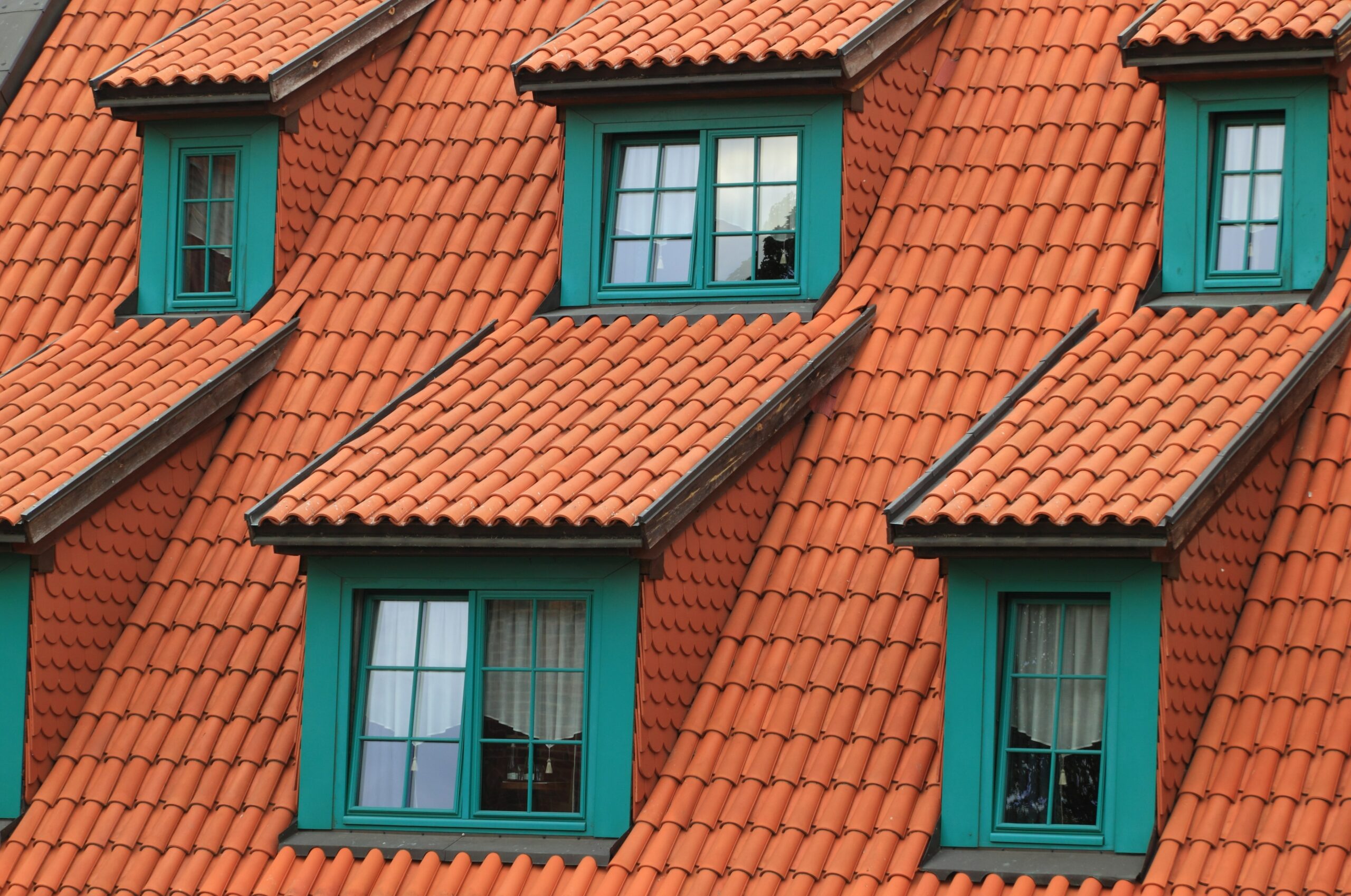
The color and material of a roof significantly impact its energy efficiency.
Dark-colored roofs, such as black or deep brown, tend to absorb more heat from the sun.
Consequently, the attic and living space beneath the roof can become excessively hot on sunny days.
This heat absorption makes the home uncomfortable and increases the demand for air conditioning.
On the other hand, light-colored roofs, such as white or reflective materials, can help mitigate heat absorption and keep the indoor temperature cooler.
In addition to color, the roofing material itself plays a crucial role in energy efficiency.
As explained on this website, traditional asphalt shingles, while affordable, have limited insulation properties and tend to deteriorate faster under extreme weather conditions.
On the contrary, metal roofs and cool roofs made from reflective materials offer better insulation and durability.
These options can reduce the heat transferred into the living space, leading to lower cooling costs and a more energy-efficient home overall.
Homeowners looking to optimize energy efficiency and cut down on cooling expenses can consult roofers in Syracuse NY by All Star Roofing or Exterior Home Solutions, which can help to choose the most suitable roofing option for their needs.
The Importance of Roof Maintenance for Energy Efficiency
Regular roof maintenance ensures energy efficiency and extends the roof’s lifespan.
Over time, roofs can develop issues like loose or missing shingles, damaged flashing, and clogged gutters, contributing to energy loss.
Addressing these problems promptly prevents further damage and preserves the roof’s integrity, allowing it to function optimally.
Moreover, routine inspections and maintenance tasks, such as cleaning gutters, repairing leaks, and ensuring proper insulation, can help identify and address potential energy inefficiencies early on.
Proper ventilation within the attic is also crucial to prevent the accumulation of heat and moisture.
Investing in professional roof inspections and maintenance may seem like an added expense, but in the long run, it pays off by reducing energy consumption and prolonging the life of the roof and the entire home.
Insulation and Attic Ventilation: The Foundation of an Energy-Efficient Roof
Insulation, air sealing, and ventilation perform different but connected jobs.
Insulation slows heat transfer, air sealing limits uncontrolled airflow, and correctly designed ventilation helps manage attic heat and moisture in vented roof assemblies.
Common warning signs include:
- Hot or cold upstairs rooms;
- HVAC equipment running for long periods;
- Rising heating or cooling costs;
- Uneven, compressed, missing, or wet insulation;
- Condensation, mold, or musty attic odors;
- Blocked soffit vents or damaged exhaust vents;
- Ice dams forming along the roof edge.
ENERGY STAR estimates that homeowners can save an average of 15% on heating and cooling costs by air-sealing the home and adding insulation in attics, crawl spaces, and basements.
However, adding more insulation will not solve an active roof leak, and installing extra vents will not correct air leakage or poorly designed airflow.
Moisture deserves immediate attention.
Wet insulation loses performance, while prolonged condensation or leaks may encourage mold and damage roof decking, rafters, and ceilings.
A qualified professional should identify whether the home has a vented or unvented attic and verify insulation levels, air leaks, moisture sources, intake and exhaust ventilation, and attic ductwork.
Correcting these components as one system can improve comfort, reduce HVAC strain, and protect the roof structure.
Impact of Roof Orientation and Design on Energy Efficiency
The orientation and design of a roof can have a significant impact on energy efficiency.
The direction in which the roof faces affects its exposure to the sun’s rays, determining how much heat the roof absorbs and how effectively it dissipates it.
In the northern hemisphere, south-facing roofs receive the most sunlight throughout the day, while north-facing roofs receive the least.
Properly positioning solar panels or reflective coatings on south-facing roofs can harness solar energy to power the home, reducing reliance on grid electricity and cutting down carbon emissions.
Moreover, roof design elements, such as roof overhangs and eaves, can provide shade and protection against the elements.
Strategically placed overhangs can shield windows and walls from direct sunlight during summer, reducing cooling demands.
During winter, these features can allow more sunlight to enter the living space, aiding in passive solar heating.
By carefully considering the orientation and design of the roof, homeowners can optimize energy efficiency and create a more sustainable dwelling.
Investing in Sustainable Roofing Technologies
Sustainable roofing can reduce heat gain, manage stormwater, or generate electricity, but the right solution depends on the home’s climate, roof structure, orientation, budget, and maintenance capacity.
Common options include:
- Cool roofing: Reflects more sunlight and absorbs less heat. The U.S. Department of Energy reports that cool roofs can remain up to 60°F cooler than conventional dark roofs in summer.
- Green roofs: Use vegetation and engineered growing layers to absorb rainfall, slow runoff, provide habitat, and reduce rooftop temperatures.
- Rooftop solar panels: Generate electricity without requiring the entire roof covering to be replaced.
- Solar shingles: Integrate photovoltaic technology into the roof but may cost more and offer fewer installer or repair options.
- Recycled or durable roofing: Long-lasting materials can reduce replacement frequency and construction waste.
Before investing, homeowners should evaluate:
- Remaining roof lifespan and structural capacity;
- Sun exposure, shade, slope, and orientation;
- Waterproofing and drainage requirements;
- Installation and long-term maintenance costs;
- Local permits, utility rules, rebates, and warranties;
- Estimated energy savings and payback period.
Green roofs require professional structural and waterproofing assessments because soil, plants, and retained water add substantial weight.
Solar systems also perform best when installed on a roof that will not need replacement soon.
The practical goal is not to select the newest technology.
First repair leaks and address insulation, air sealing, ventilation, and drainage.
Then choose a sustainable roofing solution that delivers measurable benefits for the property, including lower energy use, improved comfort, controlled stormwater, or renewable electricity.