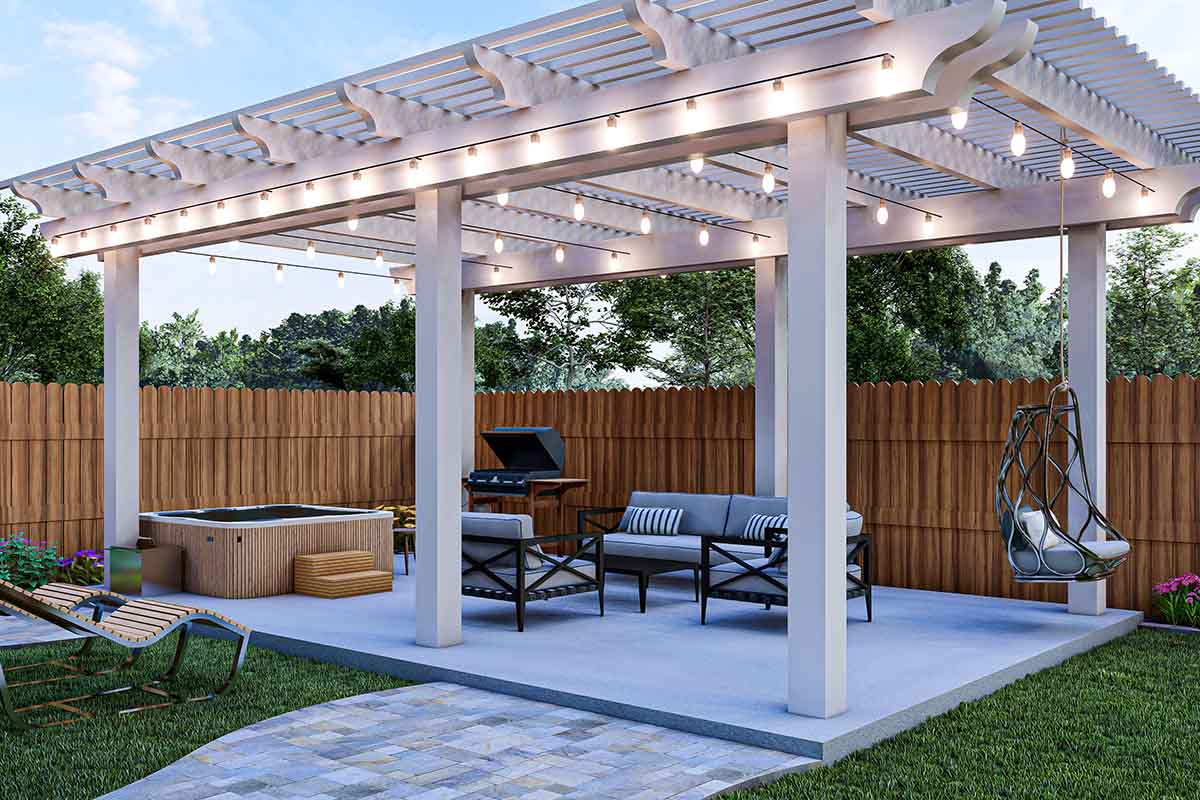
10 Year-Round Pergola Designs for Every Season
✨ Key Points
- Adaptable roofs improve seasonal use: Adjustable louvers and retractable canopies let you control sunlight, shade, airflow, and rain protection.
- Climate should guide the design: Local wind, rainfall, snow loads, heat, and humidity affect the safest materials and structural specifications.
- Practical features increase long-term value: Drainage, lighting, screens, fans, and heating can make a pergola more comfortable and functional throughout the year.
A well-designed pergola can turn a patio or backyard into a comfortable outdoor living space that remains useful throughout the year.
It provides shade during summer, supports protection from rain and wind, and creates a defined setting for dining, relaxing, or entertaining.
The best year-round pergola designs combine durable materials with adaptable features.
Options such as adjustable louvers, retractable canopies, privacy screens, integrated drainage, lighting, and heating can help the structure respond to changing weather.
However, the right combination will depend on your climate, budget, available space, and intended use.
Companies such as The Luxury Pergola offer different styles, finishes, and adjustable-roof systems. Before choosing one, consider:
- How much direct sunlight and rain the area receives;
- Whether the structure must withstand snow or strong winds;
- How you plan to use the space throughout the year;
- Which materials suit your climate and maintenance preferences;
- Whether permits or professional installation are required;
- Which optional features would provide meaningful everyday value;
The following pergola ideas balance appearance, durability, and seasonal comfort to help you create an inviting outdoor retreat.
Classic Wooden Pergola
A classic wooden pergola brings natural texture and warmth to a garden, patio, or backyard.
Cedar, redwood, and pressure-treated lumber are popular choices, but the wood should be properly sealed and maintained to resist moisture, insects, and weather damage.
For greater year-round comfort:
- Add a retractable canopy for adjustable shade and rain protection.
- Grow deciduous climbing plants that provide summer shade but allow more winter sunlight.
- Install warm outdoor lighting for evening use.
- Choose weather-resistant furniture and removable cushions.
- Inspect and reseal the wood regularly to extend its lifespan.
This design is ideal for homeowners who value a traditional appearance and do not mind periodic maintenance.
Modern Aluminum Pergola
A modern aluminum pergola offers clean lines, long-lasting durability, and minimal maintenance.
Unlike wood, powder-coated aluminum does not require regular staining and is resistant to rot, insects, and corrosion.
For year-round functionality, consider:
- Adjustable louvers for controlling sunlight and ventilation;
- A watertight roof system with integrated drainage;
- Retractable side screens for shade, privacy, and wind protection;
- Built-in LED lighting for evening use;
- Ceiling fans or infrared heaters for seasonal comfort;
- A finish that complements the home’s exterior.
A louvered aluminum pergola works particularly well for homeowners who want a contemporary outdoor space that can quickly adapt to sun or rain. Always choose a structure engineered for local wind and snow loads.
Rustic Stone Pergola
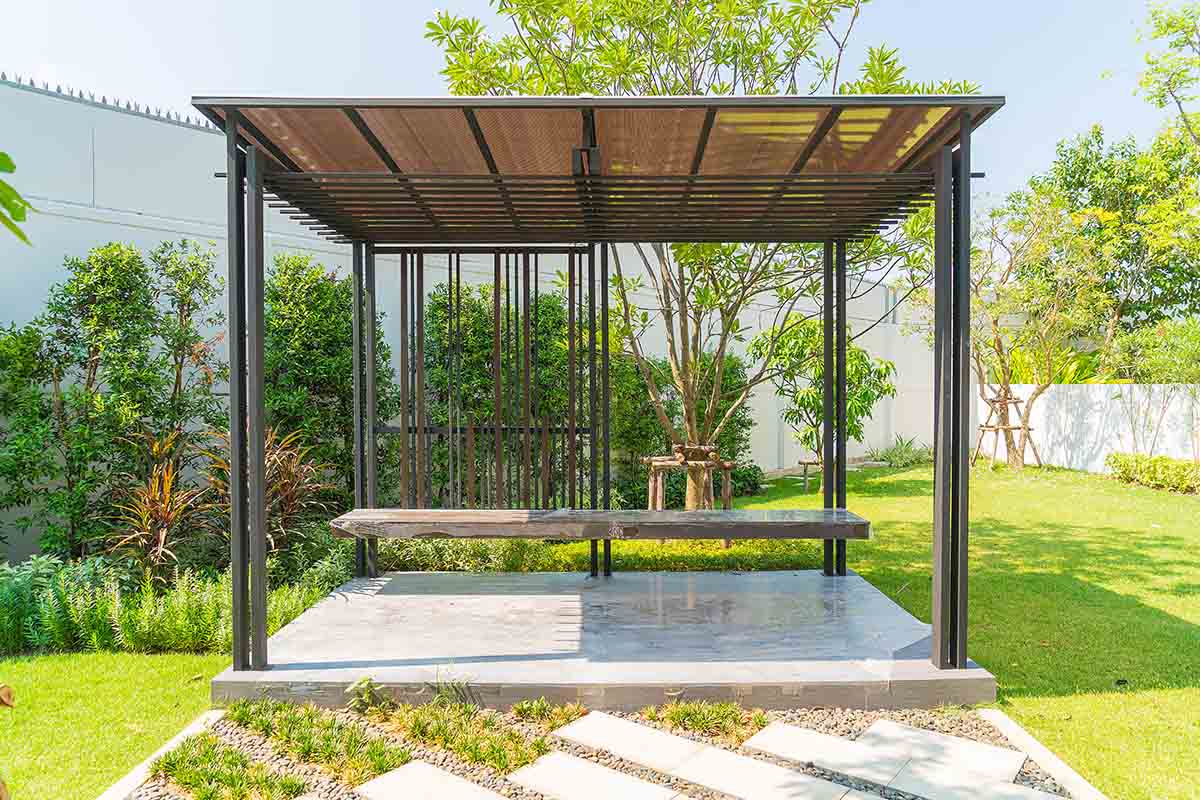
A stone pergola combines visual warmth with a strong, permanent appearance.
Stone bases can support wooden or metal columns and roofing, creating a shaded summer retreat and a sheltered gathering place during cooler months.
Consider adding:
- A timber or wrought-iron upper frame;
- Integrated seating or a nearby fireplace;
- Warm lighting for evening use;
- Outdoor curtains for privacy and wind protection;
- Proper foundations for the structure’s weight;
Stone construction usually requires professional design and installation, particularly in areas affected by frost, earthquakes, or unstable soil.
Louvered-Roof Pergola
A louvered-roof pergola provides flexible control over sunlight, shade, airflow, and light rain. The louvers can remain open during pleasant weather or close when greater protection is needed.
Useful features include:
- Manual or motorized roof controls;
- Rain sensors for automatic closure;
- Integrated gutters and downspouts
- Retractable privacy or shade screens;
- Lighting, fans, and heaters;
Closed louvers are not automatically suitable for heavy snow. Choose a pergola engineered for local wind and snow loads, and follow the manufacturer’s winter-use instructions.
Glass-Topped Pergola
A transparent roof allows natural light to enter while protecting the seating area from rain. It can complement both traditional homes and contemporary architecture.
Possible roofing materials include:
- Tempered or laminated safety glass;
- UV-resistant polycarbonate panels;
- Clear or tinted finishes;
- Heat-reflective glazing;
- Ventilated roof sections;
Because transparent roofs can trap heat and show dirt easily, include ventilation, adjustable shade, and safe access for cleaning.
Professional installation helps ensure adequate drainage and structural support.
Pergola With Retractable Walls
Retractable glass walls or screens allow a pergola to shift between an open-air pavilion and a more protected outdoor room.
This flexibility can make the space more comfortable during wind, rain, or cooler weather.
Consider including:
- Sliding or folding glass panels;
- Retractable insect screens;
- Privacy shades;
- Ventilation for enclosed periods;
- Weather-resistant flooring and drainage
- Safe heating designed for covered outdoor spaces;
Enclosing a pergola may affect permit, ventilation, and building-code requirements. Consult local authorities and a qualified installer before construction.
Green-Roof Pergola
A green-roof pergola introduces plants above the seating area, creating a distinctive feature that supports biodiversity and may help moderate heat beneath the structure.
A successful design requires:
- A waterproof roofing membrane;
- Reliable drainage;
- Lightweight growing material;
- Plants suited to the local climate;
- Safe irrigation access;
- A frame engineered for saturated soil and plant weight;
This design requires more maintenance than a conventional pergola and should be planned by professionals familiar with green-roof systems.
Sail-Shade Pergola
A tensioned fabric canopy gives a pergola a light, contemporary appearance while providing a flexible shade solution.
The fabric can be positioned to block intense summer sun and removed during severe weather or seasons when greater sunlight is preferred.
Look for:
- UV-resistant outdoor fabric;
- Corrosion-resistant mounting hardware;
- Strong, properly anchored support posts;
- Adequate slope for water runoff;
- A design that can be removed or adjusted easily;
A sail canopy generally provides shade rather than complete weather protection.
It should be taken down when strong winds, heavy rain, or snow are expected.
Pergola With Built-In Heating and Lighting
Integrated heating and lighting can extend pergola use beyond warm afternoons.
The right setup creates a comfortable place for dinners, conversations, and quiet evenings during cooler seasons.
Practical additions include:
- Dimmable LED lighting;
- Task lighting above dining or cooking areas;
- Infrared heaters rated for covered outdoor use;
- Smart controls and timers;
- Ceiling fans for warmer weather;
- Weather-rated electrical outlets;
Electrical work and permanently installed heaters should be fitted by qualified professionals and positioned according to clearance and ventilation requirements.
Vine-Covered Pergola
Climbing plants can soften a pergola’s structure and help it blend into the garden.
Deciduous vines provide foliage during summer and allow more sunlight through after their leaves fall.
Suitable options may include:
- Grapevines;
- Climbing roses;
- Clematis;
- Honeysuckle;
- Wisteria, where its vigorous growth can be controlled;
Choose plants suited to your climate and confirm that the pergola can support their mature weight.
Regular pruning prevents vines from damaging roofing, gutters, fasteners, and nearby structures.
Choosing the Best Year-Round Pergola Design
The best year-round pergola design is not simply the most elaborate option. ;It is the one that responds to your local climate, complements your home, and supports how you genuinely want to use the space.
Before deciding, compare:
- Sun, rain, wind, and snow exposure;
- Construction and long-term maintenance costs;
- Shade, ventilation, and drainage;
- Structural and permit requirements;
- Lighting, heating, and privacy needs;
- The amount of maintenance you can realistically manage;
A thoughtfully designed pergola adds more than shelter or visual appeal.
It creates a dependable place to slow down, spend time outdoors, share meals, and feel connected to family and friends.
When the design fits your everyday life, the pergola becomes a meaningful extension of home rather than a feature used only in perfect weather.