
Are You Making Sure You Are Safe While Driving in Seattle?
✨Key Points
- Always assess your physical, mental, and emotional readiness before driving.
- Fatigue, illness, strong emotions, and poor conditions significantly increase driving risk.
- Choosing caution—slowing down, resting, or not driving—protects everyone on the road.
Driving in Seattle now requires a different mindset than it did even a few years ago.
Shifting climate patterns have brought heavier rain, longer storms, and more frequent drainage overloads, turning ordinary streets into unpredictable driving environments.
Recent flooding events across the U.S. have shown how quickly water can overwhelm roads, damage infrastructure, and trap vehicles—often with little warning.
In Seattle, where hills, bridges, and aging drainage systems intersect, these risks are becoming part of everyday driving.
What makes modern road conditions especially challenging is how subtle the danger can appear.
Light rain can mask standing water, clogged storm drains, or weakened pavement, while repeated saturation increases the risk of hydroplaning and loss of braking control.
During busy commutes, these hazards are harder to avoid because traffic density limits reaction time.
To adapt to these realities, safer driving increasingly depends on practical awareness, including:
Recognising when pooled water may conceal road damage or depth changes;
Adjusting speed and spacing to account for longer braking distances on saturated surfaces;
Avoiding routes known to flood during heavy rain, even if they are usually reliable;
Maintaining tyres, brakes, and visibility systems for extended wet-weather performance.
For example, drivers caught in recent U.S. flash flooding events often reported that roads appeared passable moments before becoming dangerous.
In Seattle, similar conditions can develop near underpasses, along waterfront routes, or in low-lying residential areas after prolonged rainfall.
As climate conditions continue to evolve, road safety is no longer just about driving skill—it’s about situational awareness and flexibility, which is why following simple winter driving tips for staying safe on Seattle roads matters more than ever.
Choosing caution over routine helps protect not only drivers, but passengers, pedestrians, and cyclists who share increasingly strained infrastructure.
Are You Tired? Extra Caution Matters on Seattle Roads at Night
Seattle roads are busier and more complex than ever, and that’s especially noticeable after dark.
With many new drivers on the road and a growing number of newer vehicles equipped with extremely bright headlights and automated high-beam systems, night driving can feel far more demanding than it used to—particularly when you’re already tired.
If you’re driving home late after an art walk, a concert, a long shift, or returning from a ski day or hike, fatigue can quietly reduce your ability to handle visual overload.
Glare from high beams, reflections off wet pavement, and sudden braking from vehicles using aggressive driver-assist features can make it harder to judge distance and react smoothly.
For newer drivers, this combination is especially challenging.
Many are still building confidence, learning how to manage night visibility, and adapting to unpredictable behaviour from other vehicles. When fatigue enters the mix, the risk increases for everyone on the road.
When tired and driving at night in Seattle:
Bright LED headlights and high beams can cause temporary blindness or eye strain;
Wet roads amplify glare, making lane markings and pedestrians harder to see;
Sudden braking from vehicles using automated systems can catch tired drivers off guard;
Reaction times slow, increasing the risk of rear-end or side-impact collisionsl
If you notice your eyes struggling to adjust, your focus drifting, or irritation building from glare and traffic behaviour, that’s a sign to pause.
Pull over safely, take a break, or let someone else drive if possible. Even a short rest can help your eyes and mind reset.
As more new drivers and high-tech vehicles share Seattle streets, patience and alertness matter more than ever.
Choosing to rest instead of pushing through fatigue isn’t just about your own safety—it helps keep the road safer for everyone navigating increasingly complex nighttime conditions.
Do You Feel Emotional?
Another important factor to consider before driving is your emotional state.
This isn’t about avoiding everyday feelings or letting emotions control your life—it’s about recognising when emotions are strong enough to interfere with your ability to drive safely.
We’re not talking about feeling a little stressed or distracted.
This applies when emotions are overwhelming, such as feeling on the verge of tears, experiencing a panic attack, or being so angry or upset that clear thinking becomes difficult.
In these moments, your focus naturally shifts away from the road and toward what you’re feeling, which reduces reaction time and awareness.
When emotional distress takes over:
Attention drifts, making it easier to miss hazards or signals;
Decision-making becomes less predictable;
Reaction times slow, even if you feel physically alert.
If you find yourself in this state, it’s safer to pause rather than push through.
Asking someone else to drive, using public transport, or waiting until you feel calmer can help prevent mistakes that put you and others at risk.
Taking a short break to regain emotional balance isn’t a setback—it’s a responsible choice that helps keep everyone on the road safer.
Did You Check The Car?
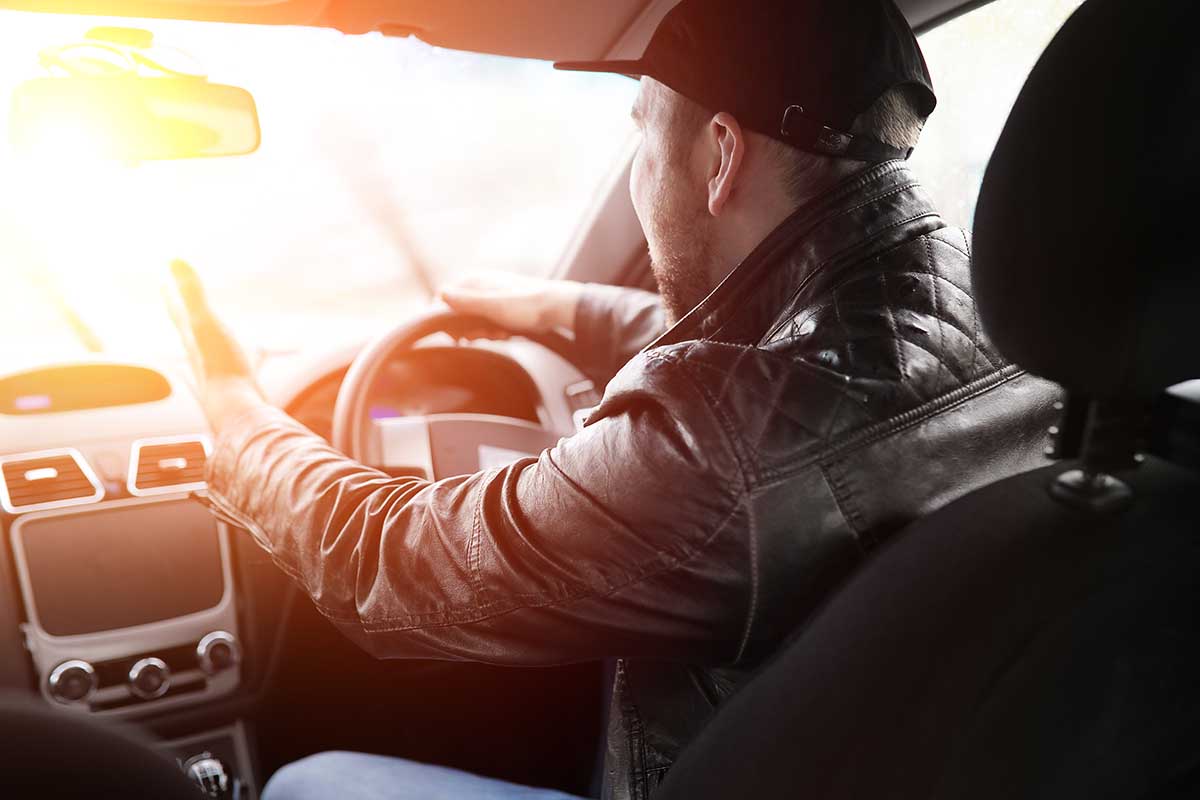
Have you checked the car?
There are a few small checks that you should be doing every time you get in the car like making sure the check engine light isn’t on, making sure that everyone has their seatbelt in and so on.
This will ensure that you are driving as safely as possible from the vehicle’s viewpoint, and as soon as you feel something weird going on, you need to stop.
If your car starts feeling odd to drive, or something doesn’t feel right and you are concerned, then take it to an auto body repair shop as soon as you can.
Getting it checked out is the right thing to do, as it will ensure that any problems are taken care of ASAP.
No Sickness Or Illness
Another important thing to check before driving is how you’re feeling physically.
If you’re sick or unwell, driving is rarely a good idea.
Illness can affect concentration, reaction time, and overall awareness—even when symptoms seem mild.
This includes conditions such as the flu, fever, severe pain, dizziness, migraines, or any illness that causes fatigue or discomfort.
Some medications can also cause drowsiness or slowed reactions, which further increases risk behind the wheel.
When you’re unwell:
Focus and alertness drop more quickly;
Reaction times slow, especially in traffic or poor conditions;
Judgment can be impaired without you realising it.
Taking time to rest, asking someone else to drive, or postponing travel until you feel better helps reduce unnecessary risk.
Driving while sick doesn’t just affect you—it can put passengers, pedestrians, and other road users in danger.
Hopefully, this article has helped highlight the everyday checks worth making before you get behind the wheel.
Safe driving doesn’t need to feel complicated or stressful; it simply becomes a habit of pausing, assessing, and choosing caution when needed.
Taking a moment to evaluate your physical and mental readiness can make a meaningful difference in keeping everyone safer on the road.