History of Road Signs
✨Key Points
Road signs were created to improve safety and communication as travel became more common and complex.
Universal designs, like the stop sign, help drivers understand messages instantly, regardless of language.
Standardised road signs have remained consistent for over a century to reduce confusion and save lives.
Road signs are something most of us rely on every day — often without giving them a second thought.
But have you ever wondered who created the first road signs, why they look the way they do, or how they became the universal system we trust today?
Long before modern traffic systems existed, early road users needed ways to navigate safely and avoid danger.
Over time, those simple markers evolved into the standardized signs we recognize instantly — no matter where we’re driving or what language we speak.
The stop sign is one of the best examples. Its red, octagon shape is recognised worldwide and understood at a glance.
Even after more than a century of use, its message is clear and unquestioned — stop means stop.
Whether you’re behind the wheel of a classic 1968 Mustang or a futuristic 2030 Rolls-Royce, the meaning never changes.
That consistency is no accident. Road signs were carefully developed to improve safety, reduce confusion, and create a shared language for drivers everywhere.
In this article, you’ll learn:
Who first introduced road signs and why
How early signs looked compared to today’s designs
When and why traffic sign standardisation began
Surprising facts that explain why certain signs look the way they do
Below, we explore five surprising facts about the history of road signs — and how they continue to keep drivers safe every day.
Five Surprising Facts About Road Signs
Whether you’ve been driving for five minutes or fifty years, most road signs are instantly familiar.
But behind those familiar shapes and colors are stories, decisions, and designs that most drivers never learn.
Keep reading to discover a few surprising facts that explain how road signs came to look the way they do — and why they still matter for road safety today.
When in Rome…
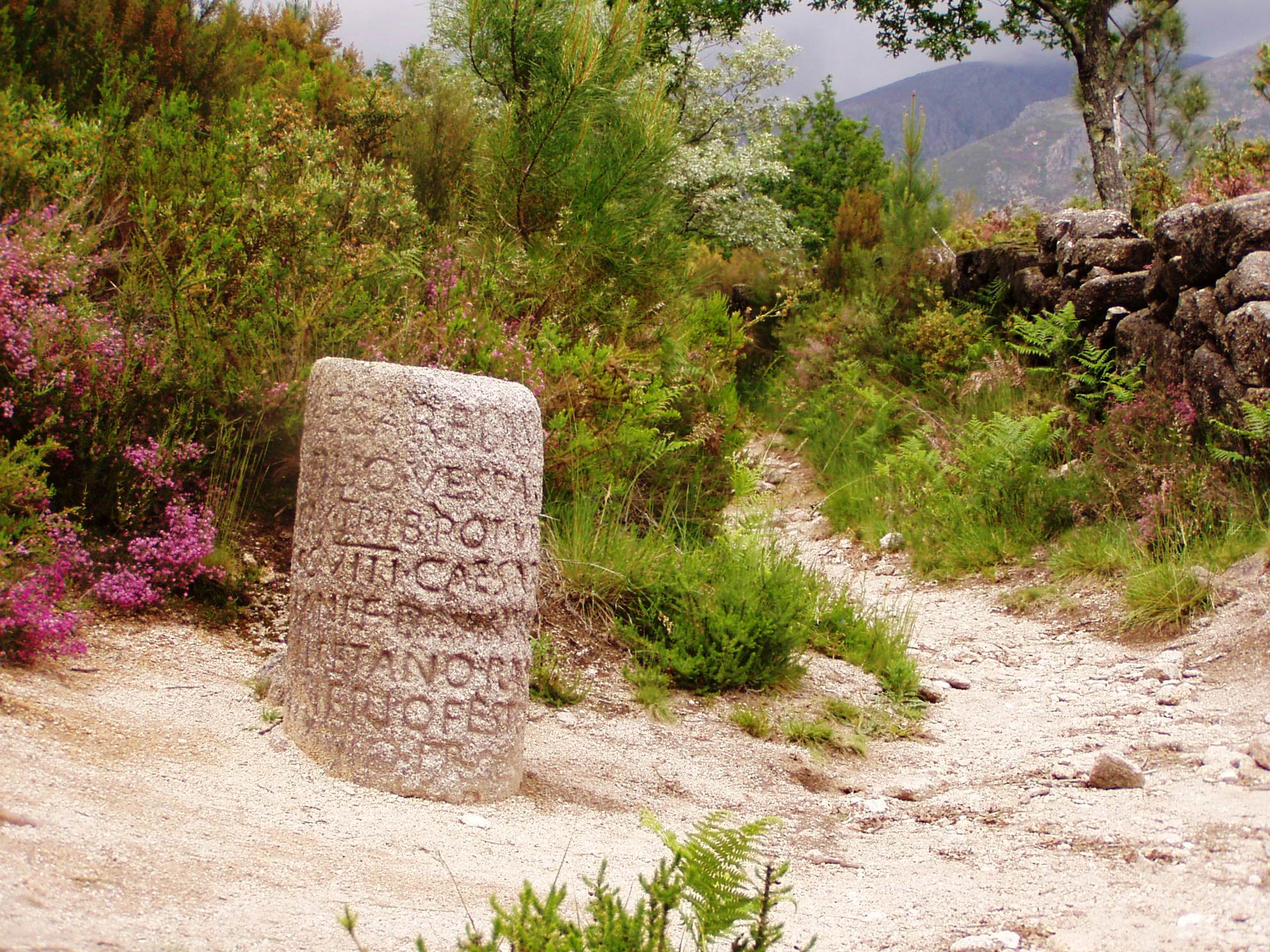
According to history, ancient Rome was one of the first civilizations to intentionally plan and build an extensive road network.
As the Roman Empire expanded, so did the need for clear guidance across long distances.
To support this, the Romans placed large stone markers, known as milestones, along more than 60,000 miles of roads.
Weighing up to four tons, these markers displayed distances and directions, helping travelers and military units navigate efficiently across the empire.
These early milestones were more than simple markers — they laid the foundation for modern road signs by proving that clear, consistent guidance improves travel, trade, and safety.
4. Names Aplenty
At first glance, naming a road may seem simple.
But if you’ve ever wondered where street names actually came from, there’s an interesting history behind them.
During the Middle Ages, roads were often named after the town or city they led to, making navigation easier for travelers moving between settlements.
If you were heading toward a particular town, the road’s name told you exactly where it would take you.
Over time, road naming became more detailed.
Street names began to include directional information and even distance markers, helping travelers understand not just where they were going, but how far they still had to travel.
This early system laid the groundwork for the directional and informational signs we rely on today.
The Signs are Everywhere
As travel increased, road signs quickly became more common.
What was once an occasional marker turned into a necessary part of safe travel.
In the early 19th century, the rise of bicycle travel across Europe created new safety challenges.
Cyclists needed advance warning about steep hills, sharp curves, and hazardous stretches of road.
In response, more road signs were installed along dangerous routes to help travelers anticipate risks and navigate more safely.
This shift marked an important step toward modern road safety — using signs not just for direction, but for preventing accidents before they happen.
Color in the Lines
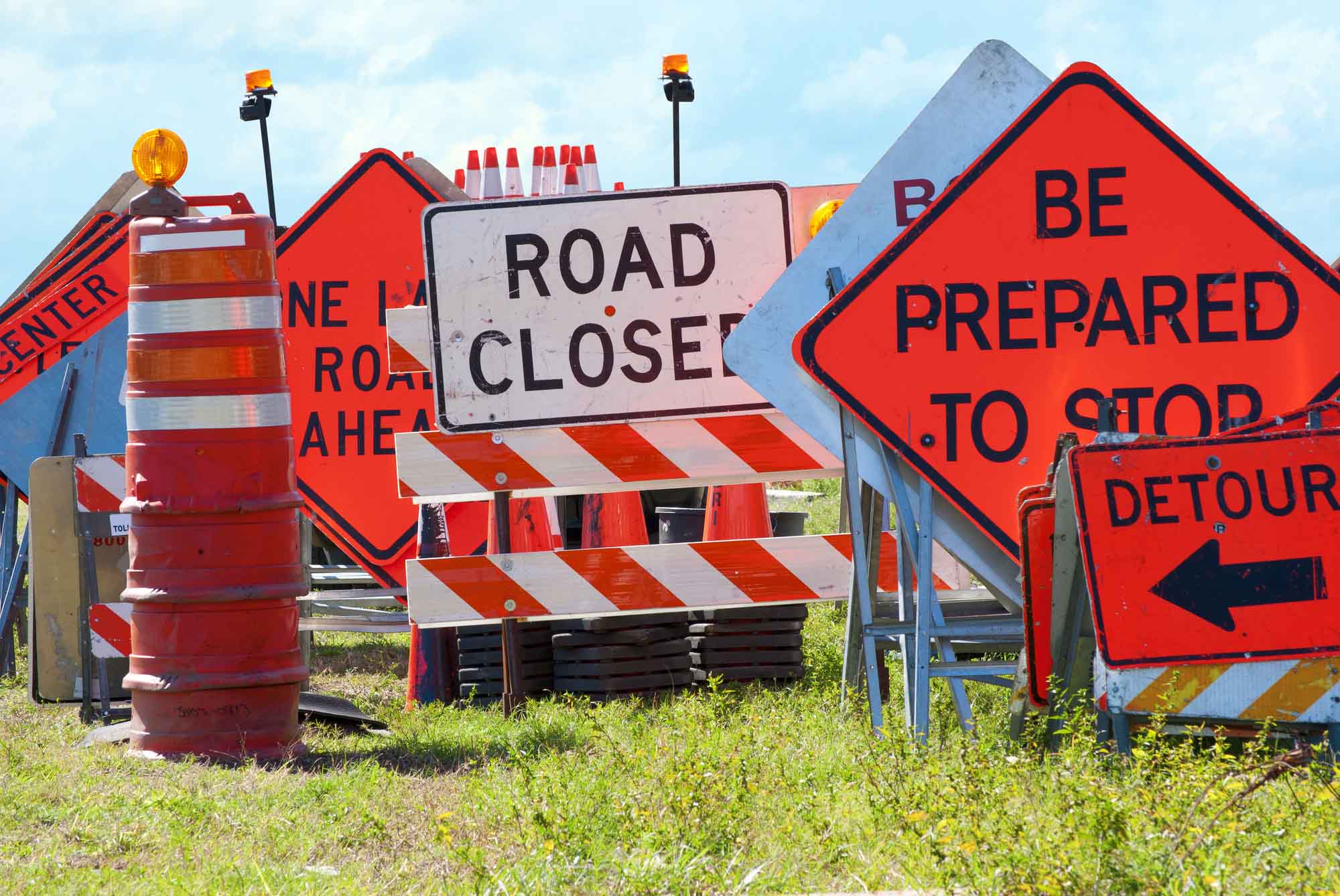
The colors of street signs aren’t random — they’re carefully chosen to help drivers and cyclists recognize information instantly and react safely.
Color psychology plays a major role in how quickly a message is noticed and understood, especially at speed.
Each color sends a specific signal to the brain, allowing road users to process information without needing to read every word.
Here’s what the most common road sign colors mean:
Yellow – Permanent warnings, such as crosswalks, curves, and traffic signals ahead;
Red – Immediate action required, including stop signs and “do not enter” warnings;
Orange – Temporary hazards, like road work or construction zones;
Blue – General services and information, such as rest areas or food;
Green – Directional and travel information, including street names and exits;
Black and white – Rules and regulations, such as speed limits or one-way streets.
Other colors also serve specific purposes.
For example, brown signs typically point to outdoor recreation areas, parks, or scenic viewpoints.
Together, these color standards create a visual language that helps keep traffic moving safely and efficiently — often without drivers even realizing it.
The Shape of Things to Come
Once bicycles and the horse and buggy became passe, more folks wanted to put some regulatory road signs in place.
And with the advent of automobiles, a more uniform look would help drivers get to their destinations with ease.
A few shapes and their messages are:
- Diamond = Curve ahead
- Square = Caution
- Rectangle = Speed limit
- Circle = Railroad crossing
- Octagon = Stop sign
What’s Your Sign?
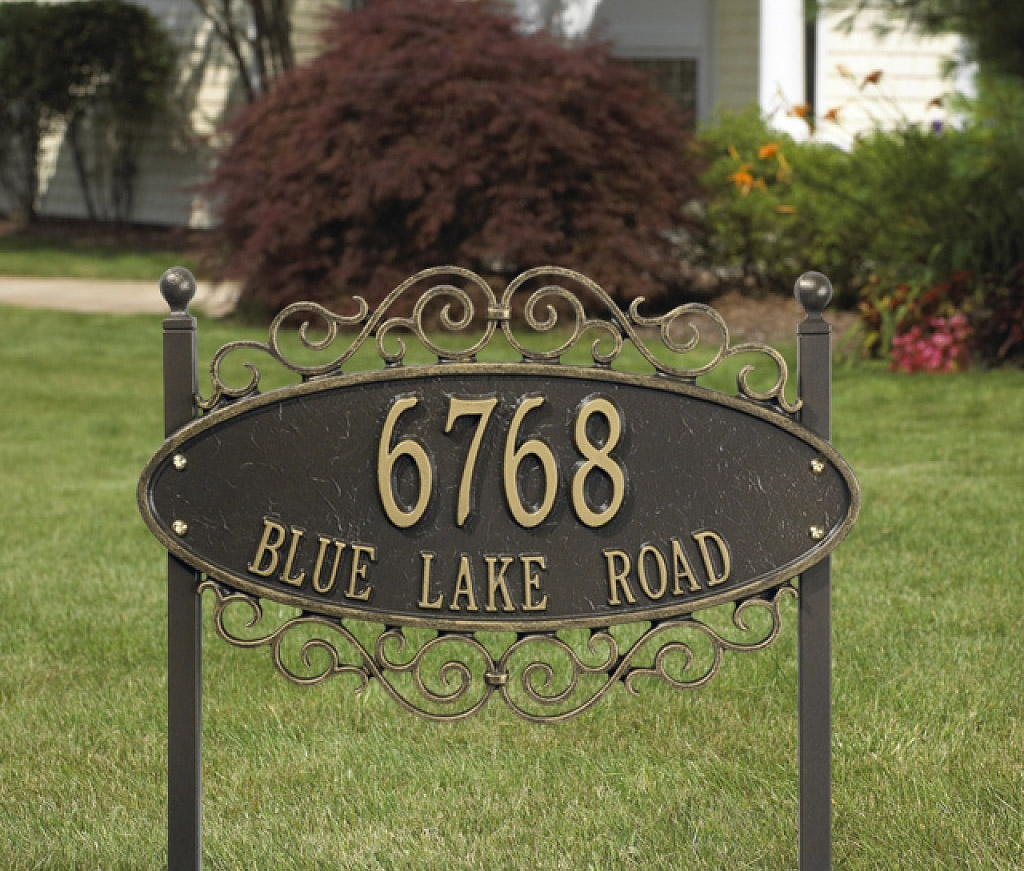
We hope this look at the history of road signs was both fun and informative.
From ancient milestones to modern traffic symbols, these signs tell a story about how people have traveled, communicated, and stayed safe over time.
If the history inspired you, consider exploring decorative road signs as a way to showcase your personal style at home or in the office — they can add character, nostalgia, and conversation-starting design to any space.
For more interesting reads like this, explore our travel, art, and tech sections.
And if there’s a topic you’d love us to cover next, let us know — we’re always looking for new ideas to share.