Evidence-Based Ways to Reduce Stress and Anxiety at Home
✨ Key Points
- How to reduce stress and anxiety quickly: Slow breathing, grounding, and progressive muscle relaxation may help calm the immediate stress response.
- Daily habits that reduce anxiety naturally: Regular exercise, sufficient sleep, mindfulness, journaling, and lower caffeine intake can support emotional regulation.
- When to seek professional help for anxiety: Contact a mental health professional when symptoms persist, worsen, trigger avoidance, or interfere with daily life.
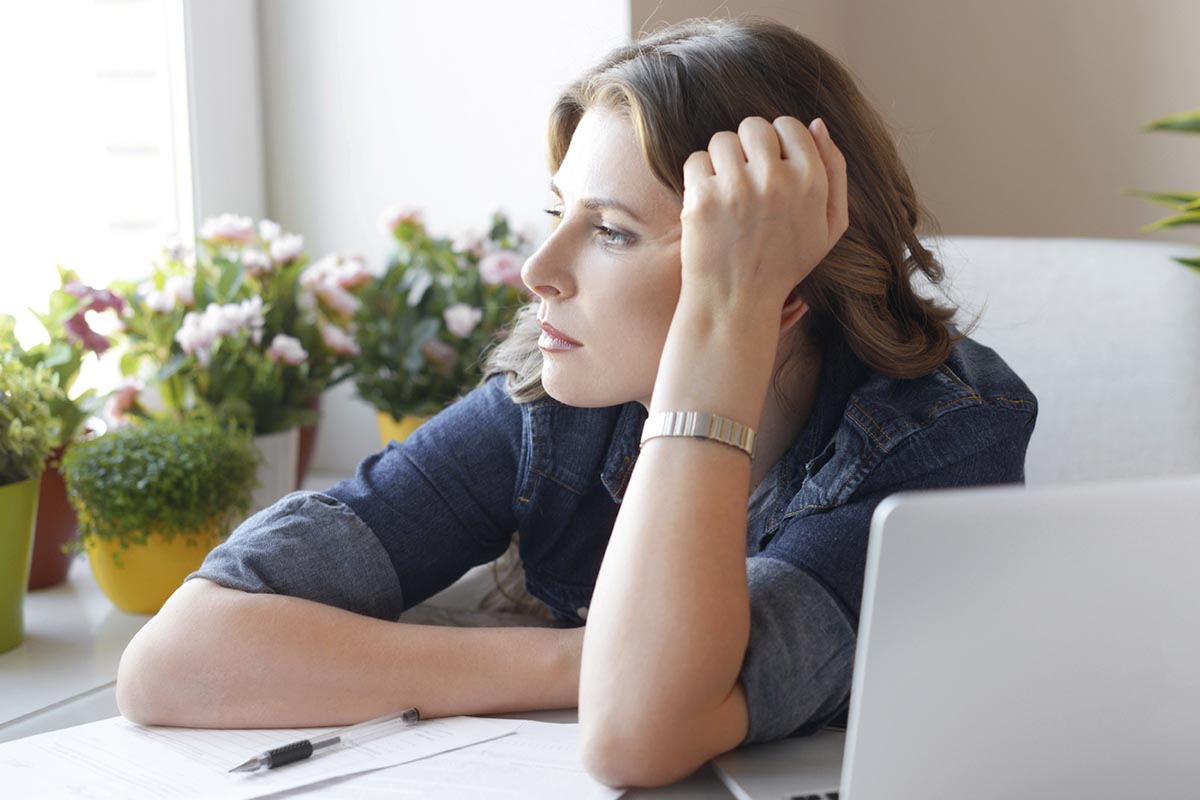
When stress builds up, it may appear as racing thoughts, tense muscles, irritability, poor sleep, difficulty concentrating, or the feeling that you cannot switch off.
In that moment, you need something practical, not a homemade mixture promising an instant cure.
The National Institute of Mental Health reports that approximately one-third of U.S. adolescents and adults experience an anxiety disorder during their lifetime.
Occasional stress is a normal response to pressure, but persistent anxiety that disrupts work, sleep, relationships, or daily activities may require professional treatment.
Evidence-supported ways to reduce stress and anxiety at home include:
- Slow, controlled breathing;
- Progressive muscle relaxation;
- Regular physical activity;
- Consistent sleep habits;
- Mindfulness or meditation;
- Journaling to identify stress patterns;
- Time outdoors and breaks from constant news;
- Supportive conversations with trusted people;
- Reducing excess caffeine and alcohol.
The National Center for Complementary and Integrative Health reports that relaxation techniques, meditation, yoga, and similar mind-body approaches may help manage stress symptoms.
However, these strategies should complement, not replace, therapy or medication when an anxiety disorder is present.
This guide explores practical home remedies for stress and anxiety, what evidence supports them, how to use them safely, and when self-care is no longer enough.
If you are in immediate emotional distress or thinking about harming yourself, call or text 988 in the United States. Elsewhere, contact your local emergency or crisis service.
Green Tea Smoothie: Refreshing, but Not an Anxiety Remedy
A green tea smoothie can be a refreshing snack, but it does not “flush toxins” from the body or treat anxiety.
Your liver and kidneys already remove waste, and no drink can replace professional care for persistent mental health symptoms.
For a balanced smoothie, blend:
- One cup of milk or an unsweetened fortified alternative;
- Half a frozen banana or a small portion of berries;
- Plain Greek yogurt or silken tofu for protein;
- Ice;
- A small amount of matcha prepared according to the label;
Avoid combining concentrated matcha powder with strongly brewed green tea, as this can increase the caffeine content.
Caffeine may cause jitteriness, a faster heartbeat, poor sleep, or worsening anxiety in sensitive people.
Green tea consumed as a beverage is generally considered safe for adults, but it contains caffeine.
Concentrated green tea extracts are different from brewed tea and have been associated with side effects, including rare liver injuries.
If you notice that caffeine intensifies your anxiety, choose decaffeinated green tea or a caffeine-free smoothie instead.
Treat the drink as enjoyable nutrition—not a detox or a quick solution for emotional distress.
Warm Broth as a Comforting Routine

A warm cup of broth can be a simple, comforting option when stress reduces your appetite or you want something savory.
The warmth and slow sipping may help you pause and relax, but broth does not treat an anxiety disorder.
For a quick serving:
- Dissolve low-sodium broth concentrate in hot water according to the label
- Add frozen vegetables for extra nutrients
- Include beans, tofu, chicken, or an egg for protein
- Add ginger, herbs, or lemon for flavor
- Let it cool slightly before drinking to avoid burns
Choose a lower-sodium product when possible, especially if you have high blood pressure, heart disease, or kidney concerns.
Store opened concentrates as directed and refrigerate homemade broth promptly.
Warm broth may temporarily soothe a dry throat and provide fluids, but persistent throat pain, difficulty swallowing, severe stomach symptoms, or dehydration should be assessed by a healthcare professional.
Use Scent Safely for Relaxation
A familiar scent may create a calming atmosphere, but homemade vapor rubs do not carry essential oils “into your system” in a way that treats stress or anxiety.
Mixing essential oils, CBD, or hemp extracts into ordinary lotion without proper formulation may cause skin irritation, allergic reactions, or breathing discomfort.
For safer use:
- Choose a commercially formulated topical product
- Follow its label exactly
- Patch-test a small area first
- Never apply it inside or directly beneath the nose
- Keep it away from eyes, broken skin, heat, and flames
- Do not swallow essential oils or vapor rub
- Keep all products away from children and pets
- Stop immediately if it causes burning, rash, coughing, or wheezing
Peppermint oil can irritate the skin, and menthol-containing products may cause serious problems when used near the faces of infants or young children.
Camphor can be highly toxic if swallowed.
If scent helps you relax, consider placing a small amount of a properly labeled aromatherapy product nearby while practicing slow breathing.
Treat it as a comforting sensory cue, not a medical remedy for anxiety.
Simmer Spices for a Calming Atmosphere
Simmering spices can fill your home with a warm, comforting aroma.
The familiar scent may help create a relaxing environment, but it does not cure anxiety or make an illness heal faster.
To make a simple simmer pot:
- Add water to a saucepan;
- Include cinnamon sticks, cloves, citrus peel, or fresh ginger;
- Bring it briefly to a boil, then reduce to a low simmer;
- Add more water as it evaporates;
- Turn off the stove when leaving the room.
Never leave a simmering pot unattended or allow it to boil dry.
Strong scents may trigger headaches, asthma, nausea, or irritation, so ventilate the room and stop if symptoms appear.
Also check whether specific ingredients are safe around children and pets.
Use the aroma as part of a calming routine, perhaps alongside slow breathing, quiet music, or journaling, rather than treating it as a medical remedy.
Oatmeal as a Simple Comforting Meal
Stress and anxiety can make cooking or eating feel difficult.
Oatmeal offers a warm, inexpensive meal that takes only a few minutes to prepare and can provide fiber and steady energy.
Make it more balanced by adding:
- Milk, Greek yogurt, nuts, or seeds for protein;
- Berries, banana, or chopped apple for natural sweetness;
- Cinnamon or ginger for flavor;
- A small amount of honey, if desired.
Warm oatmeal with honey may temporarily soothe a dry or irritated throat, but it will not treat the underlying cause.
Never give honey to a child younger than 12 months, and limit added sweeteners if you are managing blood sugar.
Oatmeal can provide comfort and nourishment during a stressful day, but it is not a remedy for an anxiety disorder.
Combine simple meals with sleep, movement, relaxation techniques, social support, and professional care when needed.
Try a Yoga Class
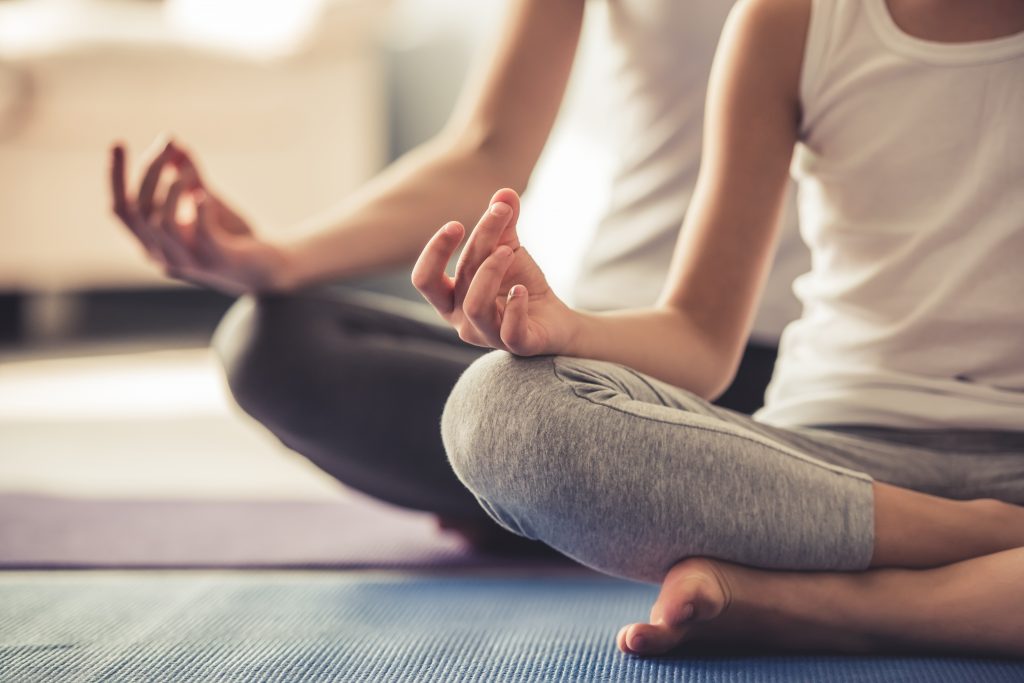
Yoga combines physical movement, controlled breathing, and focused attention, which may help some people manage stress and mild anxiety symptoms.
It can also provide structure, social connection, and a reason to step away from daily pressures.
Research suggests that yoga may:
- Reduce perceived stress;
- Support relaxation and body awareness;
- Improve mood and sleep;
- Ease muscle tension;
- Complement professional anxiety treatment.
However, current evidence does not establish yoga as equally effective as antidepressant medication, and it should not replace prescribed treatment or psychotherapy.
Research results vary because yoga styles, class frequency, and study quality differ considerably.
Choose a beginner-friendly class and tell the instructor about injuries, pregnancy, balance concerns, or medical conditions.
If a pose causes pain, dizziness, numbness, or breathing difficulty, stop and modify it.
The benefits of yoga are most likely to develop through safe, consistent practice—not one intense session.
Share Affection With Someone You Trust
Wanted physical affection, such as holding hands, hugging, cuddling, kissing, or consensual sex, may provide comfort and help the body respond to stress.
Research has associated affectionate touch with lower perceived stress and, in some studies, a reduced cortisol response.
The key is that the contact must feel safe, welcome, and mutually consensual. Ask rather than assume:
- “Would you like a hug?”
- “Can we sit together for a few minutes?”
- “Could you hold my hand while I calm down?”
Affection is not limited to romantic relationships.
A hug from a trusted friend or relative, cuddling a pet, or placing your own hand over your heart may also feel grounding.
One randomized study found that both receiving a hug and using self-soothing touch reduced cortisol responses after a laboratory stressor, although participants did not necessarily report feeling less stressed.
Physical touch can support connection, but it is not a replacement for therapy or medical care when anxiety is persistent or severe.
If touch feels uncomfortable or unsafe, choose another calming strategy without guilt.
Listen to Music That Helps You Unwind
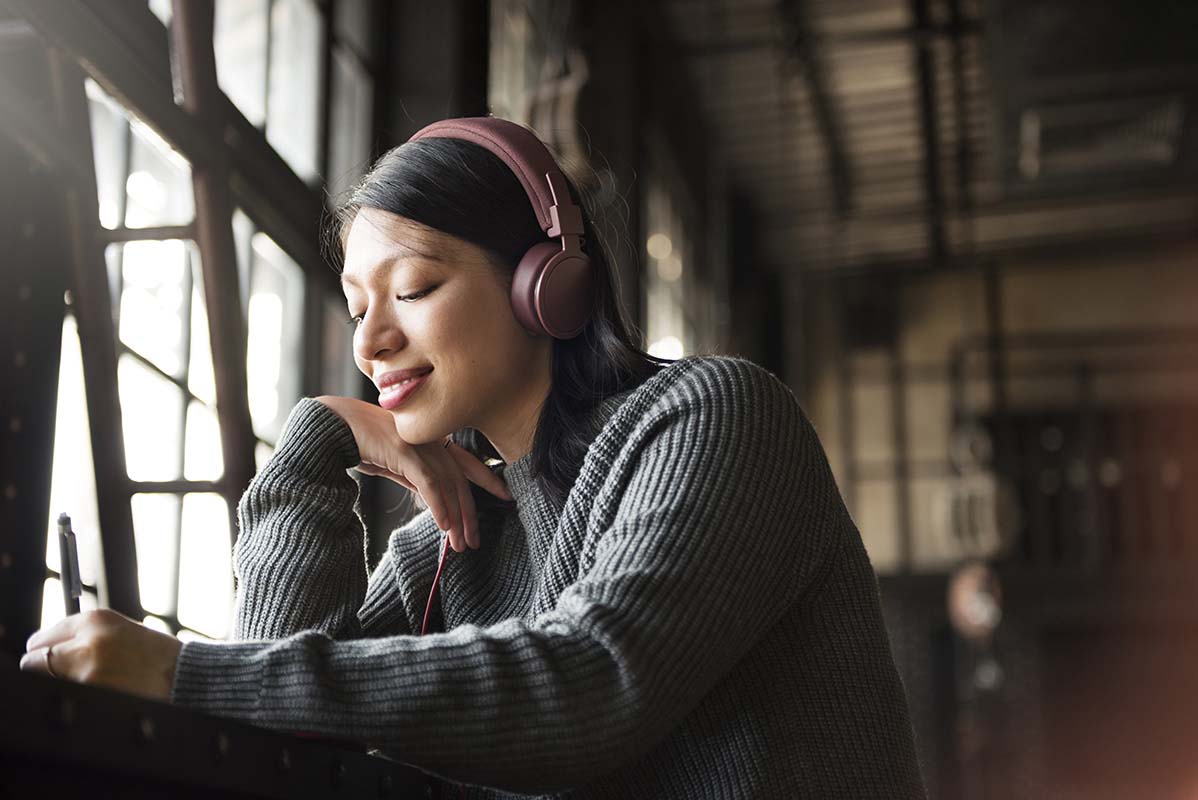
Music can offer a simple way to create distance from a stressful moment.
Research suggests that music-based interventions may improve psychological and physical measures of stress, although the response varies from person to person.
You do not need to choose classical music or a specific cultural genre.
The most helpful option may simply be music that feels familiar, safe, and calming to you.
Try creating a short relaxation playlist with:
- Slow instrumental tracks;
- Gentle songs connected to positive memories;
- Rain, ocean, forest, or other nature sounds;
- Guided breathing or meditation audio;
- Soft music without lyrics when you need to concentrate;
Listen at a comfortable volume for 10–20 minutes while resting, walking, stretching, or breathing slowly.
If a song brings back upsetting memories or increases agitation, switch to something neutral.
Listening to music can support relaxation, but music therapy is a structured clinical practice delivered by a credentialed professional.
Neither should replace appropriate treatment for persistent or severe anxiety.
Spend Time With Your Pet
For many people, spending quiet time with a pet provides comfort, companionship, and a welcome break from stressful thoughts.
Walking a dog, brushing a cat, or simply sitting together can also create routine and encourage movement or time outdoors.
Research on human–animal interaction is still developing, and results are mixed.
However, some studies associate interaction with animals with:
- Lower perceived stress;
- Reduced loneliness;
- Improved mood;
- More opportunities for physical activity;
- A stronger sense of connection and daily purpose.
The NIH notes that interaction with animals has been linked in some studies to lower cortisol and blood pressure, but pet ownership does not benefit everyone in the same way.
A pet also requires time, money, training, veterinary care, and long-term commitment.
Do not adopt an animal solely as a treatment for anxiety.
If ownership is not realistic, consider walking a friend’s dog, volunteering at an animal shelter, or visiting a reputable animal-assisted program.
If you already have a pet, let the interaction remain comfortable for both of you.
Never force contact when the animal shows signs of fear, pain, or a desire to move away.
Having a pet should support the well-being of both the person and the animal.