
Why Young Brits Are Choosing Travel Over Buying a Home
✨ Key Points
- Most young adults still expect to own a home, but many believe it will take years.
- High house-price-to-income ratios make travel feel more attainable than a deposit.
- A realistic budget can support both travel and long-term homeownership goals.
For many young adults in Britain, travel feels achievable now, while homeownership remains a distant financial goal.
An earlier MoneySuperMarket first-time buyer report found that 43% of respondents were more likely to save for a holiday than a property deposit.
Because that survey is no longer current, it should be treated as historical evidence rather than a description of every young Brit today.
Current government data provide a clearer picture:
- In 2025, the median home in England cost £300,000—7.6 times the median annual earnings of a full-time employee.
- In Wales, the equivalent affordability ratio was six times annual earnings.
- In 2024–25, 69% of people aged 16–34 in England still expected to buy a home eventually.
- However, 49% of those prospective buyers believed purchasing would take at least five years.
These figures suggest that many young people have not abandoned homeownership.
Instead, high prices, deposit requirements, mortgage affordability tests, and living costs may be delaying it. Travel offers a more immediate goal with a clearer price and shorter saving period.
Choosing a holiday is not automatically financially irresponsible, just as buying a property is not automatically the right decision for everyone.
The practical question is whether travel spending fits alongside emergency savings, debt payments, retirement planning, and a realistic housing goal.
This article examines why some young Brits prioritise travel over owning a property in Britain, what current housing data reveal, and how to balance meaningful experiences with long-term financial security.
The Changing Face of Property Ownership in Britain
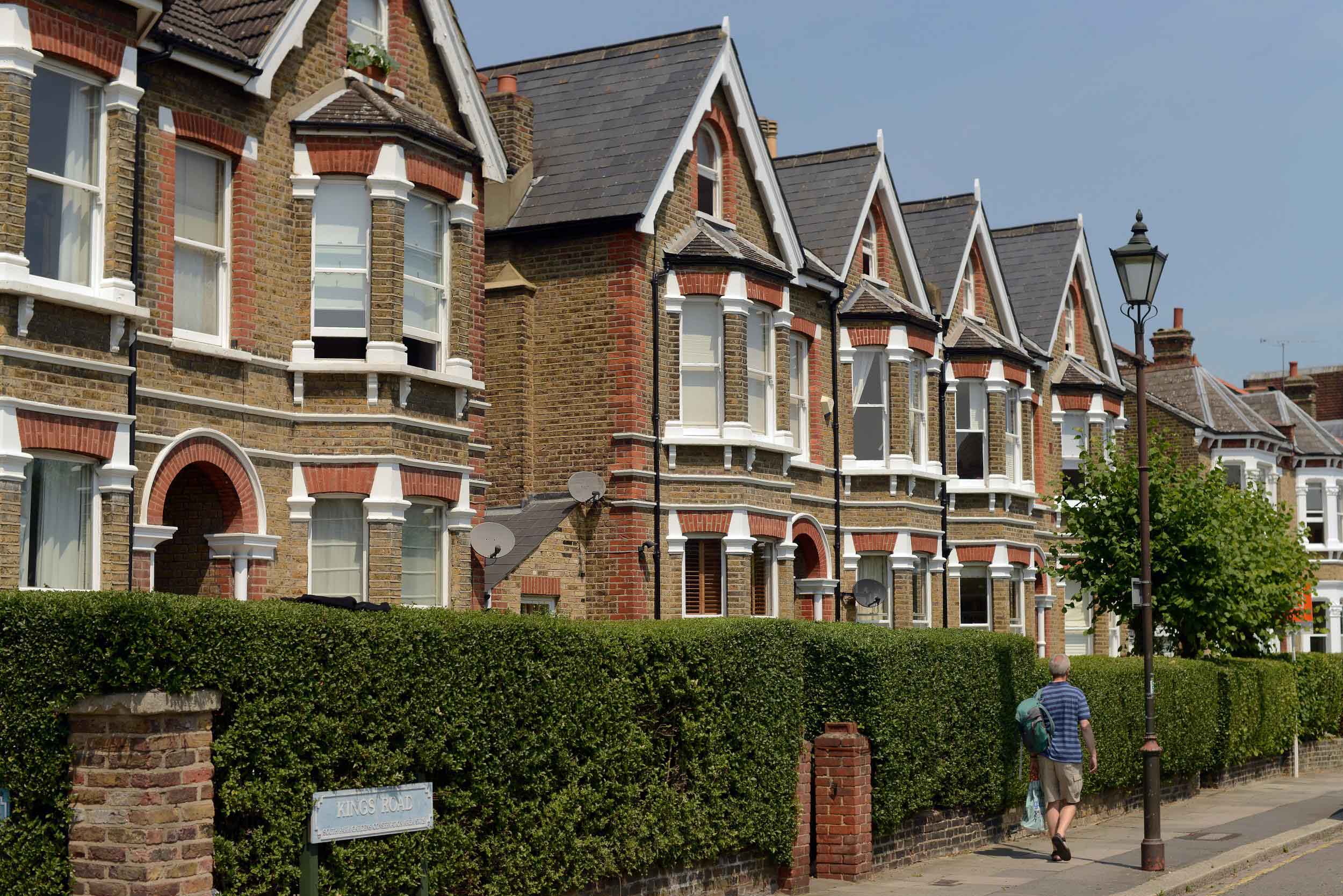
Homeownership remains important to many young adults, but reaching that goal now takes longer.
Historical comparisons suggest that owning a property in Britain has become less common among younger people.
However, figures from different years may use different age groups and definitions, so they should not be treated as directly comparable.
Current government data provide a clearer picture:
- The average first-time buyer in England was 32 in the two years ending March 2023.
- In 2024–25, 58% of first-time buyers were aged 25–34.
- The proportion aged 35–44 increased from 21% to 28% in one year.
- Nine percent were 45 or older, compared with 5% in 2019–20.
- Among people aged 16–34 who expected to buy, 49% believed it would take at least five years.
High property prices are only one obstacle. Buyers must also consider the deposit, affordability checks, interest rates, legal fees, surveys, maintenance, and the responsibilities of a subsequent mortgage.
Travel can feel more attainable because it has a defined cost and a shorter saving period.
Low-cost flights and online accommodation platforms have made travel easier to plan, which can make it feel more achievable than owning a property in Britain.
However, a trip is not always inexpensive once baggage, insurance, local transport, meals, accommodation fees, and unexpected costs are included.
Renting can provide flexibility for work, relationships, and travel, while buying may offer long-term stability and the opportunity to build equity.
Neither option is automatically better.
The right decision depends on income, location, future plans, savings, and the type of life a person wants to build.
House Prices Have Grown Faster Than Salaries
One major barrier to owning a property in Britain is that earnings have not kept pace with long-term house-price growth.
According to the Office for National Statistics, the median home in England cost £300,000 in 2025 — 7.6 times the median annual earnings of a full-time employee.
The gap is particularly difficult for buyers in London, where saving for a deposit must compete with rent, transport, bills, and other everyday expenses.
Buyers must also budget for mortgage payments, legal fees, surveys, insurance, repairs, and maintenance.
This helps explain why a holiday can feel more achievable than homeownership. A short trip has a clear cost and may provide:
- A realistic goal to anticipate and save toward;
- Time away from work and everyday pressure;
- New cultural experiences and stronger relationships;
- A sense of progress while larger financial goals remain distant;
Travelling does not need to replace saving for a home.
Someone researching things to do in London in January, for example, could plan an affordable off-season city break while continuing to contribute toward a deposit.
The healthiest approach is to avoid treating travel and homeownership as opposing choices.
A realistic budget can leave room for meaningful experiences today without abandoning long-term financial security.
Other Factors Affecting First-Time Buyers in the UK

House prices are only one part of the homeownership challenge.
A buyer’s income, location, household structure, deposit, credit history, family support, and property type can all affect when, or whether, they can purchase a home.
Important factors include:
- Buying alone or jointly: Two incomes may increase borrowing capacity and make saving for a deposit easier, but both buyers become responsible for the mortgage.
- Family support: Gifts, loans, or inherited wealth can significantly affect access to homeownership, creating an advantage for buyers with financial help.
- Location: Property prices and affordability vary considerably between London, other cities, smaller towns, and rural areas.
- Age: Government data show that more people are purchasing their first home later in life.
- Additional costs: Legal fees, surveys, insurance, moving expenses, maintenance, and repairs must be considered alongside the deposit.
- Long-term flexibility: Buying may provide stability, while renting can make it easier to relocate for work, relationships, or travel.
The earlier MoneySuperMarket analysis included gender comparisons and a prediction that the average flat could cost £770,000 by 2038.
These figures should be treated as historical projections rather than current facts.
Readers can review the original full breakdown here.
Travel may feel more attainable than buying a property, but the decision does not need to be either-or.
Young adults can create separate savings goals for emergencies, travel, and a future deposit.
This makes it possible to experience life now while maintaining progress toward long-term financial security.
Conclusion: Travel Now or Save for a Home?

Buying a home can provide stability, control over your living space, and the opportunity to build equity.
Travel offers different real-life benefits: rest, confidence, stronger relationships, cultural understanding, and memories that cannot be postponed indefinitely.
You do not need to choose one dream and abandon the other.
A practical plan can include:
- An emergency fund for financial security;
- A dedicated account for a future home deposit;
- A smaller travel fund for experiences along the way;
- Automatic monthly contributions to keep every goal moving;
- Regular reviews as your income, priorities, and location change;
Homeownership is not the only measure of adulthood or success.
Renting while travelling, developing your career, or deciding where you genuinely want to live can be a thoughtful choice—not a failure to progress.
Start with the life you can realistically build today.
Take the affordable trip, continue saving, avoid unmanageable debt, and remain open to buying when the timing and property are right for you.
The goal is not simply to own a house; it is to create a secure, meaningful life you are excited to live.