Celebrities Who Beat Heroin Addiction Stories That Show Recovery Is Possible
✨Key Points
- Over 100,000 Americans die annually from drug overdoses, mostly opioids;
- Addiction is a chronic but manageable condition with proper treatment;
- Stories of celebrities who are recovering heroin addicts show recovery is possible.
Addiction doesn’t care about status, money, or success, and that’s exactly why stories of celebrities who are recovering heroin addicts resonate so deeply.
They remind us that recovery is real, even when things feel overwhelming.
In the U.S., the scale of substance use is still serious.
According to the National Institute on Drug Abuse, over 100,000 people die each year from drug overdoses, with opioids like heroin and fentanyl driving the majority of cases.
These numbers highlight how powerful addiction can be, but also why effective treatment and recovery matter more than ever.
Addiction is now widely understood as a chronic but manageable condition, influenced by both biological and environmental factors.
That means recovery isn’t about “willpower alone”, it’s about the right support, treatment, and consistency over time.
What makes celebrity recovery stories powerful isn’t fame, it’s relatability.
Many of them faced the same fears, relapses, and doubts that everyday people experience, yet found a way forward.
Here’s what stands out:
- Recovery is possible — even after long-term heroin use;
- Addiction affects anyone, regardless of lifestyle or success;
- Long-term progress comes from treatment, support, and consistency;
- Real stories create hope and motivation to take the first step.
These stories aren’t just inspiring — they show that change can happen, even in the hardest situations.
Why Do They Do It?
Is the celebrity lifestyle especially conducive to the use of illicit drugs or addictive behavior?
We imagine they live a party-filled life with easy access to drugs and alcohol. Many celebrities start their careers early.
They never develop the maturity to handle the pressure without recourse to chemical help.
They are overprotected and vulnerable.
Being in the limelight brings its own risks. Being judged by media, fans, and the industry can take a heavy toll.
There’s the pressure to perform at the highest level, to be successful, and to look great at all times.
If celebrities have a higher need for approval, reassurance, and reward than others because of the unique nature of their work and lives, perhaps drugs are an answer.
Drugs interfere with the way the brain processes information creating feelings of euphoria.
The problem is drugs can only do this for a short while.
The brain demands more and more drugs to achieve the same level of reward.
They’re Like You and Me
Researching the levels of celebrities on drugs is difficult to do. People don’t report this accurately.
Most of our information is supplied by the entertainment media — an unreliable source.
The journalists, media management, and the celebrities themselves have a huge interest in getting publicity for the artists, their movies, and their music.
Drug and Heroin Detox stories are news so they get high prominence which tends to distort our perceptions about the prevalence of addiction.
Whether it’s Elvis, Marilyn Monroe, or the “27 club,” drugs and celebrities have always sold newspapers or more recently, internet clicks.
Here’s a sobering thought: About one in 10 celebrities have a drug abuse problem.
That percentage is no more than the general population. These celebrities aren’t different.
The lesson isn’t that they’re so special but that they’re like everyone else. What’s important is how come so many make a recovery, go through a heroin detox, live on, and have happy lives.
Russell Brand
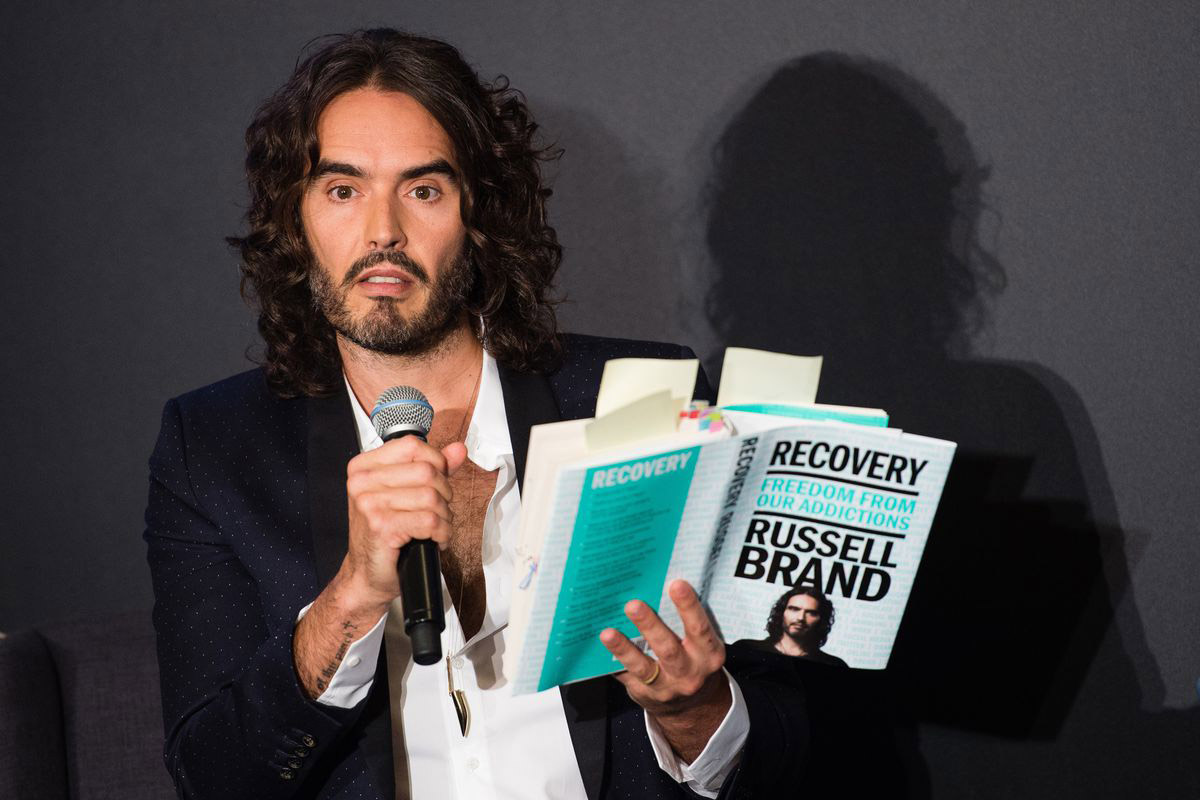
Russell Brand has experienced lots of addictive behavior from drugs and alcohol to sex.
Partly stung by the death of Amy Winehouse, a friend of his, he turned away from heroin and other drugs.
He explains that spirituality works for him.
He is a transcendental meditation practitioner and advocate of the practice.
The brand has also become a father and clearly enjoys the experience.
Comedy, movies, political activism, and writing are all now delivered soberly but with no loss of anarchic wit and charm.
Robert Downey Jr.
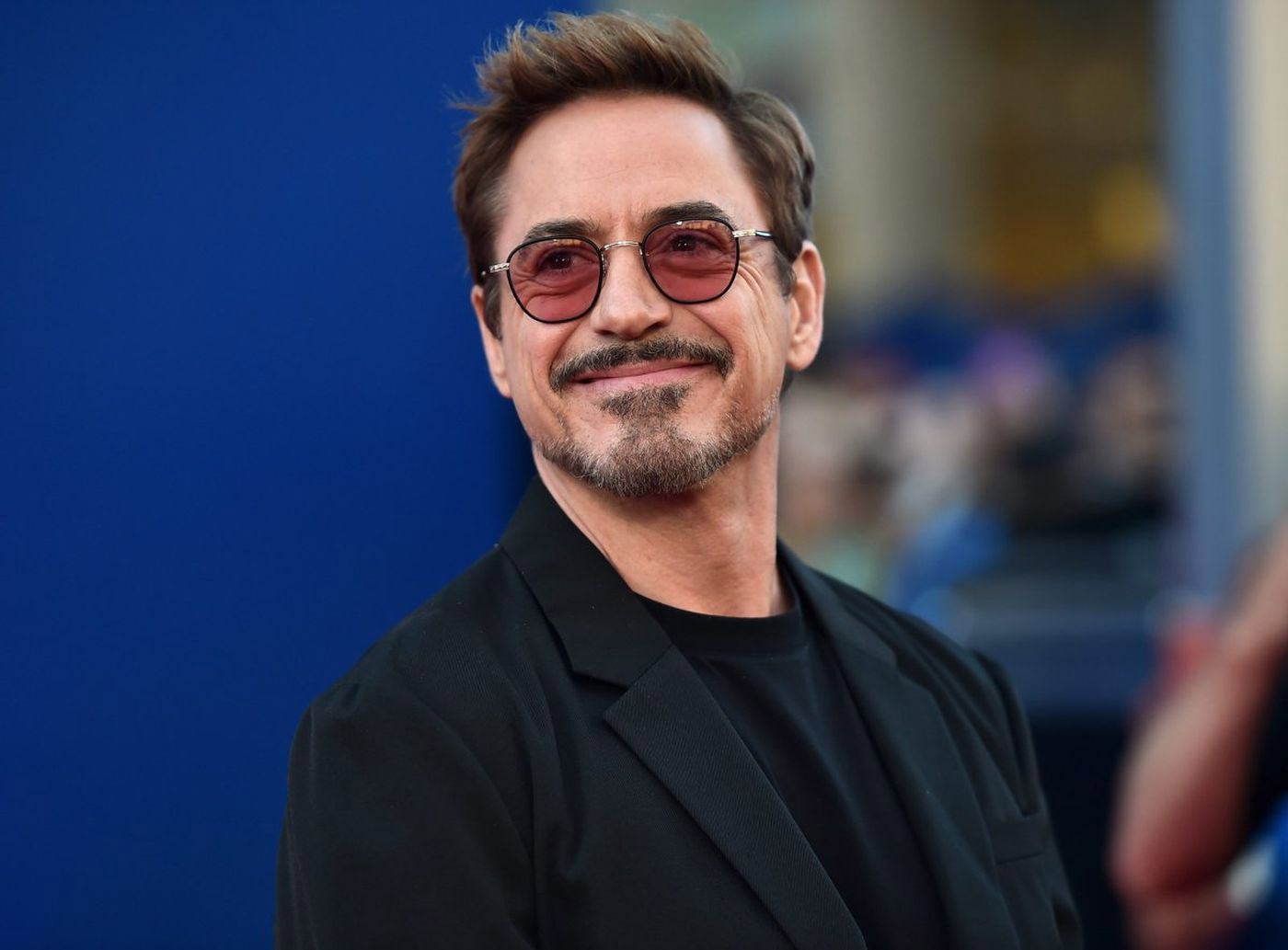
It’s hard to imagine the blockbuster Ironman movies without Robert Downey Jr.
Not only has he successfully made the part his own but he’s also made both himself and the studio a huge amount of money. Sequels, merchandise, and spinoffs have been lucrative.
All of that came after the movie’s release in 2008. Prior to 2002, Robert Downey Jr. had five years of drug and alcohol abuse, arrests, rehabilitation, and relapses.
He attributes his recovery to the support of his wife and family and well as therapy, meditation, and Kung Fu practice.
The 12-step recovery program has also been part of his recovery process.
Samuel L. Jackson
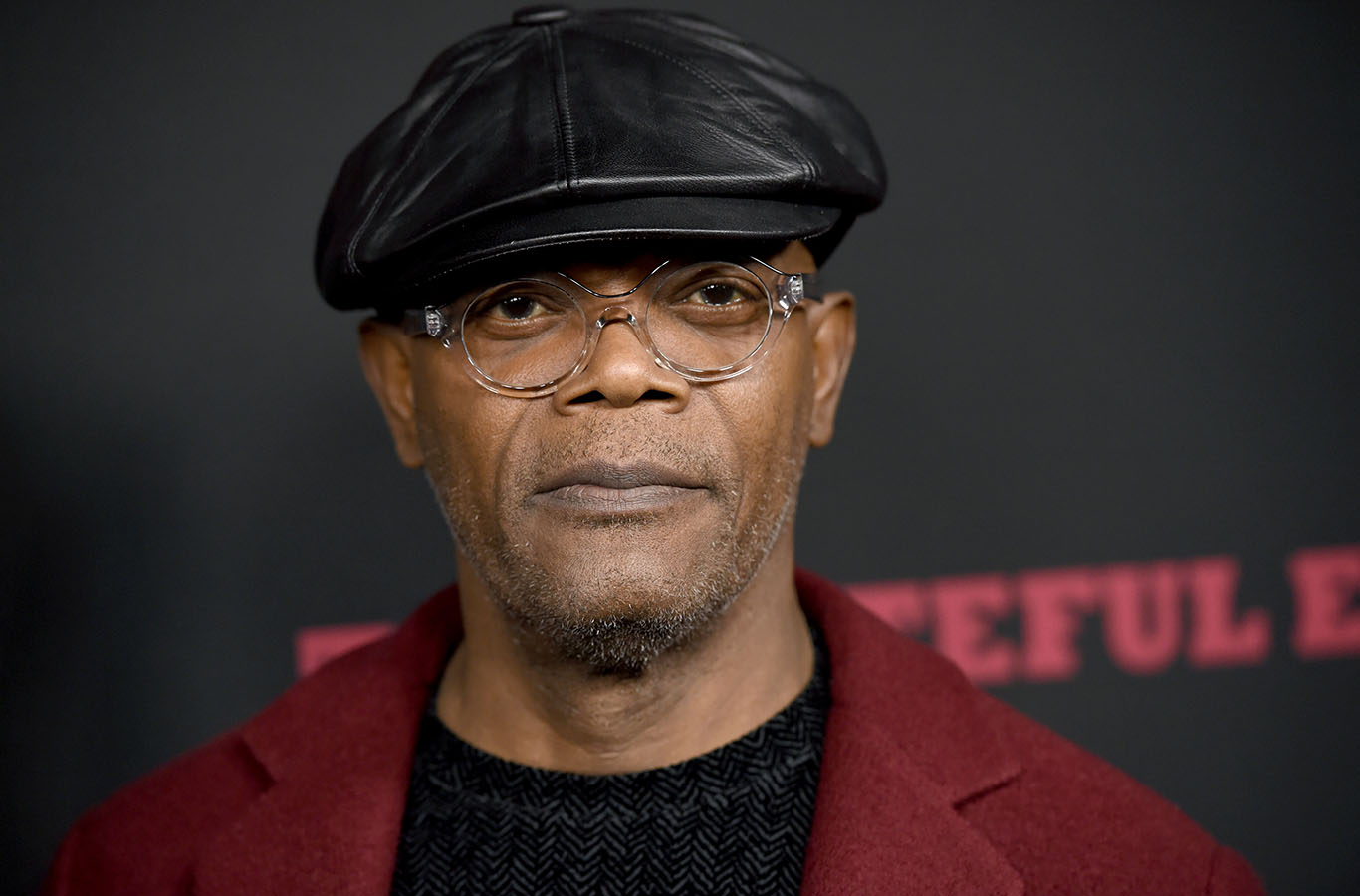
Samuel L. Jackson is an actor, film producer, and civil-rights activist.
He’s the highest grossing actor of all time. His films have earned more than $7.4 billion.
It’s his wife and daughter that Jackson gives credit to when explaining his recovery from heroin addiction.
It was their repeated pleas that eventually encouraged him to seek rehabilitation help.
He had overdosed several times in the 1990s, early into his career.
Recovering Heroin Addicts: Angelina Jolie

Angelina Jolie has lived much of her life in the public eye — from award-winning film roles to decades of humanitarian work and a widely covered personal life.
But in the late 1990s, particularly around 1998–2000, she has openly spoken about a darker period marked by drug use and risky behavior.
In interviews, Jolie described herself as “lucky” to have survived that time, noting how close she came to serious consequences.
During that period, she reportedly experimented with multiple substances, including heroin, before stepping away and beginning a long process of rebuilding her life.
By the early 2000s, her trajectory had already begun to change. She went on to win an Academy Award, take on major film roles, and expand her work globally.
Over the following decades, especially from 2001 onward, she became deeply involved in humanitarian efforts, working with refugees and international organizations.
As of 2026, Jolie is widely recognized not only for her film career but for her sustained advocacy, directing work, and global influence.
While she previously ranked among the highest-paid actresses (including top placements on Forbes lists in the 2010s), her public image today is more closely tied to resilience, purpose, and long-term transformation.
Her story is often referenced as a reminder that even the most difficult chapters don’t define the outcome, what matters is the direction you choose next and the consistency to keep moving forward.
Nicole Richie Recovering Heroin Addicts

Nicole Richie first rose to fame in the early 2000s alongside her friend Paris Hilton on the reality TV show The Simple Life (2003–2007).
While the show portrayed a playful, carefree lifestyle, her real life during that period was far more complicated.
Adopted by Lionel Richie, she grew up with access to fame and opportunity, but her early career was also marked by personal struggles.
In the mid-2000s, she faced legal issues, including a 2006 DUI arrest, and has spoken openly about challenges with substance use and an eating disorder.
She has acknowledged experimenting with drugs, including heroin, during her teenage years.
By the late 2000s, particularly around 2007–2010, Richie began to turn things around, focusing on her health, family life, and professional direction.
As of 2026, her story is often seen as one of long-term growth. She has built a successful career in fashion with her brand House of Harlow 1960, expanded into writing and television, and maintained a more private, stable personal life.
Her journey reflects a broader pattern seen in many stories of celebrities who are recovering heroin addicts, early struggles don’t define the outcome.
What matters is the shift in direction, consistency, and the willingness to rebuild over time.
Eric Clapton
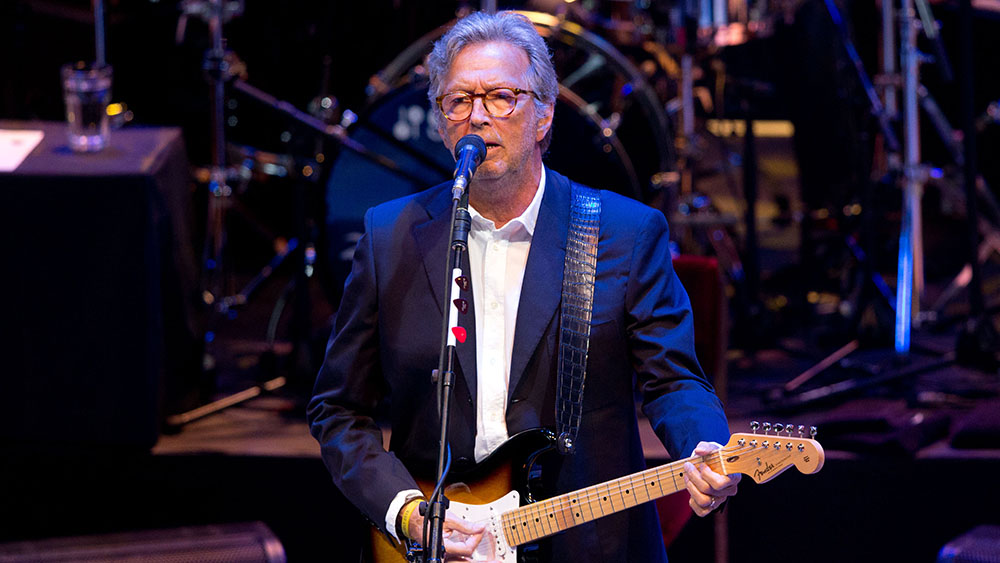
In his early career, Eric Clapton would often hear his fans shout from the crowd, “Give God a solo.”
This kind of approval and pressure did not rest easy with the young guitar hero.
Childhood challenges no doubt contributed to his chaotic and self-destructive behavior throughout much of his career.
After a couple of decades of abuse, Clapton had to kick heroin and alcohol.
His recovery in 1982 did not result in a perfect life. His four-year-old son Conor, died tragically in 1991.
The death of his infant son did not result in a return to old habits but to the release of a single, “Tears in Heaven,” expressing his grief. He is also a director of Action on Addiction, a UK drug and alcohol charity, and the Crossroads Centre in Antigua.
Celebrities Recovering Heroin Addicts What Their Stories Teach About Real Recovery
Celebrities are just as affected by the biological and environmental factors behind addiction as anyone else, and many have faced the same difficult moment of realizing something needs to change.
For some, that starts by recognizing the signs you need to go to rehab, even when it’s uncomfortable to admit.
✨What their stories show is simple but powerful: recovery is possible, and it often begins with one honest decision.
Celebrities who have gone through heroin addiction and detox didn’t rely on one solution, they used a mix of therapies, support systems, and lifestyle changes to rebuild their lives.
The same path is available to anyone willing to take that first step.
And the results can be life-changing:
- Regaining control over your daily life and decisions;
- Improving mental clarity and emotional stability;
- Rebuilding relationships and trust;
- Restoring physical health and energy;
- Creating a future that feels stable and meaningful.
Recovery isn’t about being perfect, it’s about moving forward, step by step, with the right support.
If you’re starting to notice the signs you need to go to rehab, don’t ignore them.
That awareness isn’t a weakness, it’s the beginning of change.
Take the next step. Learn your options, reach out for support, and give yourself the chance to rebuild.