
Oral Health: Dental Care Practices for a Healthy Mouth
✨ Key Points
- Brushing alone is not enough for long-term oral health.
- Preventive dental care can help reduce costly treatments later in life.
- Healthy daily habits support stronger teeth, healthier gums, and greater confidence.
Most people are taught to brush their teeth twice a day from childhood, but maintaining a healthy mouth involves far more than brushing alone.
Poor oral health can quickly become expensive, especially as dental costs continue to rise across the United States.
Today, a routine dental cleaning and exam can cost more than $200 without insurance, while fillings often range from $200–$400 per tooth.
More advanced procedures, such as crowns, root canals, Invisalign, or dental implants, can cost thousands of dollars over time.
Preventive dental care and strong daily habits can help reduce the risk of cavities, gum disease, enamel erosion, and expensive long-term treatments.
Healthy oral care habits help support:
- Stronger teeth and healthier gums
- Reduced risk of costly dental procedures
- Fresher breath and improved oral hygiene
- Better long-term oral health and comfort
- Greater confidence in your smile
Simple habits like proper brushing, flossing, healthy eating, drinking water, and regular dental visits can make a major difference in protecting your teeth and lowering future dental expenses.
Want to learn more ways to care for your teeth without having to spend more money than you need to at the dentist in Glen Rock?
Eat Healthy and Drink Water

What you eat and drink plays a major role in your oral health, the strength of your teeth, and even your long-term smile confidence.
Simple daily habits can help protect tooth enamel, reduce cavities, and support healthier teeth over time.
Drinking water after meals is one of the easiest ways to help wash away sugars, acids, and food particles that can remain on your teeth after eating.
Too much sugar in the mouth eventually turns into acid, which can weaken enamel and increase the risk of cavities.
Acidic drinks and foods, including coffee, tea, soda, and citrus fruits, may also gradually wear down tooth enamel over time.
Healthy habits that support stronger teeth include:
- Drinking water after meals and sugary drinks
- Brushing teeth after consuming acidic foods when possible
- Limiting excessive sugar and acidic beverage intake
- Eating crunchy fruits and vegetables rich in fiber
- Maintaining consistent daily oral hygiene routines
Crunchy fruits and vegetables, such as apples, carrots, and celery, are especially beneficial because their natural texture can help stimulate saliva production and gently clean the teeth while eating.
Taking care of your teeth through healthy eating habits not only supports better oral health, but can also help boost self-confidence by keeping your smile healthier, brighter, and stronger for years to come.
Flossing Is Just as Important as Brushing
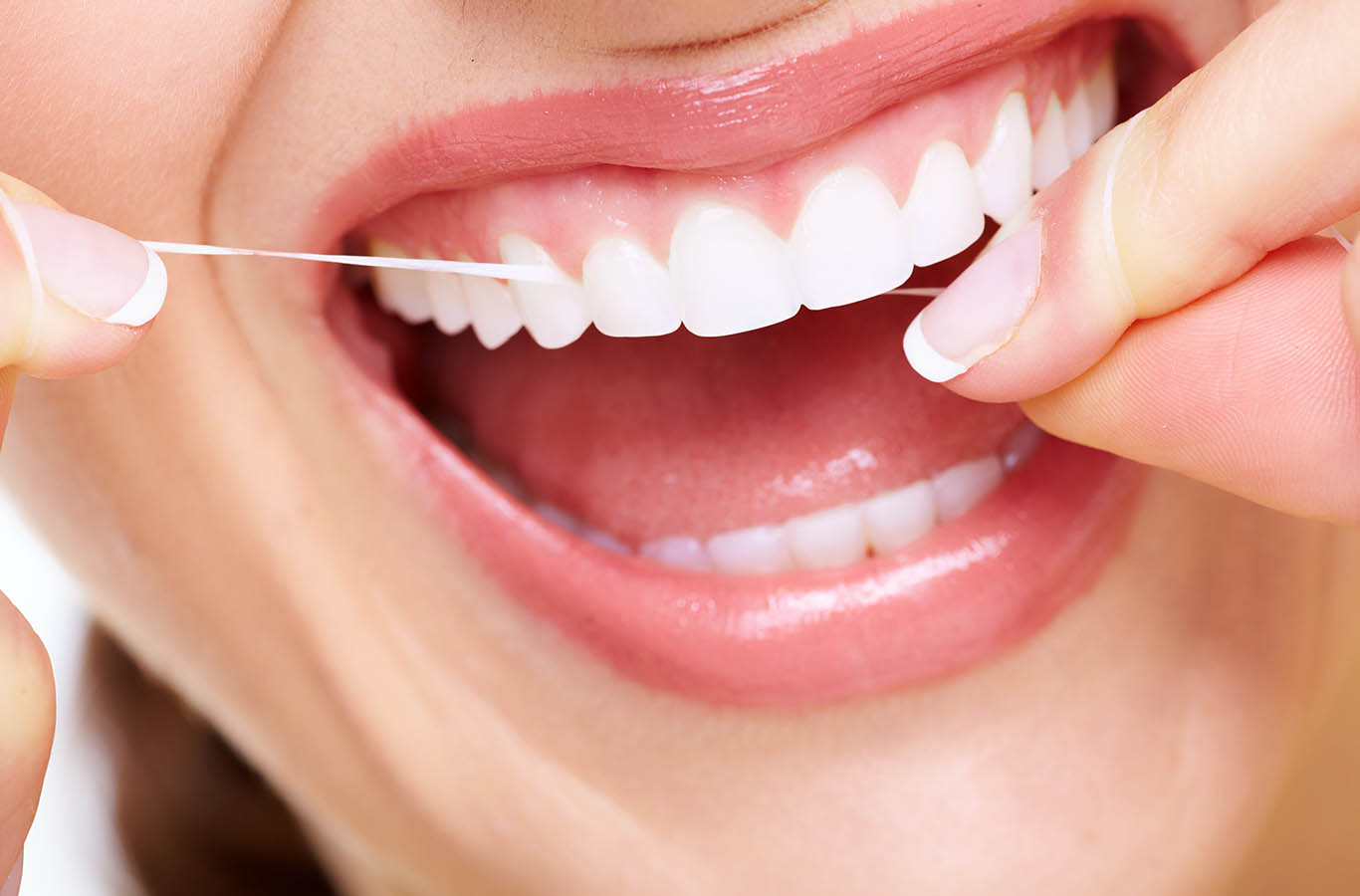
Dental experts from Dental Clinic in Oshawa continue to emphasize that flossing plays a critical role in maintaining healthy teeth and gums. While brushing cleans the surface of your teeth, flossing helps remove plaque, food particles, and bacteria trapped between teeth and along the gumline where toothbrushes often cannot reach.
Brush Your Teeth Properly Every Day
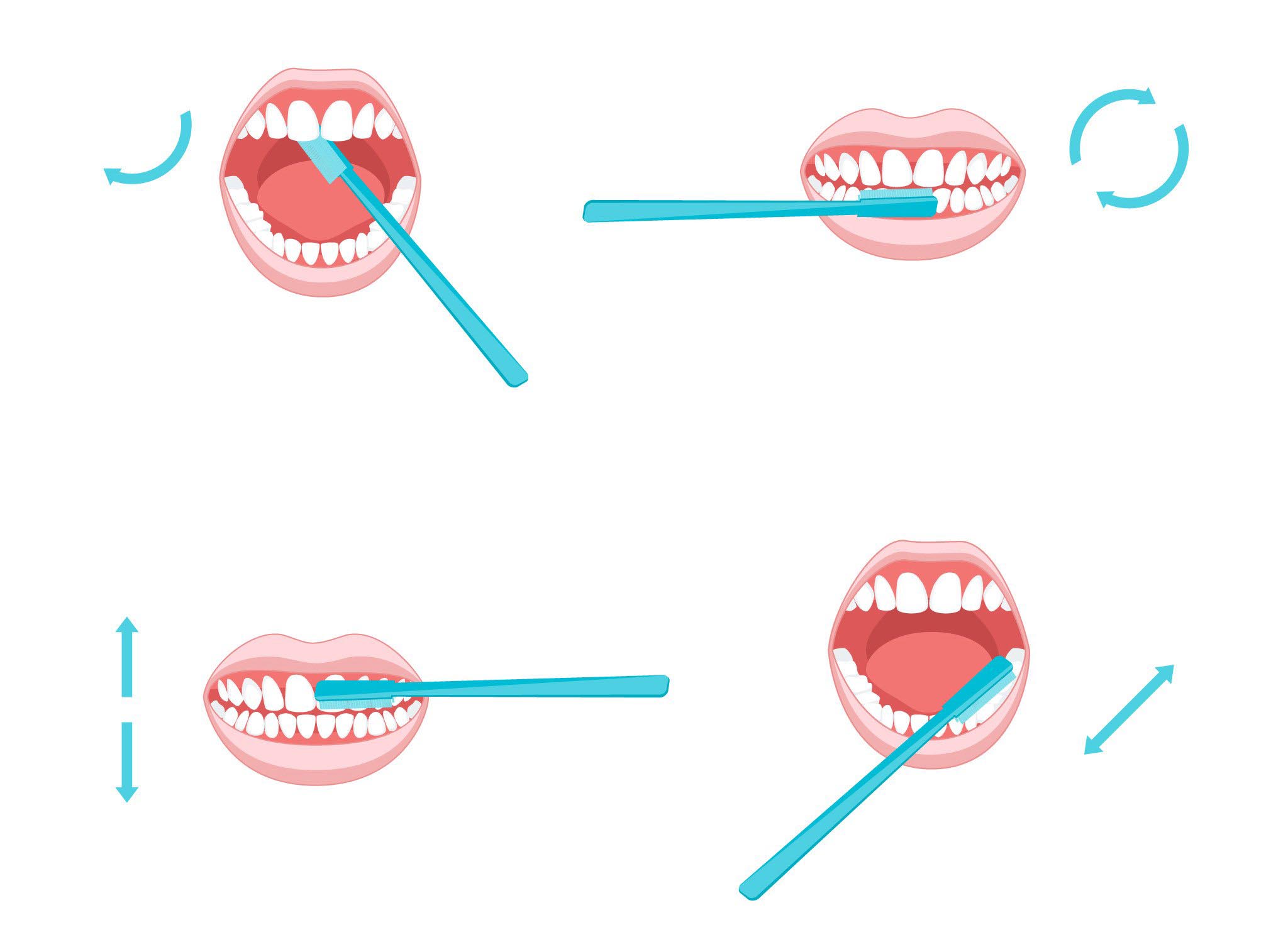
Most people have heard that brushing your teeth at least twice a day is essential for maintaining good oral health.
Dentists also strongly recommend brushing before bed to remove plaque, bacteria, and food particles that can sit on the teeth overnight and increase the risk of cavities and gum disease.
However, how you brush your teeth is just as important as how often you brush.
Proper brushing techniques help protect tooth enamel, clean along the gumline, and remove harmful plaque more effectively.
Healthy brushing habits include:
- Brushing at least twice daily;
- Never going to bed without brushing your teeth;
- Using gentle circular motions instead of brushing too aggressively;
- Paying close attention to the gumline;
- Using a soft-bristled toothbrush to protect enamel and gums;
- Choosing fluoride toothpaste to help strengthen teeth and prevent decay;
- Brushing your tongue to remove bacteria and freshen breath.
Fluoride remains one of the most important defenses against tooth decay and is commonly recommended by dental professionals.
Whether you prefer whitening toothpaste or a formula for sensitive teeth, choosing one that contains fluoride is a simple way to make regular dental care easier without adding another step to your daily routine.
Consistent brushing with fluoride toothpaste can help:
- Strengthen tooth enamel and make it more resistant to decay.
- Support cavity prevention as part of everyday preventive dental care.
- Keep your routine simple, since protection is built into something you already do every day.
Over time, small choices like this can make maintaining healthy teeth feel less like another task on your schedule and more like an automatic part of everyday life.
Best Dental Care Summary
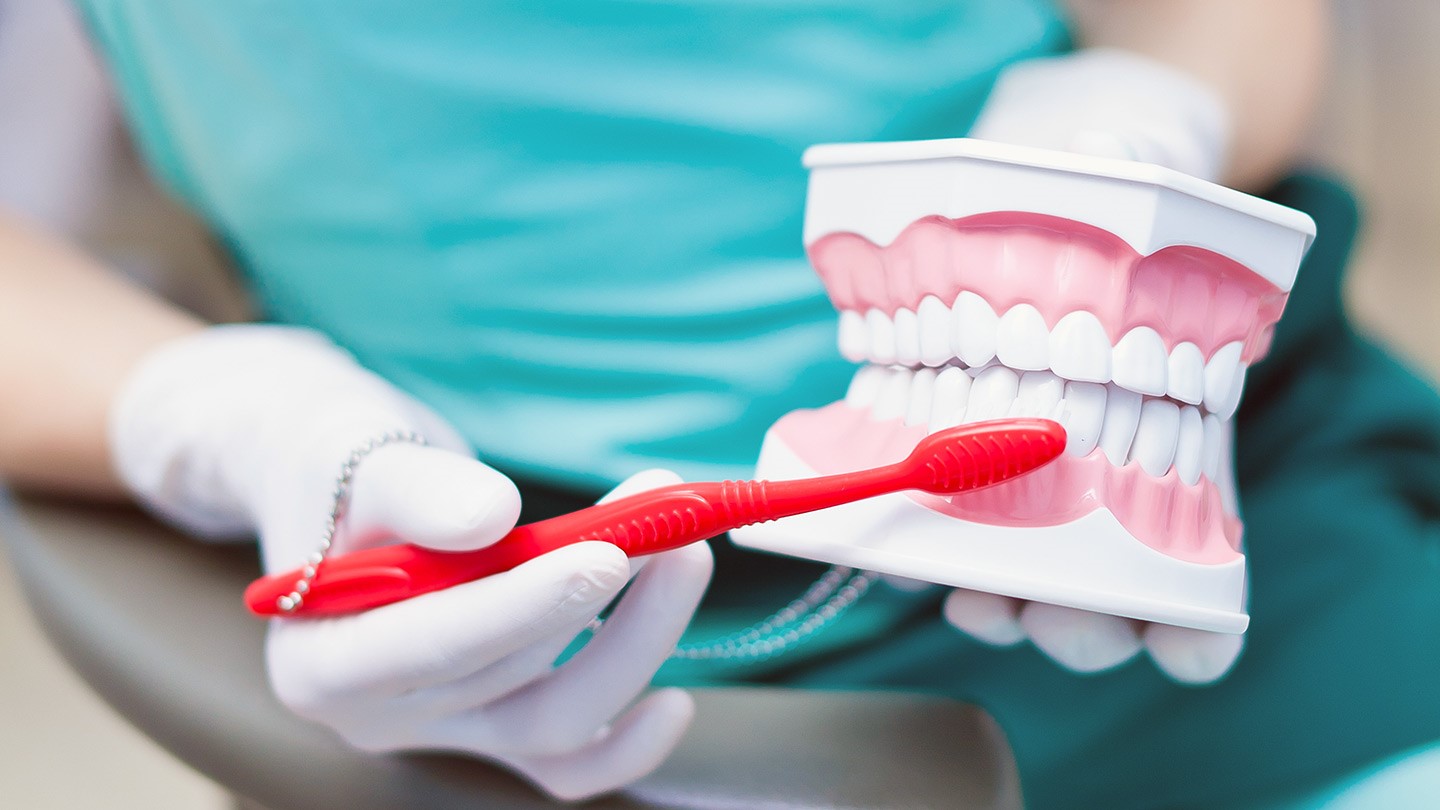
Taking care of your teeth involves much more than simply brushing twice a day.
Maintaining a healthy smile requires consistent oral hygiene habits, proper brushing techniques, regular flossing, healthy eating, and routine dental checkups.
Strong daily habits can help protect your teeth, reduce the risk of cavities and gum disease, and improve long-term oral health.
Good dental care includes:
- Brushing properly at least twice a day;
- Flossing daily to remove plaque between teeth;
- Drinking water and limiting excessive sugar intake;
- Eating healthy, fiber-rich foods that support oral health;
- Visiting your dentist regularly for cleanings and examinations;
- Addressing dental issues early before they become more serious.
Regular dental visits, ideally at least twice a year, can help detect tooth decay, gum problems, and alignment issues before they progress.
Your smile is often one of the first things people notice, and healthy teeth can play a major role in confidence and overall well-being.
For patients looking to improve their smile discreetly, modern orthodontic options like clear aligners and Invisalign can help straighten teeth without traditional braces.
You can read more to learn how.