
Which Is The Best Flea and Tick Prevention for Your Dog?
✨ Key Points
- There is no single best flea prevention for every dog. The right option depends on your dog’s age, weight, health, lifestyle, and parasite exposure.
- Compare protection, not just price. Check which parasites the product covers, how long it lasts, how it is given, and whether it is safe around other pets.
- Consistency matters. Even an effective flea treatment can fail if doses are missed, applied incorrectly, or prevention stops while fleas are still active.
Walk into any pet store and flea prevention looks simple until you see the shelf: monthly chews, topical treatments, collars, shampoos, sprays, and products that protect against several parasites at once.
The best choice isn’t necessarily the strongest-looking package or the cheapest monthly option.
It depends on which parasites are common where you live, your dog’s age and weight, health history, lifestyle, and how consistently you can use the treatment.
A dog that hikes through wooded areas may need different protection from one that spends most of the day indoors.
And fleas aren’t only an outdoor problem.
Once brought inside, they can survive and reproduce in carpets, bedding, furniture, and other areas of the home, turning one flea problem into an infestation that can impact you and your home.
Before choosing flea prevention, compare:
- What it protects against: fleas only or fleas plus ticks and other parasites;
- How long it works: daily, monthly, or longer-lasting protection;
- How it’s given: oral chew, topical treatment, or collar;
- Your dog’s age and weight: products have specific requirements;
- Other pets at home: some ingredients used for dogs can be dangerous to cats;
- Your routine: protection only works when it’s used correctly and on schedule;
There isn’t one best flea prevention for every dog.
The goal is to find safe, reliable protection that matches your dog’s actual exposure and that you’ll use consistently.
Here is what to compare before choosing flea and tick prevention for your dog.
Use Essential Oils

Essential oils aren’t just for your body’s own healing system.
They are also an effective flea and tick repellent for dogs.
All you need to do is to create an essential oil spray for your dog and it will prevent the itching and scratching that results from flea and tick infestations.
There are many different types of essential oil recipes you can choose for your dog.
Some of the common types of essential oils you can find on the market include lavender, cedar, lemongrass, peppermint, eucalyptus, rosemary, and many more.
Massaging your dog with these natural oils is an excellent way to give them a spa treatment while keeping fleas and ticks at bay.
Use Flea and Tick Removal Tools
Simple tools like flea combs and tick brushes for dogs are effective at removing adult fleas and ticks that have already infested your companion animal.
All you need to do to help your four-legged friend stay flea- and tick-free is to regularly inspect them with the pest-removal tools. Make sure you work through your dog’s fur or coat gently and safely.
Give Your Dog Flea and Tick Medicine
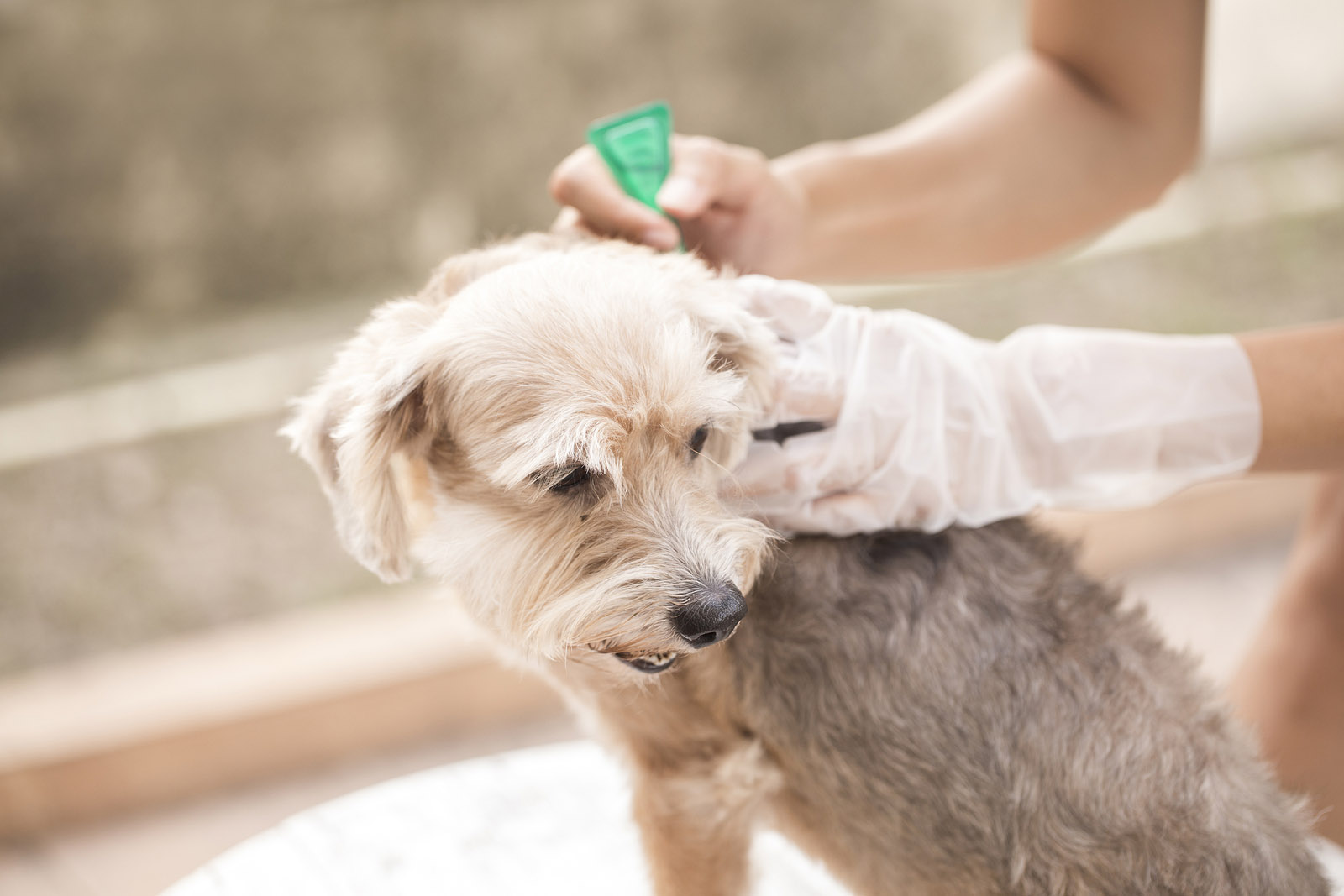
These orally administered pills and tablets are known to be highly effective at killing fleas and ticks.
However, they can come with side effects. It is important to get a prescription from your vet before giving your dog any medication.
For dogs from 8 weeks of age only, consider buying Bravecto medium dogs.
Maintain a Clean Yard
Fleas and ticks love dirty environments. If you don’t keep your exterior home environment clean, you’ll be sending these pests an open invitation to enter your home. Keep the turf on your lawn short and clean.
If you fail to mow your lawn regularly and leave trash all over the place, don’t be surprised to see your dog itching and scratching during playtime.
If pests have already invaded your yard, consider seeking out a pest control professional to help you control the infestation.
Provide a clean home for your dog with Aicool Smart Trash Can.
What’s the Best Flea and Tick Prevention for Dogs?
The best flea and tick prevention for dogs is the one that matches your dog’s actual risk and is safe enough to use consistently.
Where you live matters, but so do your dog’s age, weight, health, travel habits, and time spent on trails, in parks, or around other animals.
Before choosing a product:
- Check which fleas, ticks, and other parasites it protects against.
- Choose the correct product for your dog’s age and weight.
- Consider how often your dog is outdoors and where you travel together.
- Never assume a dog flea treatment is safe for cats in the same household.
- Ask your veterinarian about prevention if your dog has health conditions or takes other medications.
Learning how to protect your pet from pests is part of knowing how to support your pet’s well-being year-round.
It can also help prevent parasite-related problems that eventually add to vet visit costs.
The right prevention isn’t simply the product another dog owner recommends.
It’s the one that fits your dog’s risk, your location, and a schedule you can reliably maintain.