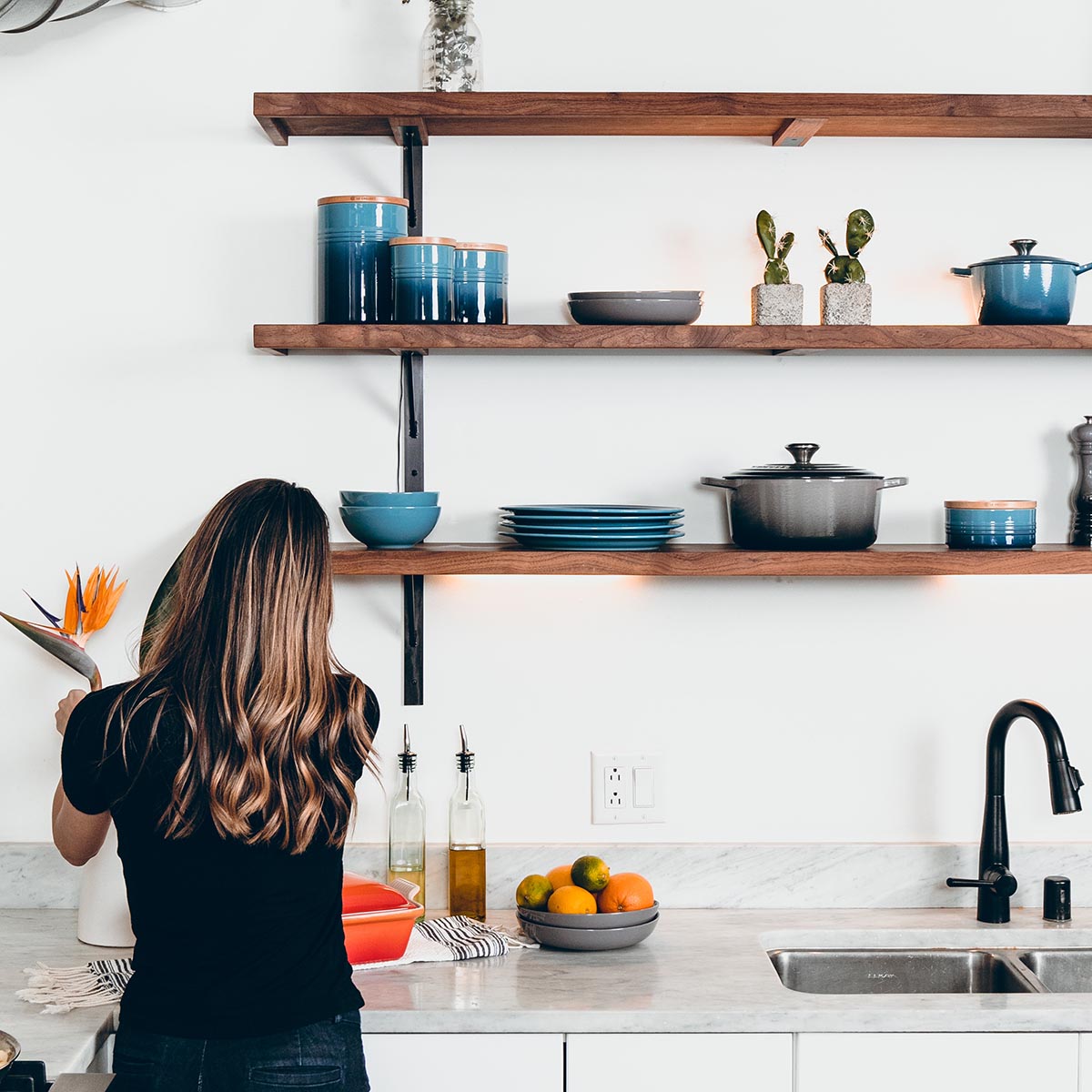
Interior Design Trends 2030: The Future of Interior Design
✨Key Points
Your home reveals who you are. Interiors speak first — they start the conversation and show your personality, lifestyle, and emotional state before you say a word.
The future of interiors is flexible and human-centered. By 2030, homes will be smaller, multifunctional, sustainable, and supported by smart-tech and biophilic design.
Dopamine décor is reshaping how we design. The trend focuses on colors, textures, and objects that boost mood and create spaces that feel good, not just look trendy.
OMG! You know that saying about a remodel costing an arm and a leg—not to mention the design fees if you’re starting a brand-new project?
Well… it’s true. Finishing our renovation was insanely expensive, but it also taught us so much about the magic of good design and how professionals can take your messy ideas and turn them into something real.
While we were in the middle of the project, I got so curious about interior design itself—how it works, why people make certain choices, and what the future of our homes might look like.
The world is changing so fast, and suddenly I wanted to understand what’s next… and what I personally connect with.

In The Future of Interior Design, Nader Soubra explores the evolving world of interior design, revealing how technology, sustainability, and innovation are transforming our living and working environments.
Working with a designer was eye-opening. You learn so much just by watching how they think.
And somewhere in that process, I realized something very real: your home is basically your personality unpacked.
Our lifestyle, our habits, our mood—they all show up in the way we arrange a room, the colors we choose, the textures we gravitate toward.
Interiors speak — carry the first line of the conversation, revealing pieces of you without saying anything at all.
They tell a story long before we say a word.
You can walk into someone’s space at any moment and instantly understand what they value, what comforts them, what inspires them, and what season of life they’re in.
It’s like a quiet conversation happening in the background.
Now, with 2030 less than five years away, I’ve been geeking out on the future of interiors.
Experts predict smaller, multifunctional homes, sustainable materials, and open, flexible kitchens.
Designers are already leaning into modular furniture, smart-home tech, and those calming biophilic elements that make a space feel alive.
Somewhere along the way, I also stumbled on the concept of dopamine interior—a style that’s all about surrounding yourself with colors, textures, and objects that genuinely boost your mood.
And honestly? In a world obsessed with trends, it reminded me that the best spaces aren’t the prettiest ones.
They’re the ones that feel good.
Futuristic aesthetics taking over
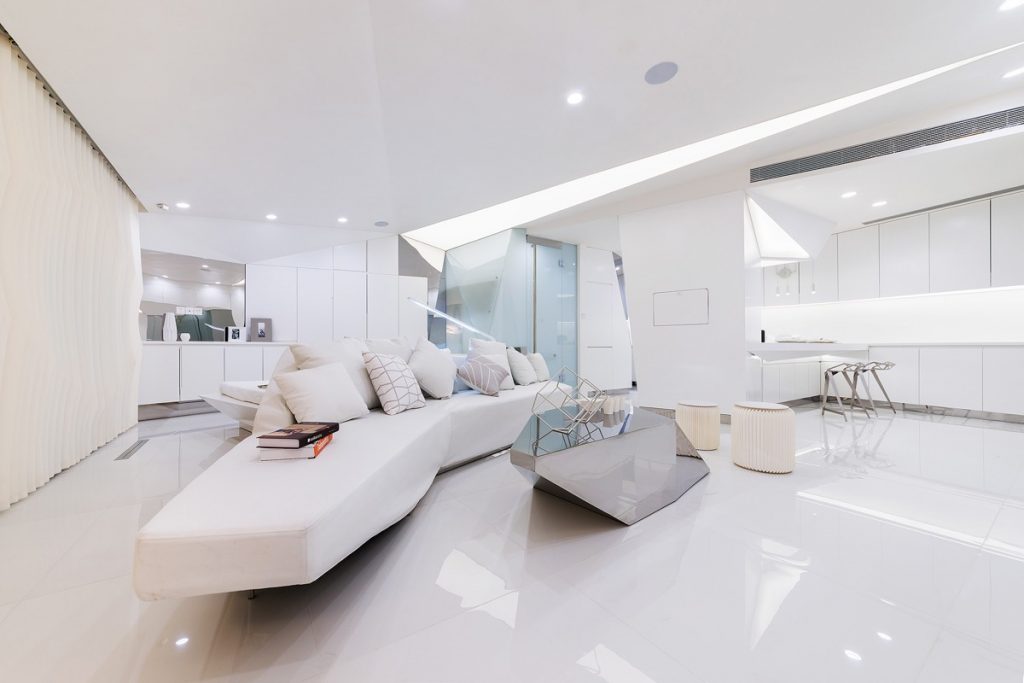
We live in a day and age where Artificial Intelligence, Virtual Reality, and advanced technology shape almost every digital trend.
And naturally, this shift is starting to influence interior design and architecture too.
People now lean toward modern, futuristic aesthetics far more than traditional styles — especially those who crave efficiency, minimalism, smart-home comfort, and design that evolves with their lifestyle.
Tech-savvy homeowners, young professionals, creatives, and people who value flexibility and innovation are usually the first to choose this direction.
They want homes that feel current, intelligent, and aligned with the fast-moving world we live in.
Minimalism has also become a trend in interior design, and this will determine what people want in their house, from beds to shower panel system, being a product of digital technology.
People have already begun to embrace technology in their houses; this is why the new interior design needs to be more accommodating to these new preferences.
Global Fusion
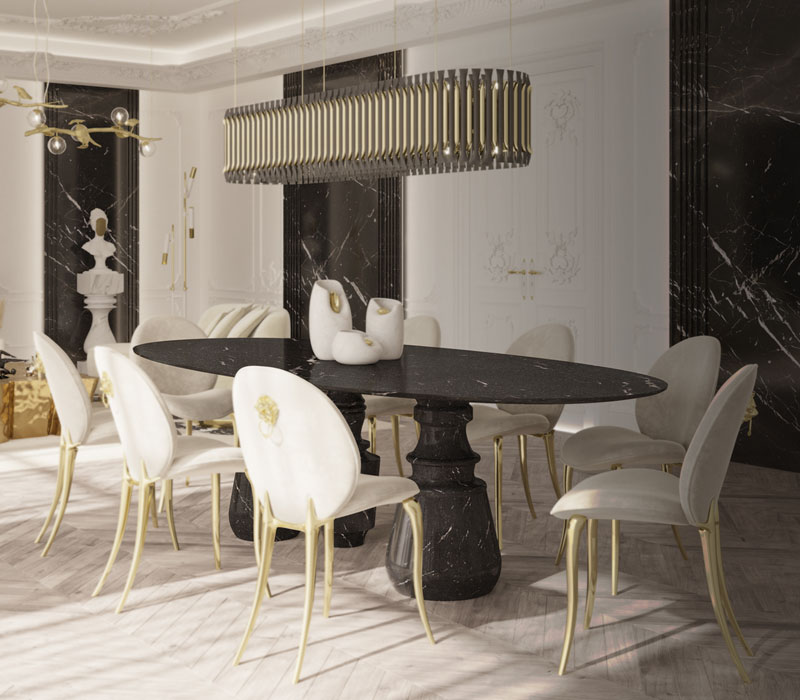
Global fusion in interior design celebrates the beauty of cultural diversity, weaving together influences from around the world to create captivating and harmonious spaces.
Elevating global fusion goes beyond eclectic mixes — it’s about cultural appreciation, storytelling, creativity, and that warm feeling of belonging to a bigger world.
People who usually choose this style are those who travel often, love collecting meaningful pieces, or feel connected to different cultures.
It’s popular among creatives, global thinkers, expats, and anyone who wants their home to reflect the richness of their experiences and personal history.
Here’s how global fusion can be elevated to redefine interior design:
- Thoughtful Cultural Integration: Global fusion should prioritize thoughtful integration of cultural elements. It involves a deep understanding of the cultural significance of design elements, ensuring that they are respectfully incorporated to create cohesive and meaningful spaces.
- Storytelling through Design: Elevating global fusion involves using design as a powerful medium for storytelling. Each element in the space can represent a unique cultural narrative, allowing occupants to connect with diverse histories and traditions.
- Cross-Cultural Collaboration: Designers can elevate global fusion by engaging in cross-cultural collaborations. Partnering with artisans, craftsmen, and designers from different regions enables the exchange of ideas, fostering a rich tapestry of cultural expressions.
- Sustainability and Fair Trade: Embracing sustainable and fair trade practices in global fusion design ensures that materials and products are sourced responsibly, respecting both the environment and the communities involved in their creation.
- Global Art and Craftsmanship: Elevating global fusion involves showcasing the artistry and craftsmanship of various cultures. Incorporating handcrafted textiles, ceramics, and artwork adds authenticity and uniqueness to the design.
- Fusion of Traditional and Contemporary: Global fusion blends traditional and contemporary design aesthetics. Embracing innovation while preserving cultural heritage creates spaces that are timeless yet relevant.
- Harmonious Color Palette: Elevating global fusion involves a balanced color palette reflecting diverse cultures’ essence. Thoughtfully curated color schemes draw inspiration from nature, traditional art, and cultural symbolism.
- Cross-Cultural Iconography: Global fusion celebrates iconic symbols and motifs from different cultures. These can be skillfully combined to create a visual language that resonates with occupants and tells a story of shared humanity.
- Inclusivity and Representation: Elevating global fusion requires a commitment to inclusivity and representation. Spaces should celebrate diversity, embracing design elements from various ethnicities, regions, and traditions.
- Social Impact: Global fusion can have a positive social impact when designers support local communities and social enterprises. Empowering artisans and communities through design collaborations can lead to sustainable development and cultural preservation.
- Mindful Curation: A key aspect of elevating global fusion is the conscious curation of design elements. Each piece should be carefully selected considering its cultural context, craftsmanship, and impact on the overall space.
- Encouraging Curiosity and Appreciation: Global fusion can elevate interior design by encouraging curiosity and appreciation for different cultures. Spaces become gateways for exploration and learning, fostering a sense of open-mindedness and mutual respect.
Elevating global fusion in interior design transcends borders, bridging cultures and celebrating the rich tapestry of human expression.
By embracing diverse influences with respect and sensitivity, global fusion becomes a transformative force in creating unique, captivating, and inclusive spaces that reflect the beauty of our interconnected world.
Working remotely
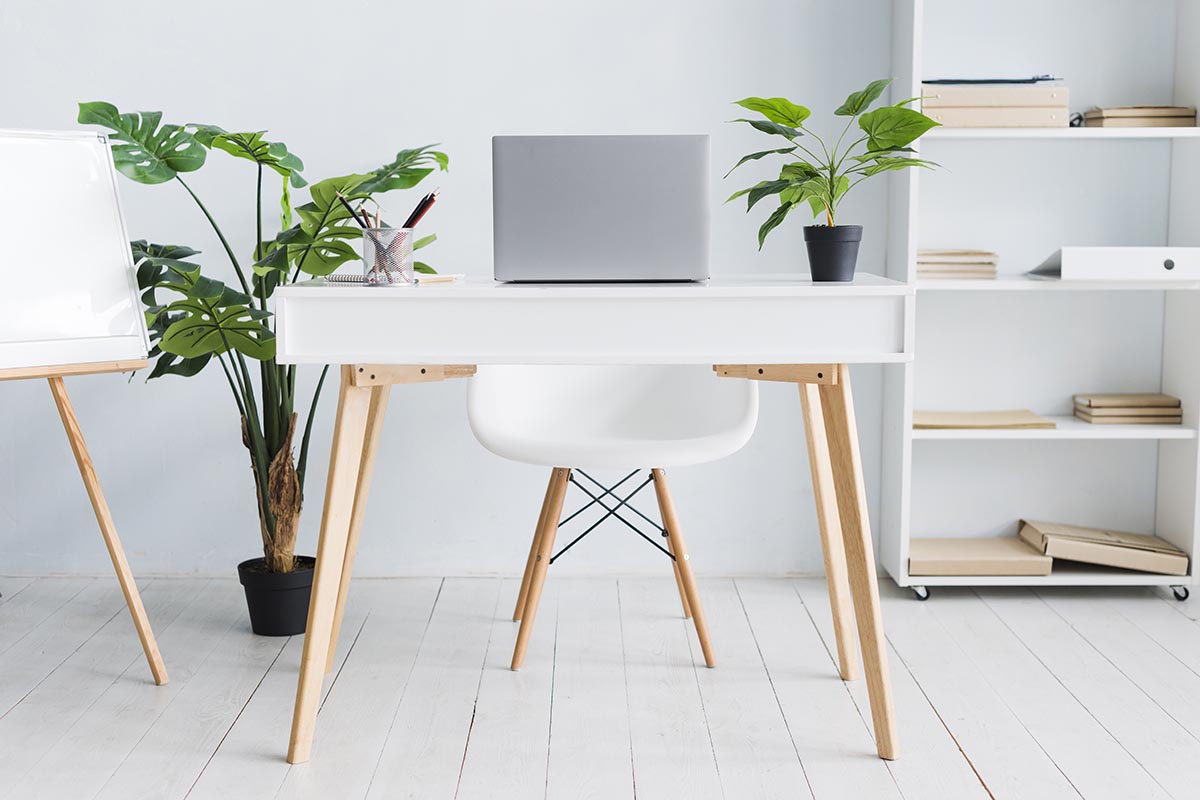
Another impact of technological advances is how connected we’ve become.
The world feels much smaller now, and because of that, working from home has become the norm — not just for creatives, but for people across the entire interior architecture industry too.
A project can be completed from anywhere, which means the traditional office isn’t always necessary.
More and more companies are embracing this setup to cut back on commute time and reduce rent costs.
And naturally, the people who lean into this lifestyle — freelancers, digital nomads, designers, remote professionals, and anyone who relies on deep focus and creativity — need a home environment that actually supports the way they work.
If you spend most of your time working from home, your space has to help you channel your creative energy without constant interruptions.
It should motivate you, stimulate new ideas, and make you want to sit down and create.
This is where thoughtful design comes in. Ergonomic furniture becomes essential, not optional — especially for anyone who sits for long, immersive work sessions.
And yes, your dining table absolutely cannot be your workstation. Your body (and your brain) will thank you later.
Here is a quick guide to your ultimate home office setup.
Newer preferences
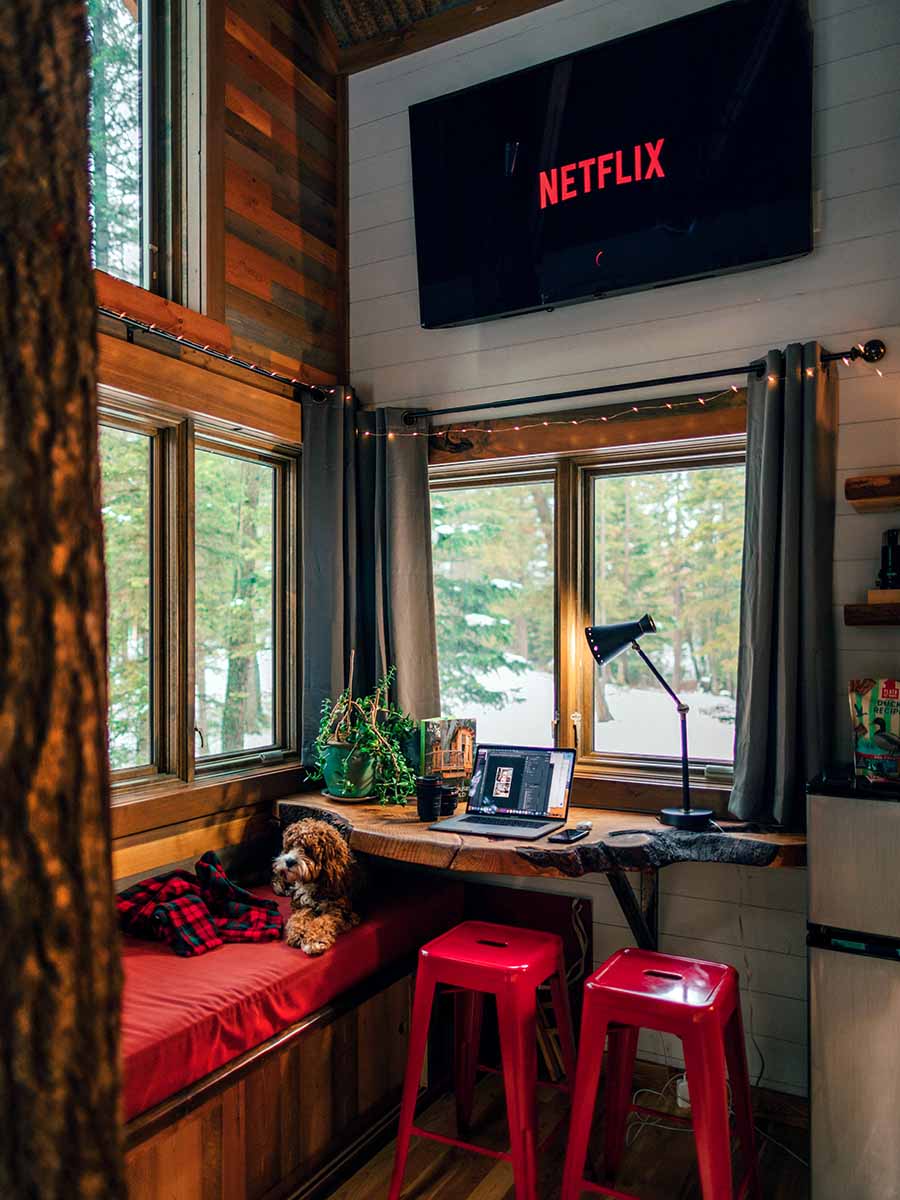
The newer generation wants homes that feel fresh, personal, and completely their own.
They’re not interested in the “copy-paste” interiors our parents grew up with. Instead, they want their space to stand out — to reflect their personality, their quirks, and the lifestyle they’re proud of.
This style is especially popular among millennials, Gen Z, young creatives, and anyone who values self-expression.
They want furniture and decor that tell a story, not just fill a room.
And along with individuality, this generation is also deeply aware of its environmental impact.
They care about sustainability, resourcefulness, and making choices that actually matter.
That’s why we’re seeing such a big shift toward recyclable materials, reusable products, and eco-friendly alternatives. It’s not just a trend — it’s a mindset.
For them, a home isn’t just a place to live.
It’s a statement of who they are and what they believe in.
Check the major differences between the Millennial Generation and Gen Z.
There is also an increase in the minimalism trend whereby people are opting for smaller houses and apartments since there is a fixed amount of land but a growing population.
This means that interior designers have to come up with ways that will cater to such needs and wants of this generation when it comes to their homes and the living situation.
Biophilic Design
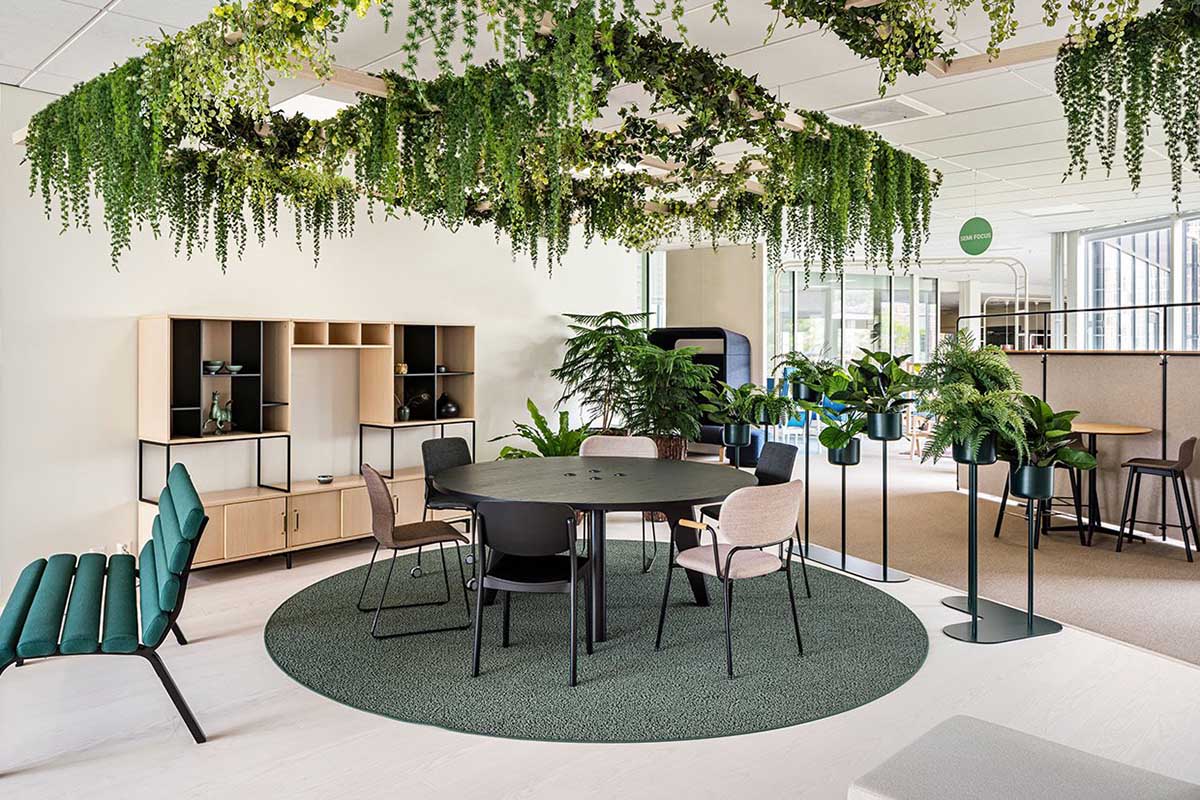
Biophilic design marks a powerful shift in how we think about architecture and interiors.
Instead of treating nature as something outside our homes, it weaves natural elements directly into our everyday spaces, creating environments that feel calmer, healthier, and more human.
This approach is especially loved by people who crave balance — wellness-focused individuals, creatives, minimalists, nature lovers, and anyone who feels overwhelmed by fast, tech-heavy living.
It’s also becoming a go-to style for younger generations who want their homes to feel grounding and emotionally supportive.
As biophilic principles continue to evolve, they’re reshaping how we design for the future — promising homes that are more sustainable, more nurturing, and more connected to the natural world for generations to come.
- Holistic Well-being: Biophilic design goes beyond aesthetics; it prioritizes the well-being of occupants by fostering a deep connection with nature. Spaces incorporating biophilic elements can reduce stress, boost creativity, improve cognitive function, and enhance happiness.
- Environmental Sustainability: Biophilic design aligns with sustainable practices, encouraging using renewable resources and eco-friendly materials. Promoting environmental consciousness contributes to the broader effort of creating greener and healthier living spaces.
- Healthcare Innovations: Biophilic design is increasingly embraced in healthcare settings for its potential healing properties. Research indicates that access to nature and biophilic elements can accelerate recovery rates and reduce patient anxiety in medical facilities.
- Productivity and Creativity: Biophilic design has been shown to enhance employee productivity and creativity in workplaces. Bringing nature indoors creates a conducive environment that encourages innovative thinking and problem-solving.
- Residential Sanctuaries: Biophilic design transforms homes into serene sanctuaries, promoting relaxation and rejuvenation. Natural light, indoor plants, and calming water features offer a respite from the hustle of daily life, creating spaces where families can thrive.
- Architectural Integration: Biophilic design harmoniously blends nature with architecture, blurring the lines between indoor and outdoor spaces. Green roofs, living walls, and courtyards enrich building design, creating unique, sustainable, and visually striking structures.
- Therapeutic Gardens: Biophilic design extends beyond interiors to include therapeutic outdoor spaces. Healing gardens and sensory landscapes benefit patients, residents, and visitors, promoting physical and emotional well-being.
- Biophilic Lighting Design: Integrating natural lighting strategies into biophilic design maximizes energy efficiency while providing occupants with a healthy dose of natural sunlight. It enhances circadian rhythms, optimizing sleep patterns and daily routines.
- Future Innovations: As technology advances, the biophilic design might see new applications, such as virtual nature experiences, interactive elements, and adaptive environments that respond to occupants’ emotional and physiological needs.
Sustainability
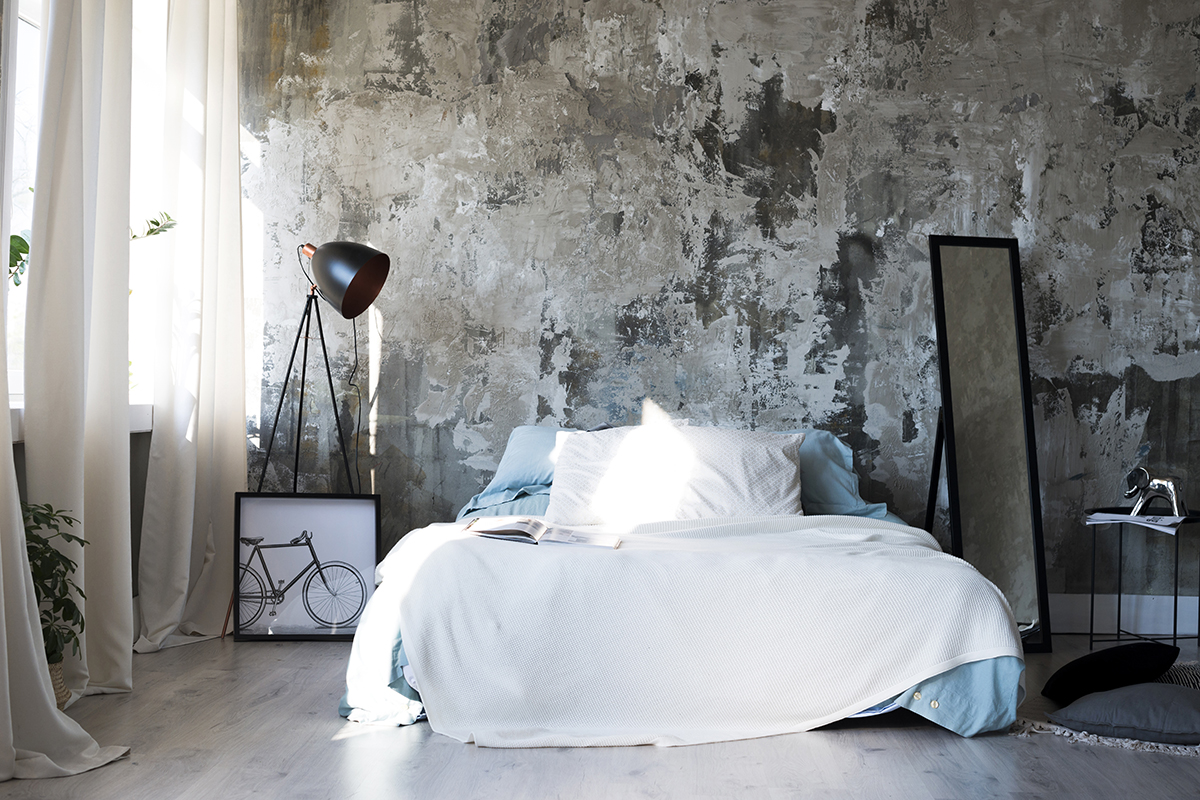
Since minimalism is becoming increasingly adopted by millennials, they opt for color schemes that make spaces look bigger and more modern.
People will also go for more durable furniture instead of their appearance for sustainability purposes, which is why wood and glass are popular.
However, in interior design trends 2030, this does not mean that people will completely disregard the appearance of the furniture pieces; it just means they will look for things that evoke some emotions in them, making them more meaningful.
Lighting in these spaces will play a crucial role in enhancing the aesthetics of the space, which is why interior designers are now more than ever studying lighting in different places with different color schemes.
Smart homes
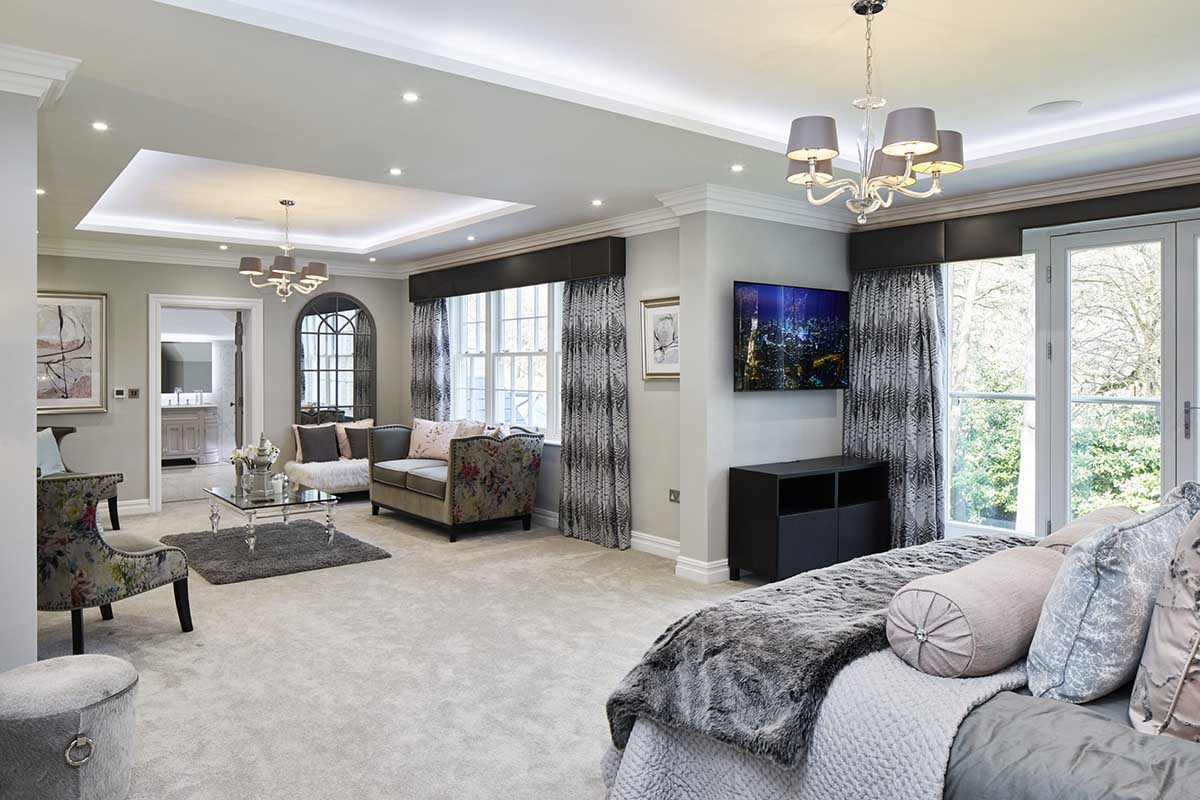
In a rapidly advancing digital age, smart homes are becoming the new standard of modern living, blending intelligent technology with our daily routines in a seamless, almost effortless way.
And the people who gravitate toward this lifestyle are usually tech-savvy homeowners, busy professionals, wellness-focused individuals, and anyone who loves efficiency and comfort.
It’s especially popular among younger generations who grew up with technology and expect their homes to adapt to them — not the other way around.
Elevating smart homes isn’t just about convenience. It’s about creating a harmonious mix of innovation, sustainability, and well-being.
It’s a vision of living where your home supports you, anticipates your needs, and helps you feel more balanced.
Here’s how smart homes can be elevated to revolutionize the way we live:
- Human-Centric Design: Smart homes of the future will be designed with a human-centric approach, prioritizing user experiences and well-being. User interfaces will be intuitive and accessible, catering to people of all ages and abilities, fostering a sense of empowerment and inclusivity.
- Sustainability and Energy Efficiency: Elevating smart homes means embracing eco-friendly practices. Integrating renewable energy sources, intelligent energy management systems, and energy-efficient appliances will help reduce carbon footprints, promote sustainability, and create greener living environments.
- Seamless Interconnectivity: Smart homes will offer a unified ecosystem where devices communicate effortlessly, enabling streamlined automation and personalized experiences. A cohesive network of interconnected devices will create a symphony of efficiency, where each element complements the other.
- Predictive and Adaptive Intelligence: Smart homes will evolve beyond reactive automation, incorporating predictive and adaptive intelligence. Machine learning algorithms will anticipate user preferences and lifestyle patterns, making proactive adjustments to enhance comfort, security, and energy savings.
- Privacy and Security: Smart homes will prioritize user privacy and data security as technology advances. Advanced encryption methods and robust cybersecurity protocols will safeguard sensitive information, giving homeowners peace of mind while enjoying the benefits of a connected home.
- Augmented Reality Home Design: The future of smart homes will include augmented reality (AR) home design tools. Homeowners can visualize and customize their spaces virtually, experimenting with different layouts, furniture, and smart devices before implementation.
- Health and Wellness Integration: Elevating smart homes means embracing technologies that promote well-being. Smart homes will integrate health-monitoring devices, offering real-time data on vital signs and environmental factors that impact health.
- Adaptive Ambient Intelligence: Ambient intelligence will enhance the living experience, creating spaces that respond to occupants’ needs without explicit commands. Smart homes will intuitively adjust lighting, temperature, and ambiance to suit activities and moods.
- Enhanced Personalization: Smart homes will offer hyper-personalization, tailoring experiences to individuals’ preferences. From lighting and climate settings to entertainment choices, smart homes will cater to each family member’s unique tastes.
- Sustainable Material Innovation: The materials used in smart home construction and furnishings will embrace sustainable and biodegradable alternatives, reflecting a commitment to environmental responsibility.
- Inclusive and Accessible Design: Elevating smart homes means ensuring that smart technologies are accessible to everyone. Smart home features will be designed with inclusivity, catering to individuals with disabilities and special needs.
- Integration of Virtual Assistants: Virtual assistants will play a central role in smart homes, evolving into sophisticated AI companions that seamlessly manage tasks, answer queries, and facilitate communication within the household.
Elevating smart homes goes beyond adopting individual technologies; it envisions a comprehensive and transformative integration of intelligent systems that enrich our lives, promotes sustainability, and foster a profound connection between technology and humanity.
As smart home technology advances, these elevated ideals will shape the future of modern living, redefining what it means to call a house a “home.”
Wholesome habits
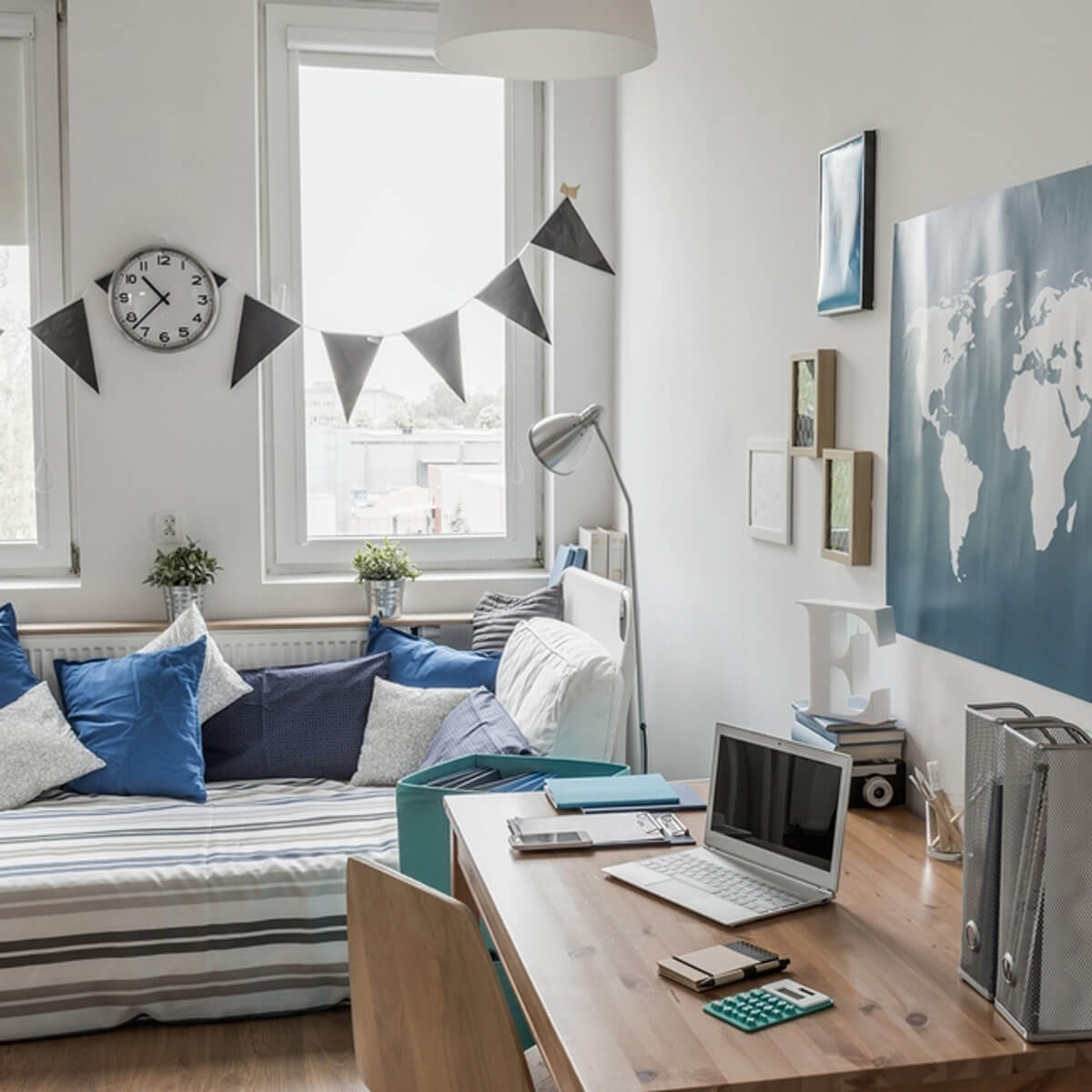
People want to surround themselves with objects that will positively impact them.
This also means they are beginning to adopt healthier lifestyle choices.
This also will affect the décor of their houses as interior design trends 2030.
For instance, people want more plants in their houses; they want to bring the gym to their house and have vibrant colored paintings that give the room a more radiant vibe.
I hope you enjoyed this article on the future of interior design.