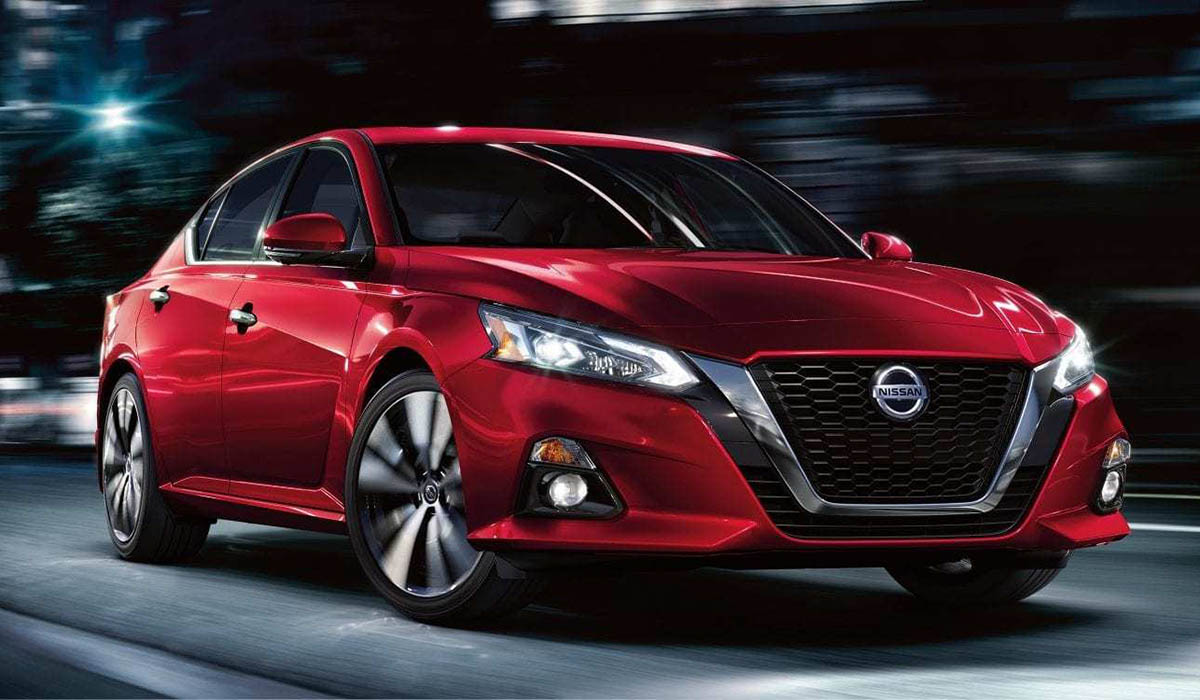
Nissan Altima Catalytic Converter Failure Symptoms & Solutions
✨Key Points
Catalytic converter issues often show up as sluggish acceleration, poor fuel economy, or unusual engine behavior.
Waiting too long can damage sensors, increase repair costs, and make driving less safe and efficient.
Recognizing early signs helps you decide what you can troubleshoot vs. when to call a mechanic.
If you’ve spent any time wrenching on your Nissan Altima, you probably feel confident with jobs like installing replacement brake pads or handling other simple maintenance.
But every car owner eventually hits a problem that feels completely out of their comfort zone — and catalytic converter issues are one of those problems that can catch anyone off guard.
What makes catalytic converter trouble so frustrating is that it doesn’t always announce itself right away.
Your Altima might start feeling a little heavier when you hit the gas, or you may notice the fuel disappearing faster than it used to.
Sometimes the engine idles strangely or gives off a faint sulfur smell that makes you wonder if something deeper is going on.
And when that check engine light pops up with a confusing code, it’s easy to feel overwhelmed.
Most drivers assume these signs are “normal aging,” so they wait.
But the longer you ignore catalytic converter problems, the more it can affect performance, fuel costs, and eventually the health of the entire exhaust system.
What starts as a small inconvenience can turn into a repair bill nobody wants to deal with.
The good news is that understanding the early symptoms helps you respond sooner — whether that means cleaning out buildup, checking sensors, or knowing when it’s time to let a mechanic take over.
You just need the right information so you can catch problems before they snowball.
Here are the symptoms and solutions every Altima owner should know.
Symptoms of a Catalytic Converter Problem
In most cases, a catalytic converter problem will set a diagnostic trouble code. Scanning your codes is the easiest way to troubleshoot the problem.
However, even with a trouble code, it can be helpful to know the symptoms of a bad cat.
Additionally, you may find yourself in a situation where you can’t easily scan your codes, or one isn’t set for some reason.
These are a few of the symptoms to look for:
- Engine misfires;
- Loss of power when accelerating;
- Degraded overall engine performance;
- Increased emissions;
- Loud and unusual noises from the exhaust;
- The vehicle is hard to start;
Catalytic converter issues can include it being damaged, clogged, or failed.
Physical damage will tend to cause unexpected noise, whereas a failed cat will have a greater impact on engine performance.
While the Nissan Altima catalytic converters last a long time, they do need to be replaced eventually.
This is usually around every 100,000 miles.
Solutions for Catalytic Converter Problems
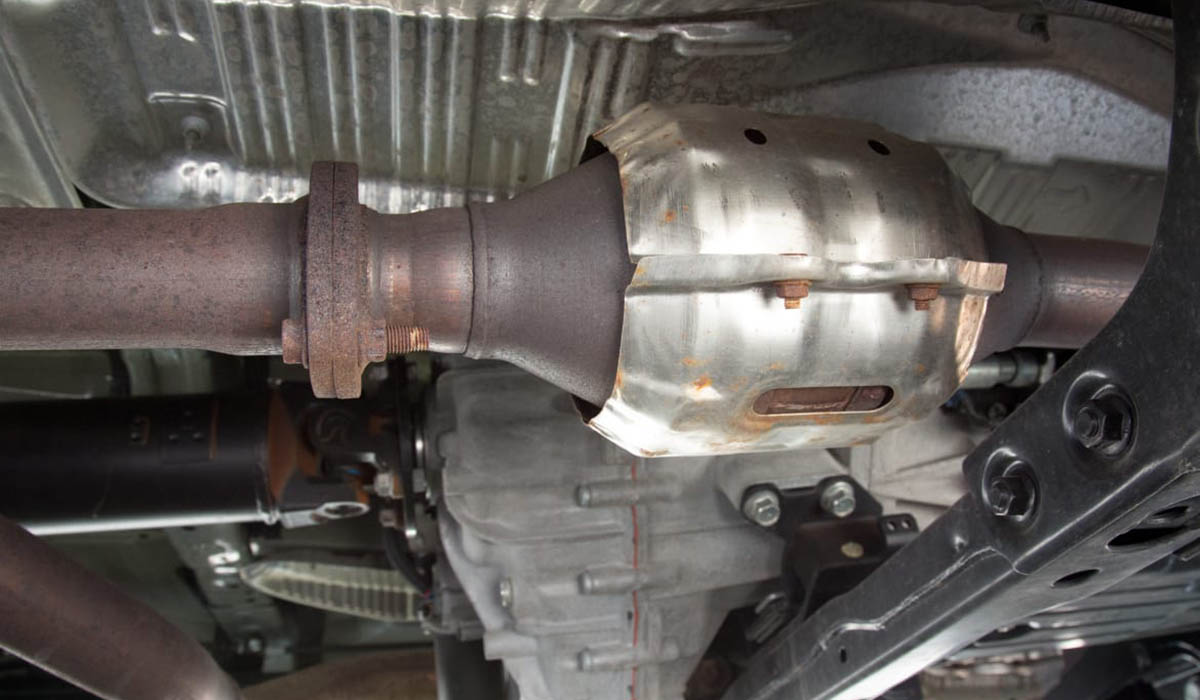
Depending on the exact problem with your catalytic converter, you may need different solutions.
If it is damaged or failed from aid, you very likely need to replace the cat.
You can replace this exhaust item by jacking up your vehicle on stands or a lift.
Following this, remove the bolts and carefully detach the O2 sensor.
Finally, place the new catalytic converter, reattach the O2 sensor, and bolt everything into place.
This is a trickier fix than some other.
So, you may want to consider buying a new catalytic converter and bringing it to a trusted mechanic for installation.
If the problem is that the catalytic converter is clogged, you can try an “Italian tune-up.”
Essentially, this is just driving your vehicle harder than usual for a few miles to increase the temperature of the cat.
This method gets its name from Ferrari mechanics, who used it to fix issues with the often lightly-used sports cars.
Some fuel additives may also help with a clogged catalytic converter.
Finally, removing and manually cleaning the converter is also effective in some cases.
Of course, given the work required to clean the cat, it may be worth replacing it for a few hundred dollars extra.
Nissan Altima Catalytic Converter: Get Started Wrenching
Working on your Nissan Altima is a great way to save money and take care of your vehicle.
Additionally, there is a special bond between an owner and his or her vehicle after getting out of your wrenches.
Order some auto parts in-store pickup and get working on your vehicle.
You may be surprised how much you can achieve with a few tools, some helpful guides, and a little patience.
Get under the hood today.