
Content Optimization: How To Create Better SEO-Optimized Content
✨Key Points
- High-quality optimized content helps improve search rankings, user engagement, and online visibility.
- Content saturation has made it harder for brands to stand out online, increasing the importance of valuable and well-structured content.
- AI search engines evaluate trust and authority in content, making credibility, expertise, and helpful information more important than ever.
Over the past few years, content optimization has become one of the most important priorities for SEO professionals, marketers, agencies, and brands.
As search engines continue evolving through artificial intelligence, user behavior analysis, and helpful content updates, businesses are realizing that strong content plays a major role in online visibility and digital growth.
According to guidance from Google, high-quality content remains one of the most important ranking factors alongside mobile experience, page performance, and backlinks.
Search engines are increasingly focused on delivering the most relevant, trustworthy, and useful information to users based on their search intent.
At the same time, content saturation has created a highly competitive digital environment where thousands of articles are published daily across nearly every niche.
Because of this, simply publishing content is no longer enough to achieve strong rankings or visibility.
Modern SEO now focuses heavily on user experience, expertise, trust, and authority.
In addition, AI search engines evaluate trust and authority in content more aggressively than before, analyzing content quality, relevance, structure, expertise signals, and user value when determining visibility in search results.
Effective content optimization can help businesses:
- Improve search engine rankings and organic traffic;
- Increase engagement and time spent on pages;
- Build stronger brand authority and trust;
- Improve conversions and customer experience;
- Support AI search visibility and future SEO trends;
- Create more sustainable long-term digital growth.
In this guide, we’ll explore why content optimization has become essential for SEO performance and share practical strategies for creating high-quality, SEO-optimized content that benefits both users and search engines.
Content Optimization: Meaning and Definition

The difference between writing for offline and online platforms is much larger than many people realize.
In traditional offline writing, the main focus is usually on the reader’s interest, storytelling, and communication.
However, online content must also consider search engine visibility, user intent, readability, and SEO performance.
This is why not everyone who can write can automatically create effective SEO-friendly content.
Modern search engines use advanced algorithms, AI systems, and ranking signals to evaluate content quality, relevance, trustworthiness, structure, and user value.
Today, successful content optimization is not just about adding keywords into an article.
It is about creating valuable, original, and user-focused content that answers real questions and provides meaningful information.
In addition, deeper keyword research helps create helpful content by identifying what users are actually searching for, their pain points, search intent, and the type of information they expect to find.
Some important content optimization principles include:
- Long-form content often performs better for SEO, engagement, and conversions, especially when it thoroughly answers user questions.
- Original and authentic content is essential. Search engines increasingly prioritize unique, trustworthy, and experience-driven information over duplicated or low-value content.
- Helpful and informative content delivers stronger results. Articles that solve problems, answer questions, and provide practical value tend to perform better in search rankings and user engagement.
- Clear structure and readability matter. Well-organized content with headings, bullet points, and easy-to-read formatting improves both user experience and SEO performance.
How To Create Perfectly Optimized Content: Important Things To Remember

In the race to create SEO-optimized content, many businesses and creators focus so heavily on rankings and algorithms that they forget the core purpose of content — helping real people find valuable answers, emotional connection, and useful information.
Today, successful content optimization requires balancing both user experience and search engine requirements.
Modern search engines and AI-driven platforms increasingly prioritize content that demonstrates expertise, trust, authority, relevance, clear values, and genuine value for readers.
Creating high-performing SEO content is no longer just about adding keywords into articles.
It involves understanding search intent, structuring information clearly, communicating emotions and brand values, and creating content that captures attention while solving problems more effectively than competing pages.
To create better SEO-friendly content, businesses should focus on:
- Understanding user intent and what readers are actually searching for;
- Conducting deeper keyword research to create more helpful and relevant content;
- Creating emotionally engaging content that connects with readers and keeps their attention;
- Communicating clear brand values and authenticity to build long-term trust and authority;
- Using strong headlines, hooks, and structure to improve readability and engagement;
- Optimizing for both users and AI search engines by improving relevance, expertise, and content quality.
In this section, we’ll explore practical strategies that can help brands, marketers, and content creators plan, structure, and optimize content more effectively for long-term SEO performance, audience trust, and stronger engagement.
Keyword Integration
We are not going to fully discuss keyword research here, as that deserves its own guide.
However, one of the biggest SEO mistakes businesses make is failing to choose the right keywords that matter to their audience, search intent, and business goals.
Strong keyword integration is not about stuffing the same phrase repeatedly into content.
Modern SEO focuses on relevance, readability, and user value.
Search engines and AI-driven search platforms are now much better at understanding context, meaning, and natural language patterns.
In long-form articles of 2000+ words, your primary keyword should appear naturally throughout the content, including headings, introductions, image alt text, and important sections.
Long-tail keywords and related search phrases should also be integrated organically to strengthen topical relevance.
One major reason why content feels boring is because some articles are written only for algorithms instead of real people.
Overusing keywords, repeating robotic phrases, and ignoring emotional engagement can make content feel unnatural and difficult to read.
Some important keyword research tips include:
- Choose keywords based on user intent, not just search volume;
- Use long-tail keywords to target more specific audience needs and questions;
- Integrate keywords naturally into readable and valuable content;
- Use related phrases and semantic keywords to improve topical authority;
- Balance SEO with emotional engagement so content remains interesting, human, and easy to understand.
Effective keyword integration helps search engines better understand your content while also creating a smoother and more engaging reading experience for users.
Keyword Placement Matters for SEO

Using the right keywords is important, but where you place those keywords also plays a major role in how search engines understand and rank your content.
Strategic keyword placement helps search engines better identify your article’s topic, relevance, and user intent while also improving visibility in search results.
For stronger SEO optimization, try placing your primary keyword naturally in:
- The article title;
- The SEO meta description;
- The opening paragraph;
- One of the first subheadings;
- At least two additional subheadings;
- The conclusion section;
- The final paragraph or sentence.
Good keyword placement also improves readability by helping readers quickly understand what the content is about.
However, avoid overusing keywords unnaturally. Modern search engines like Google now prioritize:
- Helpful content;
- Natural writing;
- User experience;
- Search intent and relevance.
The goal is not simply to “feed bots,” but to create content that is clear, valuable, and easy for both readers and search engines to understand.
SEO and User-Friendly Content Structure
Creating user-friendly content is just as important as optimizing for search engines.
Studies on online reading behavior consistently show that readers engage more with content that is easy to scan, visually organized, and simple to understand.
Long blocks of text can quickly overwhelm users, especially on mobile devices.
Shorter paragraphs, clear sentences, and organized formatting help improve readability and keep visitors engaged for longer.
To improve both SEO and user experience:
- Keep paragraphs short and easy to scan;
- Use subheadings to organize sections clearly;
- Break up information with bullet points and lists;
- Maintain a logical flow throughout the article.
Well-structured content not only helps readers navigate information more easily, but also helps search engines better understand and index your content.
SEO Yoast Help
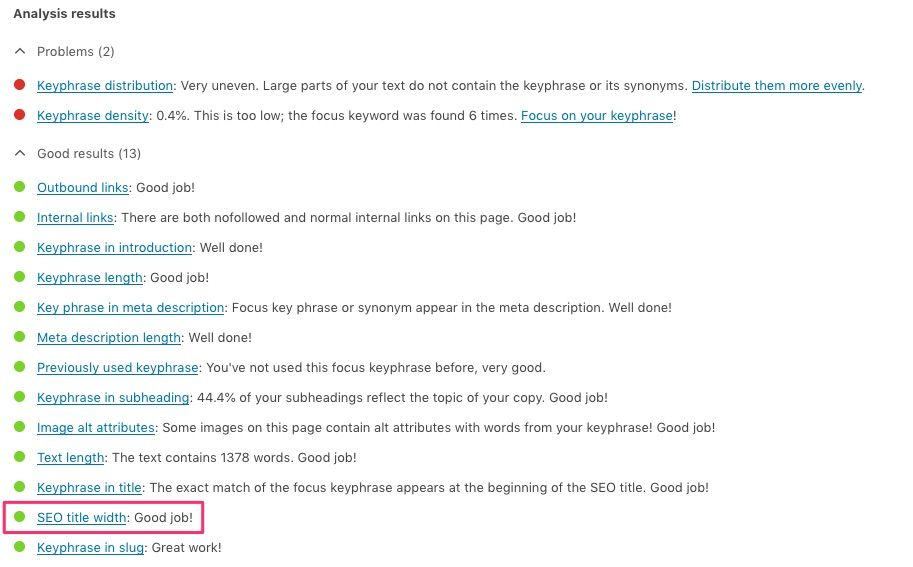
For anyone looking to create well-optimized content, understanding how to use Yoast SEO can be extremely valuable.
Many experienced marketers believe content writers benefit greatly from publishing content themselves because it helps them better understand the WordPress dashboard, on-page SEO structure, and how content is actually prepared for search engines and readers.
Tools like Yoast SEO help writers improve important elements such as:
- SEO titles and meta descriptions;
- Keyword placement;
- Readability and sentence structure;
- Word count and content organization;
- Internal linking opportunities;
- Overall on-page SEO optimization.
For beginner and intermediate writers, learning how to use SEO tools effectively can help create content that is more readable, search-friendly, and easier for both users and search engines to understand.
Image and Video Enrichment

High-quality written content is important, but adding relevant images and videos can significantly improve user engagement and overall SEO performance.
Visual content helps readers better understand information while making articles feel more interactive, easier to scan, and less overwhelming, especially in longer-form content.
Many digital marketing experts recommend enriching articles with:
- Relevant images and graphics;
- Infographics and charts;
- Product visuals;
- Embedded videos or tutorials.
For longer articles, especially 2000+ word guides, adding multiple forms of media can help:
- Improve time spent on the page;
- Reduce bounce rates;
- Increase reader engagement;
- Make complex topics easier to understand.
Many brands now integrate videos directly into blog posts and product pages because video content often keeps users engaged longer and improves the overall content experience.
Conclusion
In the past year, the often-overlooked discipline of content and copywriting has seen a major resurgence as brands and agencies rediscover the long-term value of organic reach and audience trust.
While PPC advertising and platforms like Google Ads continue to play an important role in digital marketing, many businesses are realizing that content optimization remains one of the most effective ways to build brand visibility and support inbound marketing over time.
Today, strong SEO content can help businesses and creators:
- Increase organic reach and website traffic;
- Build brand authority and customer trust;
- Improve long-term visibility in search engines and AI platforms;
- Support affiliate and inbound marketing strategies;
- Generate leads and increase conversions;
- Attract collaborations, partnerships, and new business opportunities;
- Reduce dependence on constantly rising paid advertising costs;
- Create more stable and sustainable long-term business growth.
With the five points above, we aimed to highlight some important strategies that can help writers, marketers, and agencies create more effective SEO-optimized content in today’s evolving digital landscape.