How to Make Your Office Safer and Avoid Costly Workplace Accidents
✨ Key Points
- Office workplaces still present safety risks. Slips, trips, falls, poor ergonomics, and electrical hazards can lead to injuries, lost productivity, and unexpected business costs.
- Proactive safety improvements help prevent accidents. Regular risk assessments, workplace maintenance, and employee safety training can identify hazards before they become serious problems.
- A safer office protects both employees and the business. Strong workplace safety practices reduce absenteeism, support compliance, lower liability risks, and create a healthier, more productive work environment.
If you’re planning office improvements this year, don’t focus solely on appearance and productivity.
Workplace safety should be a key part of the conversation.
While offices are generally considered low-risk environments, workplace injuries still happen more often than many business owners realise. According to the U.S.
Bureau of Labor Statistics, slips, trips, and falls account for hundreds of thousands of workplace injuries each year, including in office-based settings.
Many office hazards develop gradually and are easy to overlook until they cause an injury, disrupt operations, or result in costly claims.
Common risks include:
- Slips, trips, and falls caused by wet floors, loose cables, or cluttered walkways.
- Poor workstation ergonomics that contribute to back pain, neck strain, and repetitive stress injuries.
- Electrical and fire hazards resulting from overloaded outlets, damaged equipment, or inadequate maintenance.
- Emergency preparedness gaps such as blocked exits, missing signage, or outdated procedures.
Creating a safer office isn’t just about compliance.
It helps protect employees, reduce absenteeism, lower the risk of costly incidents, and support a more productive workplace.
By identifying risks early and addressing them proactively, businesses can create a safer environment while protecting both their people and their bottom line.
Keep Your Office Free of Clutter
One of the most common workplace accidents is a trip or fall caused by clutter.
Anything left in a walkway, corridor, or doorway can quickly become a hazard.
Even a seemingly minor incident can result in injuries, lost productivity, and costly claims.
In some cases, an injured employee may seek advice from a personal injury attorney and pursue legal action.
To help reduce the risk of accidents:
- Keep walkways, doorways, and emergency exits clear at all times.
- Store boxes, equipment, and supplies in their designated locations.
- Secure and cover loose cables to prevent tripping hazards.
- Encourage employees to keep workstations and shared areas organised.
A clean and clutter-free office is one of the simplest and most effective ways to improve workplace safety and reduce the likelihood of preventable accidents.
Properly Store Heavy Items
Improperly stored heavy items can create serious workplace safety risks.
If a heavy object falls from a shelf or storage unit, it can cause significant injuries to employees and visitors.
To minimise the risk of accidents:
- Store heavy items on lower shelves whenever possible to reduce the chance of them falling.
- Secure large or bulky objects to prevent shifting or tipping.
- Avoid stacking items in unstable or unsafe ways.
- Check the load capacity of shelving and storage units to ensure they are not overloaded.
Taking a few simple precautions can help prevent avoidable injuries while creating a safer and more organised workplace.
Provide Adjustable Equipment
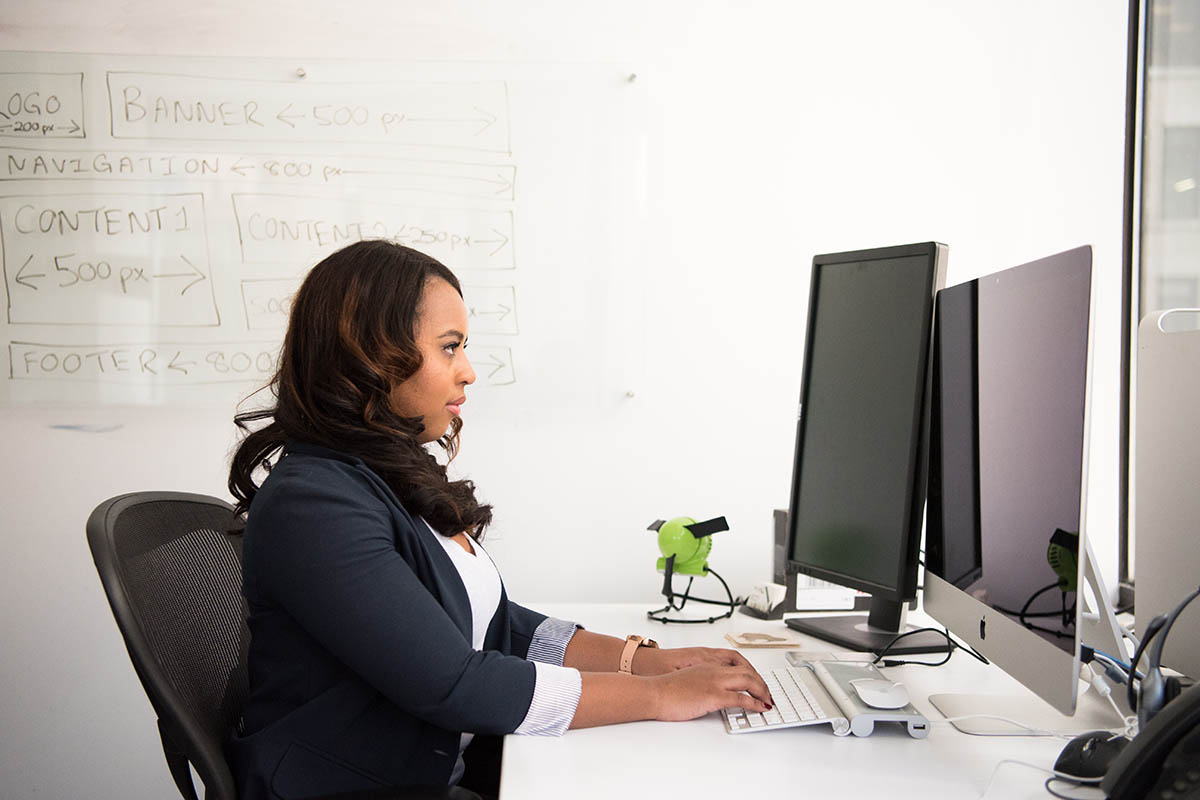
Sitting at a desk all day is bad for everyone, and sitting with bad posture can lead to back and shoulder pain, causing staff to need time off.
Avoid this issue by providing adjustable equipment.
Chairs, desks, and computer monitors should all be adjustable so staff can move them around into a position that works for them.
Investing in ergonomic equipment will save you money in the long-term when compared against the cost of lost productivity and sick days.
When you have new hires in the office, make sure their workspace needs are met and that they know how to safely adjust their setup for best posture and comfort.
Get the Lighting Right
Proper lighting plays an important role in workplace safety, comfort, and productivity.
Poor lighting can contribute to eye strain, headaches, fatigue, and difficulty concentrating, while excessive glare can make it harder for employees to work comfortably.
Many offices rely heavily on overhead fluorescent lighting, which can sometimes create glare or overly bright working conditions.
A more balanced approach is to combine general office lighting with individual task lighting where needed.
Consider the following:
- Reduce excessive glare from overhead lighting where possible.
- Provide adjustable task lamps so employees can customise lighting for their workspace.
- Choose lamps with fully recessed bulbs to minimise direct glare in the line of sight.
- Ensure work areas, walkways, and stairways are adequately illuminated to support safety.
Well-designed office lighting can help improve employee comfort, reduce visual strain, and create a safer, more productive working environment.
Keep Cords and Electrical Equipment in Good Repair
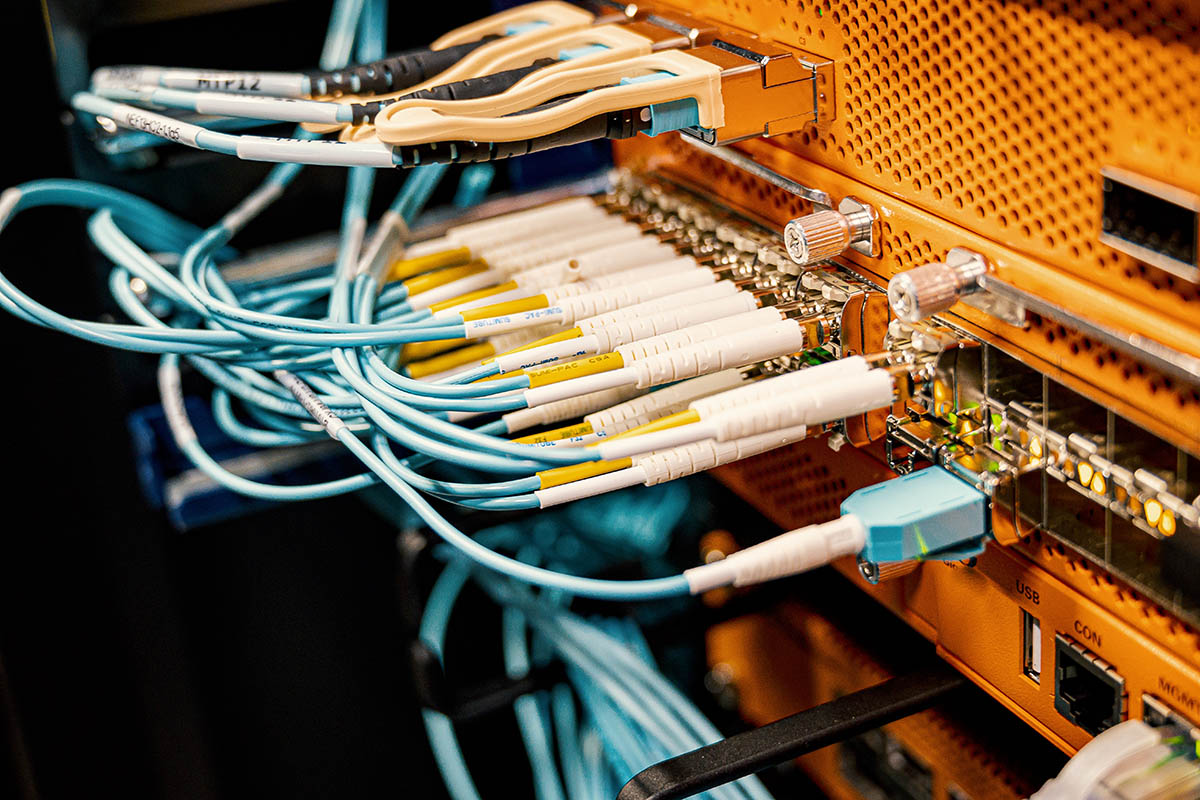
Damaged power cords can pose a serious safety risk in the workplace, increasing the likelihood of electrical shocks, equipment failure, and even fires.
Regularly inspecting electrical equipment can help identify potential hazards before they become dangerous or costly problems.
To improve office safety:
- Check power cords regularly for signs of wear, fraying, cracking, or exposed wires.
- Remove and replace damaged cords immediately rather than attempting temporary fixes.
- Ensure extension leads and power strips are used correctly and safely.
- Avoid overloading electrical outlets with too many devices, which can increase the risk of overheating and fire.
- Keep cords organised and positioned away from walkways to reduce trip hazards.
Maintaining electrical equipment and power cords is a simple but important step in creating a safer workplace and reducing the risk of preventable accidents.
Ensure Easy Access to Building Services
Many offices have wiring, pipework, and ductwork hidden behind walls and ceilings, which can make routine checks and repairs more difficult than they need to be.
Without proper access points, staff or contractors may be tempted to force open a panel or ceiling tile that wasn’t designed for regular use, which can cause damage or even create new safety hazards.
Working with suppliers such as AccessPanelsDirect.com or similar providers can help ensure the right panels are fitted in the correct locations, making it much easier to carry out inspections and maintenance without disruption.
Planning for this kind of accessibility during an office refurbishment or safety review can save a lot of time and hassle further down the line.