Ways to Make Events More Unique
✨ Key Points
- Memorable events give guests something to experience, not just watch. Participation, demonstrations, workshops, and personalized moments create stronger memories than passive presentations.
- Every creative element needs a purpose. The venue, technology, food, entertainment, and activities should reinforce the event’s message rather than distract from it.
- Unique doesn’t have to mean expensive. Thoughtful details, local partnerships, unexpected formats, and better audience interaction can differentiate an event without dramatically increasing the budget.
Think about an Apple product launch. People don’t remember these events because there were more decorations in the room.
They remember the product reveal, the storytelling, the demonstrations, and the carefully controlled experience surrounding the announcement.
Your event doesn’t need Apple’s budget to apply the same principle.
Whether you’re organizing a corporate conference, product launch, customer event, fundraiser, or small company gathering, one of the biggest risks is creating an event that feels exactly like the last five your guests attended: registration, coffee, presentations, lunch, networking, home.
To break that pattern, start with the guest experience:
- Give people something to do: Add demonstrations, workshops, tastings, challenges, Q&A sessions, or other interactive elements instead of expecting guests to sit and watch all day.
- Create one memorable moment: A surprising product reveal, unusual speaker, live performance, personalized gift, or unexpected venue can become the part people talk about afterward.
- Connect the experience to your brand: A technology company might offer hands-on demonstrations, while a food brand could create a tasting experience rather than another traditional presentation.
- Make networking easier: Structured introductions, smaller discussion groups, shared activities, or topic-based tables can help guests connect without the awkwardness of simply being told to “network.”
- Use technology where it improves the experience: Event apps, live polls, digital Q&As, AI-powered personalization, and hybrid participation can be useful—but only when they solve a real attendee problem.
The important question isn’t simply, “How can I make my event different?” It is, “What will guests experience here that they couldn’t get from an email, webinar, or ordinary meeting?”
That question is especially relevant as AI and automation make information easier to access online.
The value of an in-person event increasingly comes from what is harder to automate: human interaction, shared experiences, spontaneous conversations, and the feeling of actually being there.
The following ideas explore practical ways to make events more unique without turning originality into an excuse for unnecessary complexity or expense.
Decorate Both Indoors and Outside
The guest experience doesn’t begin when someone reaches their table. It starts at the entrance, driveway, patio, or walkway.
Yet outdoor areas are often treated as an afterthought while most of the decorating budget goes inside.
Think of how recognizable brands, hotels, and restaurants approach an event entrance: signage establishes where you are, lighting creates atmosphere, and small visual details signal what kind of experience is waiting inside.
You can use the same approach without a large event budget:
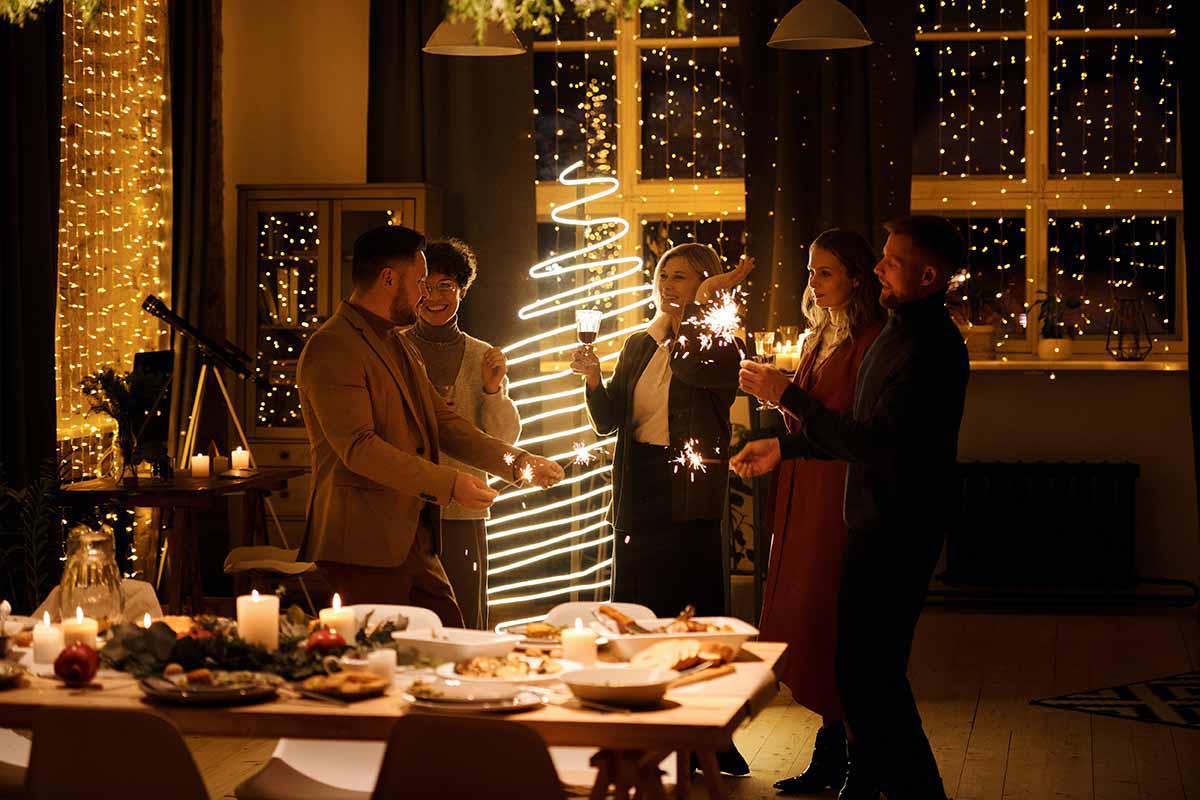
- Use market lights, lanterns, or candles to turn an ordinary patio or backyard into a more intentional evening setting.
- Extend the tablescape outdoors with ceramic dinnerware, linens, flowers, and personalized place cards.
- Buy seasonal flowers locally and create simple arrangements that connect indoor and outdoor spaces.
- Use custom yard signs to welcome guests, provide directions, identify different event areas, or personalize birthdays and graduations.
- Repeat a few design elements throughout the venue. Using the same flowers, typography, materials, or theme outside and inside can make separate spaces feel like one cohesive event.
You don’t need to decorate every available corner.
A well-designed entrance, thoughtful lighting, and a few repeated details can make even a familiar backyard or venue feel like it was transformed specifically for the occasion.
Decide on a Dinner Theme
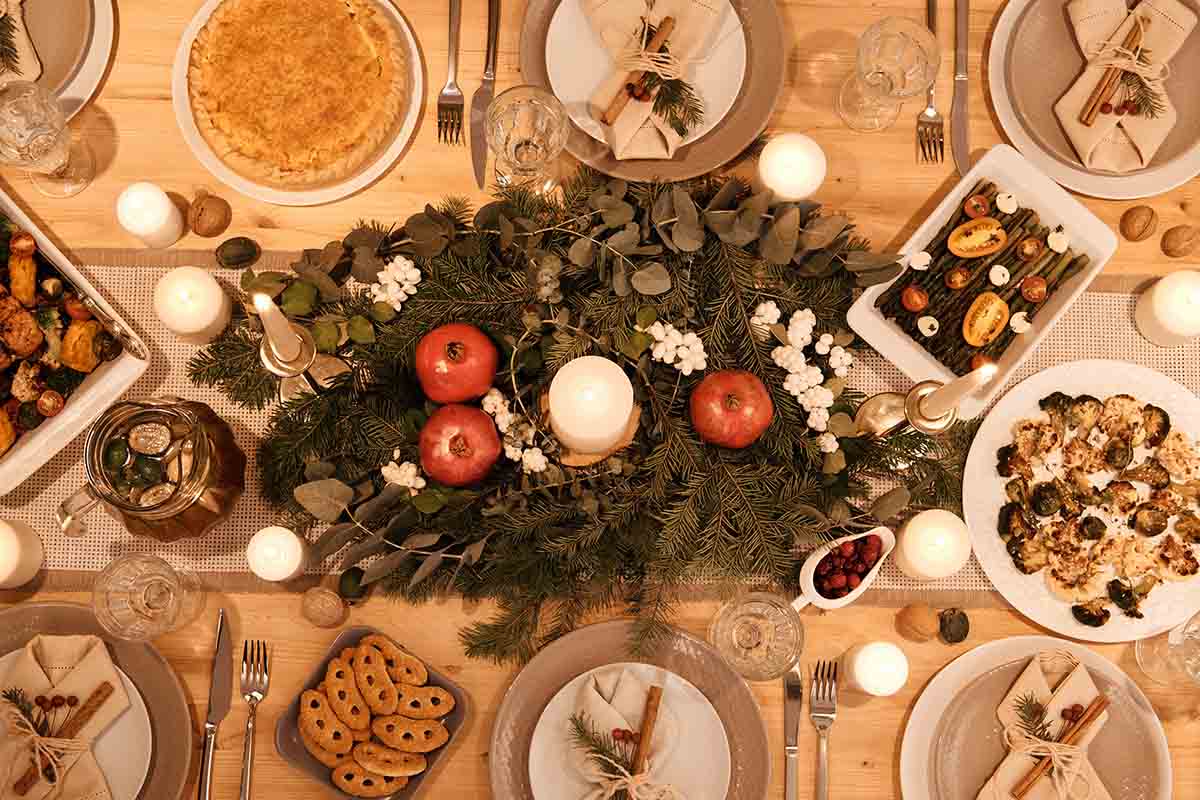
A dinner party can easily become predictable: everyone arrives, eats the meal, talks for a few hours, and goes home.
A strong theme changes that dynamic by giving guests something to anticipate and participate in.
The idea works particularly well when food becomes part of the entertainment.
Instead of simply serving Italian food or ordering pizza, let guests assemble, taste, compare, or contribute something themselves.
Try one of these easy themes:
- Italian night: Serve garlic bread, lasagna or chicken piccata, olives, and cannoli. Add a regional wine tasting or ask each guest to bring an Italian appetizer.
- Sushi night: Buy sushi-grade fish from a trusted source and create a DIY sushi station with rice, vegetables, sauces, and toppings so everyone can experiment with their own rolls.
- Fondue night: Provide cheese and chocolate fondue and ask guests to bring one unusual savory or sweet ingredient for dipping.
- Pizza night: Set out dough, sauce, cheese, and different toppings, fire up a pizza oven, and let everyone create their own pizza.
For a potluck-style dinner, share the theme in advance and coordinate contributions so you don’t end up with five desserts and no main course.
The same principle can work beyond dinner parties.
Corporate dinners, brand events, birthdays, and networking gatherings can use food as an interactive experience, giving people a natural activity to share and an easier reason to start conversations.
Make It Interactive
You can have beautiful décor, great food, and the perfect playlist, and still end up with an event where half the room is scrolling through their phones and the other half is talking only to people they already know.
Interaction gives guests a reason to participate rather than simply attend.
It also creates natural conversation starters, which is particularly useful when you’re bringing together people who don’t know one another.
The activity should fit the people in the room rather than feel like forced entertainment. Try:
- Create a DIY food or drink station: A hot chocolate bar, cocktail station, taco bar, or dessert-decorating table gives guests something easy to do together.
- Set up a creative table: Provide painting, jewelry-making, flower-arranging, or other simple craft supplies that guests can explore at their own pace.
- Turn guests into the entertainment: Karaoke, trivia, a costume theme, or an informal jam session can work well with the right crowd.
- Organize a clothing or book swap: Guests bring something to exchange, adding both an activity and a sustainable element to the gathering.
- Build a photo area: Create a simple backdrop with props and an instant camera so guests leave with a physical reminder of the event.
For corporate and brand events, the same principle applies.
A skincare company might let guests test products, a technology brand could offer hands-on demonstrations, and a food company could organize tastings.
The goal isn’t to fill every minute with an activity.
Give people one or two experiences that make it easier to connect, participate, and create their own memories of the event.
Create a Collaborative Playlist
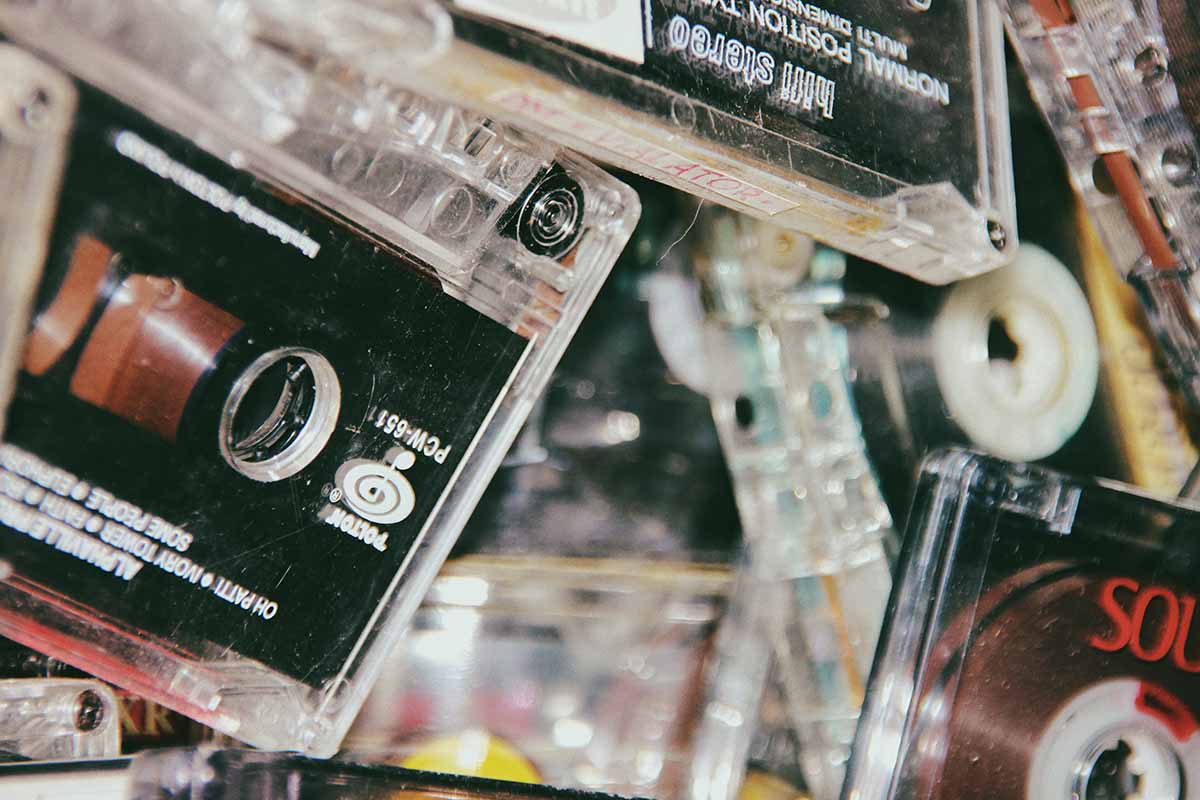
Music can change the energy of a room surprisingly quickly. The wrong playlist can make dinner feel awkward or kill a dance floor, while the right song can suddenly bring everyone together.
Instead of trying to predict everyone’s taste, make the soundtrack part of the event itself. Create a collaborative playlist on Spotify and invite guests to contribute before they arrive.
You can make it more personal by asking everyone to add:
- One song guaranteed to get them dancing.
- A nostalgic favorite everyone might recognize.
- A song connected to a memory with the host or group.
- One unexpected choice they think everyone should hear.
For weddings, birthdays, reunions, and even informal company events, the finished playlist becomes something created by the guests rather than background music selected for them.
Make It a Destination Event
Sometimes the easiest way to make an event feel completely different is simply to change where it happens.
If you’ve hosted the same backyard barbecue or dinner party several times, moving the gathering somewhere unexpected can create a new experience without requiring an elaborate theme. It also solves a very real hosting problem: spending the entire evening cooking, cleaning, and worrying about your house instead of enjoying your guests.
Consider:
- A vacation rental, with the owner’s prior approval.
- A private room at a local restaurant.
- A beach or public park where gatherings are permitted.
- A campsite for an overnight experience.
- A boutique hotel or resort.
- A winery, farm, rooftop, museum, or other unconventional local venue.
Before booking, check capacity, accessibility, parking, noise restrictions, permits, weather alternatives, and venue rules. A spectacular location isn’t particularly useful if half your guests can’t comfortably get there.
Make Event Planning a Team Effort
Hosting becomes much less enjoyable when one person is simultaneously managing invitations, food, decorations, music, last-minute cancellations, and cleanup.
Instead of doing everything yourself, divide responsibilities according to what people are actually good at.
One person can manage food, another can build the playlist, someone else can handle decorations, and another guest can coordinate activities or photographs. For larger gatherings, sharing responsibilities can also expand your planning budget and introduce ideas you might never have considered yourself.
For casual gatherings, a potluck is still one of the simplest solutions.
Give guests categories, appetizers, mains, desserts, drinks, rather than asking everyone to bring “something.”
You’ll avoid discovering that six people brought chips and nobody brought dinner.
Make Events More Unique Without Making Them More Complicated
The pressure to create an Instagram-perfect event can easily turn something enjoyable into a project nobody wants to manage.
But memorable events rarely depend on having the most expensive venue, elaborate decorations, or dozens of activities.
Think about the gatherings you still talk about years later.
Usually, there was a great conversation, an unexpected moment, incredible food, a song everyone danced to, or simply the right group of people in the same place.
That’s the useful rule to take into your next event:
- Give people something to participate in.
- Create opportunities for guests to connect.
- Add one or two details they aren’t expecting.
- Choose food, music, and surroundings that support the atmosphere.
- Leave enough space in the schedule for spontaneous moments.
Technology and AI can now help with invitations, schedules, menus, playlists, seating plans, event concepts, and dozens of other planning tasks. Use those tools to remove work, not to remove personality.
Ultimately, the most unique part of an event is something technology can’t manufacture for you: the particular combination of people, place, ideas, and experiences you bring together.
Plan the structure, add your own personality, and then give people enough freedom to make the experience their own.