
How to Create High-Converting Ad Campaigns in 2026
✨Key Points
- High-converting ad campaigns in 2026 rely on audience research, not guesswork;
- Strong messaging + A/B testing = lower costs and higher ROI;
- Funnels and retargeting turn clicks into real customers;
- Data-driven ads outperform “creative-only” campaigns every time.
Running ads today isn’t just about visibility—it’s about efficiency.
Ad costs are rising, attention spans are shorter, and people are more selective about what they click.
That means if your campaign isn’t targeted, clear, and relevant, you’re not just missing opportunities, you’re wasting budget.
Big brands like Coca-Cola, Apple, and BMW don’t run ads because people don’t know them.
They do it because consistent, strategic advertising keeps them top-of-mind and drives predictable revenue.
And that’s exactly what small businesses and startups need today:
- A way to attract the right audience (not just more traffic;)
- A system that converts attention into sales;
- A strategy that scales without increasing costs blindly.
This is where modern ad campaigns come in.
Because in 2026, effective advertising isn’t about running more ads, it’s about running smarter campaigns built on:
- Audience targeting (knowing exactly who you’re speaking to;)
- Searchable intent (aligning ads with what people are already looking for;)
- A/B testing (constantly improving what works;)
- Funnels (guiding users from first click to final purchase;)
If you’re a startup or small business, this matters even more.
You don’t have unlimited budget, so every ad needs to work harder, convert better, and bring measurable results.
Know Your Purpose
Most ad campaigns fail for one simple reason, they try to do too many things at once.
If your message isn’t clear, your audience won’t act. And if your goal isn’t specific, your results will be unpredictable.
Before you run any campaign, define one clear objective:
- Generate leads – get emails, sign-ups, or inquiries;
- Drive sales – promote a specific product or offer;
- Increase engagement – build awareness and trust with your audience;
- Test a new offer – validate demand before scaling.
Once your goal is clear, everything becomes easier—your message, visuals, targeting, and even your budget.
Here’s how to make it work:
- One campaign = one goal (don’t mix awareness + sales in the same ad;)
- Match your message to intent (people ready to buy need a different message than those just discovering you;)
- Highlight one strong benefit (not five features—one clear reason to act;)
If your goal is broad, like brand awareness, focus on what makes you memorable:
- What problem do you solve better than others?
- What makes your offer different or easier to choose?
When your purpose is clear, your ads don’t feel confusing—they feel obvious.
And that’s what drives clicks, conversions, and real results.
Choose Your Platforms

Not every marketing channel delivers results, and using the wrong one can waste both time and budget.
Traditional methods like print ads or newspapers rarely give clear ROI today.
Instead, modern campaigns focus on channels where you can target, track, and optimize performance in real time.
Here’s where to focus in 2026:
- Social media ads (Instagram, Facebook, TikTok, LinkedIn;) Reach the right audience fast with precise targeting and scalable budgets;
- Search-based ads (Google Ads, YouTube;) Capture people who are already looking for what you offer (high intent = higher conversions;)
- Email marketing (still one of the highest ROI channels;) Direct access to your audience without paying for every click.
Why email matters so much:
- You own the audience (no algorithm controlling reach;)
- You can nurture leads over time with valuable, relevant content;
- It consistently delivers one of the highest returns in digital marketing.
But here’s the key—don’t just send promotions.
Use email to:
- Educate;
- Build trust;
- Stay top of mind.
Because when someone is ready to buy, they’ll choose the brand they’ve been hearing from consistently.
While a well-funded campaign can drive quick traffic, smart marketers know that long-term sustainability comes from a balanced approach.
Integrating organic word-of-mouth marketing alongside your paid efforts ensures that once the ad budget stops, the brand conversation continues.
That’s how you move from short-term clicks to long-term growth.
The real advantage today isn’t just reaching more people—it’s reaching the right people, on the right channel, with the right message, and giving them a reason to talk about you even after the campaign ends.
Who Are You Appealing To?
If you don’t clearly know your audience, your ads won’t convert, no matter how good they look.
Trying to appeal to “everyone” usually means you connect with no one.
Bcause people respond to messages that feel specific to them, not generic.
The goal isn’t more reach, it’s relevance.
Start by defining who you actually want to attract:
- Interests & behaviors – what they do, search for, and spend time on;
- Pain points – what they’re struggling with or trying to improve;
- Stage of awareness – are they just exploring or ready to buy?
For example, if you sell handmade fishing tackle, your audience isn’t just “people who fish.”
It’s:
- Beginners looking to get started (need guidance and simple offers)
- Experienced anglers (care about quality, performance, and uniqueness)
Each group needs a different message.
Here’s how to make your campaigns work:
- Speak their language – use words and tone they naturally relate to;
- Match the message to the moment – educational for beginners, performance-driven for experts;
- Test and refine – use A/B testing to see what actually resonates;
Because when your message feels personal, people don’t scroll past it, they stop, engage, and act.
And that’s what turns ads from “seen” into “profitable.”
Measuring Success
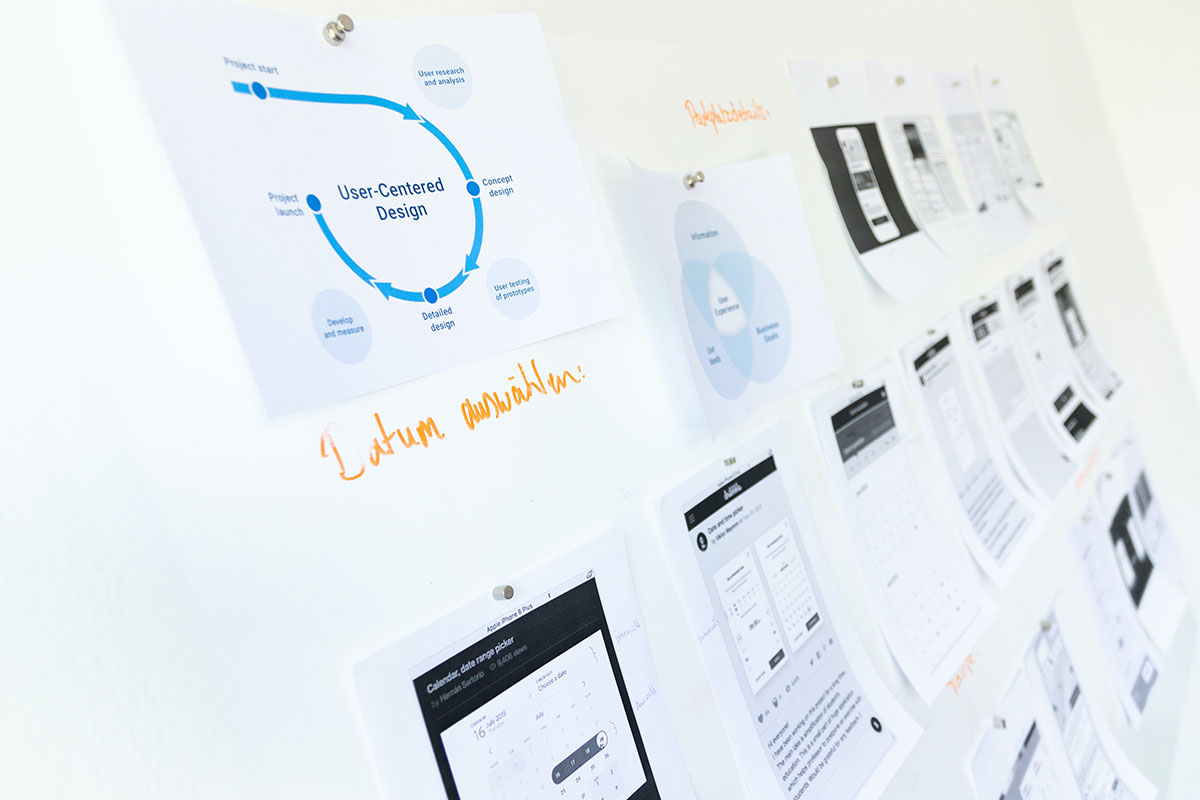
Once you’ve released an ad campaign, how do you intend to track results?
In other words, what metrics will you use to gauge whether or not it’s working the way you intended?
For example, you might see a boost in your social media followings as a marker of success; an increase in sales and social mentions also shows that your campaign is being noticed.
If you’re promoting across multiple platforms – like email, social media, and local radio – you should consider how to measure effectiveness through these platforms and how much of your campaign success can be attributed to your presence on each one.
This is easier to manage with social media and direct mailing, however.
Turn To The Experts
Running ads without a clear strategy often leads to wasted budget.
You might get clicks, but not the results you actually need.
That’s where working with an expert makes a difference.
I focus on building campaigns that are structured to convert, not just attract attention.
That means understanding your business, defining the right audience, creating messaging that connects, and building funnels that guide people from interest to action.
From there, we continuously improve performance through A/B testing, so your campaigns get better over time.
You’ll also get clear, easy-to-understand reports, so you always know what’s working.
You stay focused on your business, while I handle the strategy, optimization, and growth.
If you’re ready to build ad campaigns that bring consistent, measurable results, feel free to contact me and let’s get started.