New York Has Five Hidden Lives, Most Tourists Only See One
You can spend a fortune visiting New York and still come home knowing almost nothing about it.
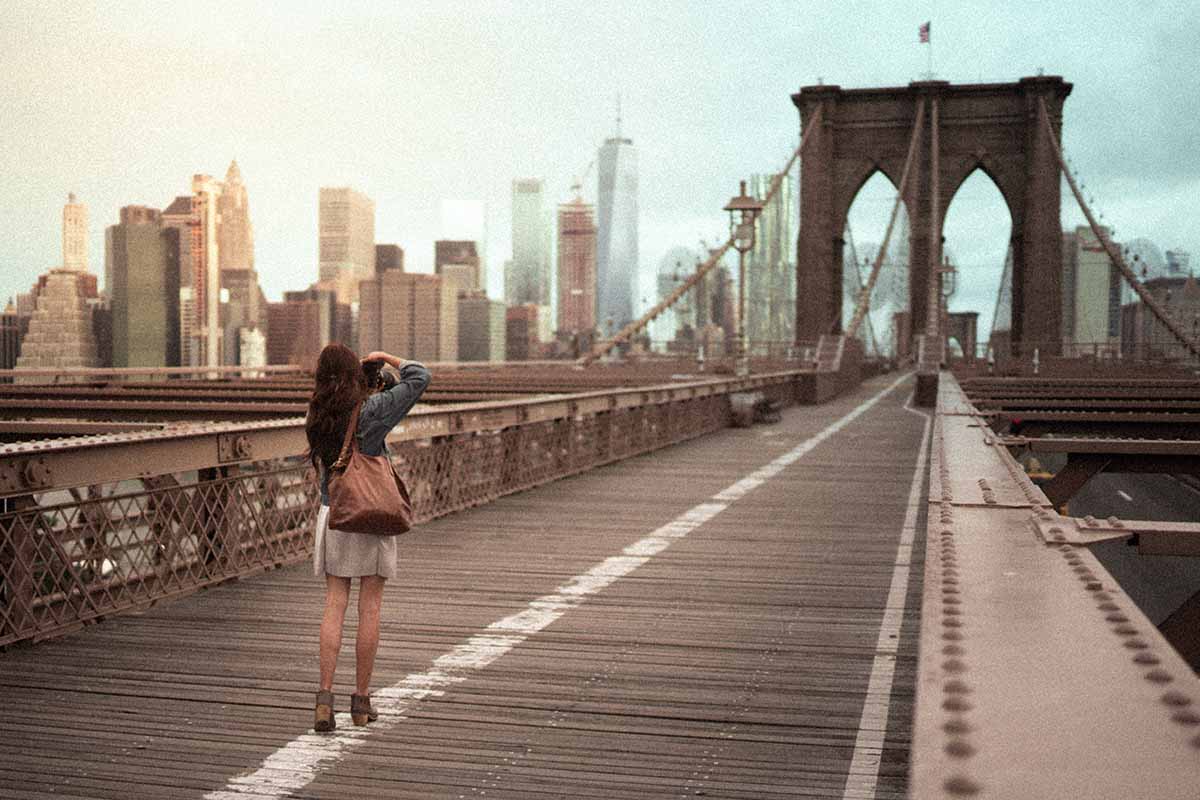
You photograph Times Square, walk across the Brooklyn Bridge, and admire the Statue of Liberty.
Your camera roll looks incredible.
But here’s the uncomfortable question: Did you discover New York, or did you simply follow the same itinerary as millions of other visitors?
Consider SoHo. Today, tourists come for designer boutiques and beautiful cast-iron buildings.
But those same streets were once part of a manufacturing district before artists helped transform the neighborhood.
One neighborhood. Three completely different identities.
And most visitors only notice the latest one.
That’s what makes exploring New York so fascinating.
You’re not walking through one city. You’re walking through layers of history, immigration, culture, cinema, and reinvention.
To uncover those layers, investigate five versions of New York:
- The New York that existed before you: Discover what familiar streets looked like a century ago.
- The New York locals created: Explore the communities, traditions, and cultural movements that shaped its neighborhoods.
- The New York Hollywood invented: Compare famous filming locations with the places they represent in real life.
- The New York that’s disappearing: Find traces of old businesses, theaters, and neighborhoods transformed by redevelopment.
- The New York that’s coming next: Look at how new architecture, public spaces, and changing neighborhoods are reshaping the city.
Here’s the challenge: choose one neighborhood and discover what it was, what it became, and what it might become next.
You’ll start noticing stories hiding behind ordinary storefronts, subway entrances, and apartment buildings.
Because the most interesting thing about New York isn’t how much there is to see.
It’s how much you can look at without ever really seeing it.
Use Alternate Transportation to Discover the New York Tourists Miss
The subway isn’t just a way to get around New York. It’s a shortcut into five completely different versions of the city.
Most visitors treat transportation as wasted time between attractions. They rush underground, stare at Google Maps, and emerge at the next famous landmark.
But here’s what they’re missing: the journey between tourist attractions can reveal more about New York than the attractions themselves.
Think about taking the 7 train through Queens. Within a relatively short journey, you can encounter neighborhoods shaped by different immigrant communities, languages, businesses, and food traditions. You’re watching the city’s cultural history unfold outside the window and along the streets near each station.
Instead of choosing transportation purely by speed, use it to investigate the city:
- Take the subway to follow cultural change. Ride the 7 train through Queens and explore neighborhoods such as Jackson Heights and Flushing. Notice how languages, restaurants, and storefronts change from one stop to another.
- Ride the Staten Island Ferry to see New York from the water. The free ferry offers views of Lower Manhattan and the Statue of Liberty. It also gives you a different perspective on the harbor that helped shape New York’s development.
- Walk across a neighborhood boundary. Explore the transition between SoHo and Chinatown, where architecture, businesses, and street life reveal different chapters of the city’s history.
- Use buses to see what the subway hides. Underground trains are efficient, but buses let you observe street-level changes in buildings, shops, and public spaces. Sometimes a slower journey tells a better story.
- Rent a bike for a different perspective. Cycling along suitable routes can help you connect waterfronts, parks, and neighborhoods while noticing details you’d miss from a car. Check local cycling rules and choose routes that match your experience.
When Does Renting a Car Make Sense?
In Manhattan, a rental car can turn a vacation into an expensive parking problem.
Traffic, tolls, and parking fees can easily outweigh the convenience, especially when many major attractions are accessible by subway or on foot.
However, renting a car may be useful for trips beyond the city, such as exploring parts of the Hudson Valley or visiting destinations with limited public transportation.
Before booking, compare the total cost of the rental, insurance, tolls, and parking against train or bus fares.
✨One final trick: Pick a subway line, research the history of three neighborhoods along it, and spend an afternoon exploring them.
You’ll stop thinking of transportation as the boring part of your trip.
Because sometimes the best way to discover New York is to stop rushing toward the next attraction and pay attention to everything in between.
Learn From the Locals: Discover the New York Nobody Advertises

The best New York recommendations often come from people who have absolutely nothing to sell you.
A travel influencer might recommend a $30 cocktail with a spectacular skyline view.
A New Yorker might tell you about a tiny neighborhood bakery that’s been part of their family’s Sunday routine for decades.
Both places might be worth visiting. But only one recommendation tells you something about how people actually live.
Here’s a question most tourists never think to ask: What would this neighborhood lose if its most famous attraction disappeared tomorrow?
The answer might be a family-owned bookstore, a community garden, a historic music venue, or a restaurant where generations have celebrated birthdays.
Those places rarely make the top-ten lists, but they can reveal what gives a neighborhood its identity.
How to Discover New York Through Its Residents
Instead of asking strangers to name their favorite tourist attractions, try questions that lead to more interesting stories:
- Ask what has changed. A longtime resident of the Lower East Side might remember businesses and gathering places that no longer exist. Their memories can reveal how rising costs and redevelopment have transformed the neighborhood.
- Find out where people celebrate. Ask about neighborhood festivals, cultural performances, and community traditions. Events such as the Feast of San Gennaro in Little Italy offer a window into the city’s Italian-American heritage.
- Look for places people protect. Community gardens, historic theaters, and independent businesses often have stories of residents organizing to preserve them. Find out why those places matter.
- Ask where they’d take an old friend. Someone visiting New York for the fifth time probably doesn’t need another photograph of Times Square. This question can uncover meaningful places beyond the usual sightseeing route.
- Visit a neighborhood institution. Libraries, cultural centers, and local museums often share community histories that large tourist attractions overlook. Check their exhibitions and event calendars before visiting.
One Question That Can Change Your Entire Trip
✨Ask a local: “What’s something about this neighborhood that you wish visitors understood?”
You might hear about an immigrant community that shaped its food culture, a historic building threatened with demolition, or a tradition that has survived generations of change.
And here’s the important part: don’t treat residents like unpaid tour guides.
Talk when people are open to conversation, respect their time, and support local businesses when you can.
You don’t need to pretend you’re a New Yorker to appreciate the city through someone else’s eyes.
A landmark tells you what a city wants to remember. Its residents can tell you what it refuses to forget.
Avoid Excessive Planning: Let New York Surprise You
You can plan every minute of your New York vacation and accidentally remove the best part of being there.
Think about Sex and the City. Carrie Bradshaw’s New York is full of spontaneous conversations, unexpected encounters, and streets that somehow turn an ordinary afternoon into a story.
Now imagine Carrie checking her phone every six minutes because she has exactly 14 minutes to get from one attraction to another.
Not quite the same magic, right?
Here’s a better idea: use movies as a starting point for exploring New York, not a checklist you have to finish.
- Follow Carrie Bradshaw’s footsteps. Visit the West Village, where the exterior of Carrie’s apartment was filmed at 66 Perry Street. Then explore the surrounding streets, independent shops, and cafés instead of rushing to your next destination. Remember that the building is a private residence, so respect its occupants.
- See the New York of Home Alone 2. Stop by the Plaza Hotel and Central Park, then spend time exploring the park beyond the recognizable filming locations. The movie gives you a reason to visit; the neighborhood gives you a reason to stay.
- Explore the romance of When Harry Met Sally. Visit Katz’s Delicatessen on the Lower East Side, famous for its restaurant scene. But don’t stop at the movie reference. The surrounding neighborhood has a rich history connected to immigration, food, and changing city life.
- Discover the New York of Ghostbusters. Find the famous firehouse exterior at 14 North Moore Street in Tribeca. It’s an active fire station, not a movie set, so admire it respectfully from outside.
Try the One-Scene Rule
Choose one movie location per day, then leave a few hours free to explore what’s nearby.
You might discover a bookstore, an unusual building, or a neighborhood event you never would have found while following a packed itinerary.
And keep some flexibility for rain, transit delays, or simply finding a place you don’t want to leave.
The best New York story might begin at a famous filming location — but it probably won’t end there.
Rest Well: See the New York That Changes With the Clock
New York at 7 a.m. and New York at midnight can feel like two completely different cities.
Most visitors focus on where to go. But when you visit can completely change the experience.
Take Times Square. In the evening, it’s a spectacle of lights, crowds, and enormous advertisements. Early in the morning, you can notice details that are easy to miss when the sidewalks are packed.
The same principle applies to other parts of the city:
- Early morning: Visit a neighborhood bakery as it opens or enjoy a quieter walk through Central Park.
- Late afternoon: Explore a waterfront promenade as the changing light transforms the skyline.
- Evening: Experience the atmosphere around Broadway theaters before or after performances.
But don’t sacrifice sleep just to squeeze in another attraction.
Getting enough sleep helps you stay alert and enjoy your trip. If you want to experience the city after dark, plan a slower morning afterward.
You don’t need to stay awake for 20 hours to experience the city that never sleeps.
Bring Home a Souvenir That Tells a New York Story
The least interesting souvenir from New York might be the one that says “New York” in enormous letters.
A mass-produced Statue of Liberty magnet tells people where you went. But does it remind you what you discovered?
Try choosing a souvenir connected to a particular neighborhood, cultural tradition, or experience.
- For movie lovers: Browse a local bookstore for a book about New York cinema, filming locations, or the history of your favorite neighborhood.
- For history enthusiasts: Look for reproductions of historic city maps, archival photographs, or books published by local museums.
- For art lovers: Buy a print from a local artist depicting a street or building that caught your attention.
- For food lovers: Bring home a locally produced, travel-friendly specialty that reminds you of a neighborhood you explored.
- For collectors: Save your own ticket stubs, permitted brochures, or photographs and create a small travel scrapbook.
You can also explore travel experiences shaped by different cultures to find souvenirs with a more meaningful connection to the places you visit.
Here’s an unusual idea: buy something that represents a version of New York you didn’t know existed before your trip.
Maybe it’s a book about the city’s forgotten elevated railways, a photograph of old Manhattan, or artwork from a neighborhood you discovered by accident.
Years later, that object can remind you of something much more interesting than a tourist attraction.
It can remind you of the moment you understood the city differently.
New York has been reinventing itself for centuries, and Hollywood has invented several more versions of it.
The fun is discovering which New York exists beyond the screen — and which one you’ll remember as your own.