
How to Choose a Career That Fits Your Personality in an Uncertain World
✨Key Points
- Identify your strengths, interests, and natural working style to find careers that align with your personality.
- Use a combination of AI tools, personality assessments, and self-reflection to explore meaningful and future-proof paths.
- Consider AI-driven industry changes, economic uncertainty, and global shifts when choosing a career for long-term stability and fulfillment.
When it comes to choosing a career, many people just pick something based on what they think will make them the most money.
Unfortunately, this isn’t always the best approach, especially if you’re not fully clear on your personality.
Choosing a path that doesn’t fit who you are can lead to frustration, burnout, and feeling stuck in a job that doesn’t inspire you.
This post will explore how to choose a career based on your personality and give tips for figuring out your type if you’re unsure.
Whether you’re just starting out or considering a change, these insights can help you make smarter, more fulfilling choices.
Think about your interests, strengths, and the way you naturally work, and let that guide you.
With AI reshaping industries, fears that automation will take over jobs, and the economic uncertainty affecting even Seattle’s tech giants, startups, and biotech hubs, more people than ever are searching for careers that are secure, meaningful, and adaptable to the future.
By understanding yourself first, your strengths, interests, and personality, you can focus on opportunities that truly fit you.
Whether it’s joining a remote-friendly role at a local tech company, contributing to a biotech startup in South Lake Union, or exploring creative paths inspired by Seattle’s thriving coffee, arts, and media scene, knowing yourself helps you navigate the city’s evolving job market while staying resilient in an unpredictable world.
Think About Your Interests
One of the first steps in choosing a career is figuring out what truly interests you.
What are you passionate about? Do you enjoy working with people, solving problems, or being creative?
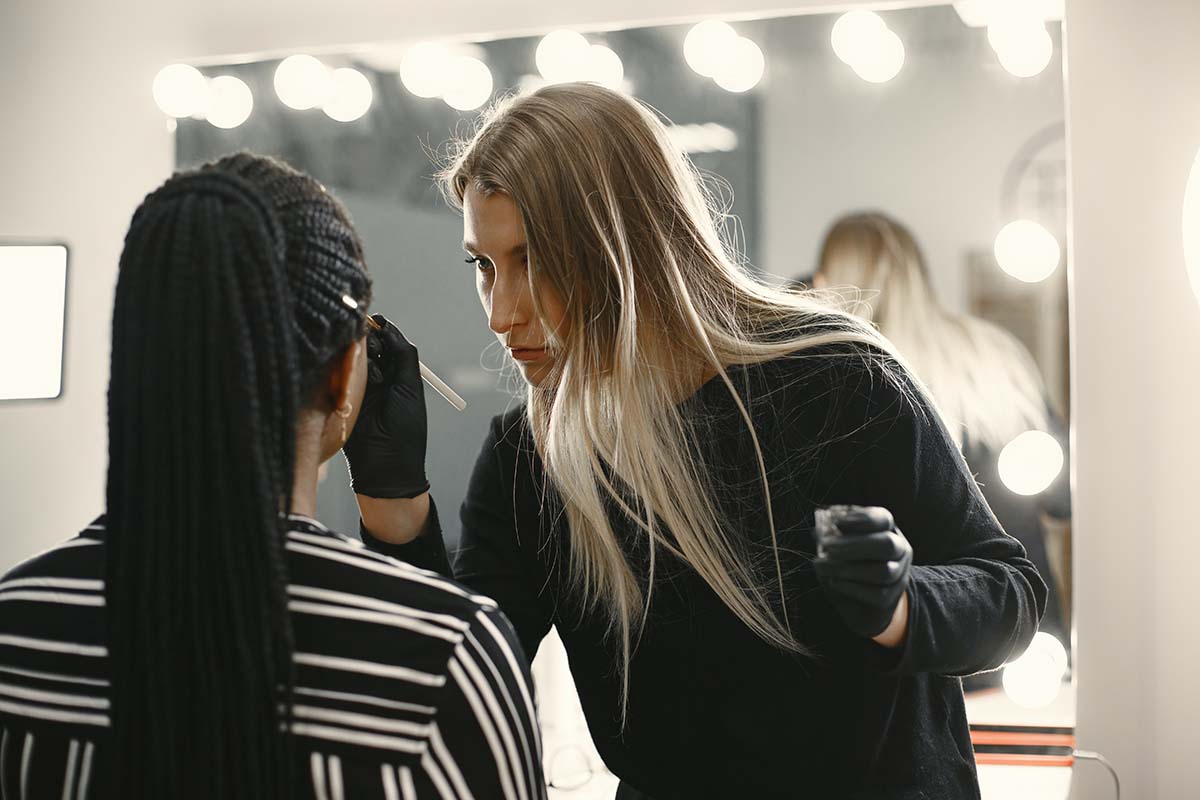
For example, if you’re drawn to beauty and health, a makeup artistry course could be a great starting point.
Once you understand your interests, you can start exploring careers that naturally align with them.
Not sure what excites you yet? There are plenty of online quizzes and tests that can help you uncover your strengths and preferences.
Once you have a clearer picture, research careers that match your interests.
This will give you a realistic view of what’s out there and help you narrow down your options.
Consider Your Personality
Your personality is a crucial factor when choosing a career, sometimes even more important than your skills.
✨Ask yourself: Do you enjoy working with others, or do you prefer independent work?
Are you outgoing and energetic, or more introverted and reflective?
Do you thrive in fast-paced environments, or do you prefer a slower, more deliberate pace?
To make this even more actionable, consider common personality archetypes and the types of careers that often suit them:
- The Social Connector: Outgoing, people-oriented, energized by collaboration. Careers in sales, marketing, teaching, or event management often fit.
- The Creative Thinker: Innovative, imaginative, loves problem-solving. Consider careers in design, writing, entrepreneurship, or AI-driven creative roles.
- The Analyzer: Detail-oriented, logical, enjoys data and systems. Ideal paths include accounting, engineering, IT, research, or cybersecurity.
- The Supporter: Empathetic, patient, enjoys helping others. Careers in healthcare, counseling, social work, or customer success are often a good match.
- The Independent Explorer: Introverted, self-motivated, prefers autonomy. Freelancing, research, consulting, or remote tech roles may be ideal.
By identifying your personality type and archetype, you can narrow down career options that feel natural and satisfying.
For example, if you’re introverted and enjoy working independently, a customer service role might not be the best fit, but a research or writing position could be perfect.
Consider Your Skills

Your skills are a key factor in choosing a career.
Think about what you’re naturally good at, what you enjoy doing, and the abilities you’ve developed over time.
These can include both hard skills vs. soft skills.
Hard skills are technical abilities or knowledge you can measure, like coding, accounting, or data analysis.
Soft skills, on the other hand, are personal attributes that shape how you work with others, like leadership, communication, or adaptability.
Both are important, and understanding the difference helps you see which careers suit your strengths and which skills you may want to develop.
Here are some ways to frame your skills:
- Leadership & Team Skills: Good at motivating others, organizing projects, or managing teams? Consider careers in management, consulting, or entrepreneurship.
- Analytical & Technical Skills: Strong with numbers, technology, or problem-solving? Roles in finance, accounting, data analysis, or IT could be a fit.
- Creative & Communication Skills: Enjoy writing, design, or storytelling? Marketing, content creation, or UX design may align well.
- Flexible & Growth-Oriented Skills: If you’re a digital nomad with no specific skills yet, focus on learning high-demand, transferable skills like digital marketing, social media management, coding, or freelance services.
- Adaptability & Continuous Learning: Skills that allow you to pivot easily, like leadership, communication, or tech literacy, are especially valuable in a rapidly changing job market.
Matching your current skills with careers where they are most useful, and intentionally developing new ones, can open doors to fulfilling and future-proof opportunities.
Do Your Research
Once you’ve considered your interests, personality, and skills, it’s time to dig deeper into different career paths.
Explore job descriptions, read about industries that interest you, and connect with people already working in those fields.
The more research you do, the clearer your choices will become, and the more confident you’ll feel in making the right decision.
Choosing a career is one of the most important decisions you’ll make, but it’s also an opportunity to shape your future.
By understanding yourself and the world around you, and by recognizing that leadership skills can transform your career path, you can open doors to roles that not only fit your strengths but also give you room to grow, make an impact, and thrive.
Keep your interests, personality, and skills at the center of your decision, and you’ll be on your way to a career that’s both fulfilling and future-ready.