What To Look For When Buying a Classic Car: Mistakes to Avoid
✨ Key Points
- Always research the car’s history, condition, and true market value. Many first-time buyers get caught up in excitement or hype and overlook key details like maintenance costs, previous damage, or authenticity — which can lead to expensive surprises later.
- Never skip a professional inspection before purchasing. Classic cars often hide mechanical or structural issues. A thorough inspection by a specialist can save you from buying a vehicle with hidden rust, engine problems, or mismatched parts.
- Understand legal requirements, ownership paperwork, and shipping logistics. From registration rules to import laws to transport costs, classic cars come with extra steps. Knowing the process upfront prevents delays, unexpected fees, and potential legal problems.
Collecting classic cars is one very profitable hobby.
But do you know what to look for when buying a classic car?
These vintage vehicles are an excellent investment with a 97% appreciation rate.
According to investment experts, this rate competes with property investment and commodities like gold.
While this sounds like a dream come true for every classic car enthusiast, there are some things to know before heading to Dyler for your first traditional car purchase.
It would be wise to have a list of the questions to ask when buying a classic car and to know what to look for when buying a classic car.
This article will find five mistakes you would want to avoid when buying a classic car. They are:
Ditching Research
Before putting your money into any car purchase, research is the smartest thing you can do — and it’s no different when buying classic cars.
The same level of caution applies to buyers who are exploring options like buying stolen and recovered cars at auction, where history, condition, and documentation matter just as much.
Classic cars are very different from what we drive today, so you’ll want to gather as much information as possible. Look into maintenance costs, safety equipment, model variations, fuel consumption, storage needs, and anything else that affects long-term ownership.
It’s also important to understand the laws around classic car ownership in your state or country — especially if the vehicle is coming from a unique source like an auction or a recovery sale.
Once your research tells you the investment is worth it, you can move on to understanding shipping processes and costs. Shipping collectible cars can be tedious and full of paperwork, but knowing what to expect makes the entire experience much easier.
Another thing to watch out for is hype. First-time buyers often get swept up in trends, but a car that suddenly spikes in value doesn’t always make the best long-term investment.
In the end, whether you’re buying a classic treasure or considering stolen and recovered cars at auction, thorough research is non-negotiable. It’s the foundation of every smart decision in the collectible car world.
What to look for when buying a classic car: purchasing a classic car, you can’t sell
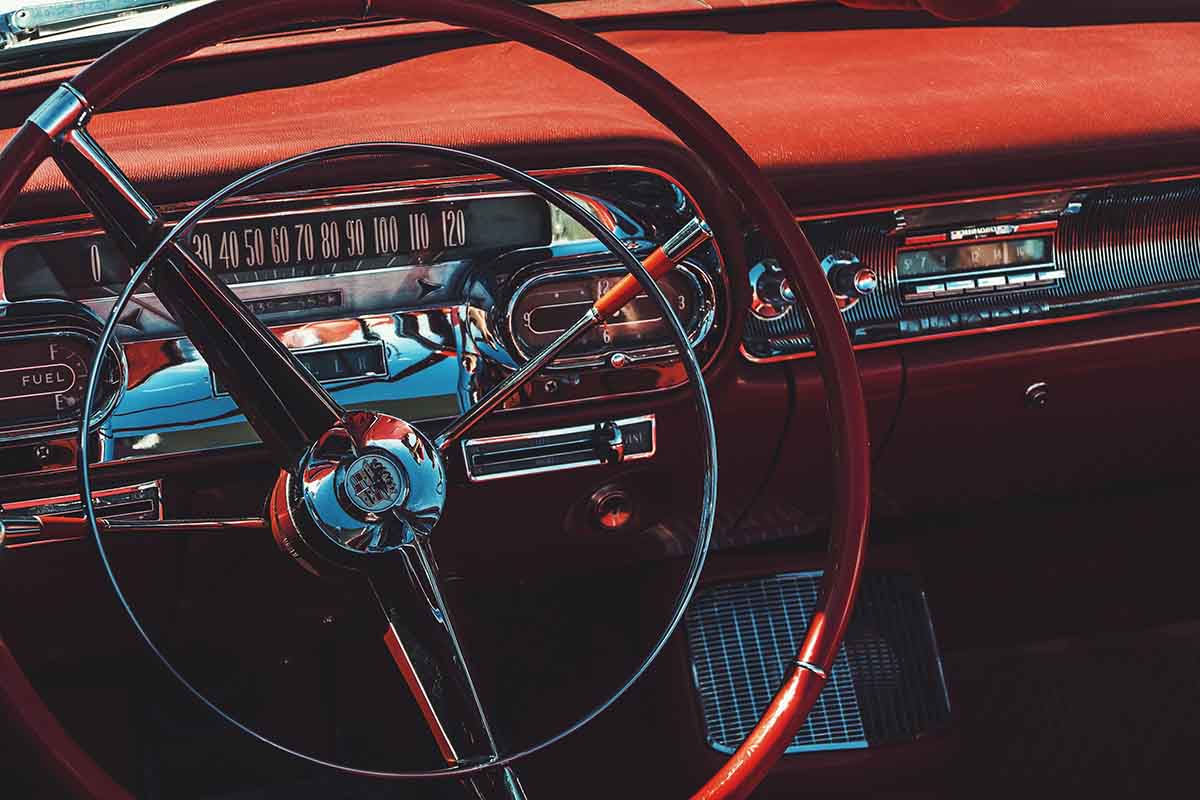
Before buying a classic car, you should be clear about your motive and the results you hope to achieve.
If you want to return your investment by selling it off after a while, this consciousness should influence every decision you make when buying.
Although collectible cars are known as a great form of investment, sadly, not all of them will appreciate over time.
Several factors determine the value of a classic car: the model, remodeling/modification, car manufacturers, functionalities, market demand, etc.
In addition, it is advisable not to buy a modern car in hopes of it becoming a classic as there are too many risks involved.
A classic example of this scenario is back in 1990, after the release of the Dodge Viper.
A lot of car collectors invested in this new release since it had the potential of becoming a classic.
This wrong prediction led to massive losses as the vehicle that was expected to be worth millions of dollars years later can now be purchased for less than $40,000.
Skipping Professional Inspection
As an automobile enthusiast, you may want to skip the crucial step of professional pre-purchase inspection (PPI), but that can be a costly mistake.
Since classic cars are built quite differently from modern ones, you would need a licensed mechanic to inspect the vehicle for any signs of damage thoroughly.
After getting a detailed report about the car’s overall health, you can then determine if it is worth your money.
No Proper Insurance Coverage
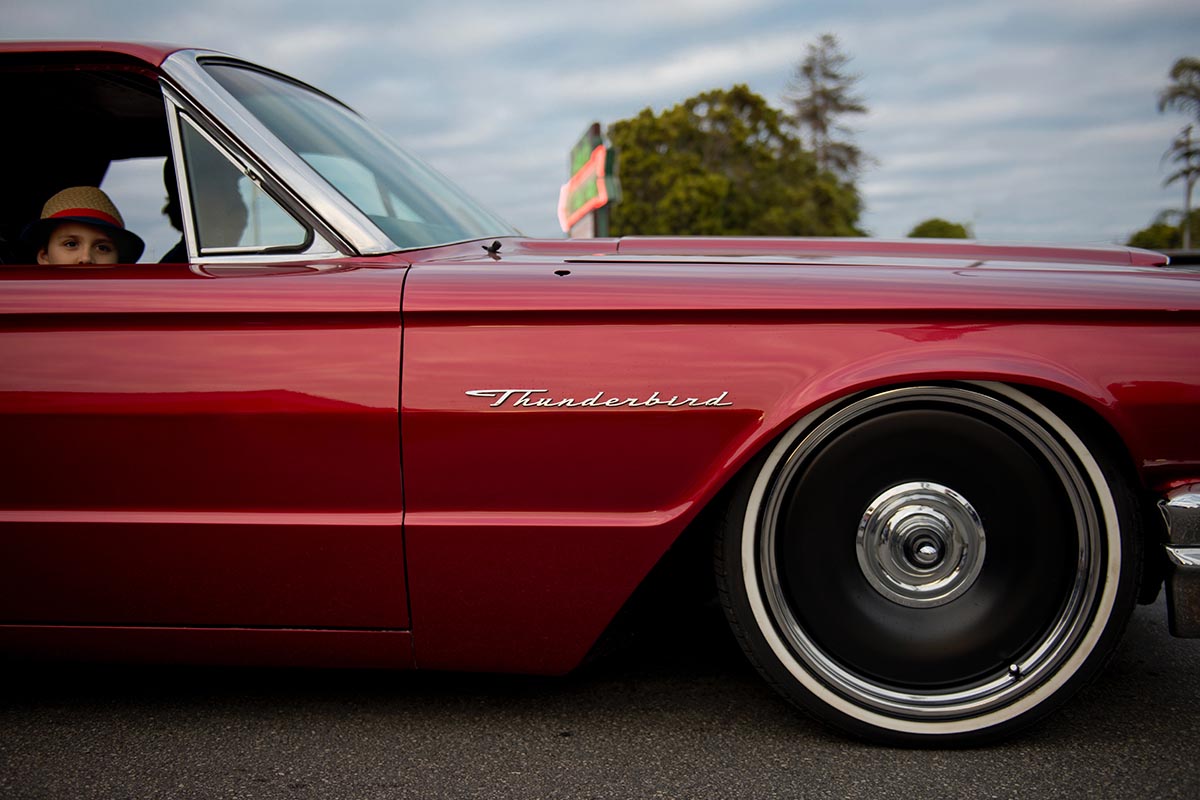
It is advisable not to assume that your regular automobile insurance can cover that of a classic car.
eing a collectible item, you’d want to research insurance coverage specific to them.
The cost of insuring your classic car may be higher than traditional auto insurance, depending on the model’s rarity.
Other factors that determine the cost of classic car insurance include the model year, value policy limit, model type, etc.
For a first-time collector, it might be tempting to take the first insurance offer that comes your way, but expensive doesn’t always mean great.
You can extensively search for a good insurance policy during your research stage.
Not Paying Attention to the VIN
Investing in a collectible is perhaps a game of chance. But to lock in more points, you’d want to carry out all appropriate measures, including checking the VIN.
The Vehicle Identification Number (VIN) is usually stamped on the engine, dashboard, and other points in and outside the vehicle.
You should confirm that these numbers are uniform on the vehicle unit. If they are not, then some parts may have been replaced.
Also, a VIN search could reveal unaltered details about the vehicle, such as its accident and ownership histories, recalls, specs, etc.
With this knowledge, you can decide if you’d stake your money on the vehicle in question.
Questions to ask when buying a classic car: conclusion
What to look for when buying a classic car – buying classic cars is more than an investment but a labor of love.
It requires time, attention, and patience to make the best choices.
It can get a little overwhelming for a first-time buyer, but the above tips make the process much easier.