Outdoor Hobbies That Can Improve Your Mental Health and Everyday Life
✨Key Points
- Outdoor hobbies help reduce stress, improve mental health, and support a healthier analog lifestyle away from constant screens.
- Spending time outside can improve focus, sleep quality, physical activity, and overall emotional well-being.
- Cities like Seattle offer easy access to nature, making outdoor activities more accessible for beginners and experienced adventurers alike.
Modern life has become increasingly screen-focused, fast-paced, and mentally exhausting.
Between work notifications, social media, traffic, and constant digital stimulation, many people are experiencing higher levels of stress, burnout, anxiety, and emotional fatigue than ever before.
That is one reason outdoor hobbies have seen a major rise in popularity in recent years.
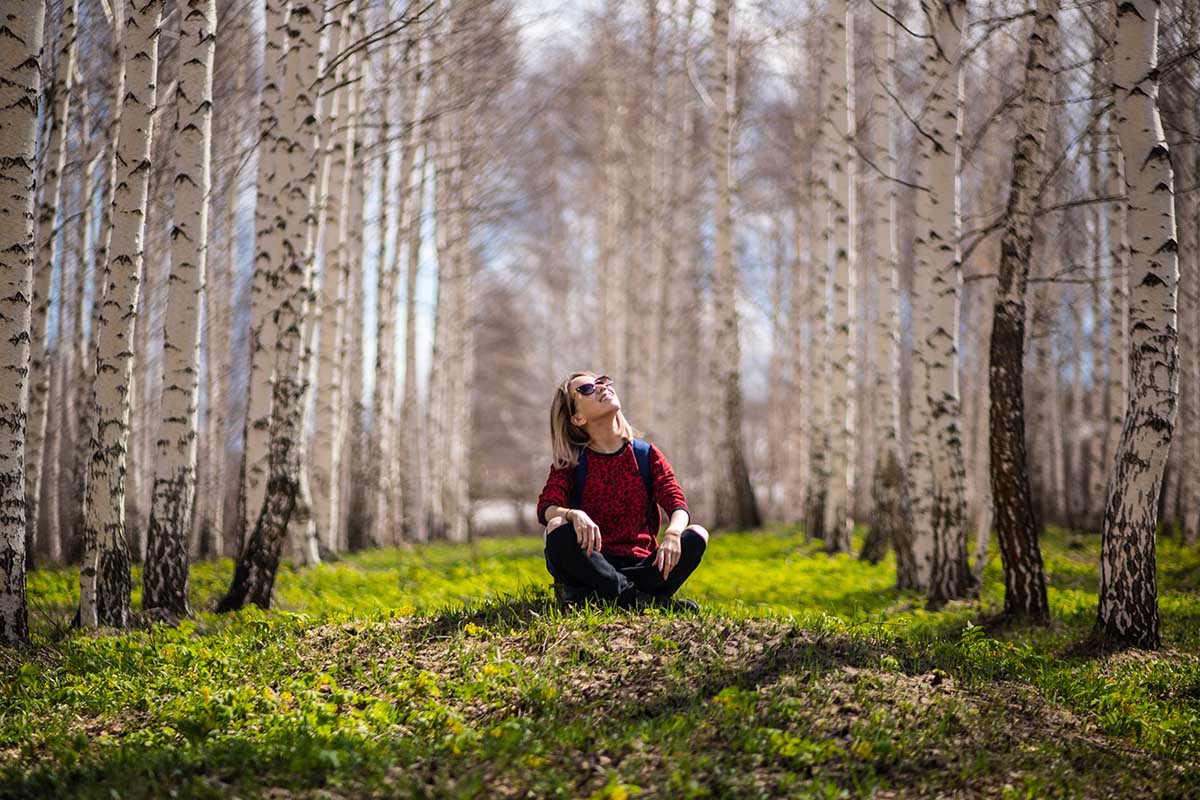
More people are looking for ways to slow down, reconnect with themselves, and embrace a healthier form of analog living, spending less time online and more time experiencing the real world around them.
Research continues to show that spending time outdoors can support both mental and physical well-being by helping reduce stress levels, improve mood, increase physical activity, and even support better sleep and concentration.
Outdoor hobbies can help people:
- Reduce stress and mental overload;
- Improve focus and emotional balance;
- Increase vitamin D exposure and physical movement;
- Create healthier routines away from screens;
- Build curiosity, creativity, and mindfulness.
Living in places like Seattle also creates unique opportunities to explore nature more regularly.
From forests and mountains to waterfront parks and hiking trails, outdoor activities can become an accessible part of everyday life instead of something reserved only for vacations.
If you are searching for a new hobby that supports both mental clarity and physical well-being, spending more time outdoors may be one of the simplest and most rewarding places to start.
Best Outdoor Hobbies: Stand-Up Paddleboarding (SUP)
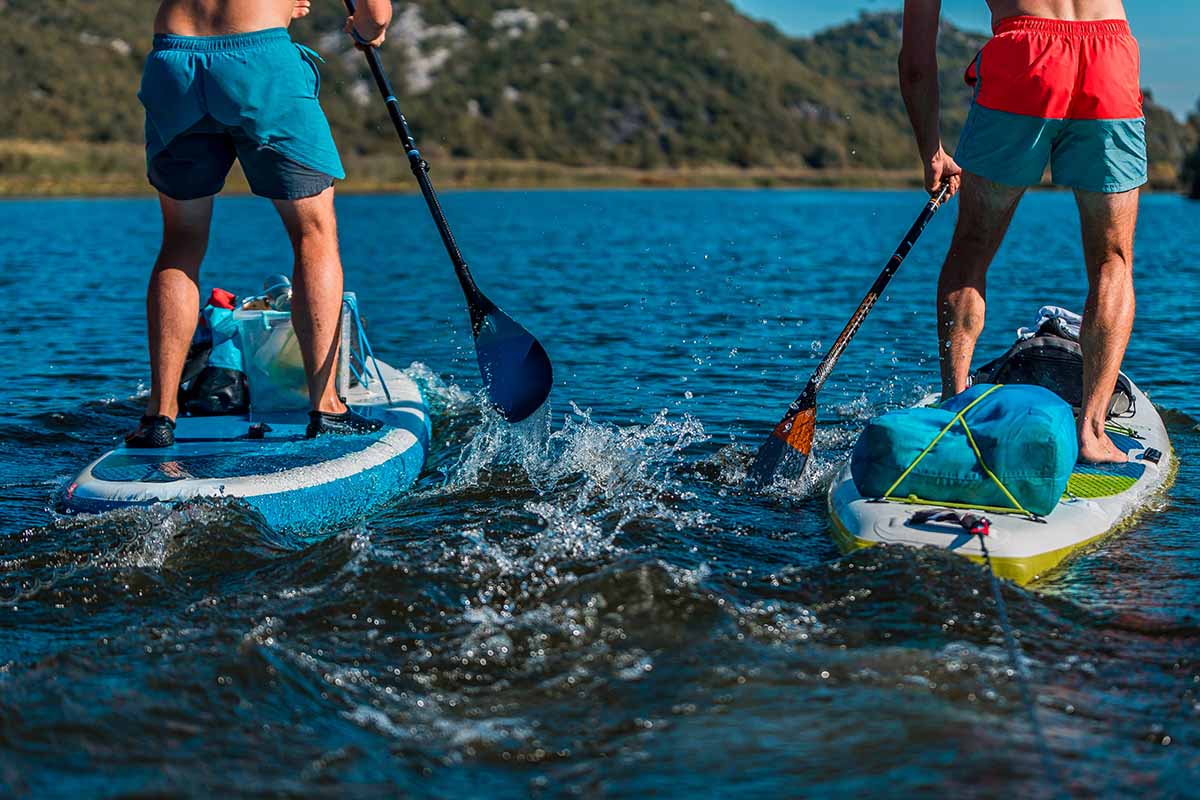
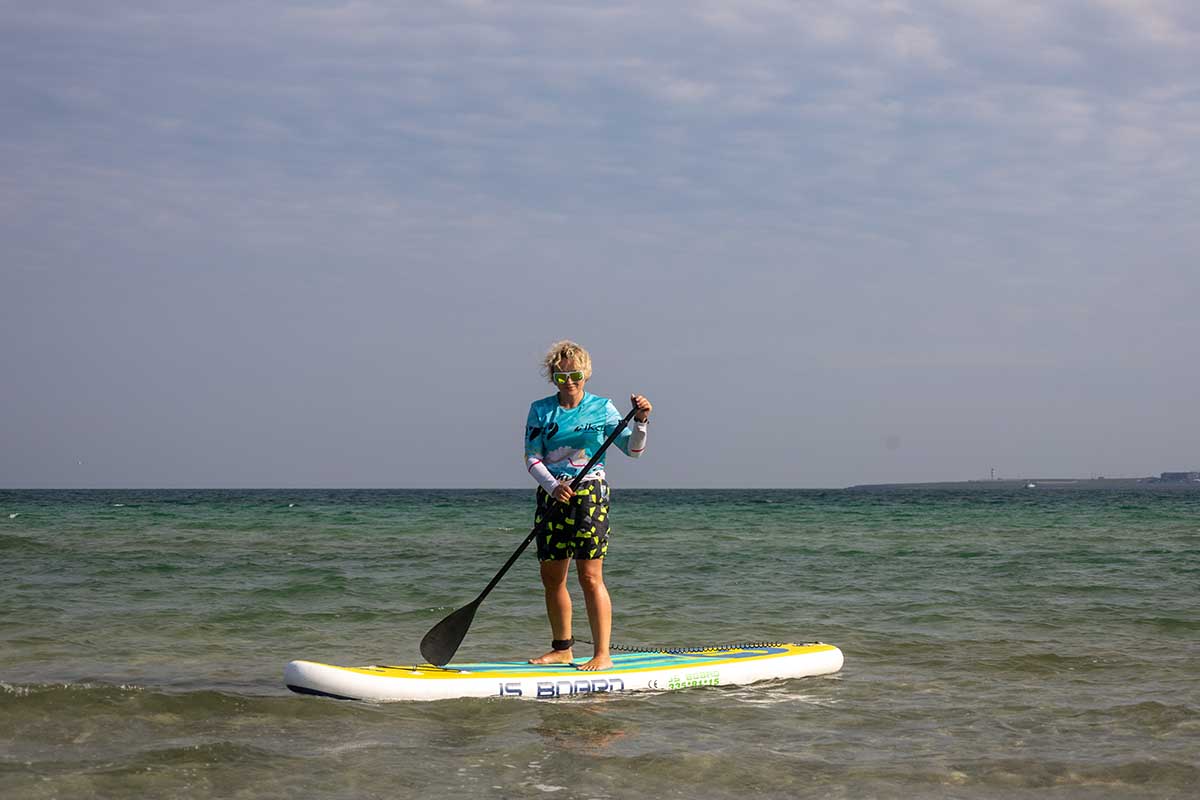
Stand Up Paddleboarding, often called SUP, has quickly become one of the most popular outdoor hobbies for people looking to stay active while reducing stress and spending more time in nature.
Unlike high-intensity sports that can feel overwhelming for beginners, paddleboarding offers a calmer and more mindful outdoor experience.
Many people enjoy it because it combines light exercise, balance, fresh air, and peaceful surroundings all at once.
SUP is also beginner-friendly.
Riders stand on a large paddleboard, similar to a surfboard, and use a paddle to move across the water at their own pace.
One reason paddleboarding has become so popular is because it helps people:
- Reduce stress and mental fatigue;
- Improve balance and core strength;
- Disconnect from screens and daily distractions;
- Spend more time outdoors and near water;
- Practice mindfulness and focus naturally.
For many beginners, paddleboarding becomes part of a healthier analog lifestyle by encouraging slower, more intentional experiences away from constant digital noise.
Lakes, calm rivers, canals, and protected bays are usually the best places to start learning.
While ocean paddleboarding can be beautiful, stronger waves and currents often require more experience and confidence.
One of the biggest benefits of try SUP is the feeling of being fully present. Instead of multitasking or scrolling through screens, your attention naturally shifts toward the movement of the water, the surrounding scenery, and the rhythm of the experience itself.
Geocaching
Geocaching is something the whole family can do together, or you can do it yourself if you prefer – there are no specific rules.
The only thing you will need is the right equipment.
You’ll need a smartphone or a handheld GPS, and you’ll need the geocaching app. You’ll also need good walking boots, so invest in the best LOWA hiking boots to ensure your feet are comfortable; you might have a lot of walking to do.
On top of this, you’ll need a pen and, if you intend to be out all day, plenty to drink and some snacks too.
Geocaching is a big treasure hunt, to put it simply.
Using the app, you walk to various locations to find ‘caches’, which could be anything from tiny magnetic containers to large plastic boxes.
In the cache, there will be a log to physically sign, and you’ll also need to sign it off through the app. It’s a great way to make walking in the countryside much more fun (although there are caches everywhere, including in town centers).
Best Outdoor Hobbies: Metal Detecting
If geocaching is like a treasure hunt, metal detecting really is one.
Again, you’ll need some equipment, such as a metal detector and digging tools like a trowel, but you don’t need a lot to get started, and if you join a group of other enthusiasts (there is likely to be one near you), you might even find you can borrow some equipment to start with.
Remember, though, metal detecting should always be treated as fun, and you shouldn’t expect to find anything really valuable (although people have in the past – it’s always a slight possibility).
It’s more about the process than the results in this instance.