
How to Build a Brand That Connects With Customers in 2027
✨ Key Points
- Clarity creates recognition: Customers should quickly understand who you serve, what you offer, and why your business is different.
- Trust supports conversion: Consistent messaging, useful content, authentic reviews, and transparent communication reduce uncertainty.
- Experience builds loyalty: Customers return when the brand delivers on its promises before, during, and after the sale.
Most entrepreneurs understand why branding matters.
The difficult part is turning that knowledge into a brand people notice, trust, and remember.
In 2027, businesses must compete in crowded markets where customers have more choices, shorter attention spans, and growing doubts about generic or AI-generated content.
Posting every day will not help if the message does not feel relevant to the people receiving it.
Weak branding often creates familiar problems:
- People see your content but do not remember the business behind it.
- Your brand looks and sounds similar to its competitors.
- Social-media activity produces attention but few inquiries or sales.
- Customers do not immediately understand what makes your offer different.
- Marketing feels promotional instead of genuinely helpful.
- Your visual identity and message change between platforms.
- First-time customers lack a strong reason to trust you.
- Existing customers purchase once but never return.
Effective branding is not about shouting louder.
It is about communicating a clear promise and making customers feel understood.
When people recognize their needs, goals, and everyday frustrations in your message, your business becomes more relevant to them.
A strong brand should help prospective customers understand:
- Who your business serves;
- Which problem it solves;
- Why its approach is different;
- What customers can expect;
- Which values guide the company;
- Why they should trust and remember it;
Visibility may earn the first visit, but trust, consistency, and a valuable customer experience build long-term relationships.
The following strategies will help you strengthen your brand without losing authenticity or wasting money on disconnected marketing tactics.
Know Your Audience’s Painful Situations
Good target audience research goes deeper than identifying a general pain point.
It examines the specific situations in which that problem becomes frustrating, embarrassing, expensive, or emotionally difficult.
For example, “I want to lose weight” is a broad pain point.
The painful situations behind it may include:
- Feeling uncomfortable when posing for photographs;
- Blaming the photographer or camera angle after seeing the pictures;
- Avoiding full-body photos or hiding behind other people;
- Trying on several outfits before an event and disliking all of them;
- Feeling tired or self-conscious during activities with friends;
- Declining invitations because nothing feels comfortable to wear;
- Looking at older photos and wondering why the body has changed;
- Starting another restrictive diet after seeing an unflattering picture.
These moments reveal more than age, location, income, or other demographics.
They show what the person experiences, what triggers the problem, how it makes them feel, and what they want to change.
To uncover meaningful painful situations, ask customers:
- When does this problem bother you most?
- What happened the last time you experienced it?
- What do you avoid because of this problem?
- What have you already tried to solve it?
- Why did those attempts fail?
- What does the problem cost you emotionally, financially, or socially?
- What would become easier if the problem disappeared?
- Which moment finally makes you look for a solution?
This information also explains how to target customers more effectively. Instead of writing a generic message such as “Lose weight and feel better,” a brand can address a recognizable moment:
Do you avoid the camera, then blame the lighting or angle when you see the photo? Build habits that help you feel more comfortable in your body—without another extreme diet.
The same approach works in other industries:
- General pain point: A business needs more customers.
Painful situation: The owner posts every day but receives no inquiries and cannot explain why competitors keep getting chosen. - General pain point: A person needs a better mattress.
Painful situation: They wake up with back pain, move to the couch at 3 a.m., and feel exhausted during morning meetings. - General pain point: A parent needs tutoring for a child.
Painful situation: Homework ends in tears, arguments, and the child saying, “I’m just bad at math.” - General pain point: A customer needs bookkeeping help.
Painful situation: They avoid opening financial reports and panic when tax season approaches because the records are incomplete.
The most effective ways to reach your target audience begin with these real situations.
Use customer interviews, reviews, support messages, search queries, online discussions, and sales conversations to identify the exact words people use.
Do not invent fears or exaggerate insecurities.
Reflect the customer’s real experience respectfully, then show how your product or service can help them move from the painful situation toward a realistic and desirable outcome.
Tailor campaigns to the brand objectives

In addition to knowing the audience, you must know your brand.
Many companies fall into the trap of channel-centric marketing strategies. And it instantly limits your hopes of success.
Experts like Catalyst Marketing Agency will build campaigns that are built around your goals.
So, while you will gain the benefits of advanced tech and capitalize on the latest trends, your campaigns will have a purpose.
This is something many brands get wrong.
Better still, campaigns that are closely connected to the brand’s core objectives will boast far greater consistency.
You should find it far easier to establish and maintain strong connections.
Of course, it should be a lot easier for employees to buy into the personality of the brand and its approach to marketing. As such, sustained success becomes more likely.
Build or Outsource a Strong Sales Team
SEO, PPC, social media, and print marketing can generate awareness and leads, but skilled salespeople are still needed to turn interest into revenue.
To scale your business with an outsourced sales team, choose people who understand your customers, communicate your value clearly, and follow a consistent sales process.
If you plan to outsource your sales team to a company in the US, compare its industry experience, recruitment standards, training, reporting, technology, pricing, and performance metrics.
How will you find the right people for the sales team? Focus on:
- Relevant market and product knowledge;
- Strong listening and communication skills;
- Coachability and willingness to accept feedback;
- Experience with your CRM and sales channels;
- A customer-focused approach rather than aggressive selling;
- Clear performance goals and accountability;
- Cultural fit with your brand and existing team.
Whether representatives are employed internally or outsourced, provide clear scripts, customer profiles, product training, brand guidelines, and regular coaching.
As this HubSpot sales-team guide explains, strong teams also need clear expectations, useful tools, feedback, measurable goals, and a culture focused on solving customer problems.
Outsourcing can add capacity and expertise, but it does not remove the need for management.
Review call quality, lead response times, conversion rates, customer feedback, and retention to ensure the team supports your brand as well as your revenue goals.
Celebrate your brand ethos
Consumers are more demanding than ever before, not least because they consciously want to improve their own habits.
If someone has adopted greener habits, they will naturally look more favorably on brands that do the same.
So, if you are a responsible and eco-friendly venture, you can make this a key part of the brand identity.
Similarly, your support of worthy political causes or charities should be openly promoted without going overboard.
While it might not be the first thing on a consumer’s agenda, responsibility is an added incentive to choose you.
It gives you an edge over the competition. Moreover, it is a simple way to build a community vibe.
If people connect to the way you do things, they will give more time to your products. Moreover, it’s a positive that can influence their habits for life.
Showcase the people behind the brand
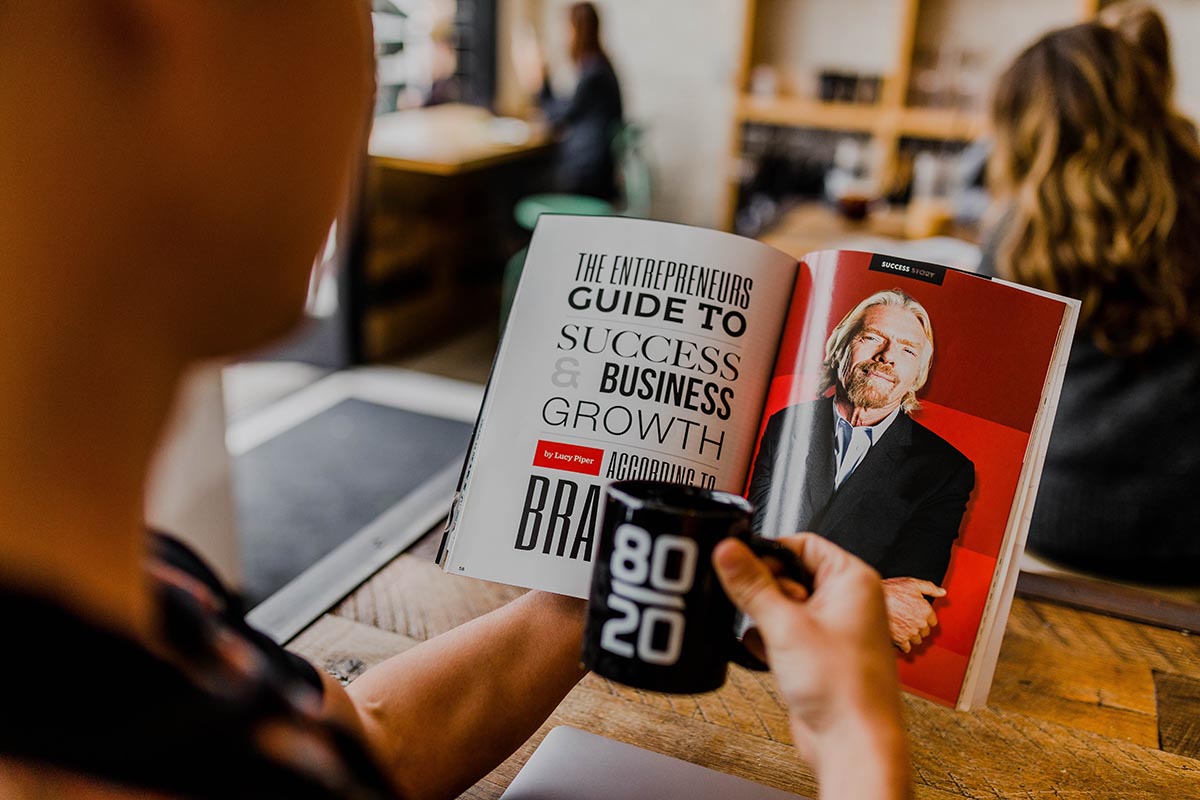
Whether you use a professional marketing company or take the DIY approach, it’s not enough to have the wow factor.
You also need to incorporate an authentic human touch. Video marketing, ranging from behind-the-scenes social media content to Q&A videos and ‘how to’ videos, will work wonders.
Staff profile pages on your website are another useful addition.
However, it’s also important to show the people behind your brand in real settings.
Hosting a promotional day is a fantastic way to do this. It is a chance to meet and greet customers or prospective leads.
It also allows you to take advantage of tools like branded freebies.
The event may also lead to PR coverage, while videos or photos from the day can be used for your site and social media channels.
Showing a fun, professional side is ideal.
Focus on the consumer experience
While consumers do have greater expectation levels, the brighter news is that they are prepared to pay more for a better CX.
There are several ways to improve this part of the venture.
This includes the use of versatile payment gateways. Personalized product suggestions and quick responses to client queries also help.
Above all else, you should ensure that each consumer feels treated and valued.
A positive consumer experience doesn’t only boost conversion rates.
It additionally increases the likelihood of repeat sales and long-term loyalty. People will talk, which should see you gain a stronger reputation within the industry.
Better still, a positive CX should result in fewer returns and complaints. Clients will remain in love with the company for years.
Listen
In addition to delivering a better customer experience from a general perspective, it’s vital that you do it on a personal level.
The only way to do this is to provide a personalized experience that finds the solution to their specific pain points.
Active listening gives prospects a chance to let you know exactly what they need.
When you use this info to drive the sales process and build a tailored product package, conversion rates will see an upturn.
It should be noted that active listening only works if the entire team is on board.
As well as dialogue, salespeople can also ascertain a lot of info from body language.
With this in mind, taking courses in this discipline is beneficial for both sides of ongoing interactions.
If nothing else, the ability to keep customers at ease will help you strike a bond.
Use data to your advantage
In today’s business climate, tracking vast amounts of data and analytics is possible.
As well as Google analytics and tools provided by your CMS, experts like Q-Markets can provide valuable software.
This data can guide your next steps when you spot individual and demographic trends.
This can cover your marketing, branding, and even product innovation approach.
You will quickly notice a difference in your confidence in decision-making.
Data now dominate business landscapes.
When utilized well, it’ll allow you to unlock better customer responses while also saving money per acquisition.
From the customer’s perspective, it will underline the fact that your company “gets them.”
If that doesn’t strengthen your bond with them, perhaps nothing will.
Do something unique

Standing out from the crowd is a valuable strategy for many reasons.
Crucially, though, clients now have more options than ever before.
Likewise, they interact with hundreds of brands each week.
So, if your company doesn’t do something different, it will get lost.
Shaking up your industry should be the aim.
Regardless of whether you’re selling fashion or online, you must be able to offer something cheaper or better to the customer.
There are many examples of disruptive innovation from Tesla to GymShark.
Ultimately, only you can find the best way to do something unique in your field.
The one-of-a-kind approach excites clients from products to marketing campaigns themselves. You should see a significant upturn in further interest and sales.
Let others help you
Finally, if you think that you can unlock your full potential without outside support, you’re wrong.
By now, you already appreciate the importance of a strong sales team and outsourced marketing teams.
Ironically, though, customers can be the greatest weapon in your arsenal.
More consumers and B2B buyers read reviews than ever before.
Therefore, gaining testimonials through Trustpilot can build trust.
It also aids your SEO strategy.
To take this to even greater heights, you can open an affiliate scheme.
This encourages your loyal customers to recruit new leads for a commission actively.
It saves you a lot of work and only costs money if you gain more sales.
Better still, your advocates see the brand through different eyes to you.
As such, they will promote the USPs that new leads love.
Build a Brand Customers Remember
A strong branding and marketing strategy cannot guarantee business success, but it can make your company easier to recognize, trust, and choose.
Focus on the fundamentals:
- Communicate a clear and consistent brand promise.
- Show customers that you understand their real needs.
- Deliver the same quality across every interaction.
- Keep your messaging human, useful, and recognizable.
- Listen to feedback and adjust when expectations change.
- Measure repeat purchases, retention, and referrals, not visibility alone.
Emotional connection may attract customers, but the business must continue earning their loyalty.
When your actions consistently support your message, customers have a meaningful reason to return, recommend your brand, and build a lasting relationship with it.