Check These 6 Vital Things Before Buying a Classic Car
Classic cars have a timeless appeal, they’re not just vehicles, but pieces of history that offer a unique driving experience and, in many cases, strong investment potential.
The collector car market has grown steadily, and according to Hagerty, well-maintained classic vehicles can retain or even increase in value over time, especially when authenticity and condition are preserved.
However, buying a classic car requires more than enthusiasm, it demands careful research and attention to detail.
Many issues, such as poor restorations, hidden rust, or missing original parts, aren’t immediately visible but can significantly impact both value and long-term costs.
A car that looks perfect on the surface may still require substantial investment to maintain or repair.
Taking the time to properly evaluate a classic car helps you protect your investment, avoid unexpected expenses, and ensure long-term reliability.
Understanding documentation, restoration quality, and ownership history is essential to making a confident decision.
3 key things to keep in mind:
- Classic cars are long-term investments — the right purchase can hold or grow in value, while the wrong one can quickly become costly;
- Condition and history matter more than appearance — hidden issues often outweigh cosmetic perfection;
- Research and verification are essential — informed buyers avoid common pitfalls and make smarter, safer purchases.
Approaching your purchase with a methodical, well-informed mindset ensures that your classic car journey is not only exciting, but also financially and practically rewarding.
Check Historical Documentation and Condition
When buying a classic car, one of the most important factors to consider is its historical documentation, as it provides insight into the vehicle’s past and helps verify authenticity.
Well-maintained records, including maintenance logs, service history, and ownership details, not only build trust but also increase the car’s value and desirability, especially when you know how to verify a vehicle’s history and confirm that all information is accurate and consistent.
Provenance plays a key role in the classic car market, as it confirms the originality and history of the vehicle.
When reviewing classic car listings, pay close attention to the quality and completeness of the documentation provided.
Before making a decision, focus on a few essential checks:
- Verify the VIN and chassis number — these must match the car, title, and all documentation;
- Review maintenance and service records — consistent upkeep indicates responsible ownership;
- Check ownership history — helps confirm legitimacy and track the car’s journey.
Any inconsistencies in documentation can signal potential issues, such as theft, tampering, or undocumented modifications.
At the same time, the physical condition of the car is just as important.
A vehicle may look appealing at first glance, but hidden issues can significantly affect both value and ownership costs.
- Inspect the body and paint — look for rust, damage, or uneven repairs;
- Evaluate engine and transmission condition — performance should match the car’s history;
- Check interior and components — wear and tear can indicate overall maintenance quality;
Understanding the car’s restoration history is equally critical.
Classic cars often undergo different levels of restoration, from full frame-off rebuilds to minor cosmetic updates.
Knowing what work was done, and whether it was completed to a high standard, helps you assess true value.
A well-documented car with a properly executed restoration not only protects your investment but ensures a more reliable and enjoyable ownership experience.
Check Parts Availability and Repair Support
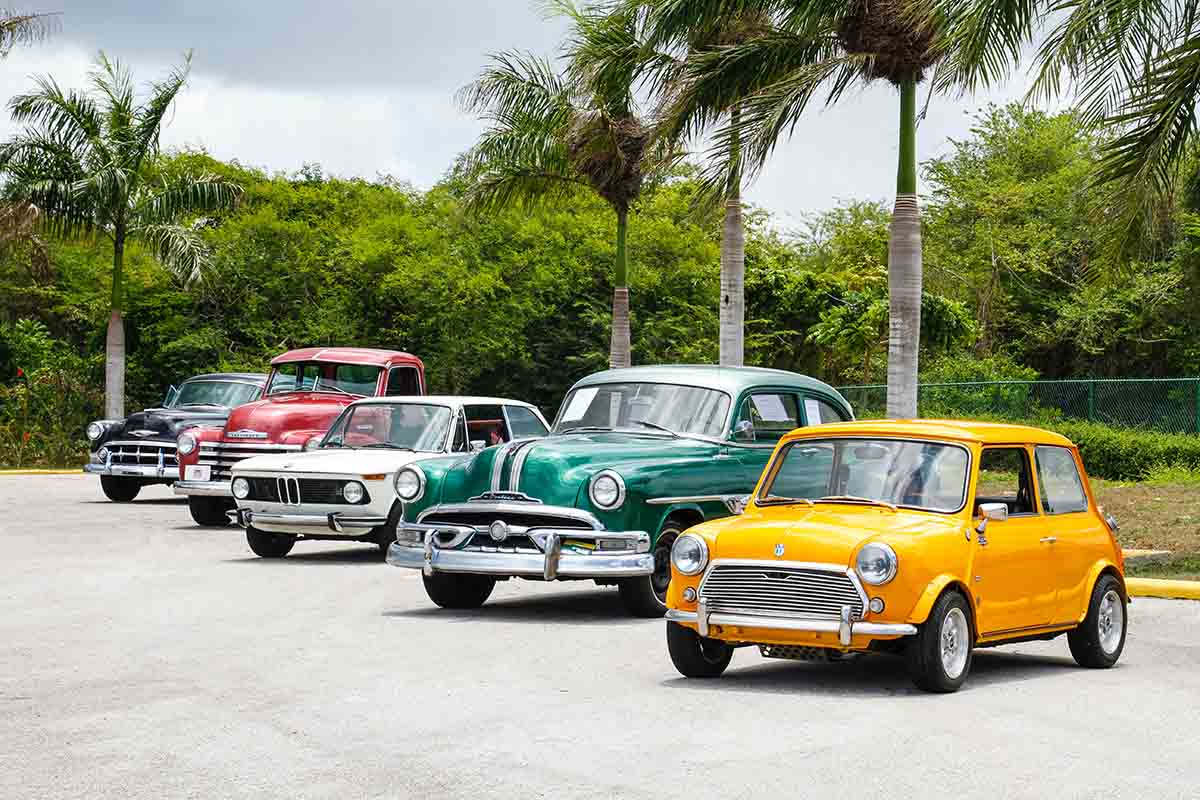
When considering a classic car purchase, one crucial aspect to investigate is the availability of parts.
The world of classic cars includes a wide range of makes and models, each with its own unique components, and not all of them are easy to source.
That’s why it’s important to go a step further.
Don’t just check parts availability, also find the best auto mechanic shop for repairs, ideally one that specializes in classic or vintage vehicles.
Access to skilled professionals can make a significant difference in how easily and affordably you maintain your car over time.
Before buying, evaluate:
- Availability of original parts — are they still produced or widely available?
- Quality replacement options — are there reliable aftermarket alternatives?
- Access to experienced mechanics — do local specialists understand this specific model?
Limited parts availability combined with a lack of expert repair support can quickly turn a classic car into a costly and time-consuming project rather than an enjoyable one.
Think Long-Term: Costs, Value, and Authenticity
This assessment directly impacts your ability to restore and maintain the vehicle over time — and helps you plan realistically for future expenses.
- Budget for repairs and upgrades — rare parts often come with higher costs;
- Maintain long-term condition — easier access to parts means better upkeep;
- Protect resale value — authenticity plays a major role in classic car pricing.
It’s also important to consider the role of aftermarket or reproduction parts.
While they can be practical when originals are unavailable, they may affect the car’s authenticity and overall value.
In many cases, buyers must decide:
- Originality vs. functionality — preserving history or improving performance.
- Short-term convenience vs. long-term value
Understanding these trade-offs helps you make a well-informed, sustainable investment — ensuring your classic car remains not just a passion project, but a reliable and rewarding one for years to come.
Maintenance and Upkeep Costs
Owning a classic car is a labor of love, but it also requires a clear understanding of the ongoing financial commitment.
Due to their age and unique components, vintage vehicles often need specialized maintenance, repairs, and harder-to-find parts, which can make upkeep more expensive than with modern cars.
Before making a purchase, it’s important to factor in all potential costs, not just the initial price.
These may include:
- Regular maintenance and servicing to keep the vehicle running smoothly;
- Specialized repairs and parts replacement, often at a higher cost;
- Occasional restoration work, depending on the car’s condition;
In addition to maintenance, there are other essential expenses to consider:
- Insurance costs, which may be higher due to the car’s value and classification;
- Proper storage, such as a garage or climate-controlled space, to protect the vehicle from damage;
Being financially prepared for these ongoing expenses ensures that owning a classic car remains enjoyable rather than stressful.
Taking a realistic, long-term view helps you protect your investment, maintain the car’s condition, and fully appreciate the experience of classic car ownership.
Market Trends and Valuation
The classic car market is subject to trends and fluctuations, which can impact the value of your investment.
To ensure you’re making a wise purchase, research the current market trends for the specific make and model you’re interested in.
Various resources, such as classic car valuation tools and expert appraisers, can help you determine the vehicle’s fair market value.
It’s essential to understand whether the classic car you’re eyeing has the potential for appreciation or if it’s more likely to depreciate over time.
Ownership History and Provenance
An often-overlooked aspect of classic car ownership is the vehicle’s ownership history and provenance.
Knowing who previously owned the car and any notable events in its history can be valuable for both your peace of mind and potential future resale value.
Investigate previous owners and their involvement with the car.
Were they well-known collectors or enthusiasts?
Did they take part in any historical events or races?
Documenting these aspects can enhance the car’s overall appeal and, consequently, its value.
Before Buying a Classic Car: Test Drive and Inspection
No matter how enticing a classic car may look in photos or on paper, a thorough pre-purchase inspection and test drive are essential.
A hands-on evaluation can reveal hidden issues and give you a better sense of how the car performs.
During the inspection, check for signs of rust, frame damage, and any non-original modifications.
Pay close attention to the engine, transmission, and brakes.
A test drive will help you assess the car’s handling, comfort, and any potential mechanical issues.
Don’t hesitate to enlist the expertise of a trusted mechanic or restoration specialist for this crucial step.
In the world of classic cars, purchasing a vehicle is not just about finding a beautiful, vintage model; it’s about investing in history, passion, and a piece of automotive art.
To make the most of your classic car ownership, it’s essential to check these six vital things before making a purchase.
By carefully examining historical documentation, understanding the car’s condition and restoration history, assessing parts availability, budgeting for maintenance, researching market trends and valuation, and investigating ownership history, you can confidently embark on your classic car journey.
Remember that owning a classic car is not just an investment; it’s an experience that connects you with a rich automotive history and a community of fellow enthusiasts.
By checking these vital aspects, you can ensure that your classic car journey is as enjoyable and rewarding as possible.