
Office Cleaning Hacks for a Healthier Work Environment
✨Key Points
- Design cleanliness into the workplace routine. Supplies, waste bins, storage, and clear responsibilities should make cleaning the easiest option rather than another chore employees have to organize.
- Focus on shared spaces first. Kitchens, bathrooms, hot desks, meeting rooms, and communal equipment usually require more attention than areas used by one person.
- Separate everyday habits from professional cleaning. Employees can clear their desks and clean up after themselves, but deeper sanitation, floors, bathrooms, and specialist cleaning should not quietly become unpaid employee responsibilities.
The messiest part of an office is not always the floor or the overflowing trash can.
It is often the shared spaces nobody feels personally responsible for: the microwave with yesterday’s lunch inside, a meeting-room table covered in coffee rings, a shared keyboard used by five people, or a refrigerator containing food that has quietly become part of the company.
These small problems are easy to dismiss, but they create daily friction.
Employees waste time searching for clean workspaces, avoiding unpleasant shared areas, moving other people’s belongings, or wondering whose responsibility it is to fix the problem.
That is why office cleaning should be treated as part of how the workplace functions, rather than simply a task completed after employees leave.
If you want to improve workplace culture, creating clear expectations around shared spaces can be surprisingly important. Respect for colleagues is often visible in very ordinary behaviors, including what people leave behind for the next person.
What Makes an Office Hard to Keep Clean? Before adding another cleaning checklist, identify where the system is actually breaking down:
- Shared desks and equipment may have no clear cleaning routine between users.
- Office kitchens accumulate food, dishes, spills, and packaging because responsibility is distributed across everyone.
- High-touch equipment such as keyboards, phones, door handles, and meeting-room controls can easily be overlooked.
- Cluttered workstations make thorough professional cleaning more difficult.
- Hybrid schedules can leave desks unused for days without anyone knowing when they were last cleaned.
- Unclear responsibilities create the classic workplace problem where everyone assumes somebody else will handle it.
If you want to create a comfortable working environment for employees, cleanliness is one of the most practical places to start. The objective is not to make an office look permanently showroom-perfect.
It is to create a workplace where people can arrive, use shared spaces, find what they need, and get on with their work without inheriting yesterday’s mess.
Regular Disinfection
Regular disinfection of high-touch surfaces is vital for reducing the transmission of germs and maintaining a healthier office environment.
Focus on frequently used surfaces such as doorknobs, desks, keyboards, and phones, which can harbor bacteria and viruses.
Use disinfectant wipes or sprays containing alcohol or EPA-approved cleaning agents to clean these surfaces thoroughly.
Ensure proper coverage by following the product instructions, allowing sufficient contact time for the disinfectant to eliminate pathogens effectively.
Establish a routine schedule for disinfecting these areas, considering high-traffic periods or after contact with outside visitors.
Encourage employees to clean their workspaces regularly, emphasizing the importance of shared responsibility in maintaining a hygienic workplace.
By routinely disinfecting high-touch surfaces, you create a proactive approach to minimize the risk of spreading illnesses among employees.
This practice contributes to a cleaner and healthier workspace and demonstrates a commitment to promoting the well-being and safety of everyone in the office.
Ventilation
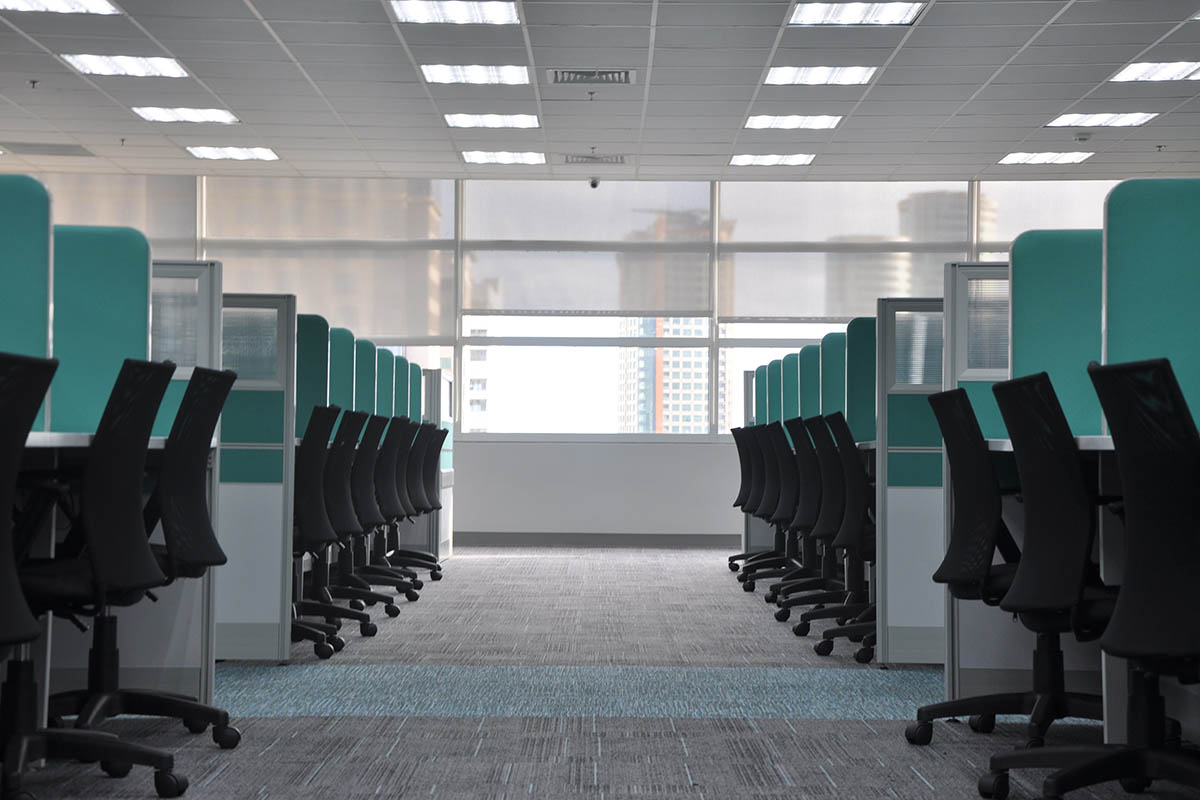
Proper ventilation is pivotal in fostering a healthy work environment by reducing indoor pollutants and enhancing air quality.
Opening windows periodically allows fresh air to circulate, diluting indoor contaminants and promoting better airflow.
Alternatively, employing air purifiers equipped with high-efficiency particulate air (HEPA) filters helps remove airborne particles, allergens, and pollutants, enhancing indoor air quality.
These purifiers efficiently capture microscopic pollutants, contributing to a cleaner and healthier atmosphere within the office.
Regular ventilation maintenance, such as cleaning HVAC filters and ducts, ensures optimal functioning and prevents the circulation of dust and contaminants.
Encourage employees to take breaks outdoors or in well-ventilated areas to enhance their well-being and rejuvenate with fresh air.
Adequate ventilation through open windows or air purifiers diminishes indoor pollutants and helps mitigate potential health risks associated with poor air quality.
Prioritizing proper ventilation strategies contributes significantly to creating a conducive and healthier workspace for employees, fostering productivity and well-being.
Declutter and Organize
If you want to declutter office spaces effectively, start with the areas that make cleaning unnecessarily difficult.
Papers, cables, unused equipment, food containers, and personal items left on surfaces can collect dust and prevent cleaners from properly reaching desks and shared areas.
Keep the system simple:
- Clear desktops regularly: Keep only frequently used items within reach.
- Give everything a designated place: Use drawers, file trays, cable organizers, and labeled storage for supplies.
- Remove unused equipment: Old monitors, chargers, boxes, and broken office supplies should not become permanent fixtures.
- Set rules for shared spaces: Decide who clears meeting rooms, kitchens, and hot desks after use.
- Use a clean-desk routine: Ask employees to clear unnecessary items before leaving, particularly in shared workspaces.
The practical benefit is simple: less clutter means fewer places for dust and dirt to accumulate and fewer obstacles when the office is cleaned.
Green Cleaning Products
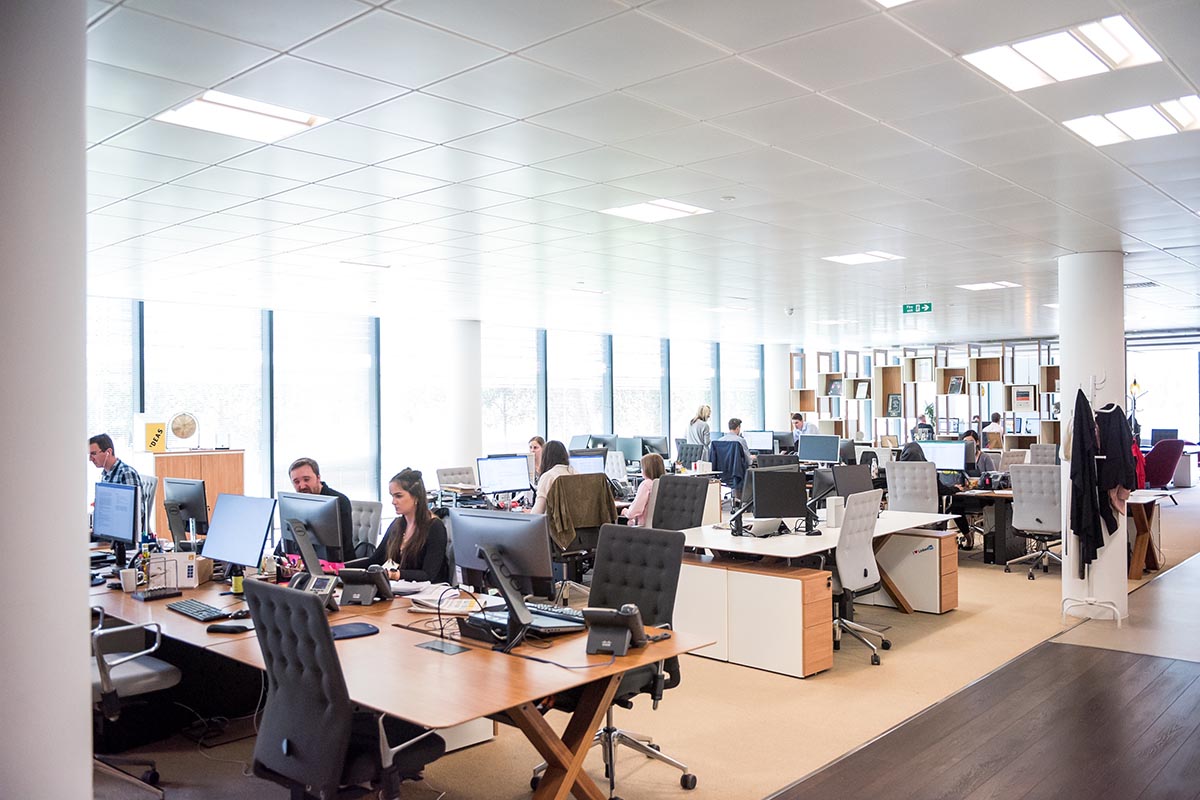
Choosing environmentally friendly cleaning solutions is essential for creating a safer and healthier workspace.
Opt for green cleaning products that are non-toxic, biodegradable, and free from harsh chemicals like ammonia or bleach.
These eco-friendly alternatives effectively clean surfaces without emitting harmful fumes or residues, minimizing potential health risks for employees.
Look for cleaning agents certified by reputable eco-labels or organizations promoting sustainable practices.
These products not only contribute to a healthier indoor environment but also demonstrate a commitment to environmental stewardship.
Encourage the use of natural ingredients such as vinegar, baking soda, or citrus-based cleaners, which are effective and safe alternatives for various cleaning tasks. Consider refillable or concentrated cleaning solutions to reduce packaging waste and promote sustainability in the workplace.
By choosing environmentally friendly cleaning solutions, you create a workspace that prioritizes health, minimizes allergens and pollutants, and reduces the environmental impact of cleaning practices.
This conscious choice fosters a safer and more sustainable office environment, promoting the well-being of employees and contributing to a healthier planet.
Deep Clean the Areas Routine Cleaning Misses
Daily cleaning handles visible mess, but some of the most persistent dirt builds up where nobody looks regularly. Carpets, upholstered chairs, vents, baseboards, corners, and spaces behind furniture can accumulate dust and debris for months.
A practical deep-cleaning plan should include:
- Carpets and upholstery: Use appropriate extraction or steam-cleaning methods where suitable for the material.
- Vents and baseboards: Remove accumulated dust from areas easily missed during routine cleaning.
- Behind and beneath furniture: Move accessible furniture periodically instead of cleaning only around it.
- Shared equipment: Include frequently handled office equipment in the cleaning schedule, following manufacturer instructions.
- Professional help: Consider office cleaning services for larger spaces or jobs requiring specialist equipment.
Deep cleaning also affects how the workplace looks to people outside the company.
Clients may never inspect your cleaning schedule, but they will notice stained carpets, dusty reception areas, unpleasant smells, or neglected furniture.
Among the most affordable ways to improve your business reputation, maintaining a consistently clean customer-facing space is relatively simple because it improves the impression people receive before a meeting even begins.
Make Personal Hygiene Easy
Good office hygiene works better when employees do not have to go looking for soap, sanitizer, tissues, or cleaning supplies.
Instead of relying heavily on posters and reminders, design the workplace so the hygienic choice is also the convenient one.
A simple setup can include:
- Keep soap consistently stocked in every restroom and kitchen handwashing area.
- Place hand sanitizer near shared equipment such as printers, reception desks, conference rooms, and communal workstations.
- Provide tissues and waste bins in convenient locations rather than only in kitchens or bathrooms.
- Keep basic cleaning supplies nearby so employees can quickly wipe shared desks or equipment when appropriate.
- Encourage employees to stay home when they are sick when company policies and job responsibilities allow it.
The aim is not to make employees constantly think about germs.
It is to remove the small practical barriers that make good hygiene inconvenient, so cleaner everyday habits become a normal part of how the office operates.
Of course, you can learn more about healthier work environments from this website.
It has valuable tips for you to implement.
A Healthier Work Environment: More Than a Cleaning Checklist

A healthier work environment is not really about having spotless desks or making the office look impressive.
At a deeper level, it is about creating a workplace where basic problems have already been taken care of, so employees can arrive and focus on their work instead of navigating clutter, dirty shared spaces, empty soap dispensers, unpleasant smells, or equipment nobody wants to touch.
That requires more than an occasional deep clean. Businesses need simple systems that keep the workplace functioning consistently:
- Clear ownership: Employees should know what they are expected to clean up themselves and what is handled professionally.
- Reliable routines: Kitchens, bathrooms, shared desks, floors, and high-use areas need schedules rather than attention only when they become visibly dirty.
- Easy access to supplies: Hygiene should never depend on somebody remembering to order soap, sanitizer, tissues, or cleaning products.
- Regular reassessment: As teams grow, hybrid schedules change, or offices are redesigned, cleaning routines should change with them.
There is also a human benefit that is harder to measure.
People notice whether the place where they spend a large part of their week feels organized, maintained, and respected.
They notice whether management fixes recurring problems or simply expects employees to tolerate them.
That is ultimately what a healthier workplace should provide: less friction, fewer unnecessary distractions, and an environment people do not have to mentally work around before they can start doing their actual jobs.