Safe and Comfortable Workplace for Employees
✨ Key Points
- Optimize Workplace Comfort: Ensuring a comfortable temperature and proper air circulation in the workplace is crucial. This can involve using fans or climate control systems to maintain a comfortable environment, which enhances employee comfort and contributes to workplace hygiene.
- Provide Necessary Equipment: Business owners must ensure that all employees have the appropriate tools, furniture, and equipment needed for their jobs. This includes everything from specific technology to protective gear, depending on the nature of the work.
- Enhance Security Measures: Implementing effective security protocols, such as identification badges and restricted access to certain areas, can help employees feel safer. This is especially important in larger office spaces where safety and security can be a concern.
A business owner can reach revenue targets and still sense that something inside the workplace is not working.
Employees may appear tired, avoid certain areas, struggle with unreliable equipment, or quietly adapt to discomfort because they do not expect anything to change.
✨That is when practical questions begin to surface:
How can I make my workplace safer? What makes employees feel comfortable and productive? Which workplace improvements will have the greatest impact? How can I create an accessible environment that supports different needs?
A good manager does more than monitor performance.
They pay attention to the conditions affecting people’s ability to work, from lighting, temperature, noise, and ergonomics to security, accessibility, equipment, and emotional safety.
Employees should not need to tolerate avoidable problems simply to complete their responsibilities.
Before making changes, focus on three priorities:
- Safety and reliability: Address hazards, security concerns, damaged equipment, and applicable workplace requirements first.
- Comfort and accessibility: Create an environment that people with different roles, abilities, and physical needs can use effectively.
- Employee input: Ask the people using the space every day which problems interrupt their work and which improvements would help most.
Improving a workplace does not always require a complete renovation. Sometimes, the most valuable change begins by noticing one repeated frustration and resolving it properly.
The following ideas can help you build a safer, more practical, and more supportive environment where employees can do their jobs without unnecessary obstacles.
Ensure the Temperature is Comfortable
Working in an environment that is too hot or too cold can be extremely uncomfortable for both you and your employees.
You may need to enlist the help of an external company to set the right temperature in your office space or working environment.
It may be that they recommend directional fans to help with the circulation of airflow throughout the building.
Taking care of this will ensure that your employees can work comfortably and your workplace is also as hygienic as possible too.
Invest in the Right Equipment
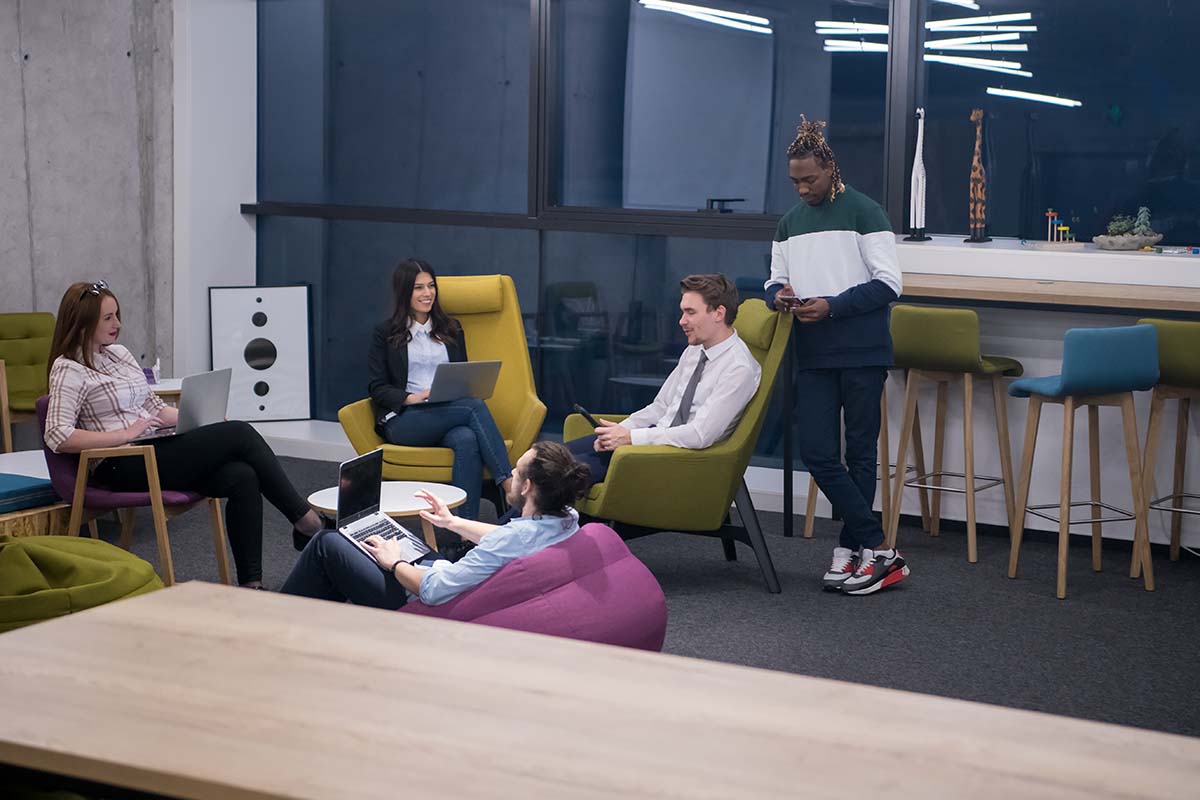
If your employees don’t have the right tools, furniture, and equipment to carry out their job with ease, then you need to work on some important updates and upgrades in your place of work.
The equipment in your office needs to be well suited to the workload requirements.
For example, some of your employees may need specific technology, and others may require protective gear on a day-to-day basis.
The responsibility is to ensure your office space holds all of the right equipment for each of your workforces.
Consider Security Measures
Many of your workers may feel anxious or worried about working in a large building that is full of people.
With this in mind, you may want to look int additional security measures to help everyone feel as safe and comfortable as possible whilst they’re in the building.
If you’re running a large office space, it’s always a good idea to think about the overall security of your employees as it creates an additional level of safety.
You may require identification badges to enter the building and you may only be able to access certain spaces if you have approval; these types of safety protocols are so important for keeping your employees safe in their working environment.
As you can see, there are a number of different options when it comes to enhancing your workplace for your employees.
Whether you’re considering additional security measures, or you’re investing in more advanced equipment to help them work more effectively, there is so much you can do.
If you’re unsure about what your staff members need from you, why not talk to them about what feels like a priority to them?
This will help you to make changes that are worthwhile and they are much more likely to improve overall motivation in the workplace too.
Final Thoughts: Your Workplace Is a Daily Message
A workplace communicates what a company values long before a manager delivers a speech or publishes another policy.
A broken chair left unrepaired, an inaccessible entrance, unreliable equipment, or an ignored safety concern quietly tells employees that their daily experience is not a priority.
A problem resolved thoughtfully sends the opposite message: we notice, and your work matters here.
Before planning an expensive redesign, walk through the space as though you were arriving for your first day.
Ask:
- Can people enter, move around, and work safely?
- Does every employee have the equipment needed for their role?
- Which repeated inconvenience wastes the most time or energy?
- Is the environment usable for people with different abilities?
- Do employees have a trusted way to report problems?
- Are concerns acknowledged and followed by visible action?
The most effective workplace is not necessarily the newest or most stylish.
It is the one that removes unnecessary obstacles and allows people to focus on meaningful work.
Treat the workspace as a living part of the business rather than a project completed once.
Continue listening, observing, maintaining, and adapting as your team changes.
Employees may forget the color of the walls, but they will remember whether the environment made their working lives harder—or showed that someone had considered their needs.