
How to Choose the Right Air Conditioner for Your Home
✨Key Points
Size and climate matter most. Choosing an AC that matches your home’s square footage, layout, and local climate ensures efficient cooling and long-term comfort.
Energy efficiency saves money. Look for inverter systems, smart features, and Energy Star–rated models to lower energy bills and qualify for rebates or tax incentives.
Professional installation is essential. Proper setup and regular maintenance by certified HVAC experts prevent costly breakdowns and extend your air conditioner’s lifespan.
With so many air conditioners on the market, finding the best fit for your home requires careful evaluation of key factors like space, energy consumption, and special features.
A wise buying decision ensures not just immediate comfort but also energy savings and long-term satisfaction.
Suppose you’re considering updating your system or installing a new unit.
In that case, you can book a professional AC installation in Toronto to ensure a seamless setup tailored to your home’s unique requirements.
Understanding how factors such as your home’s dimensions, regional climate, and budget constraints affect your choice will save you money and ensure year-round comfort.
This guide will walk you through every step of the selection process so you can make an informed, confident purchase, whether you’re replacing an older system or getting AC for the first time.
Assess Your Home’s Size and Layout
Choosing the right air conditioner begins with evaluating your home’s size and floor plan.
An undersized unit won’t keep up on the hottest days.
At the same time, an oversized AC can cycle on and off too quickly, failing to remove humidity efficiently and resulting in uncomfortable temperature swings.
To get it right, you’ll need to calculate your home’s square footage and consider factors such as ceiling height, insulation quality, and room layout.
For detailed guidance on selecting the right room air conditioner and tips for efficient use, the U.S. Department of Energy offers a helpful resource.
Most home cooling needs are measured in cooling capacity, which helps determine the right size unit for your space.
Use an online calculator or consult an HVAC expert for a thorough assessment based on window count, sun exposure, and the number of occupants.
Open concept layouts and multi-level homes may require zoned cooling systems or multiple units to maintain even comfort throughout.
Consider Climate and Environmental Factors
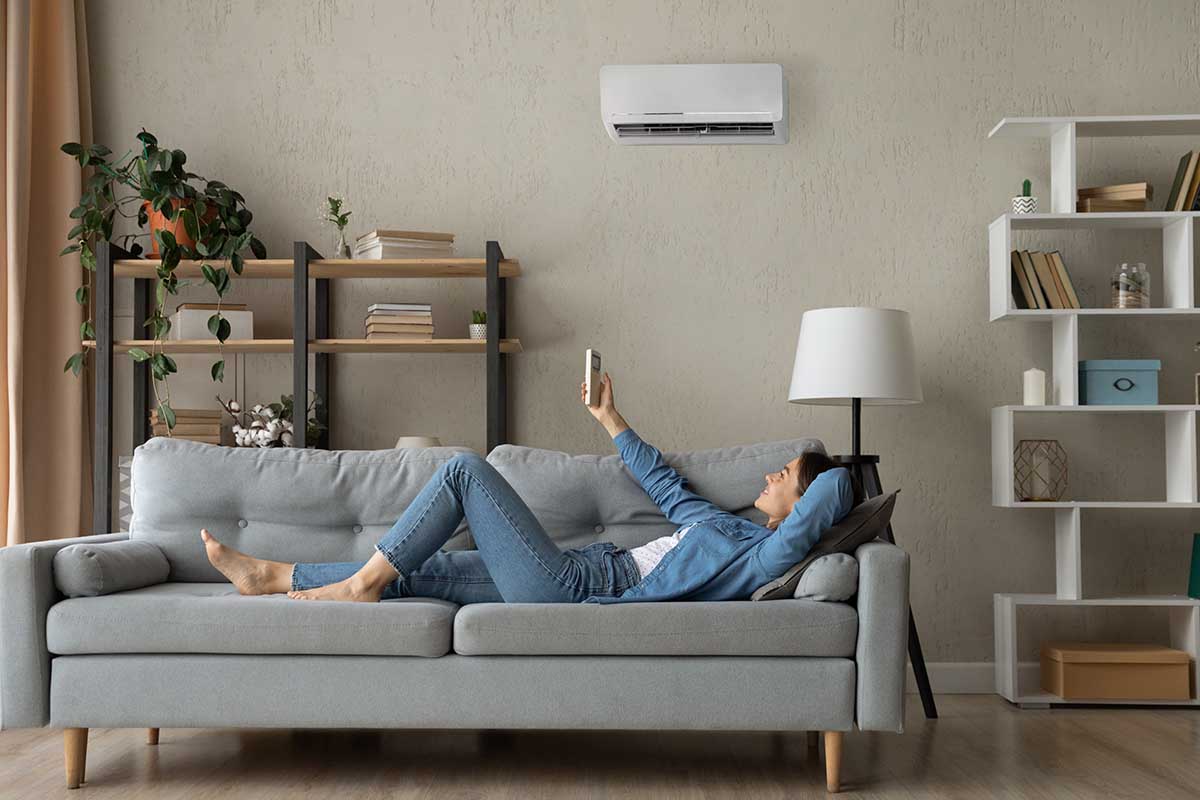
Your local climate should influence your choice of air conditioner.
In humid regions, prioritize models with strong dehumidification to avoid sticky indoor conditions that can worsen allergies and promote mildew growth.
For drier areas, focus on units that swiftly lower the air temperature.
The layout of your home—including window orientation and shading—will also determine how much cooling you need.
Don’t overlook your home’s insulation or window quality; drafty rooms or poorly insulated spaces require more powerful systems.
If your region is prone to temperature extremes, you may want to invest in an inverter system, which optimizes energy use across varying loads and delivers remarkably consistent comfort.
Evaluate Noise Levels
Air conditioner noise can significantly affect your living experience, especially if the unit is near bedrooms or workspaces.
Modern split systems and inverter models are among the quietest, sometimes running below 50 decibels—about the volume of a quiet conversation.
When shopping, carefully review each unit’s decibel (dB) rating, especially if quiet operation is a priority.
Explore Advanced Features
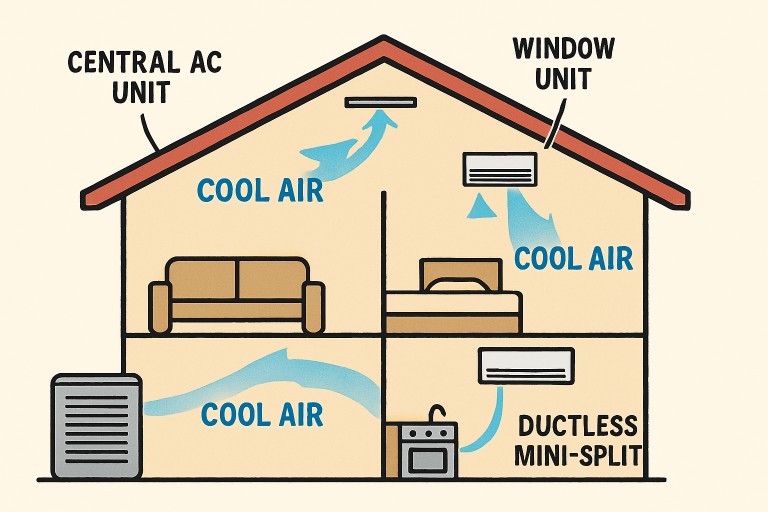
Today’s air conditioners can do much more than just cool a room.
Innovations such as Wi-Fi-enabled smart controls allow remote temperature adjustments via smartphone, boosting efficiency and convenience.
Programmable thermostats can help tailor the cooling schedule to your lifestyle, reducing energy waste when you’re not home.
Look for features such as multi-stage or variable-speed fans, advanced filtration to remove allergens and toxins, and zone controls for multi-room comfort.
Some models now integrate seamlessly with smart home systems, offering voice control and learning capabilities for ultimate ease of use.
Budget and Cost Considerations
When budgeting for a new air conditioner, remember that the upfront cost is just part of the equation.
High-efficiency units may qualify for rebates or energy incentives, further offsetting your investment.
It’s wise to compare the total cost of ownership, which includes installation, maintenance, and expected energy bills year after year.
Energy-efficient models often recoup their higher price tags through lower monthly operating costs.
Check for available tax credits or utility rebates in your area and run a cost analysis based on projected savings.
Additionally, consider whether a ductless (mini-split) system or a traditional central air system best fits your home and budget.
Installation and Maintenance
Professional installation is key to reliable operation and efficiency.
Only qualified HVAC technicians should install or upgrade your system, as proper sizing, placement, and calibration affect how well it cools and how much it costs to run.
Poor installation can result in higher operating costs and premature breakdowns.
After installation, regular maintenance is the best way to keep your unit running smoothly.
This includes cleaning or replacing air filters, checking for refrigerant leaks, and scheduling annual tune-ups.
According to Energy.gov, following proper air conditioner maintenance can help homeowners stay on top of these tasks.
Keeping up with preventative care ensures a longer unit lifespan and maximizes your investment.
Conclusion
Selecting the right air conditioner for your home is an investment in your comfort, health, and financial well-being.
By considering your home’s size and shape, energy efficiency ratings, local climate, and additional features, you can enjoy superb, consistent comfort while keeping energy bills in check.
Start by evaluating your unique needs and consulting trusted HVAC professionals, and you’ll find a system that keeps your family cool for years to come.