How Bed Liners Protect Outdoor Gear from Wear and Tear
✨Key Points
- Active gear wears down fast — reinforcing high-impact areas helps it last much longer.
- Bed liner coatings protect against scratches, friction, and constant loading and unloading.
- Added grip reduces sliding during transport, preventing damage from gear knocking together.
An active lifestyle naturally creates wear and tear.
Whether your gear is packed before sunrise or unloaded after dark, it’s constantly exposed to friction stacked in garages, wedged into trunks, strapped to roof racks, or dragged across rough surfaces.
Because this equipment is used hard and used often, even premium tools begin to show fatigue in predictable high-wear areas like corners, edges, and contact points.
When that wear starts to show, replacement isn’t always the smartest solution strategic reinforcement is.
Protective coatings, once used almost exclusively for truck bed liners, are now being applied in more targeted ways to extend the life of outdoor gear.
Instead of coating everything, the focus is on reinforcing the areas that take the most abuse.
For example:
- Bottom edges of coolers that slide in and out of vehicles;
- Cargo drawer tops that carry heavy toolboxes;
- Trailer floors exposed to repeated loading;
- Storage bin corners that absorb impact.
By applying impact-resistant bed liner coatings to these stress points, you create a durable barrier against abrasion and surface breakdown something standard finishes simply can’t withstand.
It’s not about making gear indestructible; it’s about slowing the wear cycle and protecting the investment you rely on every weekend.
Reinforcing High-Wear Surfaces Before They Break Down
If you inspect most outdoor setups closely, the weak spots are obvious.
Corners of storage bins, trailer floors, drawer tops, mounting brackets, anywhere repeated contact happens.
That’s where bed liner paint is increasingly being used. Not across entire pieces of equipment, but in focused areas that absorb impact and friction.
For example, the bottom edge of a cooler that slides in and out of a vehicle every weekend will start to scrape.
A reinforced layer helps that edge take the wear instead of the plastic underneath.
The same logic applies to cargo drawers that support toolboxes or camping gear.
Over time, small surface damage adds up. Scratches turn into cracks, friction wears down edges, and repeated impact weakens high-contact areas.
That’s exactly how bed liners protect outdoor gear by creating a tough, textured barrier that absorbs abrasion and impact before the original material takes the hit.
Reinforcing stress points early with a protective coating can significantly extend usable life without changing how the gear functions or performs.
It adds durability where it matters most, especially on corners, edges, and load-bearing surfaces.
It’s not about making things indestructible it’s about slowing the wear cycle and giving your gear the resilience to keep up with your lifestyle.
Gear That’s Always in Motion
Active lifestyles rarely involve equipment sitting in one place.
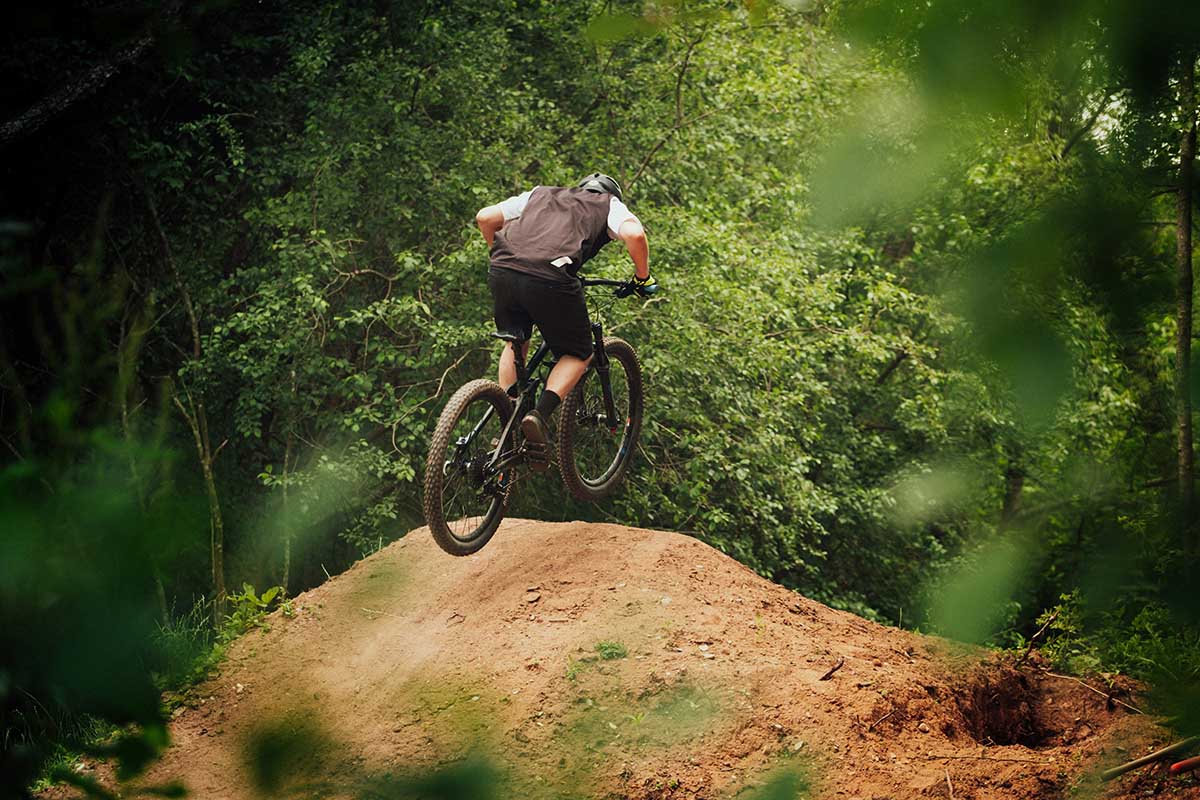
Mountain bikes are loaded and unloaded repeatedly, fishing crates are dragged across docks, and storage bins get shifted around to make room for something else.
Movement creates abrasion. Abrasion creates surface breakdown.
Applying a textured protective layer inside cargo areas or on frequently contacted surfaces reduces that breakdown.
The added grip also keeps items from sliding as much during transport, which helps prevent collision damage between pieces of gear.
Weather Adds Another Layer of Stress
Outdoor equipment doesn’t live in controlled environments, wet boots get tossed into storage compartments, snowboards are loaded before fully drying, and paddleboards are strapped down with residual moisture still clinging to them.
Repeated exposure to water accelerates corrosion and weakens untreated materials, reinforcing interior panels, trailer beds, or rack components creates an extra barrier between moisture and the underlying surface, it won’t eliminate maintenance, but it reduces how often surfaces need repair or touch-up.
Custom Setups and DIY Builds
Many active individuals build their own storage systems, whether that’s drawer platforms, modified trailers, roof carriers, or workshop organizers.
These projects often involve wood, metal, and composite materials that take consistent stress.
Reinforcing loading edges, mounting points, or floor sections during the build stage helps protect the work that went into it.
When equipment is part of a larger system, protecting that system becomes just as important as protecting the gear itself.
Final Thoughts
An active lifestyle naturally puts equipment through repeated strain.
Instead of constantly replacing worn pieces, many people are reinforcing high-contact areas so their gear lasts longer.
The approach isn’t complicated.
Identify where wear happens most and strengthen those sections.
That simple adjustment can make everyday equipment more resilient without changing how it’s used.