Secure Vehicle Storage in Seattle: How to Protect Fleets, Collector Cars, and High-Value Assets
✨ Key Points
- Vehicle storage isn’t just parking — it’s protecting value, insurance, and long-term costs.
- Real security means layers: cameras, access control, patrols, and real footage retention.
- Match your vehicle’s value to the storage type — indoor for collectibles, covered for everyday use.
Vehicle storage is no longer just about “finding extra space.”
For high-value assets whether commercial vans, seasonal fleets, collector cars, or company trucks storage decisions directly affect depreciation, insurance exposure, and long-term maintenance costs.
If you operate in high-density markets like Seattle and along the I-5 corridor, secure vehicle storage is increasingly a strategic decision.
Real estate costs are high, theft rates fluctuate, and moisture-heavy Pacific Northwest weather can accelerate corrosion.
Below is a decision-ready guide designed for business owners, fleet managers, and asset holders who want more than a parking space they want asset protection.
Security: What Actually Protects Your Vehicle (Beyond a Locked Gate)
Security should be evaluated as layered risk mitigation—not marketing language.
Minimum Security Standards in 2026
24/7 HD camera coverage with retention policies;
Gated keypad or access card entry;
Perimeter fencing with anti-climb design;
On-site staff or security patrols;
Individually alarmed units (for indoor storage.)
✨Expert Insight: Ask facilities about footage retention length. If they only store video for 7 days, that is not adequate for insurance investigation timelines.
Leading facilities retain 30–90 days.For businesses storing branded vehicles, theft is not just asset loss—it is brand exposure and potential liability.
Choosing the Right Type of Vehicle Storage Facility
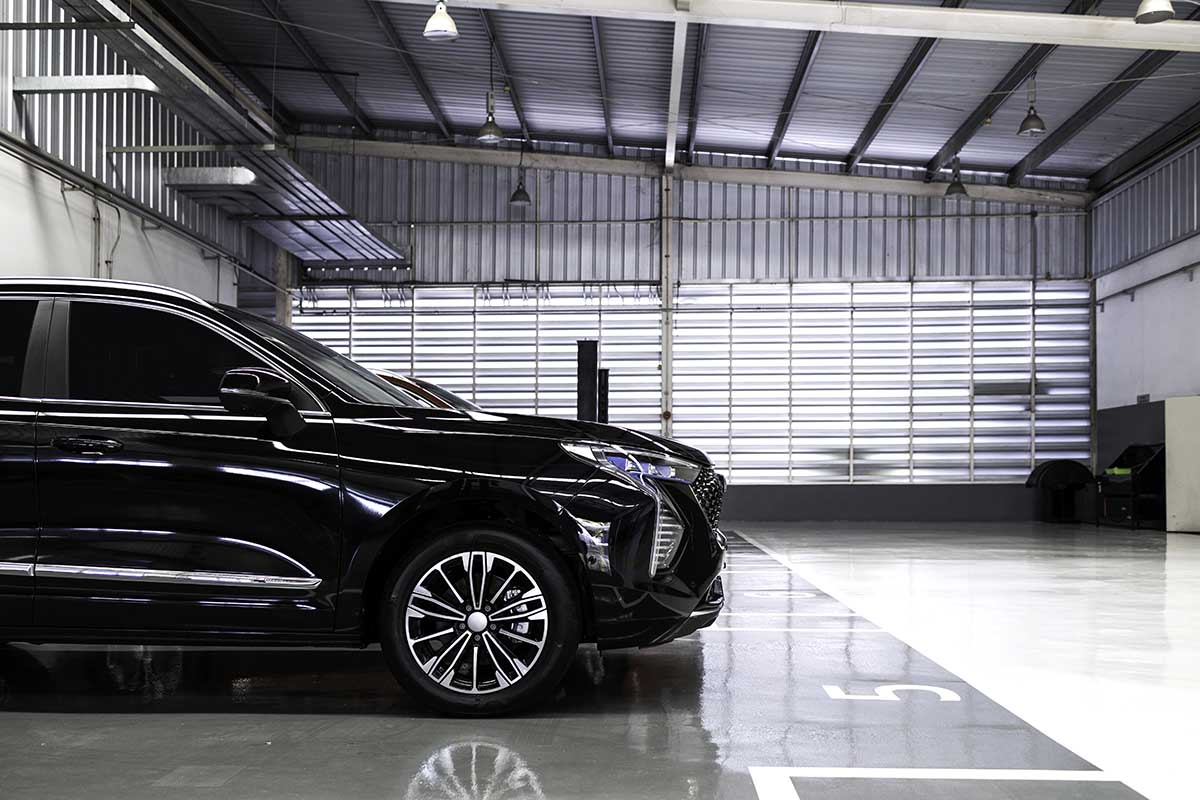
Securing the right facility is the first step to safeguarding your vehicle.
It’s about striking a balance between location, type of storage, and cost.
Some facilities offer both covered and uncovered spaces, while others might provide enclosed units with varying levels of access.
For instance, open lots are more budget-friendly but offer less protection from the elements compared to indoor spaces.
A good rule of thumb is to match the value and sensitivity of your vehicle to the level of protection offered.
A collectible vintage car might warrant an indoor, climate-controlled unit, whereas a frequently used motorcycle could be well-suited for a covered, but not enclosed, space.
For those searching for specialized options, features like vehicle storage facilities near me can guide you towards nearby choices that cater to your specific needs.
Enhanced Security Features for Vehicle Protection
Security is non-negotiable when it comes to vehicle storage.
Facilities that prioritize security help vehicle owners rest easier, knowing their property is well-protected.
Consider storage solutions that boast comprehensive security measures.
Look for features such as 24/7 video surveillance, gated access with personalized entry codes, sufficient lighting, and on-site staff.
Some locations may offer alarm systems for individual units, adding an extra layer of deterrence against theft or vandalism.
These features not only guard your vehicle but also act as a strong deterrent to potential intruders.
Evaluate the security measures in place and compare them with industry standards and local crime statistics to ensure you’re choosing secure vehicle storage in Seattle that truly takes vehicle protection seriously.
Climate-Controlled Storage Solutions for Your Vehicle
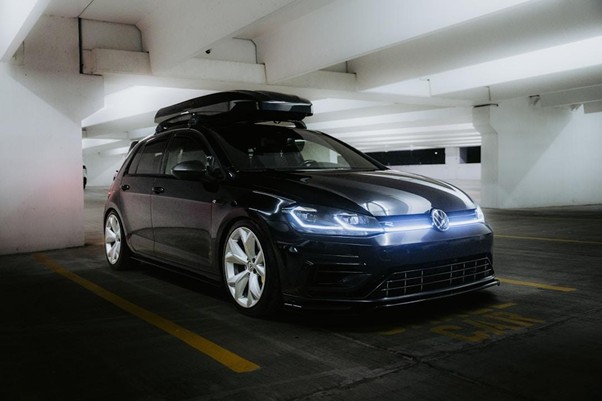
Climate control is essential for preserving the integrity of your vehicle, especially in areas prone to extreme weather conditions.
Fluctuations in temperature and humidity can cause significant damage over time, from rust and corrosion to deterioration of interior materials.
Climate-controlled units maintain a steady temperature and humidity level, protecting your vehicle from the corrosive effects of moisture and the extremes of heat and cold.
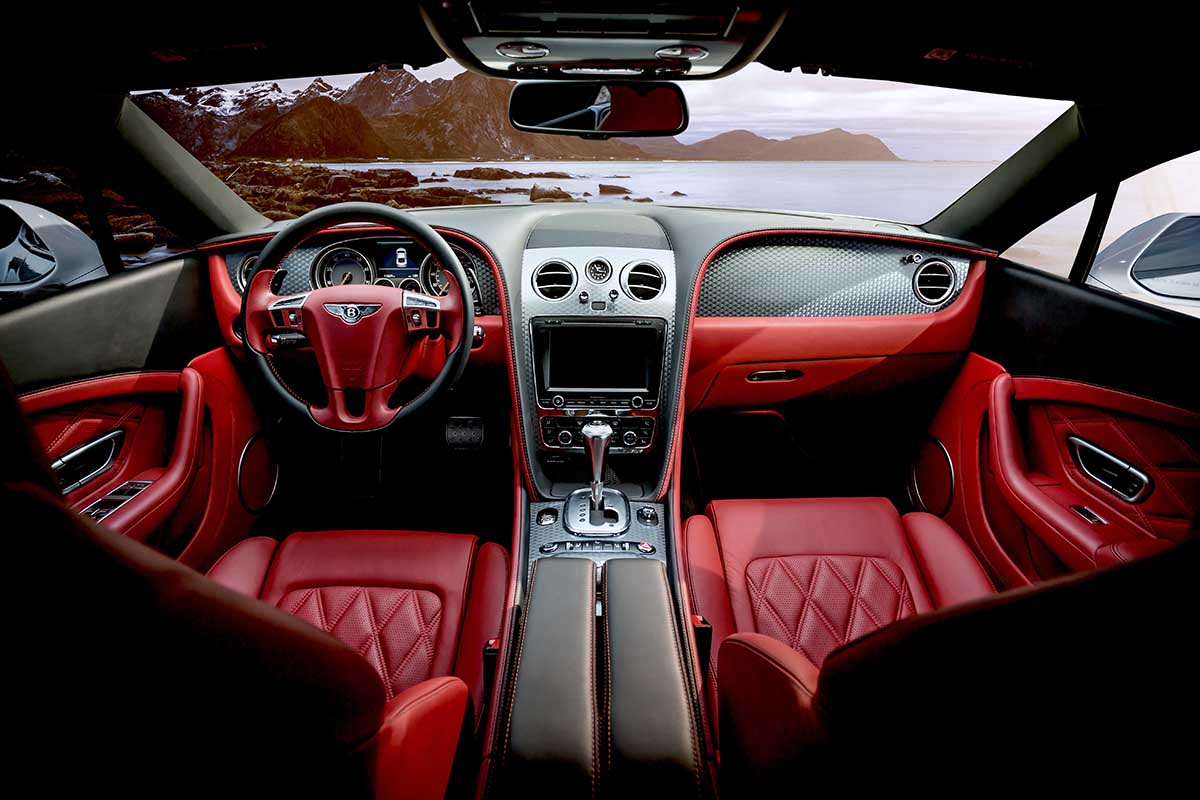
This is particularly important for antique or luxury cars that require meticulous care to maintain their condition and value.
When assessing storage facilities, inquire about their climate control capabilities and ensure they can provide the necessary environment to keep your vehicle in pristine condition year-round.
In regions like the Pacific Northwest, moisture not temperature is the primary risk.
Climate-controlled storage offers:
Stable humidity levels;
Protection against mold and mildew;
Reduced battery degradation;
Prevention of rust and corrosion.
This is critical for:
Luxury vehicles;
RVs and motorhomes;
Fleet vehicles parked for seasonal cycles.
Operational Rule:
If your vehicle will sit idle longer than 60 days in a damp climate, climate control becomes cost-preventative, not optional.
The cost of repainting or undercarriage repair far exceeds the premium of secure vehicle storage in Seattle.
Indoor vs. Outdoor Storage: ROI Comparison
| Factor | Indoor Storage | Outdoor Storage |
|---|---|---|
| Weather Protection | ✅ Full | ❌ Limited |
| Theft Risk | Lower | Moderate |
| Cost | Higher | Lower |
| Ideal For | Long-term, high-value vehicles | Short-term or utility vehicles |
| Insurance Impact | Often favorable | May vary |
Flexible and Convenient Vehicle Storage Options
Every vehicle owner’s needs differ, and so should the storage options available to them.
Flexibility in terms of contract length, access hours, and payment options can significantly enhance the convenience of using a vehicle storage facility.
For example, some owners might need short-term storage during a trip abroad, while others may be looking for a long-term solution for a classic car.
Facilities that offer monthly contracts give owners the opportunity to adapt to changing circumstances without being tied to a lengthy commitment.
Choose a facility that offers easy access to your vehicle when you need it.
This is particularly beneficial for those who may require their vehicles at short notice or at irregular hours.
The combination of security, climate control, and convenience factors into the ideal storage experience for discerning vehicle owners.
Ultimately, securing the appropriate storage for your vehicle involves careful consideration of type, security, climate control, and flexibility.
By thoroughly evaluating each aspect and matching it with your specific needs, you can find a storage solution that not only protects your vehicle but also offers peace of mind.
Whether for valuable classic cars or practical everyday vehicles, the right storage facility can make all the difference.
❓ FAQ
Q: What are the minimum security standards for vehicle storage in Seattle?
A: In 2026, minimum standards for secure vehicle storage in Seattle include 24/7 HD surveillance with 30–90 day footage retention, perimetric anti-climb fencing, and gated access control. For high-value collector cars, individually alarmed indoor units remain the industry benchmark for insurance compliance.
Q: How does Seattle’s weather affect long-term vehicle storage?
A: The Pacific Northwest’s high humidity levels can accelerate corrosion and mold growth. For seasonal or collector assets, climate-controlled indoor storage is essential to maintain a stable interior dew point, protecting leather, electronics, and undercarriage components from moisture damage.
Q: Is outdoor storage safe for commercial fleets along the I-5 corridor?
A: While open lots are cost-effective, fleets stored in high-density areas near the I-5 should prioritize active security patrols and well-lit perimeters. For branded company vehicles, secure storage reduces the risk of “brand exposure” through theft or vandalism, which can lead to higher insurance premiums.
Q: What should I ask a facility about their video surveillance?
A: Always ask about their Footage Retention Policy. Many facilities delete video after 7 days, which is often too short for insurance companies to complete an investigation. Demand a facility that retains high-definition footage for at least 30 to 90 days.
Q: Does vehicle storage help with insurance costs?
A: Yes. Many commercial and classic car insurers offer premium discounts if the vehicle is stored in a monitored, gated, or climate-controlled facility. Providing your agent with a “Security Tier” report from your storage provider can significantly lower your liability exposure.