
The Hidden Work Behind Every Successful Community Festival
🔥Key Points
- Community festivals require extensive planning involving permits, safety, infrastructure, entertainment, and budgeting.
- Successful local events support community connection, local businesses, artists, and tourism.
- Strong organization behind the scenes is what makes festivals feel seamless and enjoyable for visitors.
There is something special about small community festivals that large commercial events often cannot recreate.
They feel personal, familiar, and real.
In a time when many people spend more time online than with their neighbors, local festivals still bring communities together in a meaningful way.
It is the feeling of running into familiar faces, hearing local musicians perform, supporting small businesses, and watching an ordinary street suddenly feel full of life.
People often remember:
- the food festival everyone talked about all summer,
- the small concert that brought the neighborhood together,
- or the rainy community event that unexpectedly became a favorite memory.
What most visitors never see, however, is how much work happens behind the scenes to make these events run smoothly.
Even a modest festival operates like a temporary village that needs:
- permits and power,
- toilets and sanitation,
- vendor coordination,
- weather protection,
- entertainment scheduling,
- and safety planning.
One small issue can quickly affect the entire experience, which is why successful community festivals often require months of organization, teamwork, and preparation long before the first visitors arrive.
Starting With a Clear Vision
Every successful community festival starts with a clear purpose.
Some events are centered around live music, while others focus on food, crafts, fundraising, culture, or local history.
The scale of the festival matters too.
A gathering for 300 people requires very different logistics from a weekend event expecting several thousand visitors.
Once organizers understand the size and style of the event they want to create, they can begin building the infrastructure around it.
Budgeting is another major early step.
Costs can quickly add up when you factor in staging, power, fencing, security, insurance, toilets, licenses, performers, catering areas, and staffing.
Most festivals rely on a mixture of ticket sales, sponsorships, local support, traders, and fundraising to make the event financially viable.
Finding the Right Location
The venue can make or break a community festival.
Accessibility is crucial because attendees need a location that is easy to reach, with sufficient parking or transport links.
Organizers also need to think about drainage, electrical access, noise restrictions, and how the space will handle crowds.
Many successful community festivals divide the venue into zones.
There may be a main stage area, food and drink stalls, family activities, first-aid stations, quiet seating areas, and backstage operations.
Clear layouts help the event flow smoothly and reduce overcrowding.
Creating Comfortable and Functional Festival Spaces
One of the most overlooked but essential parts of any community festival is weatherproof infrastructure.
This is where professional festival marquee hire becomes incredibly important.
For community festivals, however, marquees do far more than simply provide shelter from rain.
They create practical spaces that improve the entire experience for organizers, performers, and visitors alike.
A well-planned marquee setup can include:
- Private meet and greet areas for artists, guests, or sponsors
- Green rooms and backstage hangout spaces for performers
- Indoor stages for music, talks, or comedy acts
- Covered seating and dining zones
- Welfare and first aid stations
- Vendor and merchandise areas
- Workshop spaces for crafts or children’s activities
- Quiet spaces away from busy crowds
Professional festival marquee hire can also include flooring, lighting, heating, power distribution, staging, and accessibility features.
These additions help create safer, more comfortable environments for both visitors and staff, while also giving organizers greater flexibility in designing the festival site.
Entertainment and Activities
Entertainment is usually the heart of a community festival.
Booking local musicians, dance groups, theater performers, comedians, or DJs gives people a reason to attend and creates atmosphere throughout the day.
Many community festivals also include activities designed for families and children.
Face painting, inflatable games, craft workshops, storytelling sessions, and sports activities help broaden the appeal and encourage people to stay longer.
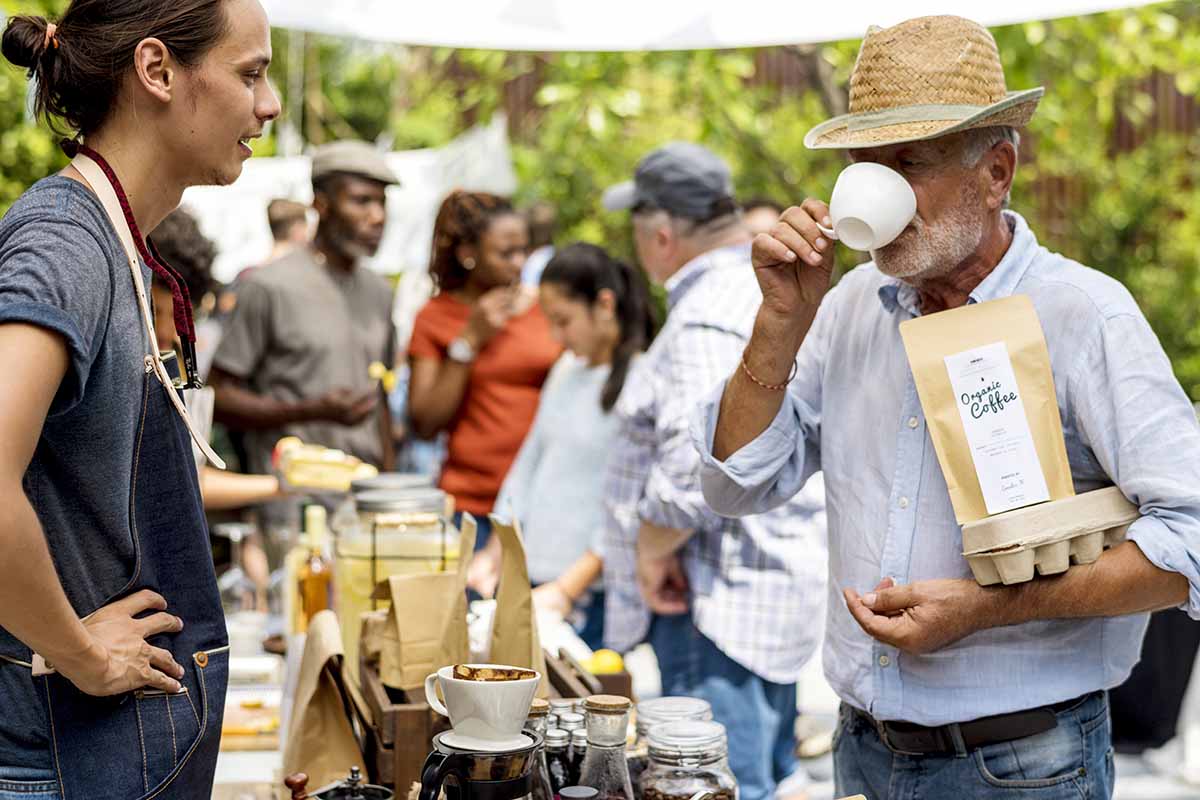
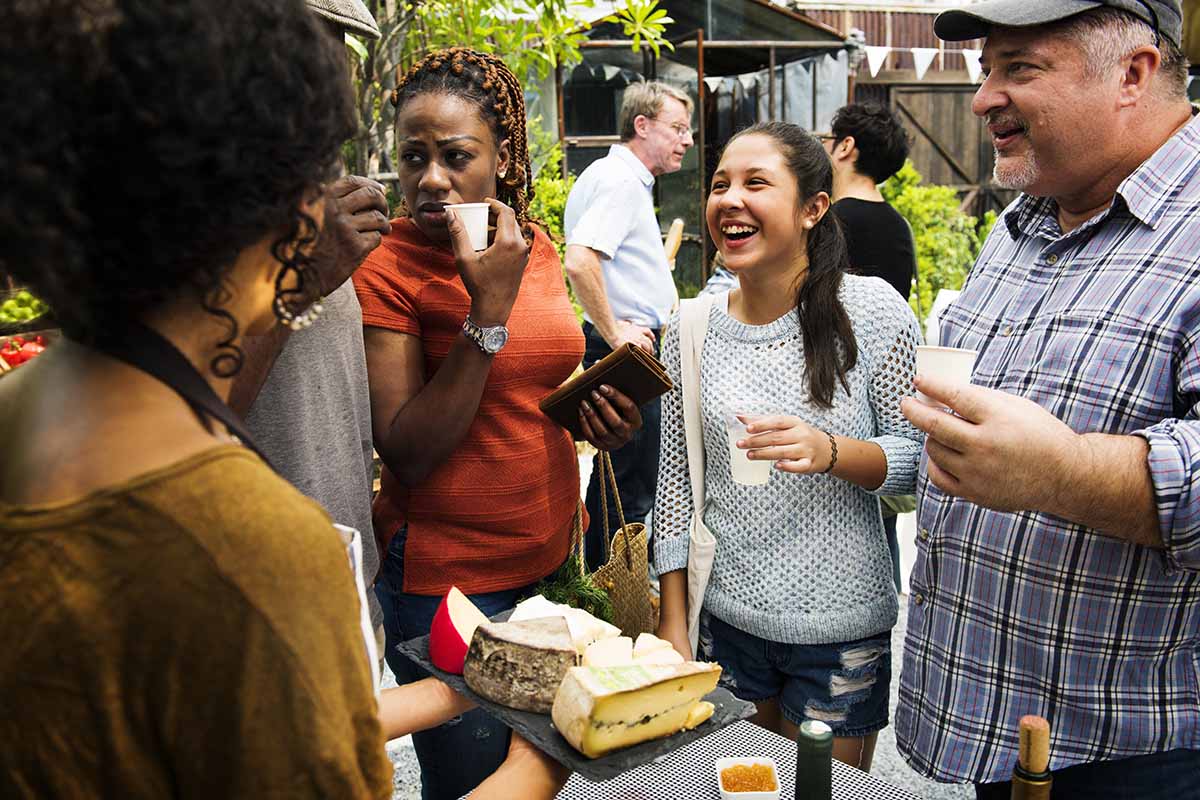
Food and drink are equally important. Local traders and street food vendors not only generate revenue but also give festivals a unique identity.
Community events often work best when they highlight regional businesses and independent producers rather than relying entirely on large commercial suppliers.
Health, Safety, and Crowd Management
While festivals are designed to be enjoyable, safety is one of the biggest responsibilities for organizers.
Risk assessments, public liability insurance, and emergency planning are essential before any event can go ahead.
Depending on the size of the festival, organizers may need:
- Fire safety equipment;
- Crowd barriers;
- Traffic management plans;
- Emergency exits;
- Communication systems.
Waste management is another huge consideration.
Without enough bins, toilets, and cleaning crews, even a well-organized festival can quickly become unpleasant for visitors.
Volunteers Keep Festivals Alive
Most community festivals depend heavily on volunteers.
From ticket collection and parking management to stage support and litter picking, volunteers often form the backbone of the entire event.
Good volunteer coordination is essential because people need clear roles, schedules, and support throughout the festival.
Many successful events build a loyal volunteer community that returns every year.
The Reality Behind the Celebration
When people arrive at a community festival, they see music, food, local vendors, entertainment, and smiling faces.
What they often do not see is the enormous amount of planning, coordination, budgeting, and problem-solving happening quietly behind the scenes to create that experience.
But when a festival is organized well, the results go far beyond a single weekend event.
Successful community festivals help:
- bring neighbors together,
- support local artists and small businesses,
- increase tourism and local spending,
- create long-term community memories,
- and give people a rare sense of connection in an increasingly digital world.
The best festivals feel effortless to visitors because every detail, from power supply and safety planning to entertainment and weather preparation, was carefully considered in advance.
Strong organization not only creates a better experience for attendees, but also highlights the advantages of tourism to the economy by supporting local businesses, increasing visitor spending, attracting tourism, and bringing more visibility to the community.
In the end, a great community festival is not just about entertainment.
It is about creating an experience that strengthens the local community and gives people something positive to remember long after the event is over.