Why Liberty State Park Gets So Busy on Weekends
Liberty State Park has long been one of Jersey City’s most recognizable public spaces, but its role has expanded well beyond being a scenic waterfront park.
On weekends, especially during the warmer months, the area becomes one of the busiest traffic hubs in the city.
Visitors arrive for walking trails, waterfront views, ferry connections, festivals, athletic events, and access to nearby attractions, creating traffic patterns that often look very different from a typical weekday.
Unlike commuter traffic, which generally follows predictable morning and evening rush hours, recreational traffic builds gradually throughout the day.
Families, tourists, cyclists, rideshare drivers, buses, delivery vehicles, and pedestrians all converge in the same area, placing pressure on roads that were never intended to handle constant weekend surges.
As tourism continues to grow throughout the region, Liberty State Park weekend traffic shows how recreational destinations can influence transportation planning just as much as business districts.
Tourism Brings Constant Movement
One of the biggest reasons for the park’s weekend congestion is its appeal as both a local destination and an international tourist attraction.
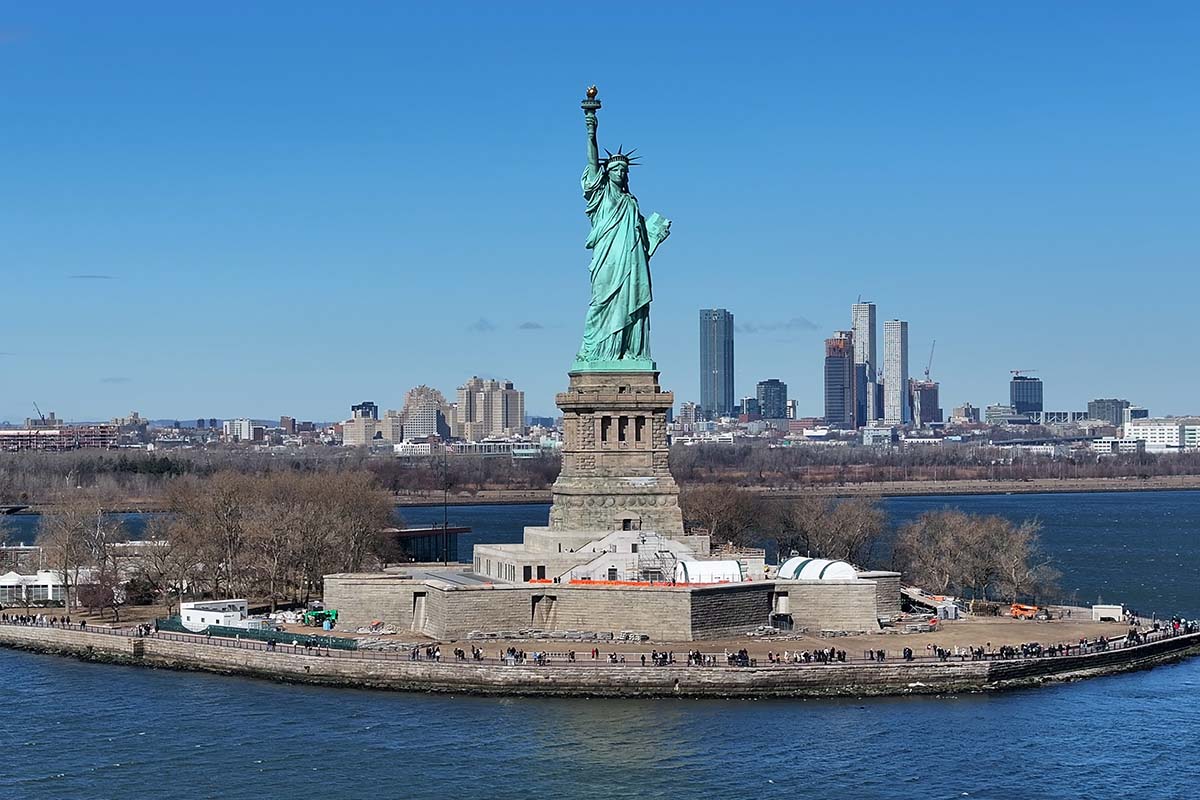
Many visitors begin their trip to the Statue of Liberty and Ellis Island from nearby ferry terminals, bringing thousands of additional travelers into the area throughout the day.
Unlike office workers who typically arrive and leave at similar times, tourists arrive in waves.
Morning ferry departures attract early crowds, while afternoon visitors continue flowing into the park after sightseeing elsewhere in New York City or northern New Jersey.
Many visitors also spend several hours inside the park before or after boarding ferries.
They explore walking paths, picnic areas, playgrounds, waterfront promenades, and historical sites, keeping parking lots and nearby streets active for much longer than a traditional commuter peak.
The result is that Liberty State Park weekend traffic remains consistently busy instead of rising and falling according to a standard rush-hour schedule.
Events Change the Traffic Picture
Charity walks, cultural festivals, concerts, athletic competitions, community celebrations, and seasonal gatherings attract participants from across New Jersey and neighboring states.
Even relatively small events can create noticeable increases in vehicle volume because many attendees arrive within the same one- or two-hour window.
Parking demand often extends beyond the park itself. Drivers begin looking for available spaces on surrounding streets or in nearby parking facilities, increasing circulation through local intersections.
Special events also introduce additional traffic from shuttle buses, food vendors, event staff, emergency vehicles, and equipment deliveries.
These vehicles operate alongside regular visitors, creating a transportation environment that requires careful coordination throughout the day.
Ferry Operations Add Another Layer
Passengers often arrive shortly before scheduled departures, creating brief but intense periods of activity near ferry access points.
At the same time, buses carrying tour groups, taxis, rideshare vehicles, and private automobiles all compete for limited curb space.
When multiple ferries depart or return within a relatively short period, vehicle turnover increases rapidly.
Drivers stop to drop off passengers, others search for parking, and buses maneuver through areas already crowded with pedestrians.
Because ferry schedules operate independently from roadway traffic conditions, these transportation systems sometimes overlap in ways that create temporary bottlenecks even when overall traffic volumes appear manageable.
Recreation Keeps Roads Busy
Many local residents visit Liberty State Park for recreation.
Runners, cyclists, walkers, photographers, youth sports teams, and families use the park throughout the year, particularly during spring, summer, and early fall.
Morning exercise crowds gradually transition into family visitors around midday before evening visitors arrive to enjoy waterfront sunsets and cooler temperatures.
Instead of one concentrated period of activity, traffic remains active from early morning until after sunset.
This continuous flow means intersections near the park experience steady vehicle movement for much of the day, requiring drivers to remain attentive even outside traditionally busy travel periods.
Seasonal Changes Matter
Summer weekends generally produce the highest visitor numbers.
Warm weather encourages outdoor recreation, ferry ridership increases, and festivals become more frequent.
Parking facilities often reach capacity, leading drivers to circulate through nearby neighborhoods searching for available spaces.
Fall brings another busy period as comfortable temperatures encourage walking, cycling, and sightseeing.
Large community events and organized races frequently take place during this season.
Winter traffic usually decreases, although holiday events and clear-weather weekends can still attract substantial crowds.
Even with fewer visitors, reduced daylight and occasional winter weather introduce different driving challenges.
Spring often marks the beginning of the busiest annual cycle, as improving weather encourages both local residents and tourists to return to outdoor destinations.
Local Streets Feel the Impact
The roads surrounding Liberty State Park experience effects that extend beyond the park entrance itself.
Nearby intersections often handle a mix of local traffic and visitors unfamiliar with Jersey City’s street network.
Drivers may slow unexpectedly while following navigation systems, searching for parking entrances, or looking for directional signs.
Rideshare vehicles frequently stop near pickup locations, while cyclists share road space with motorists entering and leaving parking areas.
Pedestrians crossing between parking lots, attractions, and waterfront paths add another layer of activity.
These overlapping movements require drivers to make frequent adjustments in speed and positioning, increasing the importance of patience and awareness.
From a transportation planning perspective, the area demonstrates how mixed-use recreational districts create different traffic demands than commercial corridors.
Why Weekend Congestion Can Increase Risk
Higher traffic volumes do not automatically lead to collisions, but they create more opportunities for conflicts between different types of road users.
Drivers encounter frequent stops, merging vehicles, pedestrians entering crosswalks, cyclists crossing intersections, and buses making wide turns.
Visitors unfamiliar with local roads may make sudden lane changes or slow unexpectedly after missing an entrance.
Because so many transportation modes operate in the same area, even minor incidents can produce significant backups that affect surrounding streets.
When traffic incidents occur in busy recreational areas, they may involve questions about roadway conditions, parking lot design, pedestrian movement, or driver behavior.
In some situations, those circumstances later become relevant during insurance claims or discussions involving a Jersey City personal injury lawyer, particularly when determining how an incident occurred.
A Growing Transportation Challenge
Liberty State Park continues to attract more visitors as Jersey City’s waterfront evolves.
Residential growth, expanding tourism, improved regional transportation, and a growing calendar of public events all contribute to increasing weekend traffic.
Managing that growth involves balancing accessibility with safety.
Transportation agencies and city planners continually evaluate parking capacity, pedestrian access, bicycle infrastructure, signage, and roadway operations to accommodate changing travel patterns.
For residents, understanding these seasonal shifts can help explain why travel times around the park vary so dramatically from one weekend to another.
What appears to be unexpected congestion is often the result of multiple transportation systems operating simultaneously in one of the region’s most popular public spaces.
As Liberty State Park remains a centerpiece of Jersey City’s waterfront, its influence on local traffic is likely to continue growing.
Weekend congestion reflects not only the park’s popularity but also its expanding role as a destination where tourism, recreation, public events, and regional transportation all intersect.