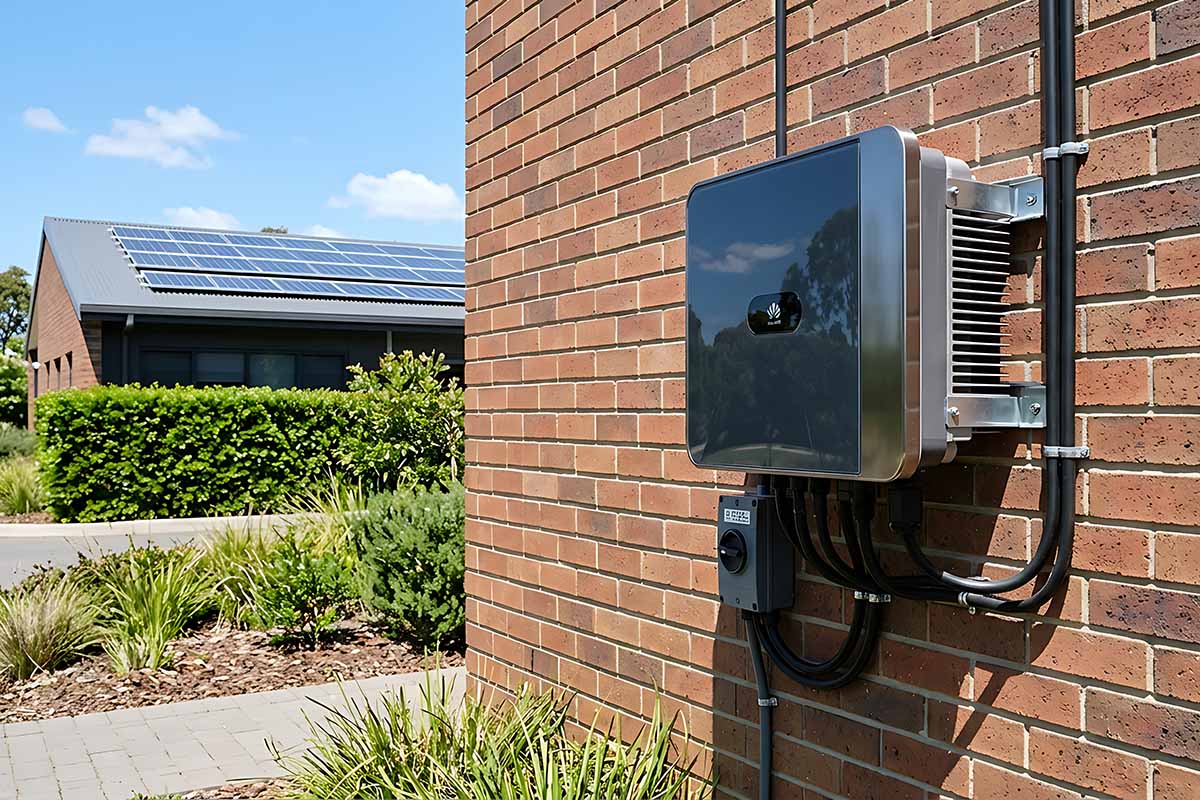
On-Grid vs. Off-Grid vs. Hybrid Solar Inverters: Key Differences
✨ key points
- On-grid: Works with the electricity grid and typically shuts down during outages.
- Off-grid: Operates independently of the grid, usually with batteries to supply power when sunlight is unavailable.
- Hybrid: Combines solar, grid power, and battery storage; backup power depends on the model and installation.
Choosing the right solar setup depends on how you use electricity, the reliability of your grid connection, and whether you need backup power.
While solar panels generate electricity from sunlight, the inverter determines how that energy is converted, managed, and supplied to your appliances.
A solar inverter acts as the control point of a solar energy system. It converts direct current (DC) generated by solar panels into alternating current (AC) used by homes and businesses.
Depending on the system design, an inverter can either work with the grid, operate independently with batteries, or combine both functions.
Let’s look at the differences between on-grid, off-grid, and hybrid systems, which can help you select a solution that matches your energy requirements.
What Does a Solar Inverter Do?
A solar inverter performs more than just electricity conversion.
It manages the flow of energy between solar panels, batteries, household loads, and the electricity grid.
Key functions include:
- Converting DC electricity from solar panels into AC electricity;
- Managing solar power generation;
- Monitoring system performance;
- Supporting safe electricity flow;
- Optimising energy usage based on system configuration.
The type of solar inverter selected determines whether the system depends on the grid, uses battery storage, or combines multiple energy sources.
What is an On-grid Solar Inverter?
An on-grid inverter is designed for solar systems connected directly to the electricity grid.
These systems use solar power during the day and can export surplus electricity to the grid through approved net metering arrangements, where applicable.
An on-grid solar inverter is generally suitable for homes and businesses with a reliable grid connection.
How Does an On-grid Solar System Work?
The working process is simple:
- Solar panels generate electricity during daylight hours.
- The inverter converts DC power into usable AC electricity.
- The generated power is used by connected appliances.
- Excess electricity may be exported to the grid, depending on local regulations.
Since these systems rely on the grid, they usually do not provide power during outages unless additional backup components are installed.
Benefits of On-grid Systems
- Lower installation complexity
- No requirement for battery storage
- Better utilisation of surplus solar generation
- Suitable for properties with stable grid supply
What is an Off-grid Solar Inverter?
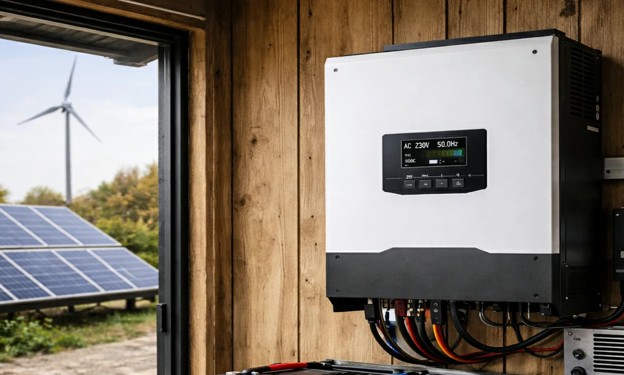
An off-grid inverter is designed for solar systems that operate independently from the electricity grid.
These systems use battery storage to store excess solar energy and provide power when sunlight is unavailable.
An off-grid solar inverter is commonly used in locations where grid electricity is unavailable, unreliable, or difficult to access.
How Does an Off-grid Solar System Work?
The system operates through the following process:
- Solar panels generate electricity.
- The inverter manages solar power and battery charging.
- Excess energy is stored in batteries.
- Stored energy is used during evenings, cloudy periods, or power interruptions.
Since there is no grid connection, battery capacity and system sizing become important considerations.
Benefits of Off-grid Systems
- Provides independent electricity supply;
- Suitable for remote locations;
- Offers backup during grid failures;
- Reduces dependence on external power sources.
What is a Hybrid Solar Inverter?
A hybrid inverter combines the functions of both on-grid and off-grid systems.
It can manage solar generation, battery storage, and grid electricity within one setup.
A hybrid solar inverter is suitable for users who want the flexibility of grid connectivity along with backup power capability.
How Does a Hybrid Solar System Work?
A hybrid system can:
- Use solar power directly for appliances;
- Store excess energy in batteries;
- Draw electricity from the grid when required;
- Supply backup power during outages, depending on battery availability and system design.
This makes hybrid systems suitable for homes where power reliability and energy management are both important.
Benefits of Hybrid Systems
- Provides backup capability;
- Allows better control over solar energy usage;
- Supports battery integration;
- Reduces dependence on grid electricity during peak usage periods.
On-Grid vs Off-Grid vs Hybrid Solar Inverter: Comparison
| Feature | On-grid System | Off-grid System | Hybrid System |
| Grid connection | Required | Not required | Required in most configurations |
| Battery storage | Optional | Essential | Optional but commonly used |
| Backup during outages | Usually unavailable | Available | Available with suitable battery capacity |
| Suitable for | Homes with reliable grid supply | Remote areas and independent power needs | Homes requiring flexibility and backup |
| Initial investment | Generally lower | Higher due to battery requirement | Higher due to additional components |
How to Choose the Right Solar Inverter for Your Home?
Selecting the right system depends on your electricity requirements and installation conditions.
Consider the following factors:
- Electricity Usage. Review your daily energy consumption and identify whether you need a system for reducing electricity bills, providing backup, or achieving energy independence.
- Grid Availability. Homes with reliable electricity supply may find on-grid systems suitable, while properties with frequent outages may benefit from hybrid or off-grid options.
- Backup Requirements. If essential appliances need to remain operational during power cuts, battery-based systems should be considered.
- Budget and Long-term Goals. While battery-based systems require higher initial investment, they provide additional flexibility and energy storage capabilities.
Select a Solar Inverter Based on Your Energy Needs
The choice between an on-grid, off-grid, or hybrid system depends on how you want to use solar energy.
On-grid systems are suitable for reducing electricity costs where grid supply is stable, while off-grid systems support independent power requirements.
Hybrid systems offer a balance by combining solar generation, battery storage, and grid connectivity.
Before selecting a solar inverter, consider factors such as electricity consumption, backup requirements, battery compatibility, and installation conditions.
Reliable solar solutions providers like Eastman Auto & Power Limited can help assess your requirements and recommend a suitable configuration for your home or business.
Choosing the right inverter technology ensures better energy management and supports long-term solar performance.