Why Your Dog Keeps Scratching and What It Really Means
✨ Key Points
- Excessive scratching in dogs is usually a sign of allergies, parasites, or skin irritation.
- Ignoring itching can lead to infections, stress, and long-term health issues.
- Identifying the root cause early helps prevent chronic conditions and improves comfort.
Hello, dog parents!
If your dog is stuck in a constant scratch cycle, it’s not just annoying, it’s a signal. When dogs scratch, bite, or lick themselves over and over, they’re trying to relieve discomfort they can’t explain.
And here’s the important part: ignoring it can turn a small issue into a bigger, more expensive problem.
Excessive scratching usually means something deeper is going on:
- Skin irritation or allergies – often caused by food, pollen, or environmental triggers;
- Parasites like fleas or mites – even one bite can cause intense itching;
- Dry skin or weather changes – especially common in colder or rainy climates;
- Diet issues or sensitivities – what your dog eats directly affects their skin and gut.
Why this matters:
- Constant scratching can lead to open wounds and infections;
- Your dog may become stressed, restless, or even aggressive from discomfort;
- What starts as mild itching can turn into a chronic condition if ignored.
The goal isn’t just to stop the scratching.
It’s to understand the cause so you can fix the problem at the root and bring your dog real relief.
Decoding the Scratch Saga
Let’s break it down: dogs scratch occasionally, and that’s perfectly normal.
But when your dog is constantly at it, scratching every few minutes, it’s time to turn on your detective mode.
So, What’s Bugging Your Dog?
Here are a few common itch-inducers:
- Pesky Parasites: The usual suspects—fleas, ticks, and mites. These little buggers love making a home in your dog’s fur.
- Allergy Alert: Like humans, dogs can have allergies, too. It could be anything from the new laundry detergent you’re using to their diet.
- Infection Intersection: Yep, skin infections from bacteria or fungi can make your dog’s skin super itchy.
- Dry Skin Dilemma: Sometimes, it’s just plain old dry skin, especially in the winter months or dry climates.
Vet Visit: Your First Move
If your dog keeps scratching and nothing seems to help, your vet should be your first step, not your last resort.
A visit to the vet helps you quickly figure out what’s actually causing the problem instead of guessing and trying random solutions that may not work.
Here’s what your vet may do:
- Check the skin closely to look for fleas, mites, or infections;
- Take a skin sample to examine under a microscope;
- Ask about diet and environment to spot possible allergy triggers;
- Recommend allergy testing or an elimination diet if food is suspected.
Why this matters:
- You avoid wasting time and money on the wrong treatments;
- You catch issues early before they turn into infections or chronic problems;
- Your dog gets faster relief instead of ongoing discomfort.
A vet visit doesn’t just treat symptoms.
It helps you understand the root cause so you can fix the problem the right way.
Strategies to Stop the Scratch

After your vet trip, you’ll better understand how to help your dog.
Here are some tried-and-tested solutions:
- Kick Fleas to the Curb: Regular flea treatments are a must. Ask your vet for the best options.
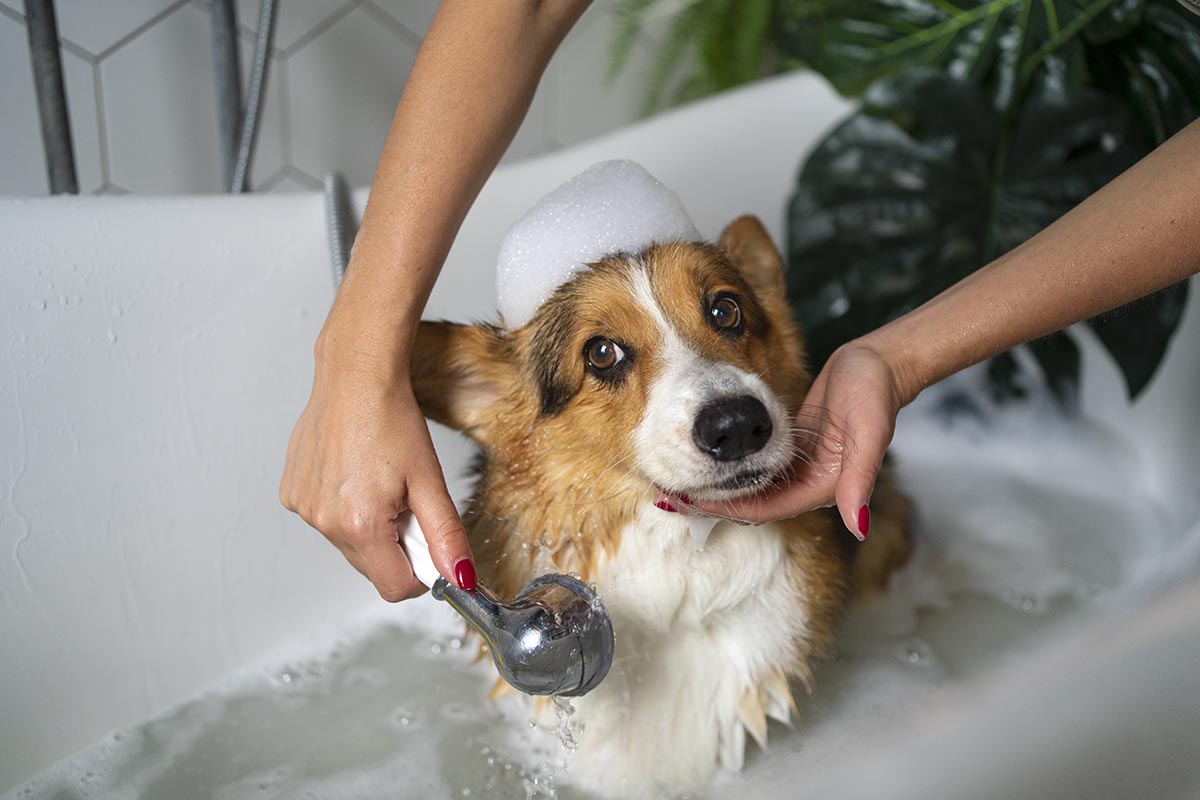
- Gentle Baths: A soothing shampoo and regular grooming can work wonders for irritated skin.
- Food Fix: Sometimes, the problem is what’s in the bowl. If your vet thinks it’s a food allergy, they might suggest trying an allergy food for dogs to cut out common allergens.
- Medication Magic: In more severe cases, your vet might prescribe something to ease the itch, from anti-inflammatories to antihistamines.
DIY Itch Relievers That Actually Help
Alongside your vet’s recommendations, there are simple things you can do at home to give your dog real relief and prevent the itching from getting worse.
- Omega Boost (Fish Oil Supplements). Adding omega-3 fatty acids supports skin health from the inside out. It helps reduce inflammation, which is often the root cause of itching, especially in dogs with allergies or dry skin.
- Keep Your Dog Cool and Comfortable. Heat can make itching worse. When your dog overheats, their skin becomes more irritated, and scratching increases. Keeping your home cool and giving them a comfortable resting spot helps reduce flare-ups.
- Oatmeal Baths for Fast Relief. Oatmeal has natural soothing properties that calm irritated skin. It helps reduce redness, itching, and dryness, making it one of the easiest ways to give your dog immediate comfort.
When It’s More Serious
Sometimes itching is more than just a minor irritation. It can quickly turn into a bigger health issue if left untreated.
Watch for warning signs like:
- Bald spots or thinning fur;
- Red, inflamed, or bleeding skin;
- Open sores or scabs from constant scratching;
- Strong odor or signs of infection;
- Scratching that keeps getting worse instead of better.
Why this matters:
- These signs often point to skin infections, severe allergies, or parasites;
- Delaying treatment can lead to pain, deeper infections, and longer recovery time;
- Your dog may become stressed or aggressive due to constant discomfort.
If you notice any of these, don’t wait it out. A follow-up vet visit is the safest move.
It helps catch serious issues early and prevents them from becoming long-term problems.
Home Tweaks for Ongoing Care
If your dog keeps scratching, small changes at home can make a big difference.
These aren’t just nice-to-have. They help reduce triggers that cause ongoing irritation.
- Keep Your Space Clean. Dust, pollen, and pet dander build up fast, especially in apartments. Regularly cleaning floors, bedding, and your dog’s favorite spots helps reduce allergens that sit on their skin and trigger itching.
- Improve Air Quality. Indoor air can carry invisible irritants like dust and mold. Using an air purifier helps create a cleaner environment, which is especially helpful for dogs with allergies or sensitive skin.
- Reduce Stress and Boredom. Stress doesn’t just affect mood. It can make skin issues worse. Dogs that are anxious or under-stimulated often scratch more. Daily walks, playtime, and a steady routine help keep them calm and balanced.
Embrace the Journey to Comfort
Alright, so you’re on this itch-busting journey, armed with a few smart steps and a little more clarity than yesterday.
The truth is, every dog is different, so what works for one may not work for another.
This process takes a bit of testing and patience.
Start with small changes, like adjusting their diet, trying a new flea treatment, or exploring simple ways to strengthen your dog’s immune system through better nutrition and routine.
Then observe. Is your dog calmer? Scratching less? That’s a good sign.
If nothing changes right away, don’t get discouraged.
Some solutions take time, and sometimes it’s about finding the right combination that works for your dog.
Stay in close contact with your vet and keep track of what you’re trying.
Writing down food changes, treatments, and reactions helps you spot patterns faster and avoid repeating what doesn’t work.
And don’t underestimate comfort. Your attention, routine, and calm energy matter more than you think.
When your dog feels safe and supported, recovery becomes easier.
You’ve got this. And your dog is lucky to have you figuring it out step by step.
Wrapping It Up: Scratch-Free and Smiling
If your dog keeps scratching or licking, something is bothering them. It usually doesn’t go away on its own, especially in the Seattle area where rain and damp air can make skin issues worse.
One thing to watch closely is repeated licking in one spot. This can turn into a lick granuloma, which is a sore caused by constant licking. Once it forms, it’s much harder to treat, so it’s better to stop it early.
Here’s what actually helps:
- Pay attention to patterns.
Notice when it starts. After walks, certain foods, or changes in routine can all be triggers - Stop constant licking early.
If your dog keeps licking the same area, clean it, keep it dry, and redirect them. These simple tips to prevent lick granuloma help stop the problem before it turns into a wound - Manage moisture and allergens.
In Seattle, wiping paws, drying fur, and keeping bedding clean helps reduce irritation - Adjust care for older dogs.
If you’re looking into how to care for a senior dog, remember they’re more sensitive and slower to heal, so small issues need quicker attention - Stay consistent.
Daily care matters more than quick fixes. Small habits reduce scratching over time
If the scratching or licking doesn’t improve, it’s best to check with your vet.