What Is Medical Food for Cancer Patients and Why It Matters During Treatment
✨Key Points
1️⃣ Cancer can quietly change how the body handles food, making eating harder even when nutrition is needed most.
2️⃣ Medical food helps fill nutritional gaps when regular meals feel overwhelming or simply aren’t enough.
3️⃣ The right nutrition support can ease daily strain, support recovery, and bring steadier energy over time.
When cancer enters daily life, eating often changes in quiet but frustrating ways.
Meals that once felt routine may suddenly feel heavy, unappealing, or simply exhausting to get through.
For many families, food for cancer patients (also referred to as อาหารสำหรับผู้ป่วยมะเร็ง in Thai) becomes less about preference and more about finding something the body can actually manage.
Medical food products exist for moments like these.
They are not everyday groceries and they are not comfort snacks.
They are developed for people whose nutritional needs no longer match standard meals, offering structured nourishment when appetite, digestion, or energy are unpredictable.
How Does Cancer Affect Nutritional Needs?
Cancer often disrupts the body’s normal balance without obvious warning.
You may notice weight dropping even when food intake seems unchanged.
Muscle strength can fade, sometimes gradually, sometimes faster than expected.
Treatments may intensify this by affecting taste, digestion, or how full someone feels after only a few bites.
For patients, this can feel confusing and discouraging. Eating becomes effortful.
And when the body is already under strain, even small nutritional gaps can feel amplified over time.
Why Are Medical Food Packs Used Instead of Regular Meals?
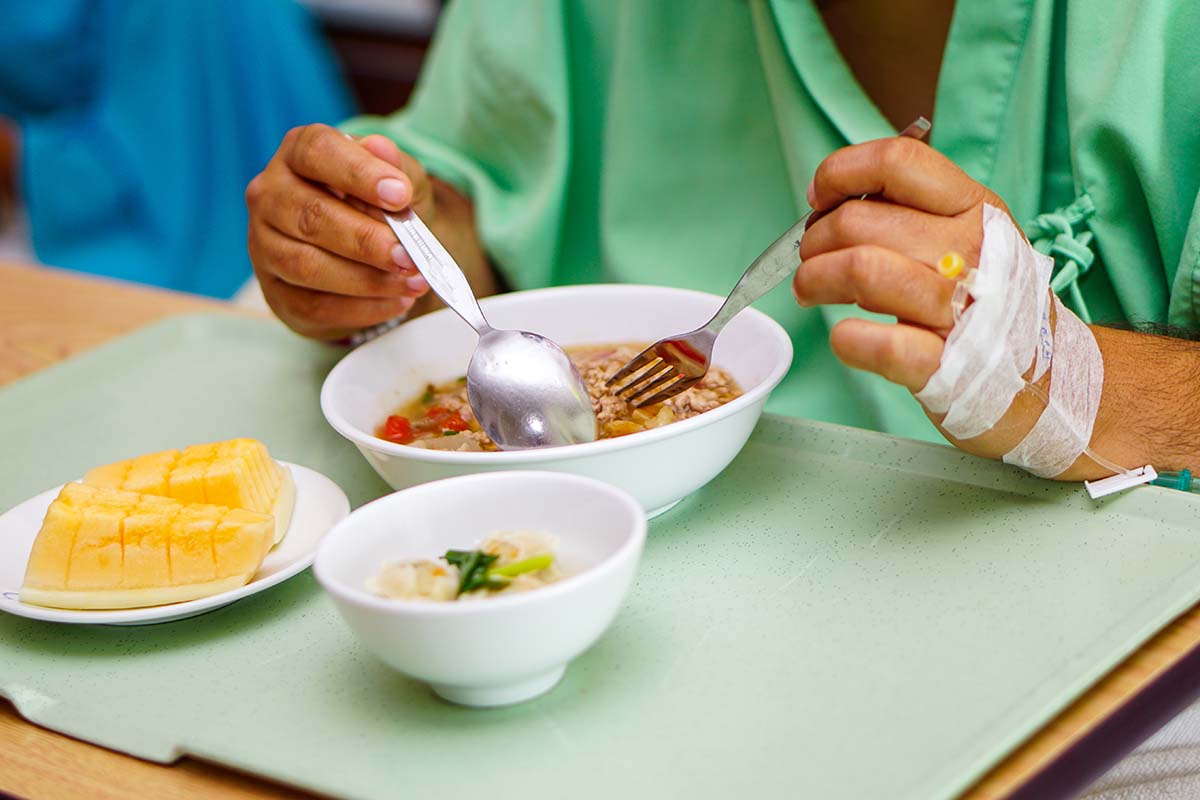
Regular meals assume the body can chew, swallow, digest, and absorb nutrients comfortably. During cancer care, that assumption often no longer holds.
Mouth sores, nausea, early fullness, or fatigue can make full plates feel overwhelming.
Medical food packs are designed for these moments. They usually come as ready-to-consume liquids or powders that mix smoothly.
The texture tends to be gentler, the portion easier to manage. In everyday use, medical food for cancer patients often fits into quiet gaps between meals or replaces one meal when eating feels like too much.
Some patients also explore plant-based formulations during treatment, especially when gentler options feel more manageable day to day.
Vegan nutrition for health becomes relevant for those who follow plant-based preferences while still needing clinical-grade nutrition.
What Nutrients Are Especially Important During Cancer Care?
Energy needs often rise even as appetite falls. This mismatch can feel frustrating.
Protein becomes especially noticeable here, considering that without enough of it, muscles can weaken and recovery may feel slower after treatments or hospital visits.
Fats often become useful when appetite runs low.
A few mouthfuls can carry more energy than a full plate, which makes a difference on days when eating feels like effort rather than hunger.
Patients sometimes notice they feel less drained later in the day when energy comes from smaller, more manageable amounts.
Vitamins and minerals tend to work in the background.
They are not something most people feel immediately after eating, but over time they support how the body responds to treatment and repairs itself. Even when food choices feel limited or repetitive, having these nutrients present helps fill the gaps that are easy to miss during long periods of care.
Fibre, when tolerated, can ease digestive discomfort. Hydration also plays a steady role.
Many patients notice that drinking enough fluids helps manage treatment-related side effects, even if sipping feels easier than eating.
How Do Medical Food Products Fit into Daily Eating Patterns?
There is rarely a single correct way to use medical food. Some patients take it mid-morning when appetite briefly returns.
Others rely on it in the evening when fatigue makes cooking unrealistic.
And some use it consistently during treatment cycles when solid food intake drops.
Spacing intake across the day often feels more realistic than pushing through large meals.
You may feel less pressure around meals when there is one nutrition option you already know works, especially on days when energy is low and deciding what to eat feels harder than usual.
Are There Regulations or Guidelines Around Medical Nutrition?
Medical foods are regulated differently from standard packaged foods.
In Thailand, they fall under specific health authority oversight to confirm suitability for clinical nutrition use and consumption under medical guidance.
Even with medical food, the nutrition still has to make sense for an adult body, not just look good on paper.
That is why principles behind healthy eating for adults still shape what goes into these products, even though they are used for treatment and not everyday meals.
What Should Patients and Caregivers Consider When Choosing Medical Food Packs?
Needs change throughout the cancer journey. Early on, a patient may tolerate more variety.
Later, digestion or taste sensitivity may narrow options. Some people look for more protein, while others choose what is easiest to swallow or tastes acceptable.
Taste fatigue is real. A product that works well one week may feel difficult the next. Flexibility matters.
During longer recovery periods, medical food for cancer patients often stays in the daily routine because strength does not come back quickly and the body needs steady support while it rebuilds.
How Can Nutrition Support Long-Term Wellbeing?
Nutrition support often shows its value in small, everyday moments. Less exhaustion during short walks.
Slightly steadier energy across the afternoon. A sense that the body is being supported rather than depleted.
For caregivers, food decisions can turn into a quiet, repeating worry that never really switches off.
Having one nutrition option they trust removes that question from the day, so attention can stay on helping, talking, or just sitting together instead of thinking about the next meal.
Where Can Patients Learn More or Get Professional Support?
Nutrition during cancer care works best when it adapts with treatment changes.
Doctors and dietitians help adjust intake based on symptoms, recovery stages, and individual tolerance.
For those seeking medically developed nutrition solutions designed for cancer-specific needs, Thai Otsuka Nutrition Club offers access to professional guidance and specialised product options worth exploring.