
Houston Sewer Line Problems: Signs and When to Get Help
The expensive part of a sewer problem is often not the pipe itself, it is everything that can happen while a homeowner assumes the problem is just another clogged drain.
That is the risk for Houston homeowners.
A repeatedly clogged toilet or slow shower can look like a $20 drain-cleaning problem.
But if several fixtures are affected, the actual problem may be deeper in the sewer line.
Waiting can mean dealing with wastewater inside the home, damaged flooring and drywall, contaminated belongings, landscaping repairs, or excavation in addition to the original plumbing work.
When a “Small” Plumbing Problem Deserves More Attention
Homeowners should pay particular attention when:
- More than one drain is slow. A single clogged sink is different from several fixtures backing up together.
- The same clog keeps returning. Clearing the immediate blockage may not address the underlying cause.
- Toilets or drains begin gurgling. Changes in air and water movement through the drainage system can signal a developing problem.
- There is a sewage smell. Persistent sewer odors should not be treated as a normal plumbing annoyance.
- The yard changes unexpectedly. Unusually wet, soft, or green areas can justify checking what is happening underground.
- A home has older plumbing and no clear sewer history. Buyers may know when the roof or HVAC was replaced while having no idea about the condition of the sewer line.
That last point is particularly important when buying a home.
Asking how much house can I afford should include more than qualifying for the mortgage.
A house can fit comfortably within the purchase budget and become much less affordable when an expensive system fails shortly after closing.
Unseen Consequences of Neglected Sewer Line Issues
Some of the most expensive home problems develop where homeowners cannot see them.
A damaged sewer line can remain underground while moisture, wastewater, or shifting soil creates problems elsewhere on the property.
This is also one of the issues a home inspection won’t reveal in every case.
A standard home inspection can identify visible plumbing concerns, but inspecting the inside of an underground sewer line generally requires a separate sewer-camera scope.
That matters because an unresolved sewer problem can potentially lead to:
- Repeated wastewater backups that damage flooring, drywall, cabinets, and personal belongings.
- Soil erosion or movement around a leaking underground pipe, which can create additional concerns near foundations, patios, or landscaping.
- Hidden moisture problems that may contribute to mold growth when affected materials remain damp.
- Exposure to sewage-contaminated water, which requires appropriate cleanup rather than ordinary household cleaning.
- Pest problems, as persistent moisture and damaged drainage systems can create favorable conditions for insects and other pests.
- A larger repair bill, particularly when the original pipe problem is followed by water-damage restoration, cleanup, landscaping, or structural repairs.
For Houston homebuyers, there is a practical lesson here: don’t assume a satisfactory general home inspection means the sewer line has been inspected internally.
Ask what the inspection actually covered and whether the property’s age, plumbing history, recurring drainage problems, or other warning signs justify a separate sewer scope.
The value of early diagnosis is not simply avoiding a clogged drain.
It is finding a hidden problem before the damage spreads beyond the sewer line itself.
Recognizing Sewer Line Problems in Houston Homes
One slow sink usually points to a local problem.
Several plumbing fixtures behaving strangely at the same time deserve more attention.
For homeowners, the pattern can be more informative than any single symptom.
Watch for combinations such as:
- Several drains backing up or slowing down together.
- A toilet gurgling when a shower, sink, or washing machine drains.
- Recurring clogs that return soon after being cleared.
- Sewer odors appearing around drains or outside the home.
- Wet or unusually lush patches of yard without an obvious explanation.
- Drainage behavior changing after major weather or ground movement.
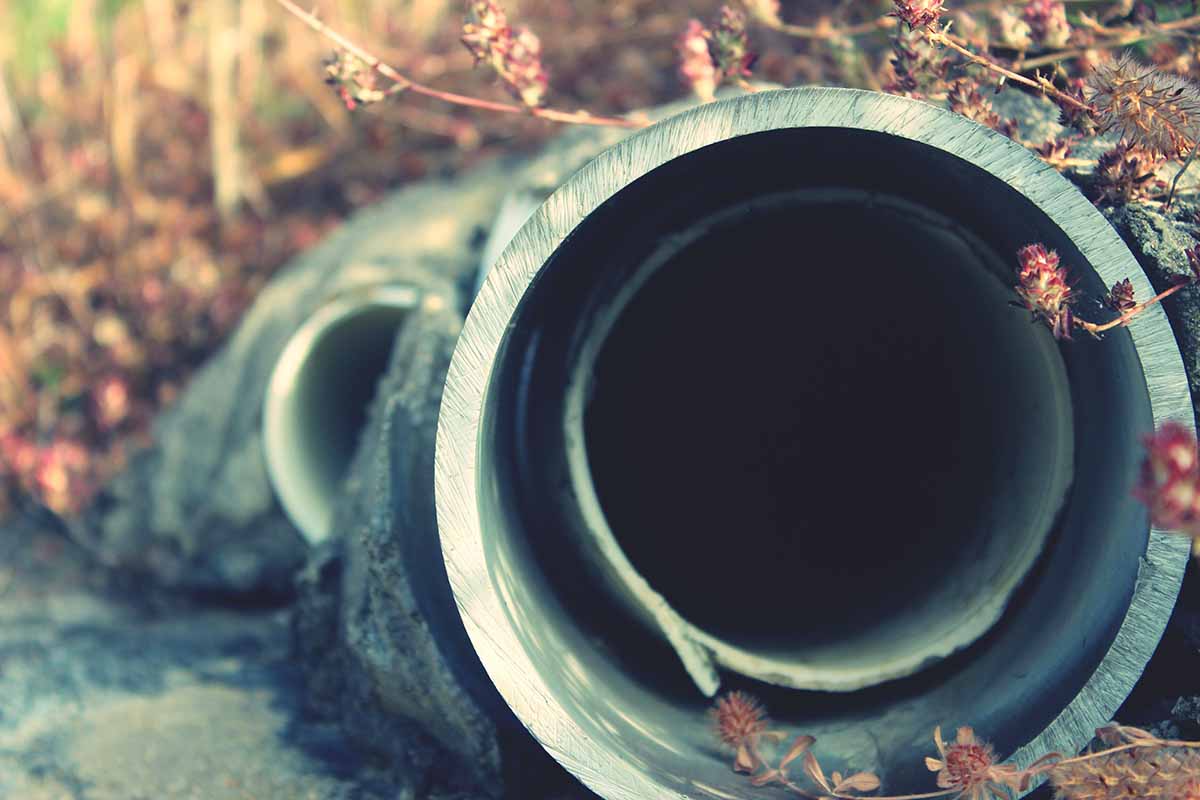
Tree roots, damaged or misaligned pipes, and other underground problems can interfere with the flow between a home and the municipal sewer system. The only reliable way to determine the cause, however, is proper diagnosis rather than assuming every recurring clog needs the same treatment.
This becomes even more important outside dense urban neighborhoods.
The hidden maintenance realities of buying a rural property can include private septic systems, longer private sewer laterals, wells, drainage infrastructure, and other systems that homeowners may be responsible for maintaining themselves.
Whether the property is in Houston or farther outside the city, the practical rule is simple: when several drains start telling the same story, investigate the system they share.
A sewer-camera inspection can help identify what is happening underground before deciding whether cleaning, repair, or replacement is actually necessary.
Professional Sewer Line Repair Versus DIY Solutions
DIY methods can make sense for a simple household clog, but underground sewer repair is different because the homeowner usually cannot see what is actually causing the problem.
The same symptoms can result from grease buildup, tree roots, a damaged joint, a collapsed pipe, or another obstruction.
That is where professional diagnosis becomes valuable:
- Sewer cameras can inspect the inside of the line before anyone recommends excavation or replacement.
- Locating equipment can identify where the problem is underground, potentially avoiding unnecessary digging.
- Licensed plumbers can determine whether cleaning, spot repair, trenchless work, or replacement is appropriate.
- Permits and local plumbing requirements may apply when sewer lines are repaired or replaced.
The financial logic is similar to proactive appliance repair: identifying the actual failure before replacing parts—or an entire system—can prevent spending money on the wrong solution.
There is also a significant sanitation issue.
The EPA estimates that 23,000–75,000 sanitary sewer overflows occur annually in the United States, although these figures cover public sewer systems rather than individual household sewer failures.
Sewage can contain disease-causing microorganisms, which is why wastewater backups require more caution than an ordinary clogged drain.
For Houston homeowners, the dividing line is practical: clearing a straightforward fixture clog can be a DIY job; diagnosing recurring backups or repairing an underground sewer line usually should not be.
Selecting the Right Houston Professional for Sewer Line Repairs
The best sewer contractor is not necessarily the company offering the fastest replacement or lowest quote.
Homeowners should look for a professional who can show what is wrong, explain the available repair options, and justify the recommended cost.
Before hiring, check:
- Texas licensing and appropriate insurance for the work being performed.
- Experience with sewer-line diagnosis and repair, not simply general plumbing.
- Whether the company provides camera inspection and clear evidence of the problem.
- Options such as cleaning, targeted repair, trenchless methods, or full replacement, when appropriate.
- A written estimate explaining labor, materials, permits, excavation, and restoration costs.
- Warranty terms and exactly what the warranty covers.
- Recent customer reviews that specifically mention sewer work in the Houston area.
For a major repair, getting a second opinion can also be worthwhile, particularly when the first recommendation involves extensive excavation or complete line replacement.
The goal is not simply to find someone who can repair a sewer line.
It is to find a professional who can demonstrate why a particular repair is necessary before you pay for it.