Everyday Actions to Protect Oceans: Simple Habits That Make a Real Difference
✨Key Points
Small, everyday choices like using less plastic—can add up to real protection for our oceans.
Ocean care isn’t just for governments; what we do at home and in stores truly matters.
When millions make simple changes together, marine life feels the difference worldwide.
Our oceans sustain life on Earth in ways many people don’t realize.
They generate over 50% of the oxygen we breathe, provide food for more than 3 billion people, and absorb nearly 30% of global carbon dioxide, helping regulate the global climate.
Healthy oceans are essential not just for marine life, but for human survival.
Yet ocean ecosystems are under growing pressure.
According to the United Nations, over 11 million metric tons of plastic enter the ocean every year, while more than one-third of global fish stocks are overfished.
Rising ocean temperatures and acidification—driven by climate change—are accelerating coral reef loss and disrupting delicate marine ecosystems.
While these challenges can feel overwhelming, everyday actions to protect our oceans truly add up.
Small, consistent lifestyle choices can significantly reduce ocean pollution and support long-term ocean conservation.
Simple everyday actions that help protect our oceans include:
Reducing single-use plastics, which account for nearly 80% of marine debris
Choosing sustainable seafood to help prevent overfishing and protect marine biodiversity
Conserving water and energy to reduce runoff and carbon emissions entering the ocean
Supporting ocean-friendly brands and conservation organizations
Sharing educational resources to raise awareness about ocean health and climate impact
By making these small shifts and encouraging others to do the same, anyone can contribute to ocean conservation efforts.
Stories like that of Virginia Chipurnoi, a dedicated ocean advocate, show how individual passion can inspire collective action and lasting change.
Protecting our oceans is not solely the responsibility of governments or environmental organizations.
Every purchase, habit, and choice we make at home and in our communities affects ocean health.
From refusing plastic packaging to supporting responsible fishing practices, daily decisions ripple across coastlines worldwide.
As we continue to depend on water, energy, and natural resources, recognizing how individual actions impact marine life is essential.
Collective efforts, paired with informed advocacy, can reduce pressure on ocean ecosystems and protect marine life for future generations.
When millions commit to small changes, the impact can be powerful enough to reshape the future of our oceans.
Reduce Single-Use Plastics
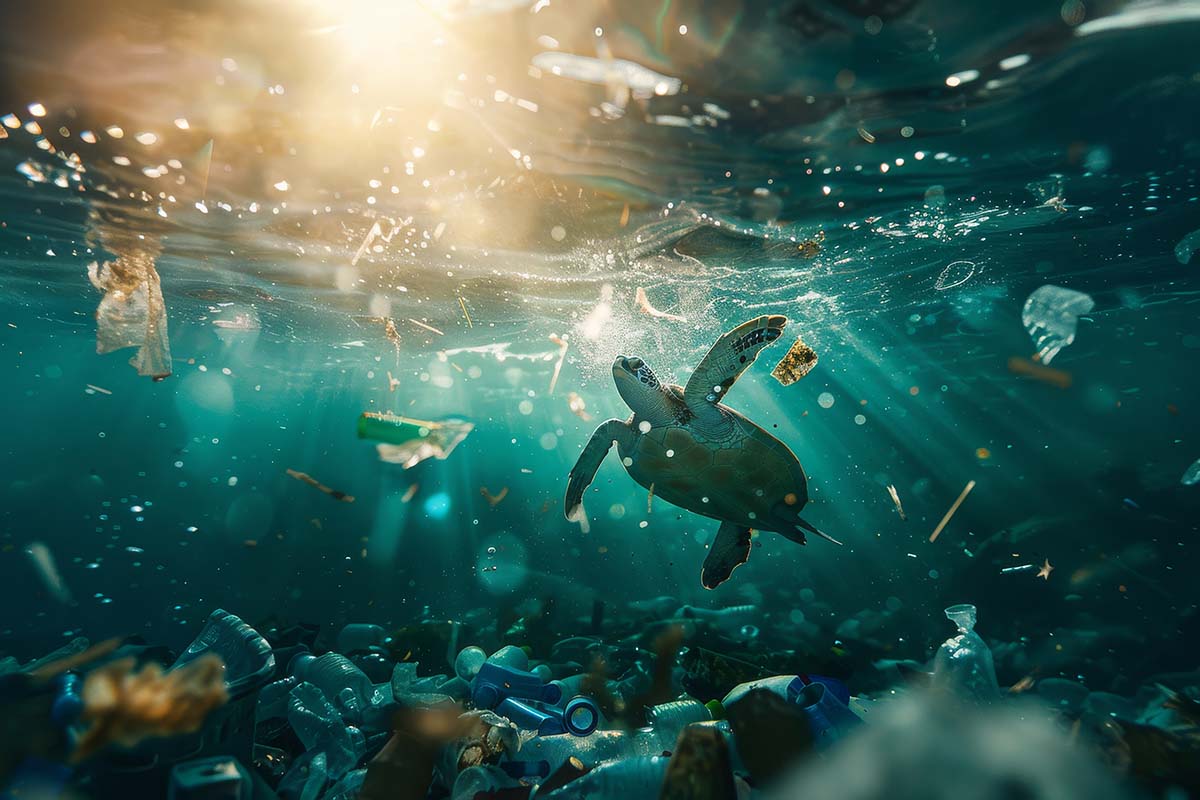
Plastic pollution poses one of the most visible threats to marine life.
Every year, millions of tons of plastic waste leak into oceans, harming wildlife and contaminating food chains.
Simple changes in how we use and dispose of plastics can drastically reduce the amount that ends up in our waterways.
Carry reusable bags, choose products with less packaging, and avoid single-use items whenever possible.
Switching from plastic straws and utensils to reusable alternatives can further reduce plastic waste.
These mindful buying habits can help reduce the amount of harmful debris in our seas, protecting sea turtles, seabirds, and other marine species from ingesting or becoming entangled in plastic waste.
Choose Sustainable Seafood
Global demand for fish and seafood has placed immense pressure on marine populations.
Overfishing not only threatens the survival of certain species but can also destabilize entire ecosystems.
Consumers have the power to support positive change through informed choices.
Look for trusted seafood certifications, such as the Marine Stewardship Council (MSC) label.
Use seafood guides from reputable sources to understand which fisheries and species are harvested responsibly.
Reducing your consumption of high-risk or overexploited species and diversifying your seafood choices can also make a meaningful impact.
By choosing sustainable seafood, you help protect ocean biodiversity for generations to come.
Participate in Local Cleanups
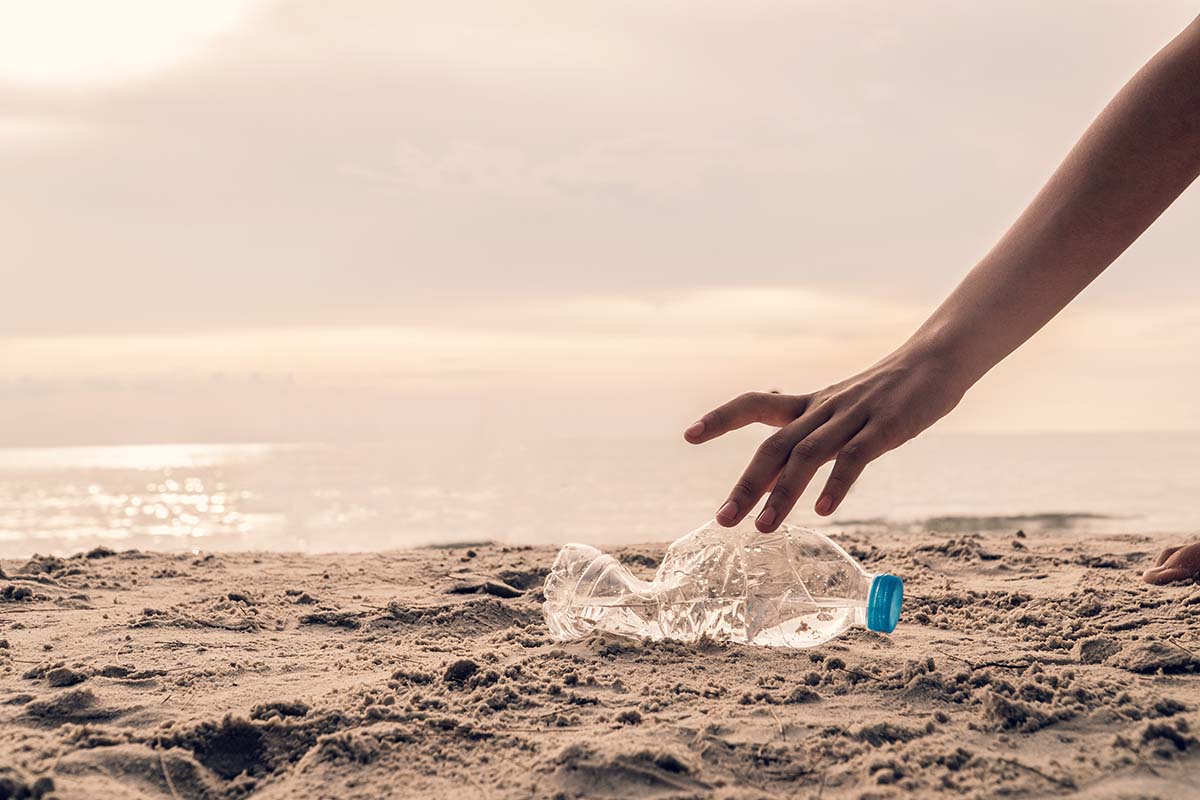
Cleaning up shorelines, rivers, or parks is a direct and effective way to reduce ocean pollution.
When communities come together for organized cleanups, they remove plastics, cigarette butts, and other debris before they reach the sea.
These events not only result in cleaner coasts but also build community spirit and foster environmental responsibility.
You can join established cleanup efforts, organize your own event, or simply make a habit of picking up litter during walks along the beach.
Many organizations encourage volunteers to collect data on the types of waste found.
This information helps scientists and policymakers identify key sources of pollution and craft targeted solutions.
Lower Your Carbon Footprint
The health of our oceans is deeply connected to climate change.
Rising greenhouse gas emissions warm and acidify seawater, disturbing coral reefs and endangering marine species.
Individuals can help by adopting energy-saving habits, using public or shared transport, avoiding unnecessary car trips, and choosing appliances with high energy efficiency ratings.
Turning off lights, unplugging electronics, and reducing household heating and cooling also decreases emissions.
Lowering your carbon footprint not only benefits oceans but also helps address broader environmental challenges such as drought and extreme weather.
Support Ocean-Friendly Policies
Advocacy is a crucial way to safeguard our oceans at scale.
By staying informed about environmental legislation and signing up for updates from marine conservation organizations, you can help ensure that decision-makers prioritize healthy seas.
Take time to communicate with elected officials, express your support for ocean and coastal protection efforts, and consider voting for candidates who take strong stances on climate and conservation.
Support for ocean-friendly policies can reshape industries, expand marine protected areas, and drive investment in research and new technologies.
Spread Awareness
Empowering others to take meaningful steps for the ocean amplifies your impact.
Share articles, facts, and tips on social media to highlight the importance of marine protection.
Host or participate in educational events, workshops, or school presentations about ocean conservation and the threats that marine environments face.
Encouraging friends, family, and your wider community to adopt ocean-friendly habits spreads positive action far and wide.
Community-led awareness has a vital role in promoting new norms around plastic use, sustainable sourcing, and water conservation.
Use Eco-Friendly Products
Many everyday products, such as certain cleaners, personal care items, and gardening chemicals, contain ingredients that can be toxic when they enter rivers and oceans.
Opting for biodegradable, phosphate-free detergents and avoiding products with microbeads or harsh chemicals safeguards aquatic habitats.
For gardening, select natural fertilizers and pest controls that are less likely to contaminate groundwater and waterways.
Thoughtful product choices help break the chain of pollution from our homes to the open sea.
Conserve Water
Reducing your water usage helps limit the volume of wastewater and runoff, both of which can carry harmful pollutants into marine ecosystems.
Fix any leaking taps or pipes, and consider upgrading to water-efficient fixtures, such as low-flow toilets and showerheads.
Turning off the tap while brushing your teeth or washing dishes, as well as using native plants in landscaping, reduces unnecessary water consumption.
These steps can protect fragile aquatic habitats, reduce pollution, and even lower water bills.
Final Thoughts
Everyday choices can seem small on their own.
However, when added together, they create a powerful force for change.
By adopting a few of these habits and encouraging others to do the same, you are helping foster a healthier, more resilient planet and ensuring that the oceans will continue to sustain life now and for future generations.