

The Science of Modern Aesthetics and Beauty Treatments
🔑 Key Points
- Modern aesthetic treatments focus on biological regeneration, not surface correction. They stimulate natural processes like collagen production and cellular renewal to achieve long-term, natural-looking results.
- Minimally invasive procedures dominate the industry due to effectiveness and low downtime. Treatments such as botulinum toxin and dermal fillers account for millions of procedures annually and provide predictable, temporary results with minimal recovery.
- The goal of modern aesthetics is subtle, sustainable enhancement. Instead of dramatic changes, current approaches prioritize restoring volume, improving skin quality, and maintaining a balanced, natural appearance over time.
At the heart of modern aesthetic treatments is a shift from superficial fixes to science-driven, natural rejuvenation.
Today’s approaches go beyond surface-level changes, focusing on working with the body’s own biology to restore, repair, and enhance from within.
✨This evolution is reflected in growing demand: according to global industry reports, over 30 million minimally invasive aesthetic procedures are performed each year worldwide, with treatments like botulinum toxin and dermal fillers leading the way.
Instead of masking imperfections, modern treatments activate natural processes such as collagen production and cellular renewal.
The result is improvement that looks subtle, balanced, and long-lasting, not artificial.
At a glance, these treatments focus on:
- Stimulating collagen and elastin for firmer, healthier skin;
- Restoring lost volume and hydration;
- Improving skin texture and tone;
- Supporting long-term regeneration, not just quick fixes;
Among the most popular options, botulinum toxin treatments alone account for millions of procedures annually, while dermal fillers continue to grow in demand due to their ability to deliver immediate yet natural-looking results.
From neuromodulators that relax expression lines to dermal fillers that replenish volume, and from chemical peels to collagen-boosting techniques like microneedling, today’s aesthetic solutions are designed to work in harmony with the body.
Together, they represent a new era of aesthetics, one where science and beauty combine to deliver results that are not only visible, but sustainable over time.
The goal across these scientific approaches is to promote healthier, more resilient skin from within, leading to lasting, harmonious results.
For those interested in exploring the full spectrum of possibilities, many clinics offer a wide array of advanced aesthetic treatments tailored to individual needs.
Addressing Specific Skin Concerns with Advanced Technology
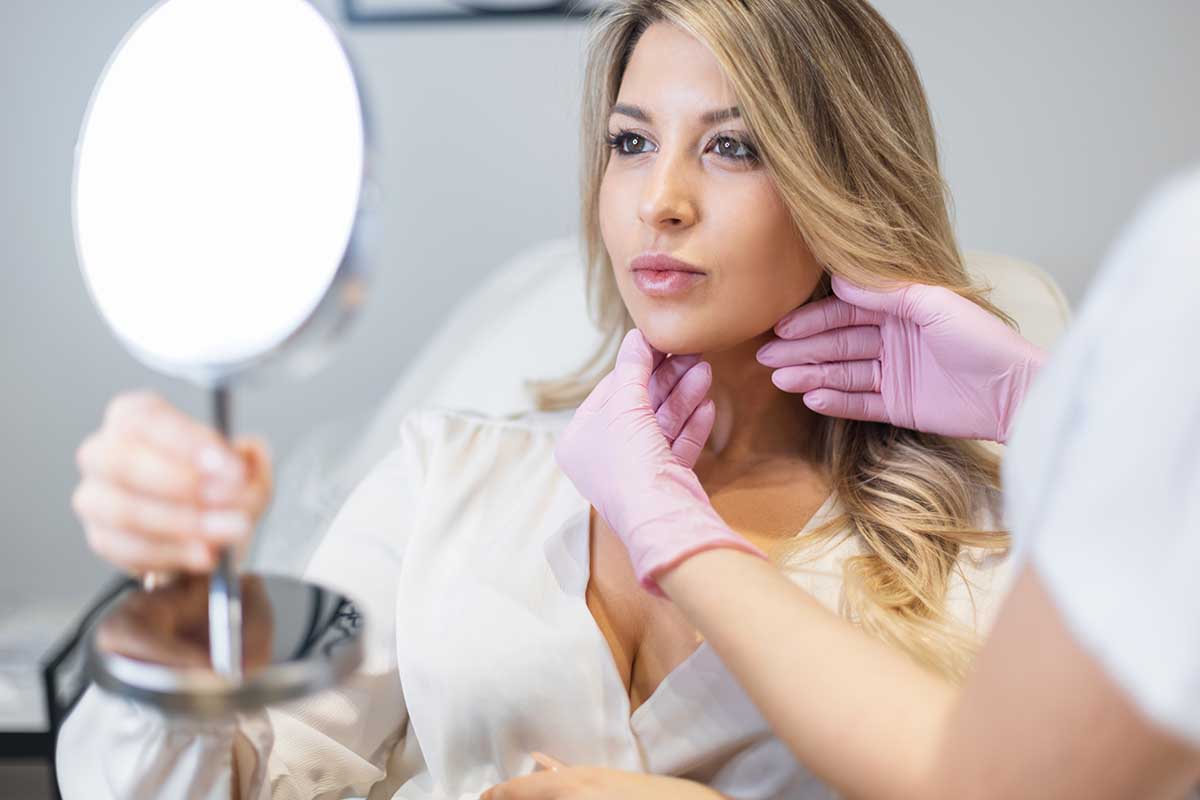
Modern aesthetic medicine offers a sophisticated arsenal of technologies to target a wide array of skin concerns.
From the earliest signs of aging to persistent pigmentation and acne scars, these advanced tools provide effective, often non-invasive, solutions.
The precision and versatility of these technologies allow practitioners to customize treatments for optimal results.
For concerns like wrinkles and fine lines, treatments extend beyond injectables. Laser therapies are particularly effective.
Fractional lasers, for example, create microscopic columns of thermal injury in the skin, stimulating collagen production and resurfacing the skin without extensive downtime.
This process helps to smooth texture, reduce the appearance of lines, and improve overall skin tone.
Pigmentation issues, including sun damage, age spots, and freckles, are often addressed with Intense Pulsed Light (IPL) or Broadband Light (BBL) therapy.
These treatments use broad-spectrum light to target melanin (pigment) in the skin.
The light energy is absorbed by the pigment, which then breaks down and is naturally cleared by the body, resulting in a more even skin tone.
IPL/BBL can also reduce redness associated with conditions like rosacea and improve overall skin texture.
Acne scars, which can be challenging to treat, benefit from a combination of approaches.
As discussed, microneedling stimulates collagen to fill depressed scars.
Alternatively, professional skin needling can be used to promote collagen production and improve overall skin texture.
Laser resurfacing can also smooth the texture of scarred skin.
Additionally, certain chemical peels can help to refine the skin’s surface and reduce discoloration associated with post-inflammatory hyperpigmentation.
Volume loss, a common sign of aging, is primarily managed with dermal fillers.
However, technologies such as radio frequency (RF) can also play a supportive role.
RF energy heats the deeper layers of the skin, causing existing collagen fibers to contract and stimulating new collagen production.
This results in a gradual tightening and firming effect, which can subtly improve facial contours and reduce skin laxity.
Facial symmetry is a crucial aspect of aesthetic appeal.
While fillers can strategically add volume to balance features, advanced imaging and planning tools help practitioners achieve harmonious results.
Skin tightening procedures, using technologies such as RF or high-intensity focused ultrasound (HIFU), can redefine jawlines and lift sagging skin, contributing to a more balanced, youthful appearance.
Here’s a comparison of how some advanced technologies address various skin concerns
Lasers
- Primary mechanism: Targeted light energy creates controlled injury;
- Key applications: Wrinkles, fine lines, sun damage, pigmentation, acne scars, skin resurfacing;
- Benefits: Precise, collagen stimulation, texture improvement, pigment reduction.
Radiofrequency
- Primary mechanism: Delivers heat energy to deeper skin layers;
- Key applications: Skin tightening, laxity, collagen stimulation, facial contouring;
- Benefits: Non-invasive, gradual firming, improved elasticity.
LED Therapy
- Primary mechanism: Light-emitting diodes deliver specific wavelengths;
- Key applications: Acne (blue light), collagen stimulation, inflammation (red light), healing;
- Benefits: Non-invasive, no downtime, gentle, suitable for all skin types.
IPL/BBL
- Primary mechanism: Broad-spectrum pulsed light targets chromophores;
- Key applications: Pigmentation, sun damage, rosacea, redness, overall skin tone and texture;
- Benefits: Non-invasive, quick treatments, minimal downtime, broad-spectrum results.
Microneedling
- Primary mechanism: Fine needles create micro-channels, stimulating healing;
- Key applications: Acne scars, wrinkles, fine lines, skin texture, pore size, stretch marks;
- Benefits: Natural collagen induction, minimal downtime, versatile.
These advanced technologies, when used strategically, allow us to create highly personalized treatment plans that address individual concerns comprehensively.
The ongoing innovation in this field means that we continually have new and improved options for achieving healthier, more radiant skin.
The Patient Journey: Safety, Results, and Maintenance
Embarking on a journey of aesthetic treatments is a personal decision that begins with careful consideration and professional guidance.
The patient journey is designed to be safe, transparent, and ultimately rewarding, focusing on achieving natural-looking results that align with individual goals.
The first crucial step is a comprehensive consultation.
During this appointment, a qualified aesthetic provider will conduct a thorough skin analysis, discuss your medical history, and, most importantly, listen to your concerns and aspirations.
This is where we establish realistic expectations.
It’s vital to understand what treatments can and cannot achieve, along with their potential outcomes and limitations.
A good candidate for aesthetic treatments is someone in good general health, with realistic expectations, and a clear understanding of the procedure.
Your first appointment will typically involve this in-depth discussion, followed by a personalized treatment plan.
The provider will explain the proposed treatments, their mechanisms, expected results, and any pre- and post-care instructions.
This ensures you are fully informed and comfortable before proceeding.
Safety is paramount in aesthetic medicine.
We always emphasize the importance of choosing a highly qualified and experienced practitioner.
Look for providers who are board-certified in relevant specialties (e.g., dermatology, plastic surgery) or who work under direct medical supervision in a reputable clinic.
They should utilize FDA-approved products and technologies and adhere to strict hygiene protocols.
The demand for facial aesthetics services has increased significantly, making it even more important to select a provider with demonstrable expertise and a commitment to patient well-being.
While most non-surgical aesthetic treatments boast minimal downtime, it’s important to be aware of potential, usually temporary, side effects. These can include redness, swelling, and bruising at the injection or treatment site.
These reactions are typically mild and resolve within a few hours to several days.
Providers will offer guidance on managing these side effects and minimizing their duration. For instance, avoiding blood-thinning medications before injections can reduce bruising.
The longevity of results varies significantly depending on the type of treatment.
As mentioned, Botox effects typically last three to four months, while dermal fillers can last 6 to 18 months.
Treatments like chemical peels or microneedling often require a series of sessions to achieve optimal results, with maintenance treatments recommended every few months to a year.
Understanding these maintenance cycles is key to planning your aesthetic journey and sustaining your desired look.
Regular follow-up appointments allow your provider to assess your results and adjust your treatment plan as needed.
Beyond facial treatments, comprehensive aesthetic care often includes additional services that enhance overall beauty and confidence.
For example, precise hair removal techniques play a significant role.
If you’re looking for Expert waxing Burlington, finding a skilled professional ensures a comfortable experience and smooth, lasting results that complement your skin treatments.
This holistic approach ensures all aspects of your beauty regimen are addressed with care and expertise.
Evolution and Trends in the Industry
The pursuit of beauty and aesthetic enhancement is as old as humanity itself, evolving from ancient remedies to today’s high-tech solutions.
Understanding this historical trajectory helps us appreciate the sophistication and safety of modern aesthetic medicine.
Historical Roots of Aesthetics and Beauty Treatments
Early forms of aesthetic treatments can be traced back to ancient civilizations.
In ancient Egypt, skincare was a sophisticated practice that used oils, waxes, and plant extracts to reduce wrinkles and spots.
They even employed rudimentary wound-healing methods, such as applying fresh meat, then honey and linen, which served as early forms of antiseptics and wound dressings.
The mythological background of beauty is often intertwined with divine favor, which drives the desire for a flawless appearance.
Perhaps one of the most remarkable historical examples comes from ancient India, where the ‘forehead flap’ technique for nasal reconstruction was documented over 2000 years ago.
This surgical procedure, used to reconstruct noses disfigured by war or punishment, demonstrates an early understanding of reconstructive and aesthetic surgery.
Over centuries, these practices gradually evolved, with various cultures contributing to a growing body of knowledge on beauty and physical enhancement.
The 19th and 20th centuries saw the advent of modern plastic surgery, initially focused on reconstructive needs, but gradually expanding into cosmetic procedures.
The mid-20th century marked the beginning of modern injectables, though they were initially met with skepticism and lacked the refined understanding we have today.
Modern Trends in Aesthetics and Beauty Treatments
The aesthetic industry has undergone a dramatic transformation over the past few decades, driven by technological advancements and shifting patient preferences.
The rise of “tweakments”, subtle, non-surgical enhancements, has reshaped the landscape.
These procedures offer natural refreshment without the dramatic alterations or extensive downtime associated with traditional surgery.
One of the most significant trends is the increasing demand for non-surgical aesthetic treatments, which have seen a surge in popularity due to their minimal invasiveness and faster recovery.
Statistics show a substantial increase in non-surgical procedures over surgical ones, highlighting this preference.
For instance, the US saw a 356% increase in nonsurgical procedures from 1997 to 2011.
This growth is fueled by innovations that deliver effective results with reduced risks.
Combination therapies are also gaining prominence.
Practitioners often combine treatments, such as Botox and dermal fillers, or microneedling with LED therapy, to achieve more comprehensive, synergistic results.
This approach allows for personalized regimens that address multiple concerns simultaneously, leading to a more holistic full-face strategy.
The concept of preventative aesthetics is another key trend, with individuals in their 30s and 40s seeking treatments to maintain youthful skin and prevent signs of aging before they become pronounced.
This proactive approach focuses on long-term skin health and preservation.
Furthermore, regenerative medicine is making inroads into aesthetics.
Treatments like Platelet-Rich Fibrin (PRF) and Polynucleotides (PDRN) utilize the body’s own healing factors to stimulate collagen production and improve skin quality, offering a more natural path to rejuvenation.
Advanced technologies like lasers, radiofrequency (RF), and LED therapy continue to evolve, providing highly targeted and effective solutions for various skin concerns.
The industry is also seeing a greater emphasis on ethical practice, patient education, and psychological well-being.
There’s a growing recognition that aesthetic treatments should enhance self-esteem and confidence, not just alter appearance.
The establishment of sections dedicated to aesthetic medicine and surgery within prestigious medical bodies, such as the Royal Society of Medicine in 2024, underscores the growing recognition and professionalization of this field.
This evolution reflects a movement towards safer, more effective, and patient-centric aesthetic care.
Understanding Costs and Clinic Selection
Navigating aesthetic treatments involves understanding not only the procedures themselves but also the associated costs and how to choose a reputable clinic.
Prices for aesthetic treatments can vary widely based on location, the provider’s expertise, the specific products used, and the number of sessions required.
Here’s an overview of average price ranges for some common treatments, based on internet data:
- Botox/Neurotoxins:$250 – $1,200 per treatment area;
- Dermal Fillers:$600 – $2,800 per syringe, depending on the type and brand;
- Chemical Peels:$150 – $1,000 per session, depending on depth;
- Microneedling:$200 – $1,500 per session, often requiring a series.
These are general estimates, and actual costs can fluctuate significantly.
We always advise patients that this internet data disclaimer means prices should be verified directly with clinics.
Many clinics offer package deals for multiple sessions or combination treatments, which can sometimes be more cost-effective.
Choosing the right clinic and provider is as crucial as selecting the right treatment. Here are key factors to consider:
- Qualifications and Experience:Ensure your provider is a licensed medical professional (e.g., physician, physician assistant, nurse practitioner) with specialized training and experience in aesthetic procedures. Look for board certifications and affiliations with reputable medical organizations.
- Medical Supervision:Even if an aesthetician performs certain treatments, ensure they operate under the direct supervision of a medical doctor, especially for more advanced procedures.
- Clinic Hygiene and Safety Standards:The clinic should maintain impeccable hygiene standards, using sterile equipment and following strict safety protocols to prevent infections and complications.
- Personalized Consultation:A good clinic will offer a thorough initial consultation, listening to your goals, assessing your skin, and developing a customized treatment plan. They should clearly explain the procedure, potential risks, and expected outcomes.
- Product Quality:Inquire about the brands of products used (e.g., specific filler types, neurotoxin brands). Reputable clinics use FDA-approved, high-quality products.
- Before-and-After Photos:Ask to see before-and-after photos of previous patients to gauge the provider’s aesthetic style and the quality of their results.
- Client Reviews and Testimonials:Online reviews can provide insight into other patients’ experiences with the clinic and its staff.
Making an informed decision about your aesthetic treatments involves careful research and a commitment to your safety and satisfaction.
For a comprehensive overview of available options and to begin your journey, exploring various Services offered by trusted providers is a great starting point.
Frequently Asked Questions about Aesthetic Procedures

As aesthetic treatments continue to grow, many questions arise for those considering these options.
Here, we address some of the most common inquiries to provide clarity and guidance.
How do aesthetic treatments differ from surgical cosmetic procedures?
The fundamental difference lies in their invasiveness.
Aesthetic treatments are primarily non-surgical or minimally invasive, meaning they do not involve incisions, general anesthesia, or significant downtime.
Examples include injectables like Botox and dermal fillers, chemical peels, microneedling, and laser therapies.
These treatments typically aim for subtle enhancements, skin rejuvenation, and the addressing of specific concerns such as wrinkles, pigmentation, or volume loss.
Surgical cosmetic procedures, on the other hand, are invasive operations that involve incisions, general anesthesia, and a more extensive recovery period.
Examples include facelifts, rhinoplasty, breast augmentation, and liposuction.
These procedures are designed to achieve more dramatic and permanent structural changes to the face or body.
While both aim to improve appearance, aesthetic treatments offer a less permanent, lower-risk alternative with faster recovery, making them suitable for those seeking gradual changes or who prefer to avoid surgery.
What should beginners expect during their first aesthetic appointment?
For beginners, the first aesthetic appointment is primarily an educational and consultative experience.
You should expect a thorough discussion with a qualified aesthetic provider. This will typically include:
- Medical History Review:The provider will ask about your health, medications, allergies, and any previous cosmetic treatments.
- Skin Assessment:A detailed examination of your skin type, concerns, and facial anatomy.
- Discussion of Goals and Expectations:This is your opportunity to articulate what you hope to achieve. The provider will help set realistic expectations for the outcomes.
- Treatment Plan Proposal:Based on the assessment and your goals, the provider will recommend specific treatments, explain how they work, their benefits, and potential risks.
- Cost and Scheduling:You’ll receive information on treatment costs and discuss scheduling options.
- Opportunity for Questions:A reputable provider will encourage you to ask any questions you have and ensure you feel completely comfortable and informed before making any decisions.
It’s common for minor treatments, such as a superficial chemical peel or a small area of Botox, to be performed on the first visit if time allows and you feel ready.
However, for more complex procedures, the first appointment is often solely for consultation and planning.
How long do results from common aesthetic treatments typically last?

The duration of results varies significantly depending on the treatment type, the product used, the treated area, and individual factors such as metabolism and lifestyle.
- Botox/Neurotoxins:Effects typically last three to four months. Regular re-treatment is needed to maintain wrinkle reduction.
- Dermal Fillers (Hyaluronic Acid-based):Results generally last 6 to 18 months, with some formulations lasting up to 2 years. Lip fillers tend to last shorter (6-9 months) due to high mobility, while cheek fillers can last longer.
- Chemical Peels:Results can range from a few weeks (for superficial peels) to several months (for medium-depth peels). A series of treatments and ongoing skincare are usually recommended for sustained improvement.
- Microneedling:Improvements are often progressive and can last for several months after a series of 3-6 treatments. Annual maintenance sessions are common.
- Laser Treatments (e.g., IPL, Resurfacing):Results for pigmentation or texture can last several months to a year or more, especially with proper sun protection. Maintenance sessions may be recommended.
- Radiofrequency/HIFU Skin Tightening:Results are gradual and can last 1-2 years after a full course of treatments, with annual touch-ups often advised.
Aesthetic treatments don’t stop the natural aging process, but rather help to manage its visible effects.
Consistent maintenance and a good skincare regimen are key to prolonging and maximizing the benefits of any aesthetic procedure.
Conclusion
The world of aesthetics and beauty treatments offers an incredible array of scientifically backed, non-surgical options to enhance our natural beauty and boost our confidence.
From the precise muscle relaxation offered by neuromodulators like Botox to the volume restoration of dermal fillers and the skin-renewing power of lasers and chemical peels, these treatments provide effective solutions for a multitude of concerns.
We’ve seen how advanced technologies address specific issues like wrinkles, pigmentation, and volume loss, offering tailored approaches for every individual.
The patient journey emphasizes safety, realistic expectations, and the importance of choosing qualified, experienced providers.
With minimal downtime and natural-looking results, modern aesthetics empowers individuals to feel refreshed and revitalized.
The industry continues to evolve, with historical roots stretching back millennia and current trends embracing preventive care, combination therapies, and regenerative medicine to promote holistic, long-term skin health.
Understanding the costs involved and diligently selecting a reputable clinic are crucial steps in this journey.
By making informed decisions and partnering with skilled professionals, we can confidently explore the possibilities that modern aesthetic medicine offers.
These advanced approaches are not just about altering appearance; they are about fostering a deeper sense of well-being, confidence, and self-assurance.
To learn more or to embark on your own aesthetic journey, please don’t hesitate to Contact Us.